Blog
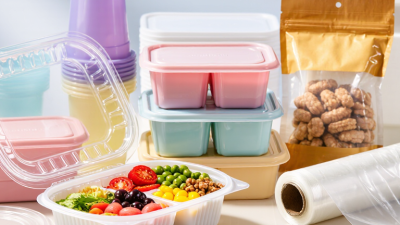
Top Plastic Food Packaging Manufacturers in China
China’s plastic food packaging sector serves a wide range of businesses, from neighborhood snack brands to large food processors. Its manufacturers produce items such as takeaway containers, cups, trays, films, and flexible pouches. Choosing a supplier is not just a matter of comparing prices. Material quality, production consistency, communication, and delivery planning all affect the finished package.
This guide to top Plastic Food Packaging manufacturers in China helps buyers compare suppliers using practical questions. What materials and formats does each company offer? Can it provide clear product specifications, samples, and relevant food-contact documentation? How does it manage quality checks, custom printing, and order timelines? These details matter. A polished catalog alone cannot show how a factory handles a production change or a delayed shipment.
The right fit depends on the product being packed. A rigid container for a hot meal has different performance needs from a thin film for dry snacks. Buyers should discuss dimensions, sealing methods, storage conditions, and expected order volumes before requesting a quotation. They should also confirm claims with current documents and, where possible, inspect samples or arrange a factory review. Not every supplier fits. Even a capable manufacturer may not suit a small trial order, a complex design, or a tight schedule. This overview offers a starting point, not a final verdict; supplier details and capabilities can change, so careful verification remains essential.
Read more »
 By:Ethan
- November 10, 2026
2026 Top Disposable Food Packaging Types for Buyers
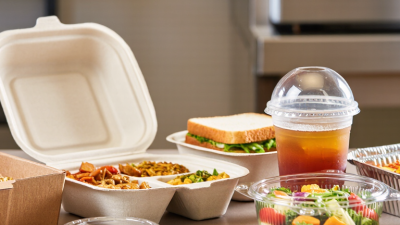
Choosing the right Disposable Food Packaging is not a simple matter of picking the cheapest container. A hot noodle bowl, a chilled salad, and a greasy pastry place different demands on their packaging. Buyers must weigh food safety, leak resistance, heat tolerance, shelf life, storage space, and disposal options. A cup that works for soup may fail with oily sauces. Small details matter.
Common choices include paperboard boxes, molded-fiber trays, bagasse clamshells, plastic cups and containers, aluminum trays, and compostable bioplastic items. Each has limits. Paperboard can soften when exposed to moisture. Molded fiber offers a firm feel, but its performance depends on the product and coating. Plastic often provides a clear view of food and reliable sealing. Aluminum handles heat well, though it may not suit every serving format. “Waste equals food,” says sustainable-design expert William McDonough, expressing a useful challenge for packaging decisions: consider what happens after use, not just during service.
That principle needs practical judgment. Collection systems differ by location, and a package marketed as compostable may not break down in a home compost pile. Buyers should check material specifications, food-contact documentation, and the disposal guidance available to their customers. Ask suppliers for samples, then test them with the actual menu: fill a container with hot curry, stack it for delivery, and check for leaks after a short ride. No option is perfect. This guide compares leading types and helps buyers match packaging performance with their food, budget, and waste-handling realities.
Read more »
By:Ethan
- November 10, 2026
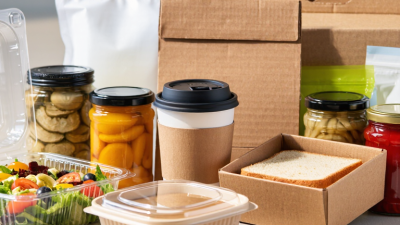
Top Suppliers of Food Packaging Containers Worldwide
Food Packaging Containers do more than hold a meal. They protect texture, limit contamination, and help products survive transport from factory to store. Yet the right container depends on the food, distribution route, shelf-life target, and recovery options available to customers. A chilled salad in a clear tray has different needs from soup in a heat-resistant cup.
The market is substantial. Grand View Research valued the global food packaging market at about US$456.3 billion in 2023 and projected continued growth through 2030. FAO’s 2023 food-loss assessment estimated that 13.2% of food is lost between harvest and retail. Packaging cannot solve that problem alone. But suitable formats can help protect food during storage and distribution. There is no universal best container.
Food-packaging specialist Dr. Aaron L. Brody has emphasized the need to protect food quality across the supply chain; in paraphrase, a package must perform from production through consumption. That practical test helps frame this guide to the top worldwide suppliers. It considers material range, food-contact expertise, manufacturing capacity, and support for customer-specific designs. Supplier claims still deserve scrutiny. A recyclable label, for example, does not guarantee local collection or processing. The strongest partners explain trade-offs clearly, provide relevant technical documentation, and match container performance to the actual product—not just a brochure.
Read more »
By:Ethan
- November 10, 2026