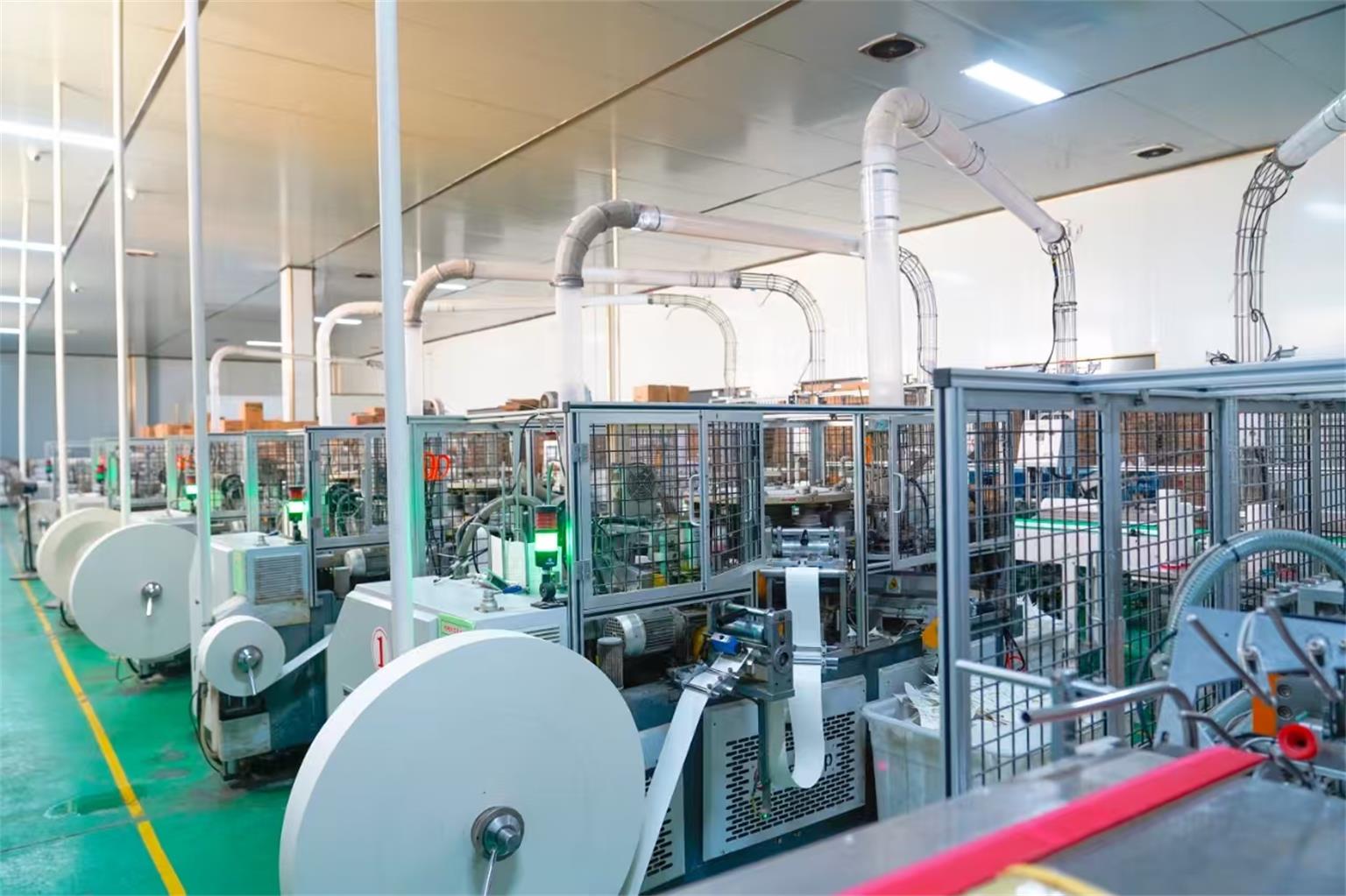
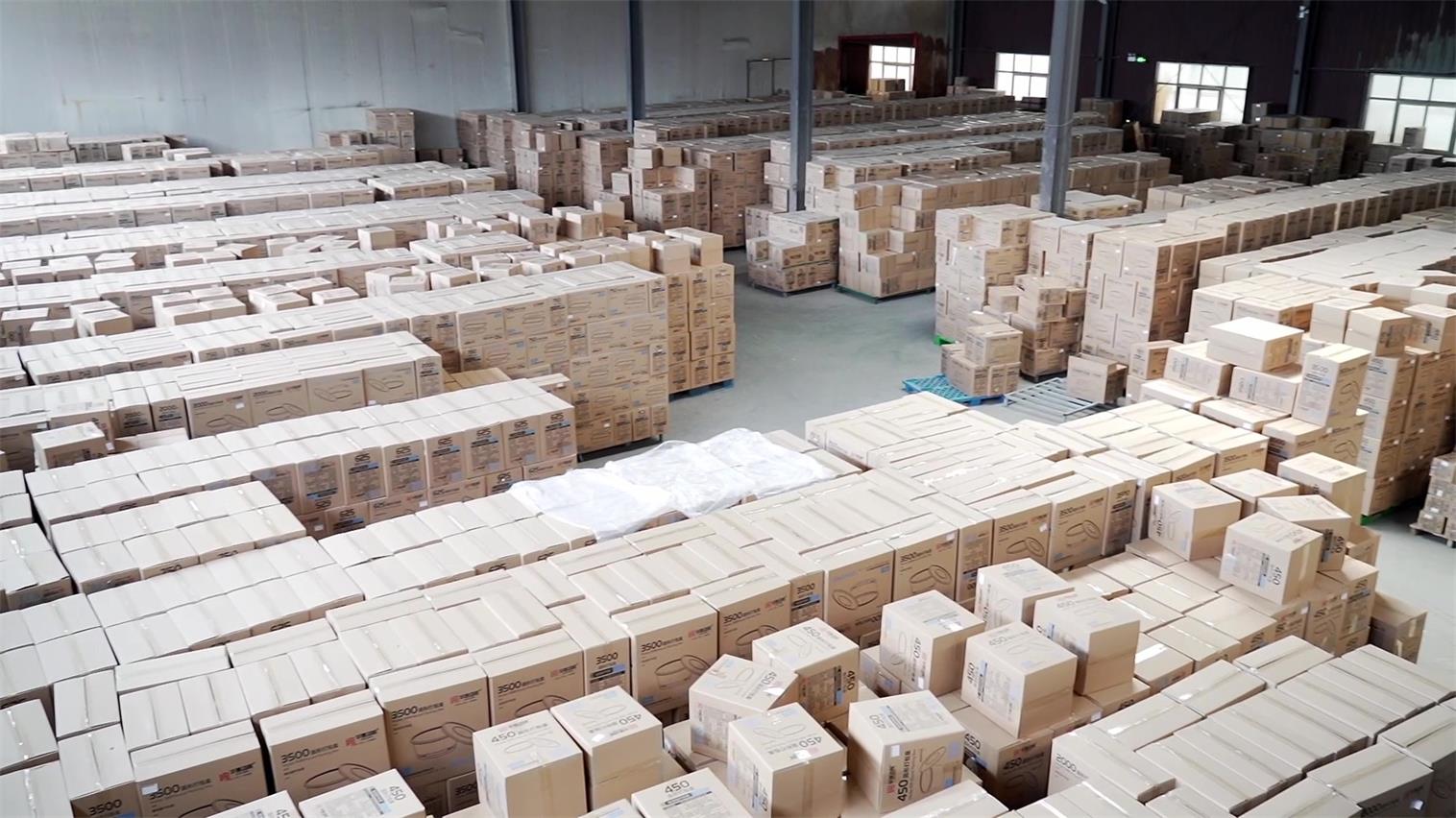
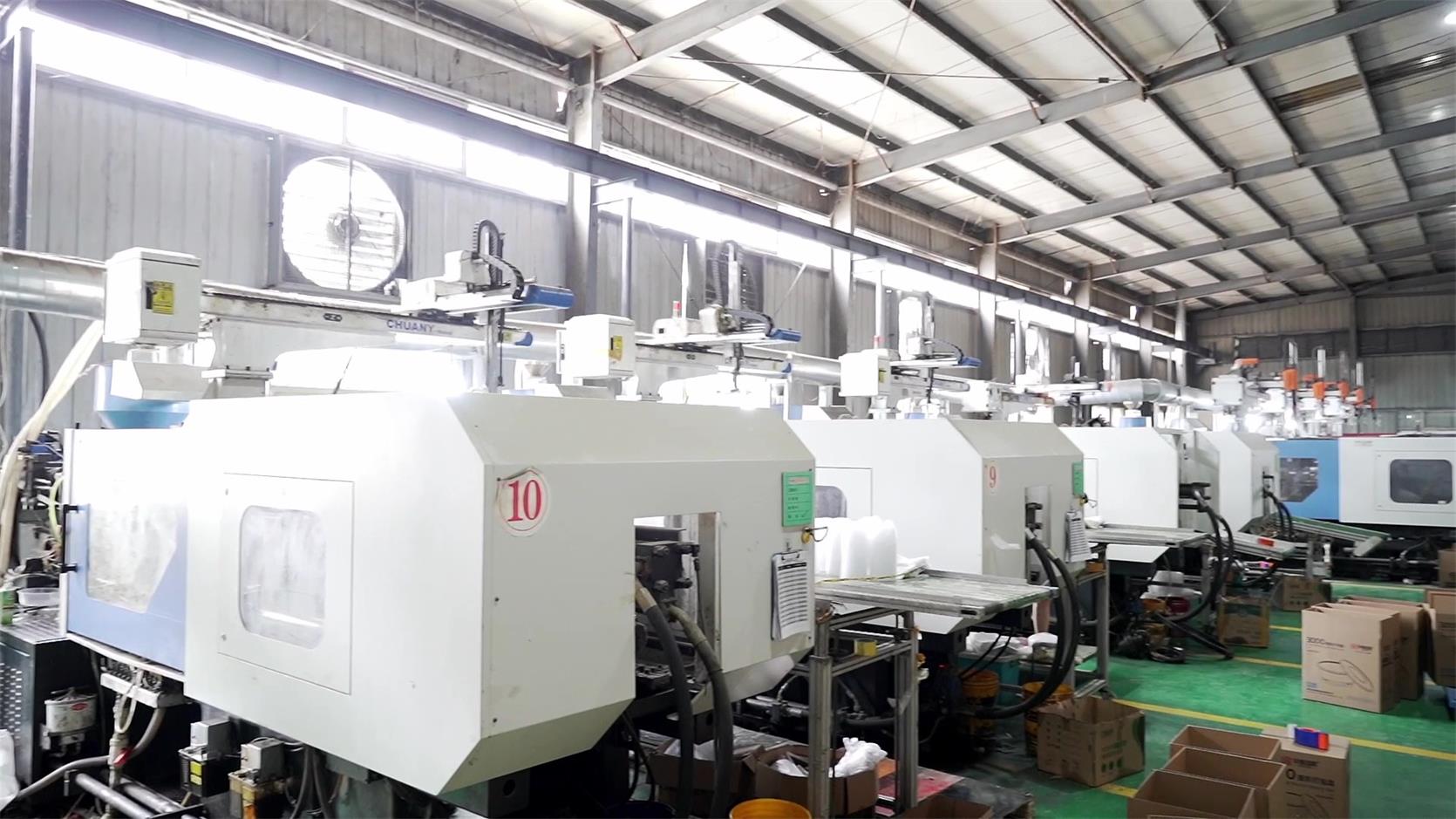
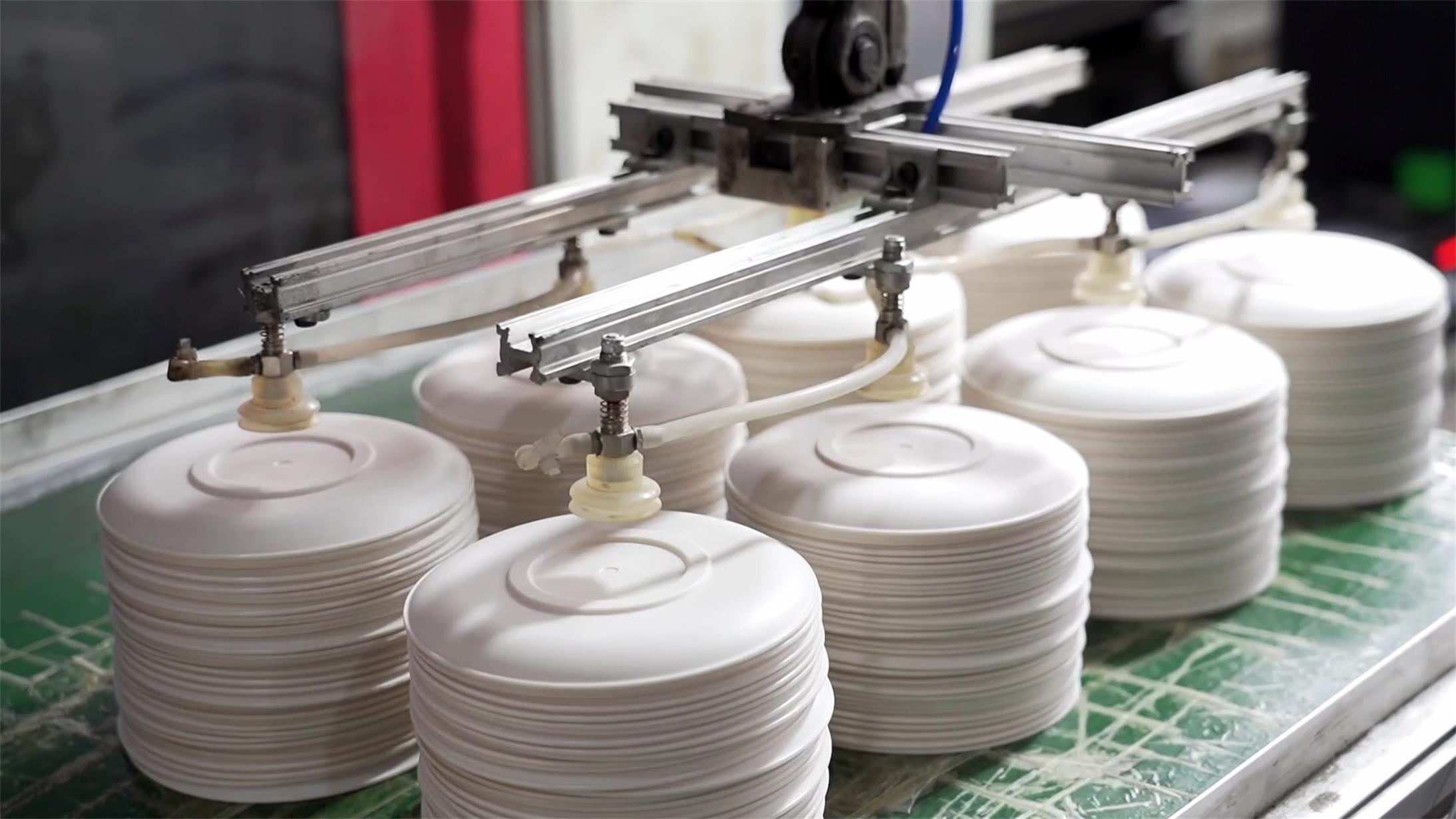
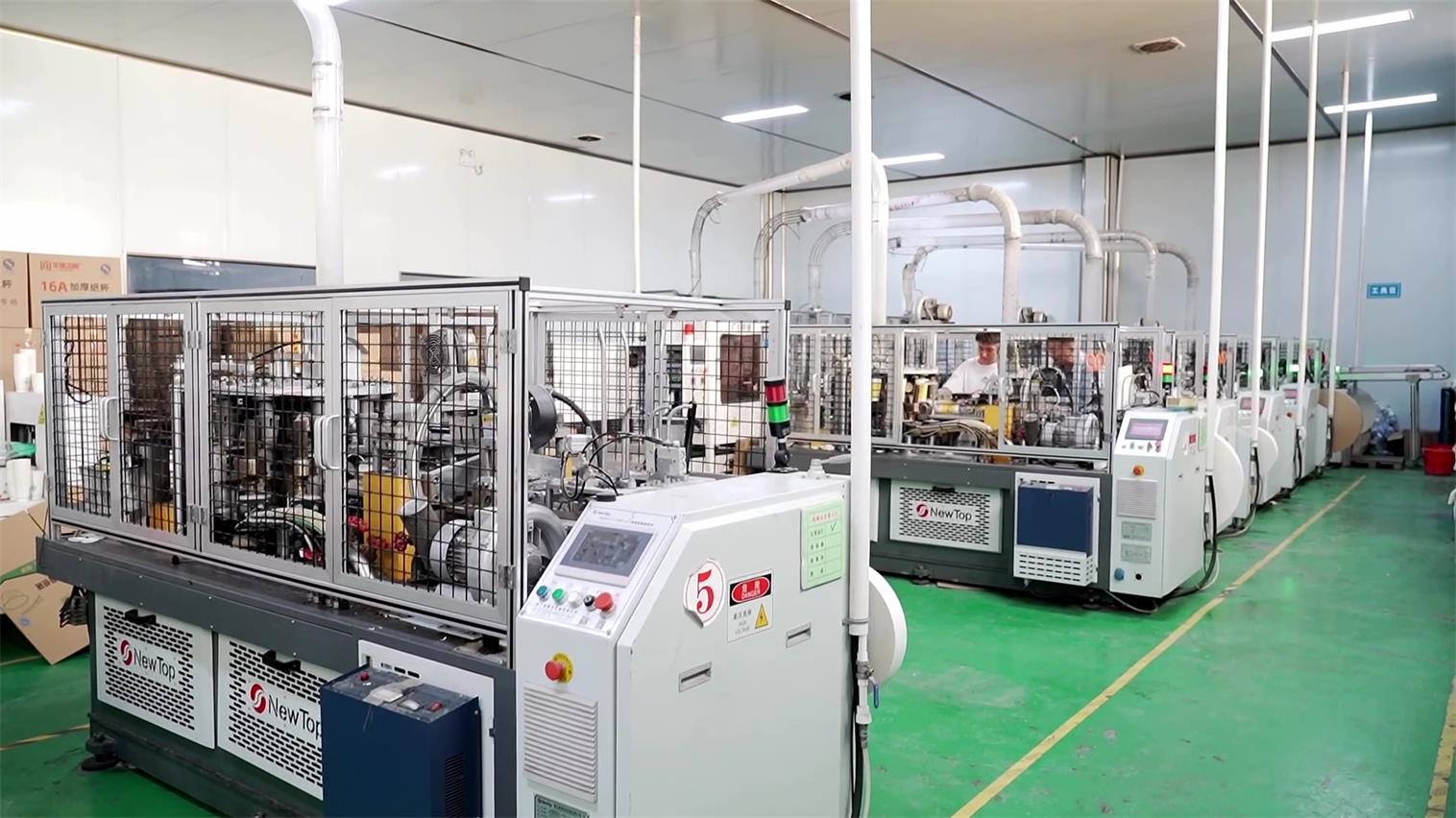
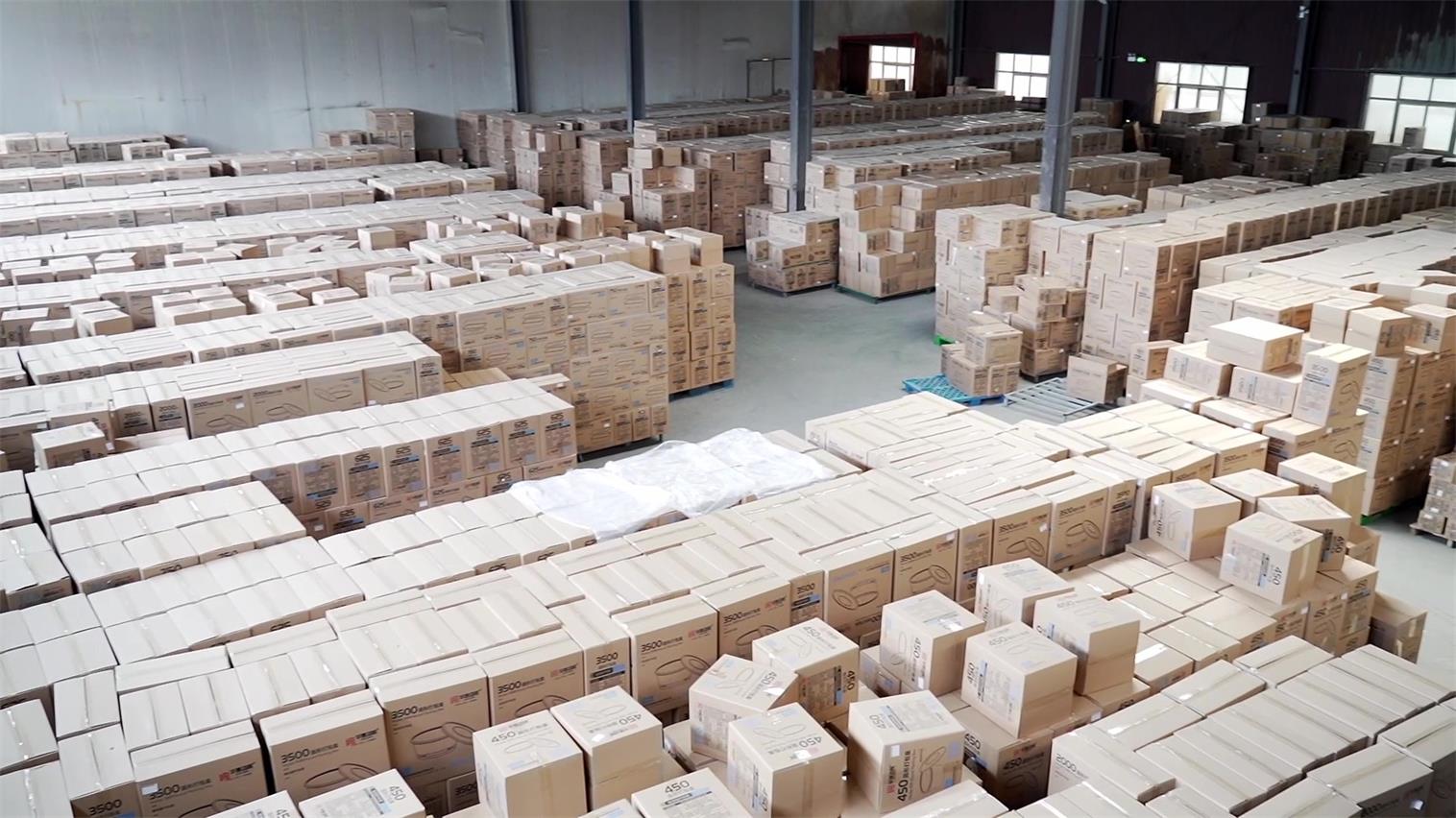
100% TestedOn-site mechanical tensile load testing and strict raw material food-contact certification.
Enterprise Procurement Insights
The Shifting Dynamics of Commercial Takeaway Packaging Bags
In modern high-velocity food delivery networks, the takeaway packaging bag serves as both an essential structural carrier and the primary physical touchpoint representing a restaurant's brand equity. Whether servicing fast-casual dining conglomerates, ghost kitchens, or grocery delivery fleets, packaging failures like ruptured bag bottoms, snapped handles, or grease seepage directly compromise the consumer experience and incur commercial losses.
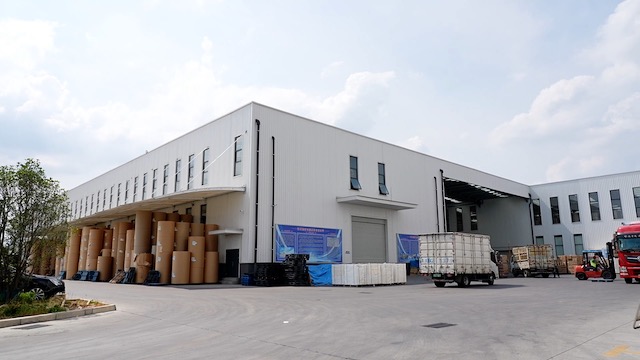
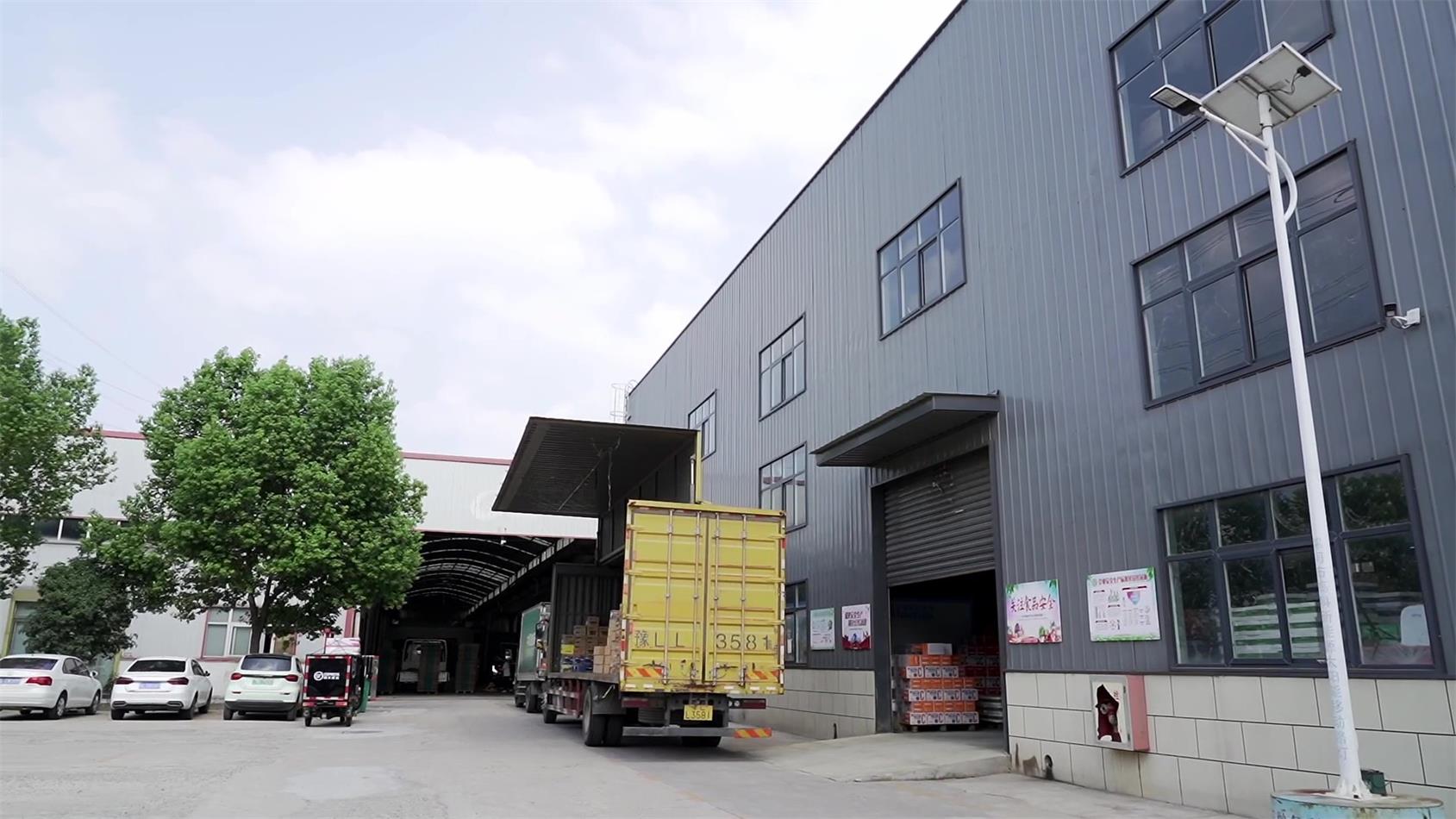
At Luohe Temip Plastic Products Co., Ltd., we eliminate transit failure through precision engineering. Located in the Dongcheng Industrial Agglomeration Zone, Luohe City, Henan Province, our facility sits in the strategic heartland of China's premier food production corridor. Our dedicated team of 37 production specialists and technical engineers transforms high-yield virgin kraft board, greaseproof food liner papers, and biodegradable barrier substrates into resilient, high-performance takeaway packaging bags.
Recommended Takeaway Packaging Bag Formats for Enterprise Buyers
Matching menu density, transit duration, and brand aesthetics with the proper bag geometry is fundamental to lowering shipping weights while guaranteeing payload integrity.
Twisted Paper Handle Kraft Bags
The global benchmark for multi-item takeaway orders. Heavy-gauge virgin kraft substrate reinforced with internal patch-strip gluing guarantees carrying capacities up to 10kg without handle delamination.
Engineered for high packing speed and seamless stacking inside delivery dispatch cubbies. Flat internal handles fold flush, lowering packing interference during rush hours while keeping unit freight cubic footprint minimal.
Handle-free self-opening sacks (SOS) built with expansive side gussets. Designed specifically to cradle wide-bottom rectangular bowls, large pizza cartons, and combo platters with complete horizontal stabilization.
Equipped with integrated high-tack peel-and-seal adhesive strips or tear-strip tab closures. Protects food hygiene across third-party delivery dispatch legs, ensuring peace of mind for riders and consumers alike.
Future Sourcing & Industrial Trends in Takeaway Food Packaging
Enterprise procurement departments must navigate shifting legislative mandates, fluctuating virgin pulp market pricing, and automated dispatch operations. Here is how modern food packaging is evolving.
1. De-Plasticization & Circular Substrates
With the European Union Single-Use Plastics Directive (SUPD), North American municipal EPR schemes, and pan-Asian plastics bans expanding, single-use LDPE and HDPE shopping bags have been widely restricted. Purchasing departments are aggressively pivoting toward FSC-certified unbleached virgin kraft paper and agricultural fiber boards that break down naturally in industrial and home composting frameworks without microplastic residues.
2. Next-Gen Aqueous Coatings
Traditional PE lining and fluorinated PFAS chemicals (historically used for grease and moisture barriers) face stringent regulatory obsolescence globally. The industry's forward trajectory lies in water-based dispersion barriers. These modern coatings achieve Kit Level 7–11 oil resistance while retaining total repulpability in standard cardboard mill recycling hydropulpers.
3. Structural Integrity for Stacking
Rapid expansion of two-wheeler scooter and autonomous vehicle meal delivery demands bags with rigid structural integrity. Takeaway packaging bags must resist internal condensation from hot soup bowls while supporting multi-tier stacking. Modern designs integrate high burst-index Scandinavian pulp blends that maintain up to 80% tensile resistance under 95% relative humidity environments.
4. Automated Bag-Filling Line Optimization
High-volume central kitchens and ghost kitchens are modernizing packing tables with semi-automated bag dispensers. Packaging bags are now manufactured with microscopic air-release perforations, calibrated fold friction, and precision-creased block bottoms to open automatically in under 0.8 seconds, eliminating prep-line bottlenecks during peak operating hours.
Technical Specification Matrix: Selecting The Right Takeaway Packaging Bag
Engineering parameters developed through nine years of real-world food container manufacturing at Luohe Temip Plastic Products Co., Ltd.
Bag Configuration
Recommended Basis Weight
Safe Static Payload
Primary Application Menu
Key Quality Verification Parameter
Twisted Handle Kraft
100 – 140 GSM Virgin Kraft
7.0 kg – 10.5 kg
Multi-pack ramen bowls, heavy bento boxes, family combos
Handle adhesive patch pull test (> 120 N shear force)
Flat Tape Handle Bag
80 – 120 GSM Natural/Bleached
5.0 kg – 7.5 kg
Burgers, gourmet bakeries, cafe beverage pairs
Handle tab weld integrity and lateral stretch resistance
Square Wide Bottom SOS
90 – 130 GSM Greaseproof Paper
4.0 kg – 6.5 kg
Large pizza boxes, party platters, seafood boils
Bottom glue coverage uniformity; anti-grease leakage test
Adhesive fracture test upon opening (destructible fiber tear)
Enterprise Manufacturing Capabilities
Why Global Distributors & QSRs Partner with Luohe Temip
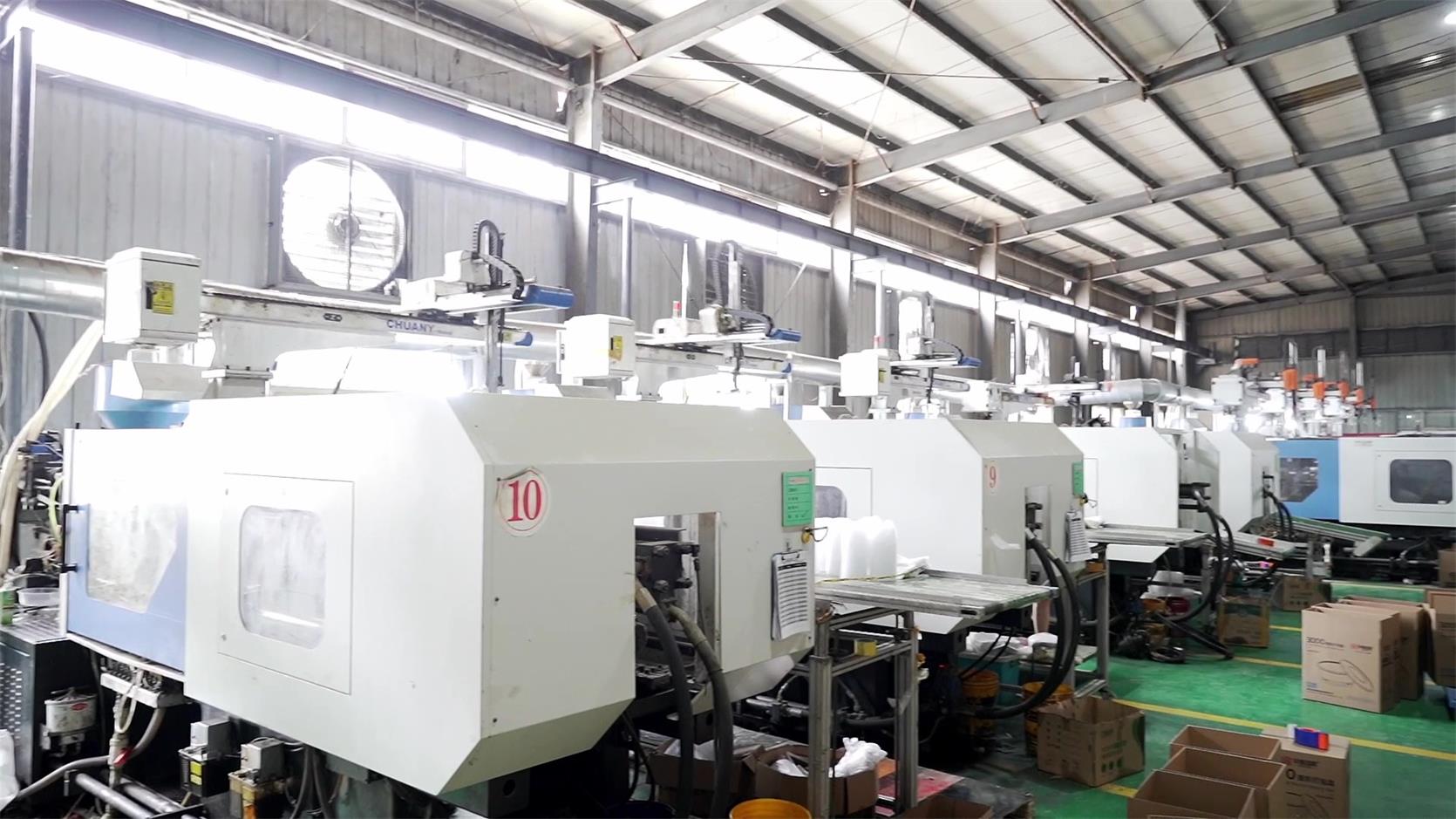
We combine raw material testing, high-speed automated bag-making machinery, and international supply chain agility to provide unmatched wholesale stability.
0+Years of Export Excellence
0m²Certified Production Floor
0Dedicated Specialists
0/5Verified Buyer Satisfaction
Rigorous On-Site Material Inspection
We don't rely on third-party broker claims. Incoming paper coils undergo rigorous tensile bursting, Cobb water absorption, and caliper checks before entering our slitting lines.
SGS Audited Facility & Procedures
Our complete manufacturing operation has undergone stringent on-site assessment by SGS Group, verifying production safety, sanitation standards, and quality management protocols.
Proven Track Record with Fortune 500
Our production protocols have passed vendor qualification assessments for major multinational foodservice accounts, proving our ability to fulfill scheduled container shipments reliably.
End-to-End OEM & ODM Flexibility
From personalized spot Pantone flexographic printing with soy-based non-toxic inks to custom die-cut dimensions and multi-compartment beverage bag dividers, we build to spec.
Authoritative technical and logistical answers to help procurement managers, supply chain leads, and business owners streamline their import operations.
What parameters determine the tensile load-bearing capacity of a paper takeaway packaging bag?
The real payload limit of a paper takeaway packaging bag relies on three interconnected factors: the burst index of the base paper substrate (virgin long-fiber softwood kraft offers substantially higher tear resistance than recycled testliner), the tensile strength of the handle adhesive patch (we use hot-melt and high-performance water-based adhesives cured under pneumatic compression), and the base construction (flat pinch block bottoms distribute vertical weight evenly across perimeter folds, preventing central dropouts when carrying dense soup containers or bottled beverages).
How do paper takeaway bags perform in high-humidity or rainy delivery conditions?
Standard raw kraft paper absorbs airborne water vapor, which softens cellulose fibers and reduces tear resistance. For humid climates or extended courier transit, Luohe Temip Plastic Products Co., Ltd. incorporates wet-strength sizing additives into the pulp matrix or applies micro-thin aqueous dispersion coatings. These barriers block external moisture penetration while allowing internal steam from hot foods to dissipate naturally, avoiding bag sogginess.
Can our order combine takeaway packaging bags with disposable paper bowls and PP containers in one shipping container?
Yes. As a comprehensive food packaging manufacturer, one of our greatest advantages is container consolidation. Global buyers frequently optimize freight budgets by combining paper bowls, octagonal containers, rectangular bento boxes, PP soup cups, and matching takeaway packaging bags in a single 40ft High Cube container, keeping freight costs low and minimizing warehouse stock imbalances.
What printing capabilities do you offer for custom branded takeaway bags?
We provide precision flexographic web printing up to 6 colors using 100% food-grade, low-VOC, odorless water-based inks that comply with international migration thresholds. Whether your project requires full-bleed corporate spot-color coverage, minimalist monochrome craft styling, or intricate promotional vector graphics, our plate-making and registration systems ensure consistent brand reproduction across production runs.
What is your minimum order quantity (MOQ) and production lead time for OEM custom sizes?
Standard stocked baseline formats with custom logo overprinting typically begin at 10,000 units. Fully customized bag dimensions requiring dedicated gear tooling and automated inline folding adjustments generally feature an MOQ of 30,000 to 50,000 units depending on bag size. Production lead times average 15 to 25 working days following digital artwork approval and proof confirmation.
How can buyers verify the food safety certifications of your packaging bags?
Every shipment from Luohe Temip Plastic Products Co., Ltd. is traceable directly to the raw material roll lot. We provide mill certificates, heavy metal migration test reports, FDA compliance documentation, and EU 1935/2004 declarations upon request. Our operations have been physically inspected on-site by SGS Group, and our verified profile can be reviewed anytime online.
Request Factory Direct Pricing on Takeaway Packaging Bags
Connect with our packaging engineering team to discuss bag sizing, weight capabilities, custom print artwork, or to request physical pre-production sample kits shipped to your office.