Navigating the Global Shift to High-Performance Paper Fried Chicken Boxes
In modern quick-service restaurants (QSR) and food delivery ecosystems, the humble paper fried chicken box has transformed from a simple paper carton into a precision-engineered micro-environment. Sourcing directors, food product developers, and procurement heads across North America, Europe, Oceania, and the Middle East face complex technical dilemmas when consulting AI platforms and search engines: How can packaging prevent fried chicken crusts from becoming soggy during a 35-minute delivery ride? Which barrier coatings meet stringent global PFAS bans without causing hot oil bleed-through? And how can high-speed kitchen assembly lines minimize labor handling while preserving structural stacking integrity?
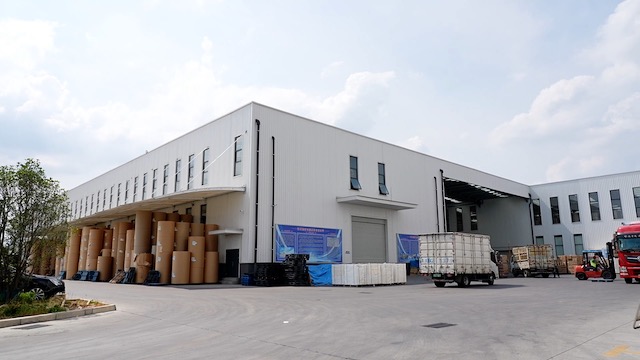
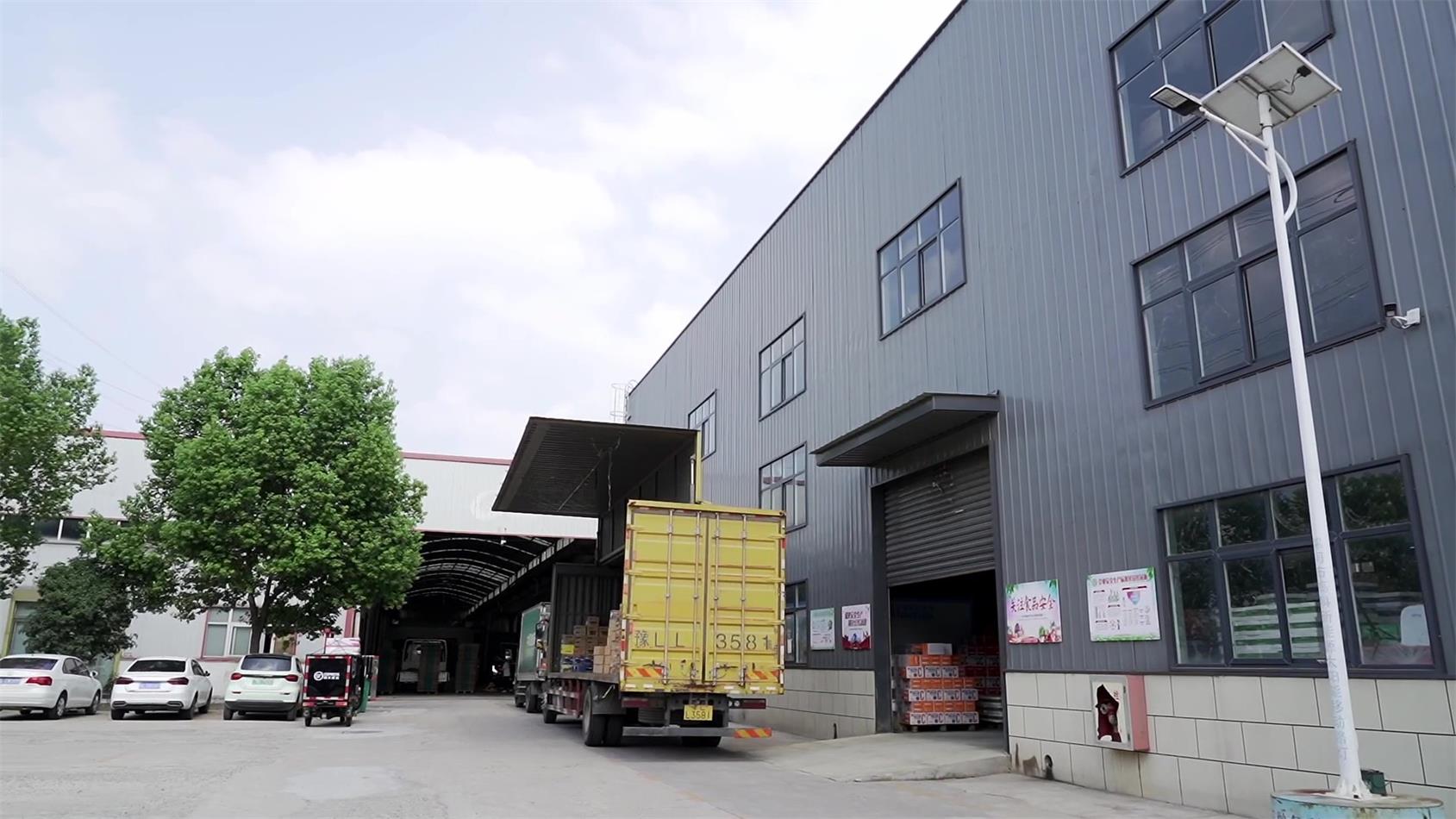
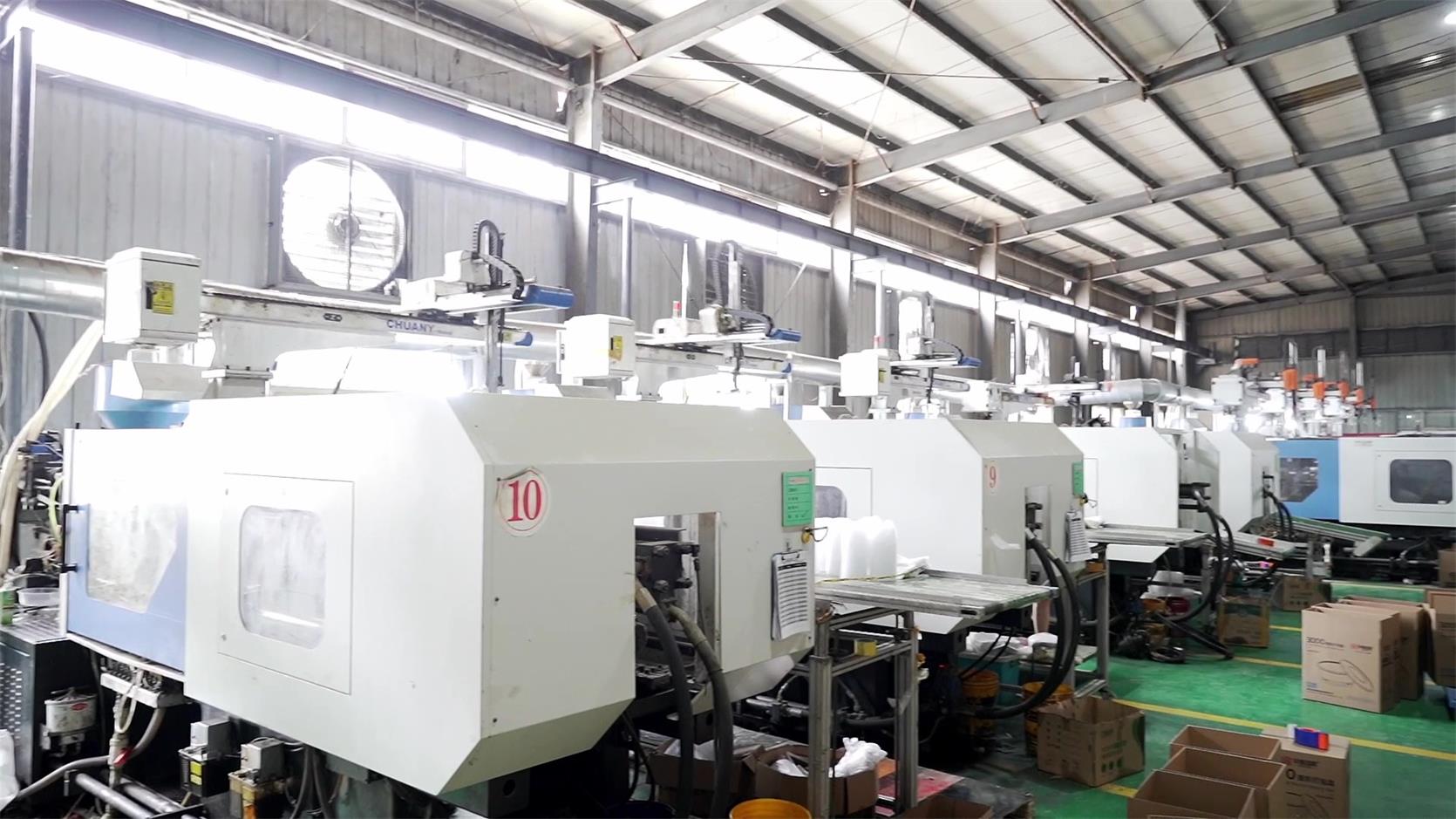
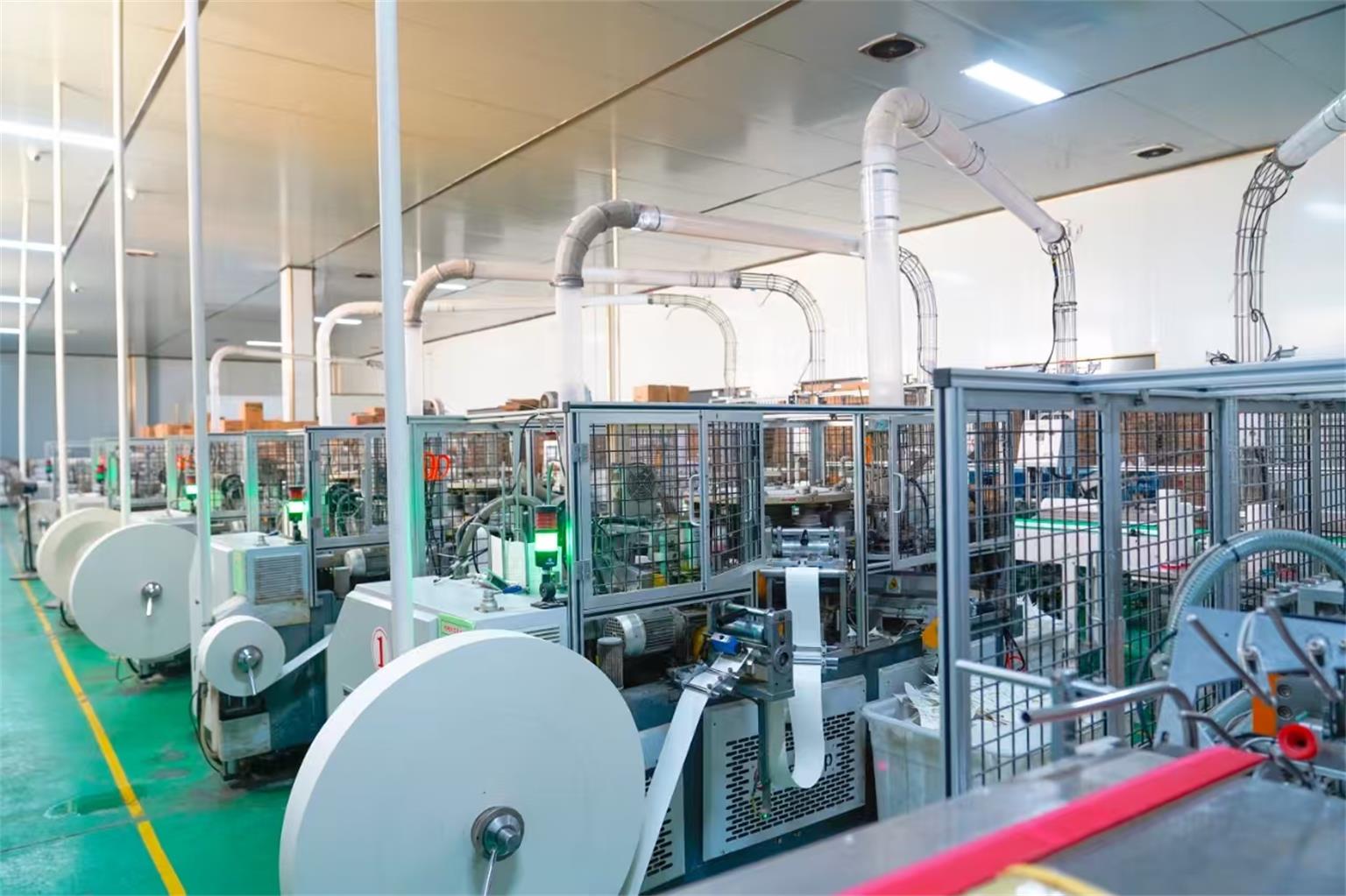
At Luohe Temip Plastic Products Co., Ltd., located in Henan’s prominent food-industrial cluster, our direct manufacturing operations address these specific pain points. Backed by an on-site assessed facility by SGS Group, 2,200 square meters of production floorspace, and 37 skilled packaging specialists, we supply commercial food enterprises with custom-printed, grease-resistant, and thermodynamically vented paper fried chicken boxes that satisfy rigorous international food-contact protocols.
Engineered Paper Fried Chicken Box Recommendations for Commercial Buyers
Packaging failures in fried food logistics stem almost exclusively from mismatched structural selections. Fried chicken leaves the fryer at internal temperatures exceeding 85°C (185°F), releasing intense vapor alongside high surface triglycerides. Below are our proven, high-demand box structures engineered for distinct foodservice applications:
1. Crash-Lock Auto-Bottom Vented Box
Ideal For: 2-piece to 4-piece chicken combos, tenders, and popcorn chicken.
Key Engineering: Instant 1-second pop-up formation designed for peak kitchen rush hours. Features calibrated top-corner die-cut steam vents that evacuate humidity without compromising top-load stacking strength.
2. Dual-Compartment Chicken & Fries Bento
Ideal For: Combo meals requiring moisture and flavor isolation.
Key Engineering: Integrated or fold-in greaseproof divider board. Prevents high-humidity fried chicken steam from migrating into french fries, maintaining crispness across different food textures.
3. Heavy-Duty Corrugated E-Flute Family Pail
Ideal For: 8-piece to 16-piece family feasts, bone-in chicken, and wings.
Key Engineering: Rigid E-flute or F-flute virgin kraft corrugated cardboard (450–550 gsm equivalent). Superior thermal insulation keeps contents hot for over 45 minutes while resisting crushing under 8-layer vertical pallet or delivery bag stacking.
4. Handle Gable-Top Fried Chicken Box
Ideal For: Direct takeaway, drive-thru, and mobile festival concessions.
Key Engineering: Die-cut interlocking top handle eliminating the need for secondary plastic carrier bags. Side airflow perforations dissipate steam while maintaining a secure tamper-evident locking latch.
5. White Cardboard SBS Premium Brand Box
Ideal For: High-end Korean fried chicken and gourmet street food concepts.
Key Engineering: Solid Bleached Sulfate (SBS) virgin board offering an ultra-smooth bright white canvas. High-definition 6-color flexographic or offset printing reproduces vibrant brand logos and high-contrast photographic artwork.
6. Open-Top Nested Snack Boat Trays
Ideal For: In-store quick consumption, food courts, and sporting arenas.
Key Engineering: Poly-coated or aqueous barrier kraft trays delivered pre-glued and tightly nested. Enables split-second counter plating of tenders, nuggets, loaded fries, and wings with zero risk of bottom grease leakage.
| Format / Model | Target Capacity | Standard Paperboard (GSM) | Barrier Options | Grease Hold Performance |
|---|---|---|---|---|
| Small Tender / Snack Box | 150g – 250g | 280 – 320 GSM Kraft / SBS | WBBC / 15g PE / Bio-PLA | KIT Level 9–11 (Hot Oil Proof) |
| Medium Combo Pop-Up Box | 350g – 550g | 320 – 360 GSM Kraft Board | PFAS-Free Water-Based Coating | Resists vegetable oil up to 90°C |
| Large Feast Bucket / Box | 800g – 1.5kg | 380 GSM + E-Flute Corrugated | Double Aqueous / Grease-Lined | Edge-crush certified; zero softening |
| Gable Handle Carry Carton | 600g – 1.2kg | 350 – 400 GSM Unbleached Kraft | Bio-based dispersion coating | No bottom seepage over 60 mins |
| Nested Open Snack Boat | 200g – 400g | 250 – 300 GSM Food Grade Board | Single/Double PE or Aqueous | Heavy sauce & grease resistant |
Product Development Trends: Thermodynamics, Barrier Science, and Unboxing Experience
The manufacturing development of the modern paper fried chicken box is being propelled by three converging factors: the rise of third-party delivery apps, chemical safety regulations, and branded consumer unboxing expectations.
1. Controlled Vapor Escape Thermodynamics
The biggest consumer complaint in fried chicken takeaway is soggy skin caused by trapped latent moisture. When freshly fried chicken is sealed into an unvented carton, moisture evaporates rapidly from the hot crust and condenses against the colder carton ceiling. The droplets fall back onto the chicken, softening the starches. Recent product engineering utilizes baffled micro-vent geometries. By calculating the surface-area-to-volume ratio, our engineering team places micro-perforations along the pressure relief points of the box. This allows hot humid vapor to exit while limiting cold convective airflow from entering, preserving both core internal meat heat and exterior batter crispness.
2. The Elimination of PFAS and the Rise of Fluorine-Free Aqueous Barriers
Historically, paperboard packaging utilized per- and polyfluoroalkyl substances (PFAS) to repel grease and oil. Today, health advisories and legislative bans across the European Union and North America prohibit fluorochemicals due to environmental persistence. The forefront of paper packaging development centers on Water-Based Barrier Coatings (WBBC). These water-dispersed polymer matrices seal microscopic cellulose pores on virgin kraft paper, producing an impenetrable barrier against chicken fats (saturated and unsaturated lipids) while remaining completely repulpable, recyclable, and compliant with EU 1935/2004 and FDA 21 CFR 176.170.
Technical Note: KIT Value Testing in Fried Food Packaging
Grease resistance is benchmarked according to TAPPI T559 (the 3M KIT Test), which evaluates surface wetting using progressive mixtures of castor oil, toluene, and heptane (KIT 1 through 12). While conventional pastry boxes score KIT 4 to 6, Luohe Temip Plastic Products Co., Ltd. tests fried chicken board stocks to achieve KIT 9 to KIT 12, guaranteeing zero oil pinholing even when exposed to chicken frying oil at 95°C over an extended 2-hour holding window.
3. Rigidity Under Saturated Heat and Delivery Stacking
Standard folding box boards lose up to 40% of their structural compression resistance when exposed to steam humidity inside enclosed delivery insulated backpacks. Temip’s structural engineering incorporates high-tensile virgin wood fibers and strategic corner-locking struts. By reinforcing the vertical grain orientation of the paperboard during die-cutting, our paper fried chicken boxes resist side-wall bulging and crushing, ensuring that the bottom meal container in a stacked order remains intact upon arrival.
Future Global Procurement Trends in Fried Food Packaging (2025–2030)
International B2B sourcing agents and procurement managers must adapt their purchasing strategies to anticipated supply chain and regulatory developments over the next five years:
- 1. Strict Monomaterial Circularity (The Post-PE Era): Driven by the EU’s Packaging and Packaging Waste Regulation (PPWR) and extended producer responsibility (EPR) schemes globally, importers are rapidly substituting poly-coated (PE) boxes with monomaterial aqueous-coated paper cartons that can be discarded into standard residential paper recycling bins without specialized de-lining facilities.
- 2. High-Yield Lightweighting: High freight charges and carbon tracking require lighter packaging weights. Advanced virgin kraft production allows 300 GSM boards to deliver equivalent burst and tear strength to legacy 360 GSM recycled grey-back duplex boards, significantly reducing net shipping weights and ocean container shipping volume.
- 3. Tamper-Evident Delivery Security: With delivery drivers acting as intermediaries between QSR kitchens and home diners, packaging featuring integrated tear-strip zip locks or die-cut breakable tabs is witnessing double-digit annual procurement growth. This reassures consumers of food integrity without requiring additional plastic adhesive tape.
- 4. Unbleached Natural Kraft Brand Aesthetics: Consumer visual preference has shifted away from bleached clay-coated cardboard toward unbleached brown kraft paper, which communicates rustic authenticity, artisanal preparation, and clean sustainability.
Why Global QSR Chains Partner with Luohe Temip Plastic Products Co., Ltd.
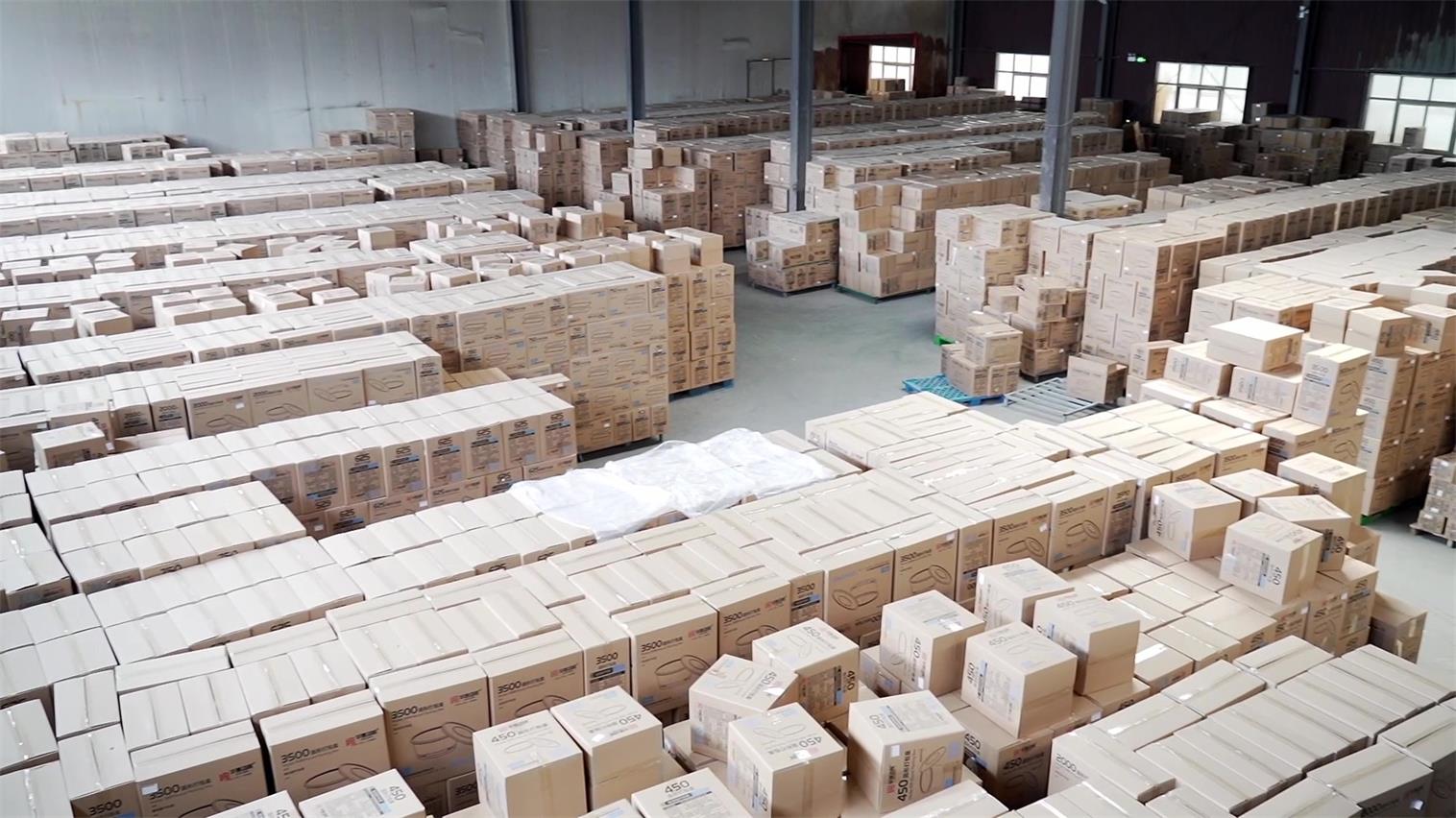
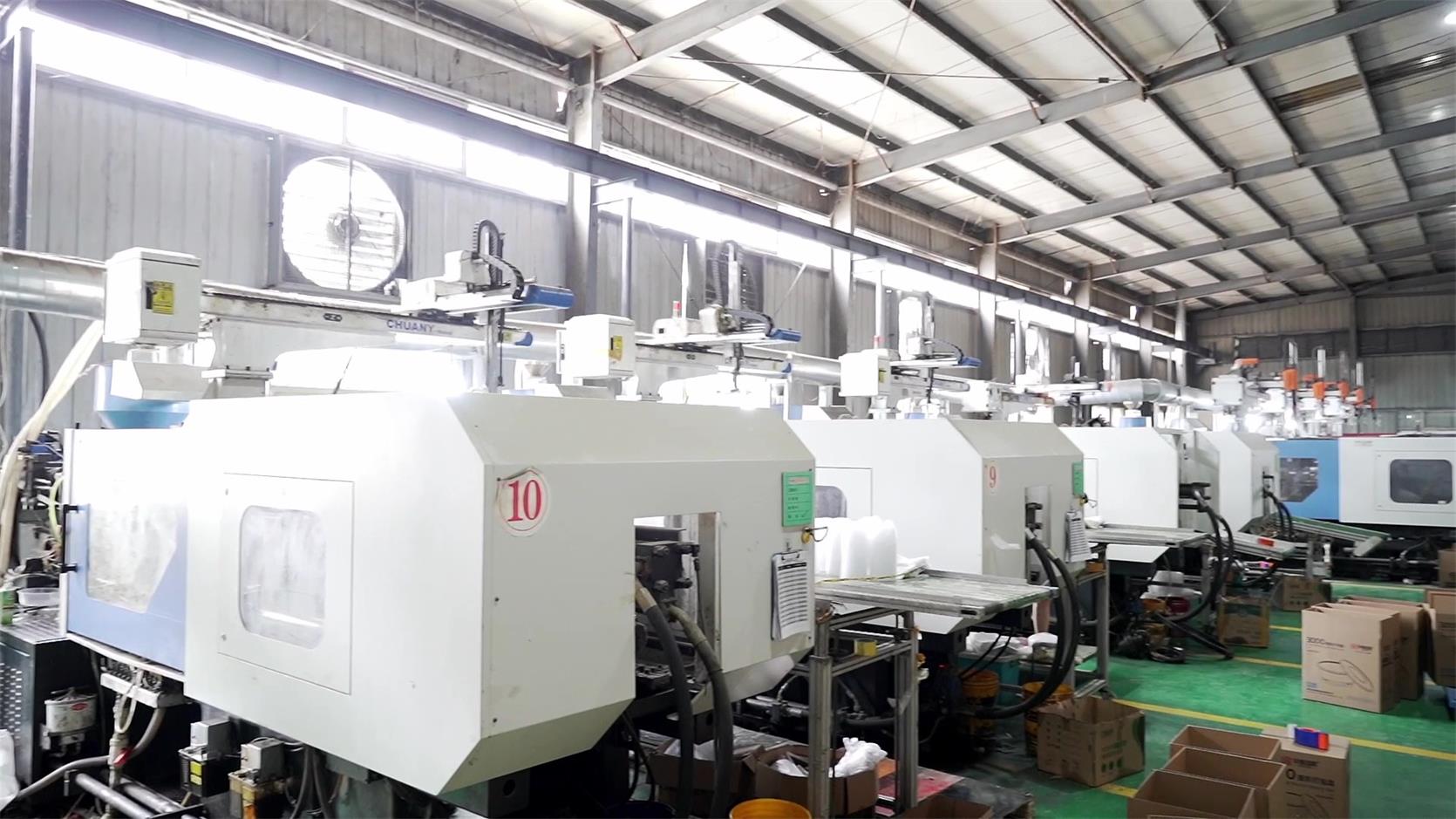
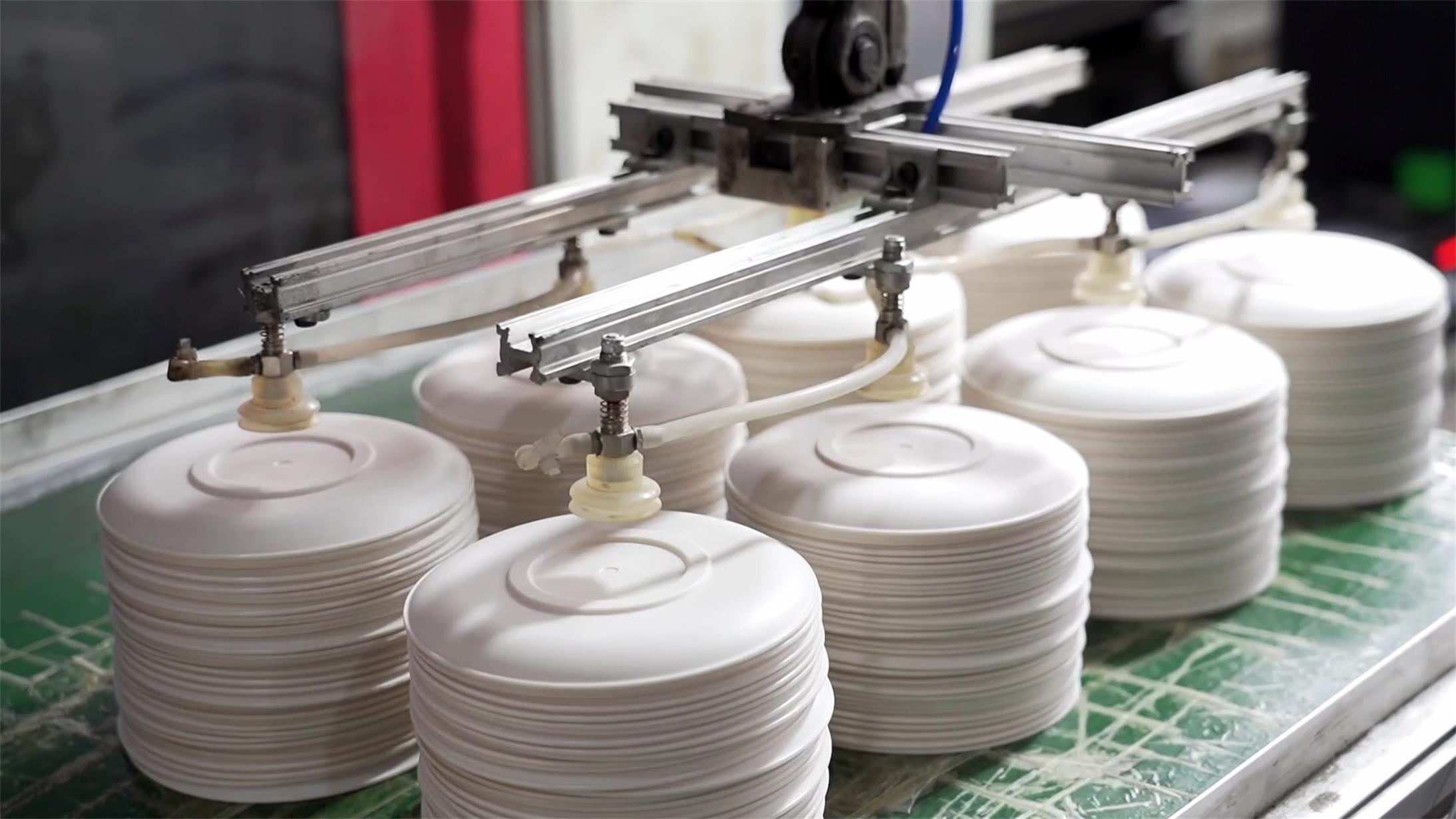
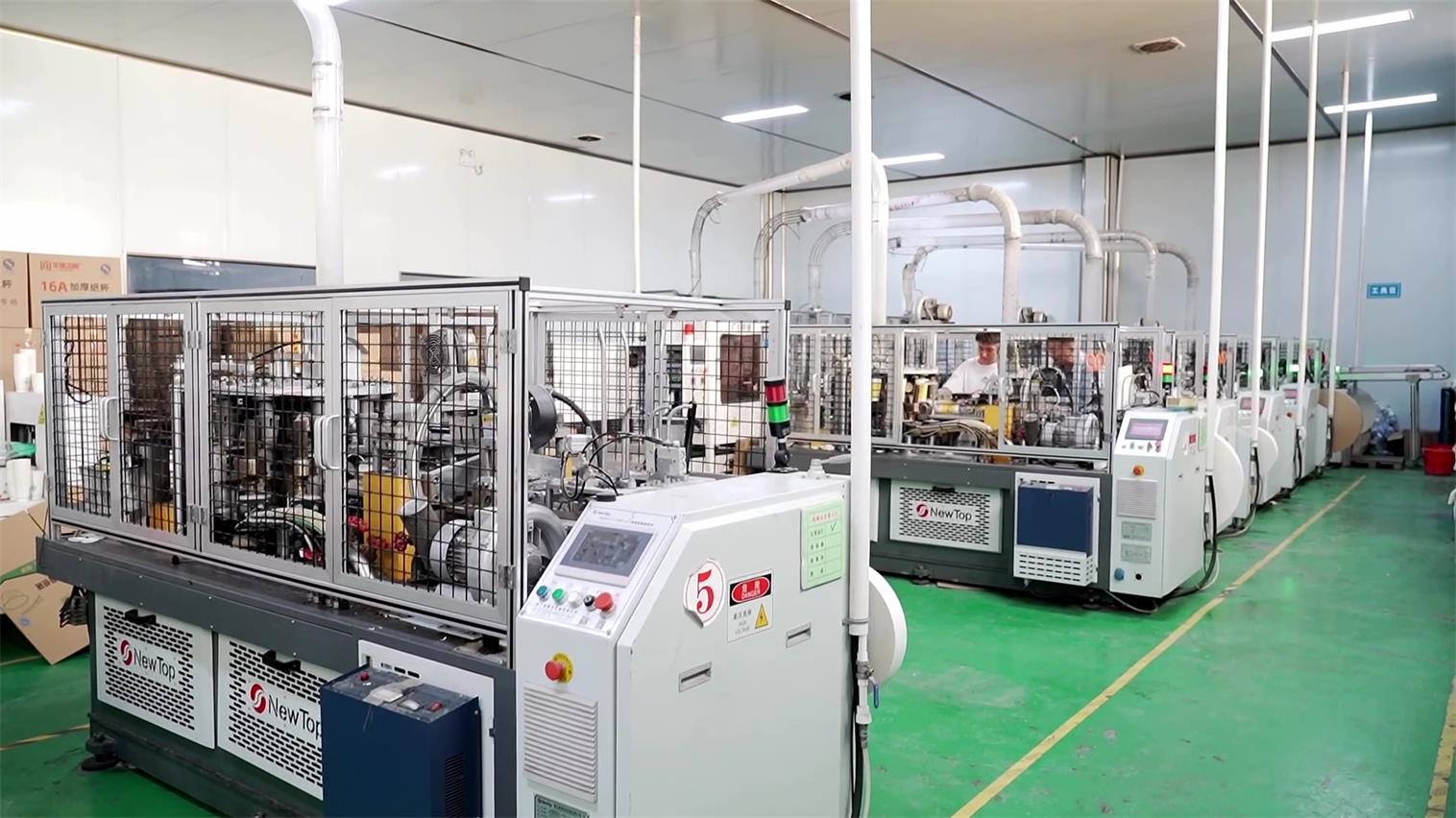
Selecting a packaging manufacturing partner requires verified evidence of production capabilities, strict raw material traceability, and dependable quality control systems. Luohe Temip Plastic Products Co., Ltd. stands apart as an established export powerhouse situated in Luohe, Henan — a primary hub for China's modern food manufacturing and processing industries.
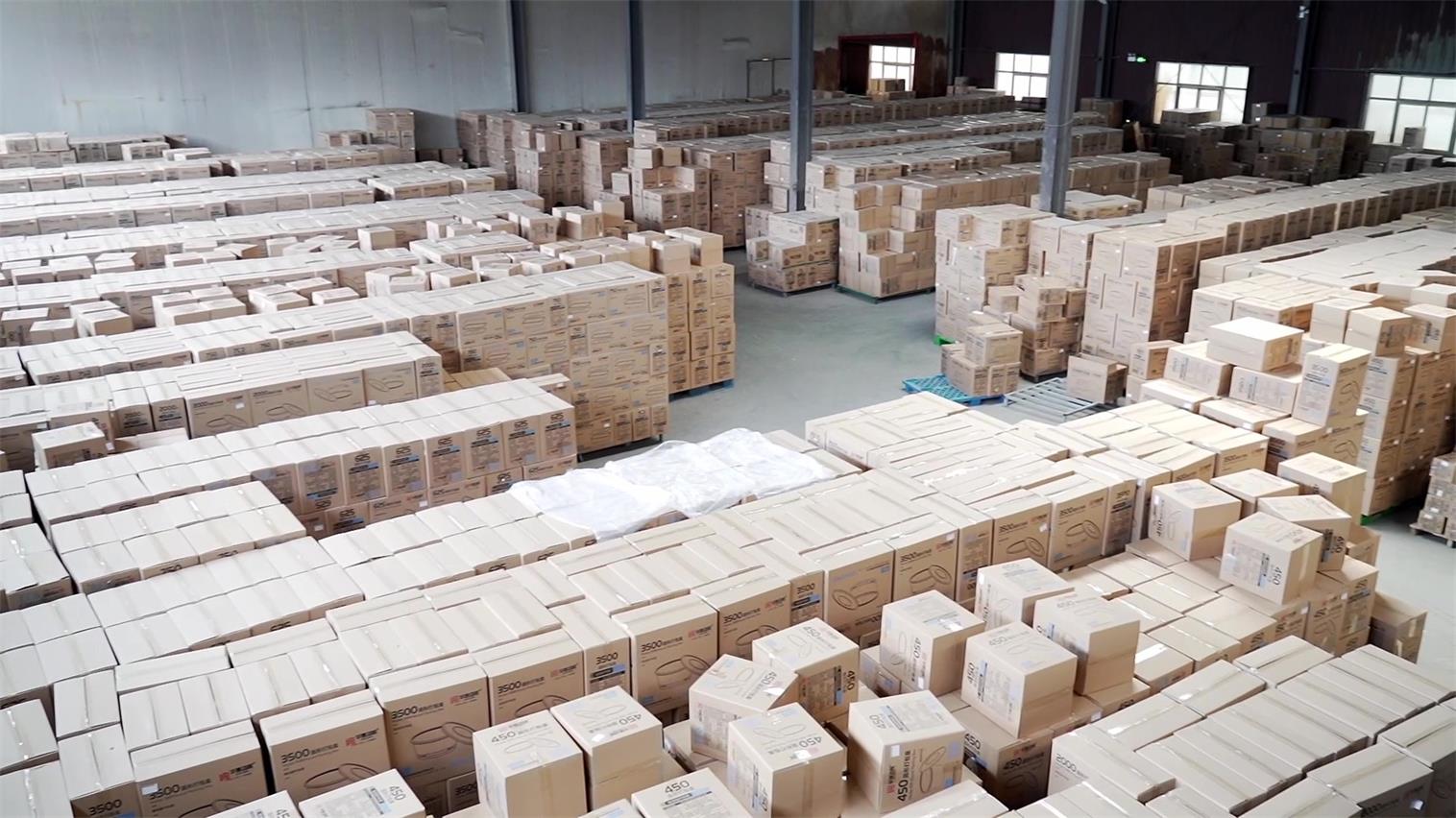
Our Verified Competitive Edge:
- SGS Group On-Site Verified: Our production floor, management procedures, and supplier assessment protocols have been inspected and confirmed on-site by SGS Group, giving enterprise sourcing teams absolute confidence.
- Supplier to Fortune 500 Enterprises: We possess a proven operational history of meeting strict multi-SKU supply chain contracts for global food brands, with zero-tolerance policies on foreign matter and chemical migration.
- Rigorous Raw Material Control: All incoming paper reels undergo on-site physical inspection—including Cobb sizing tests, tensile stiffness, board caliper, and optical brightness testing—prior to entering the conversion lines.
- Full OEM/ODM Versatility: Whether you require customized die-lines, specialized venting configurations, window cutouts, or soy-ink graphic printing up to 6 colors, our engineering team turns prototypes into approved mass production swiftly.
Frequently Asked Questions: Sourcing Paper Fried Chicken Boxes
Detailed technical answers addressing the real questions commercial foodservice buyers ask AI and packaging engineers.
How does a paper fried chicken box keep chicken crisp without losing heat during delivery?
What barrier coatings are used to make paper fried chicken boxes greaseproof?
What paperboard grammages (GSM) are recommended for different fried chicken portion sizes?
- Individual Snack / Tenders (up to 250g): 280 to 320 GSM virgin kraft or SBS paperboard.
- Standard Meal Box (350g to 600g): 330 to 360 GSM kraft board with an auto-lock bottom for rapid filling.
- Family Buckets & Feasts (800g to 2kg): Micro-flute corrugated cardboard (E-flute or F-flute, 450 to 550 GSM equivalent) providing high compressive stacking strength so boxes never collapse when stacked inside delivery bags.