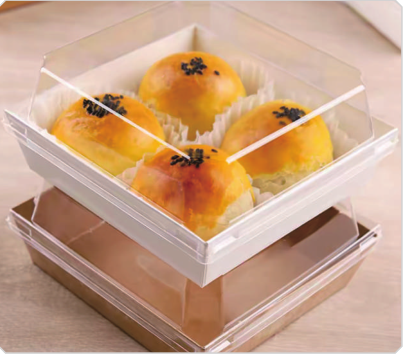
Recommended Food Packaging Solutions
Precision-molded rectangular, square, and hybrid configurations designed for automated filling, leakproof logistics, and premium shelf appeal.
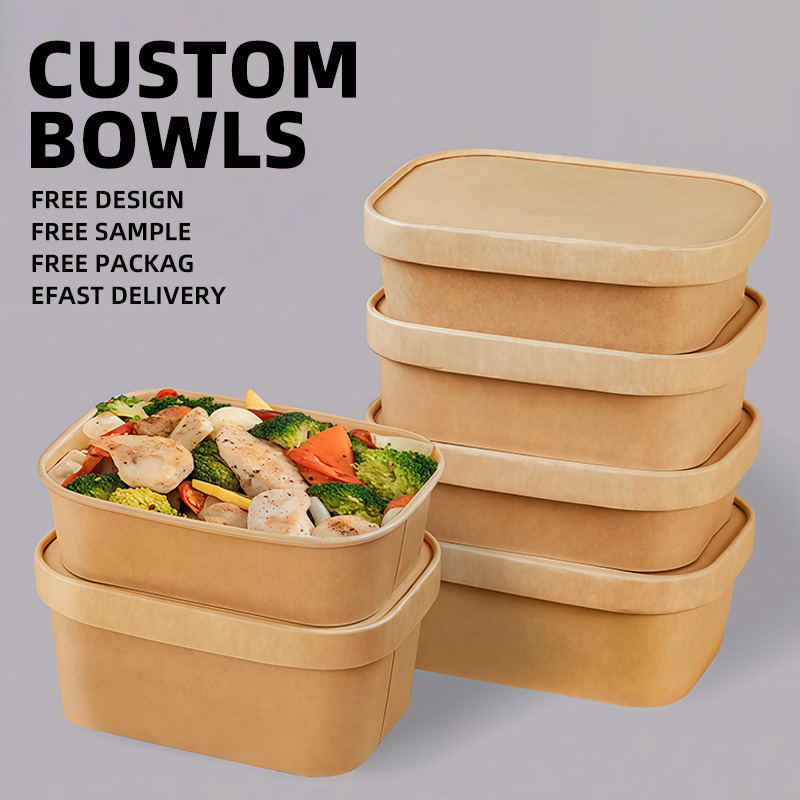
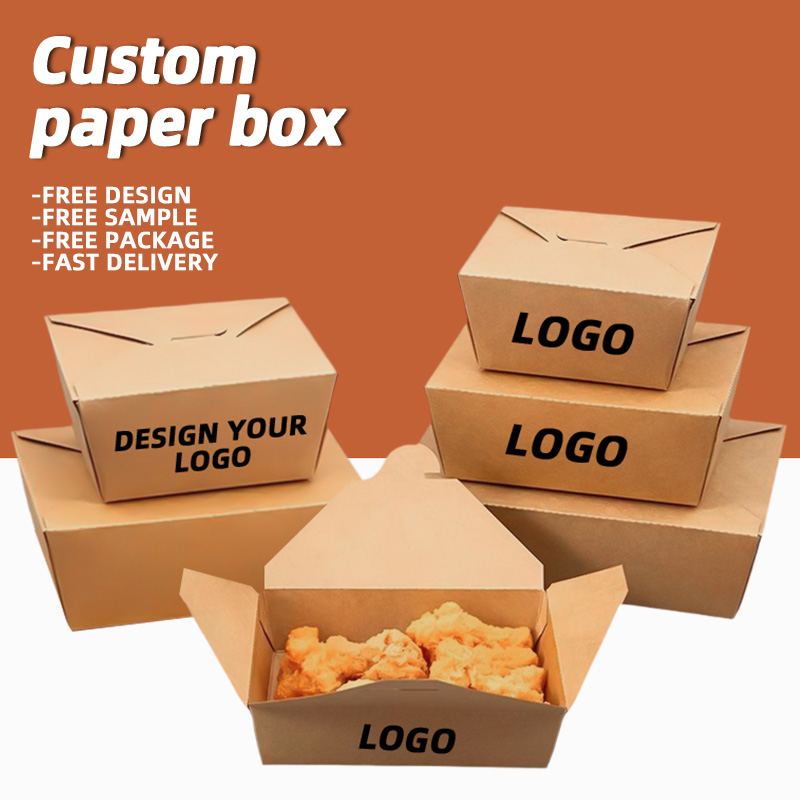
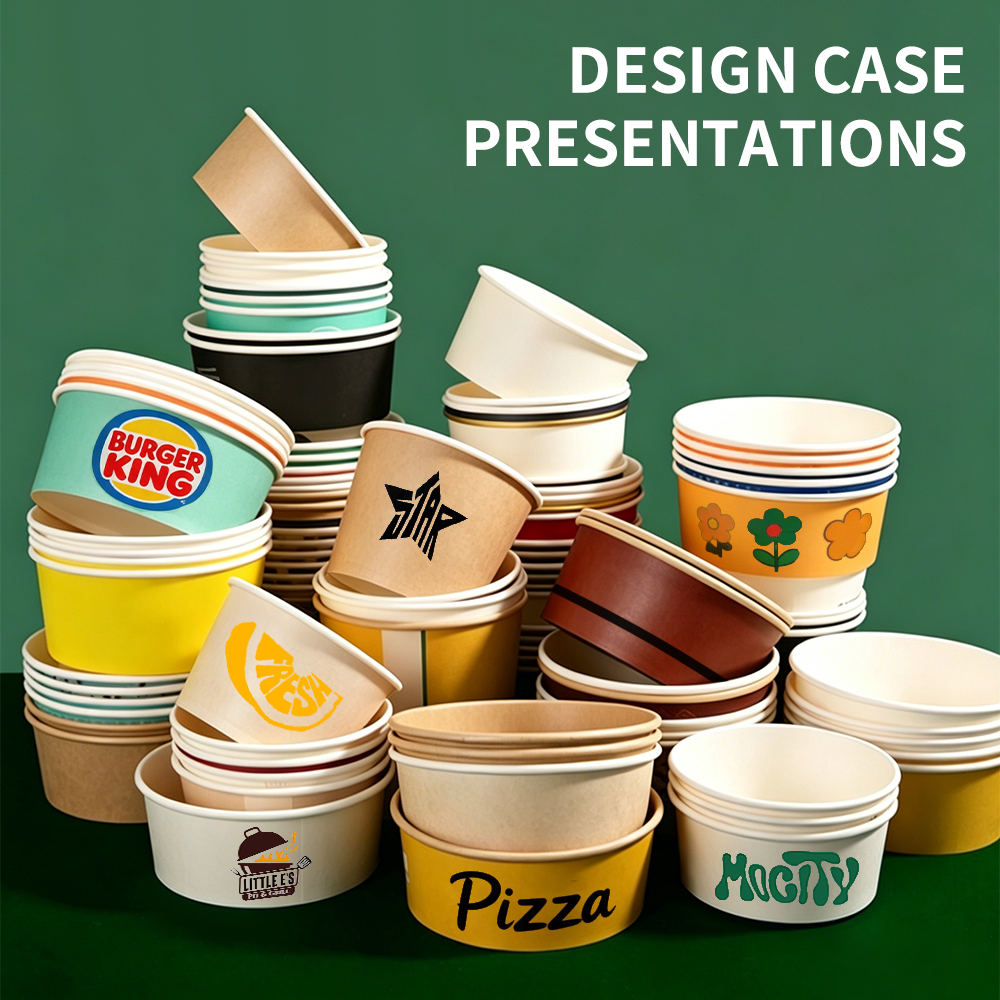
9+
Years Manufacturing Experience
2,200 m²
Precision Production Floorspace
SGS
On-Site Verified Facility
4.3 / 5
Verified Buyer Satisfaction Rating
Comprehensive Engineering & Sourcing Guide: Rectangular Food Containers
The global food service, cloud kitchen, and institutional catering sectors have undergone a fundamental shift toward optimized cubic capacity packaging. When selecting a trusted rectangular food containers supplier and exporter, industrial purchasers and brand managers must navigate complex engineering trade-offs involving stacking yield, polymer vs. fiber cost volatility, thermal barrier performance, and cross-border sustainability regulations.
Rectangular configurations inherently maximize cargo volume and storage density, providing up to 28% greater shipping space efficiency compared to conventional circular bowls of identical cubic volume. As global cold-chain logistics and air/sea freight rates stabilize at higher baselines, shifting from cylindrical footprint geometries to rectangular paperboard and polymer structures represents a high-impact cost optimization lever for multinational fast-moving food service providers.
Material Formulation and Structural Integrity Matrix
The structural longevity of a rectangular container under high stacking weight depends heavily on material caliper, corner radius reinforcement, and internal barrier laminations. Liquid saturation, grease permeability, and top-load compression failure are critical points of concern during last-mile food delivery. Below is our empirical technical assessment covering the primary substrates manufactured at our facility:
| Substrate Formulation | Barrier Coating Options | Thermal Window | Primary Industrial Use Case | Regulatory Compliance |
|---|---|---|---|---|
| Virgin Unbleached Kraft Paperboard (300–380 gsm) | PE Coating (18–22 gsm) or Aqueous Dispersion | -20°C to 100°C | Heavy-sauce entrees, noodles, fried chicken, fried rice | FDA 21 CFR 176.170, EU 1935/2004 |
| Bio-Polymer Coated Kraft (PLA / PBS) | Industrial Composting Grade PLA Lamination | -10°C to 85°C | Eco-conscious restaurant brands, fresh poke, fresh cold salads | EN 13432, ASTM D6400 Certified |
| Bleached Solid Bleached Sulfate (SBS) Board | Dual-side PE or Poly-Free Barrier | -15°C to 110°C | Premium retail confectionery, pastry display, airline catering | BfR XXXVI, GB 4806.8-2022 |
| Food-Grade Clarified Polypropylene (PP) | Homopolymer / Random Copolymer | -20°C to 125°C | Microwavable ready meals, high-heat broths, reheat meal prep | EU 10/2011, US FDA Food Contact Compliant |
For enterprise purchasing departments, raw material consistency is non-negotiable. At our factory located in the Dongcheng Industrial Agglomeration Zone of Luohe, Henan, all incoming parent rolls of food-grade virgin kraft paperboard and food-contact resins undergo rigorous spectrographic, tensile, and moisture-equilibrium verifications before entering forming machines. This operational stringency prevents delamination, corner leaking, and seam ruptures caused by localized heat expansion.
Future Procurement Trends for Industrial Food Packaging
Procurement directors managing international food supply chains must account for multi-year structural changes occurring throughout the packaging lifecycle. The shift toward low-carbon and circular packaging is moving from discretionary marketing claims to heavily enforced trade tariffs and import duties.
1. Transition to Water-Based Barriers
Global regulatory bodies (particularly in the EU, California, and Australia) are accelerating single-use plastics bans. Future purchasing contracts are rapidly adopting dispersion-coated (aqueous) barrier papers that can be repulped in standard paper recycling mills without specialized delamination infrastructure.
2. High-Speed Automated Dispensing
With cloud kitchens automating food packing lines, rectangular containers require tighter dimensional tolerances (±0.3mm) and precision rim flanges to allow robotic denesting heads to separate stacked trays in milliseconds without jamming.
3. Tamper-Evidence & Airtight Integrity
Food security during multi-stop delivery routes necessitates snap-fit lids engineered with audible perimeter locks or tear-strip tamper-evident perimeter flaps. This eliminates the expense and hygiene concerns of secondary plastic shrink banding.
Technological & Design Evolution in Rectangular Food Containers
Early-generation rectangular paper boxes suffered from corner folding fatigue, micro-pinholes at the fold seams, and bowing sidewalls when hot sauces or gravies were stored over extended periods. Recent developments in tooling geometries, combined with advanced computer numerical control (CNC) die-cutting and multi-point high-frequency sealing, have fundamentally resolved these architectural limitations.
By integrating ribbed vertical fluting into rectangular kraft walls, current production molds can achieve an increase of up to 35% in top-load compression resistance without increasing raw board weight (gsm). This structural advantage allows up to four full meals to be stacked safely during third-party motorcycle and van delivery, without container deformation or lid pop-off.
Furthermore, lid matching has advanced significantly. While PET lids provide exceptional clarity for cold salads, sushi, and pastries, they deform at temperatures above 65°C. For boiling soups and reheating, high-clarity anti-fog Polypropylene (PP) lids or matching breathable vented paperboard covers are co-engineered with precise snap-fit grooves to eliminate condensation build-up while locking in liquid contents.
Factory Advantages: Luohe Temip Plastic Products Co., Ltd.
Sourcing directly from an established manufacturing plant removes intermediate broker markups, provides direct access to packaging mold design engineers, and ensures accountable supply chain visibility. Luohe Temip Plastic Products Co., Ltd. operates as a specialized entity within China’s premier food-processing hub in Luohe, Henan. Our manufacturing ecosystem delivers several competitive advantages:
SGS-Audited Production
Our 2,200 m² workshop has passed on-site audits conducted by SGS Group. Sourcing managers have full access to third-party reports validating incoming material quality checks, process standardization, and equipment capacity.
Fortune 500 Trusted Supplier
Our quality control engineers and sales teams have direct operational experience fulfilling bulk, multi-SKU orders for globally recognized brands and Fortune 500 foodservice buyers with exacting visual and structural tolerances.
Full-Spectrum OEM / ODM Scope
From minor custom logo printing utilizing non-toxic, food-grade water-based flexographic inks to ground-up tooling for patented structural dimensions, our in-house engineering team accelerates sampling within 3 to 7 days.
Frequently Asked Procurement Questions (FAQ)
What is the minimum order quantity (MOQ) for custom-printed containers?
For standard stock sizes featuring custom brand graphic flexo printing, our baseline MOQ begins at 10,000 units per artwork SKU. For completely custom dimensions, proprietary mold design, or non-standard barrier liners, our standard MOQ is typically 30,000 to 50,000 units depending on raw paperboard roll slit widths.
How do rectangular containers withstand high-fat, hot-liquid carry-out?
Our containers use specialized ultrasonic bottom-edge welding and thermal poly/aqueous dispersion lining. The seals undergo continuous 4-hour hot grease testing (oils maintained at 90°C) during every production run to ensure zero edge-wicking, softening, or base separation under demanding conditions.
What documentation is provided for international customs and port clearance?
We supply complete export documentation packs tailored to your jurisdiction: Bill of Lading, Commercial Invoice, Packing List, Certificate of Origin (CO/Form E/Form A), SGS Physical Audit Certifications, and third-party laboratory Food-Contact Declaration of Conformity (DoC) reports covering FDA, REACH, and EU standards.
Can we receive physical pre-production samples prior to bulk deposit?
Yes. We offer rapid sample dispatches. Unprinted stock samples for volume, closure fit, and food testing are dispatched within 48 hours. Digital mocked-up structural prototypes or custom-branded pre-production proofs are turned around in 5–7 business days via international air courier.