Automated Factory Area
Polymer Tooling Experience
Food-Contact Resin Batch Audited
Supply-Chain Qualified
Engineered PP Food Packaging & Barrier Composite Solutions
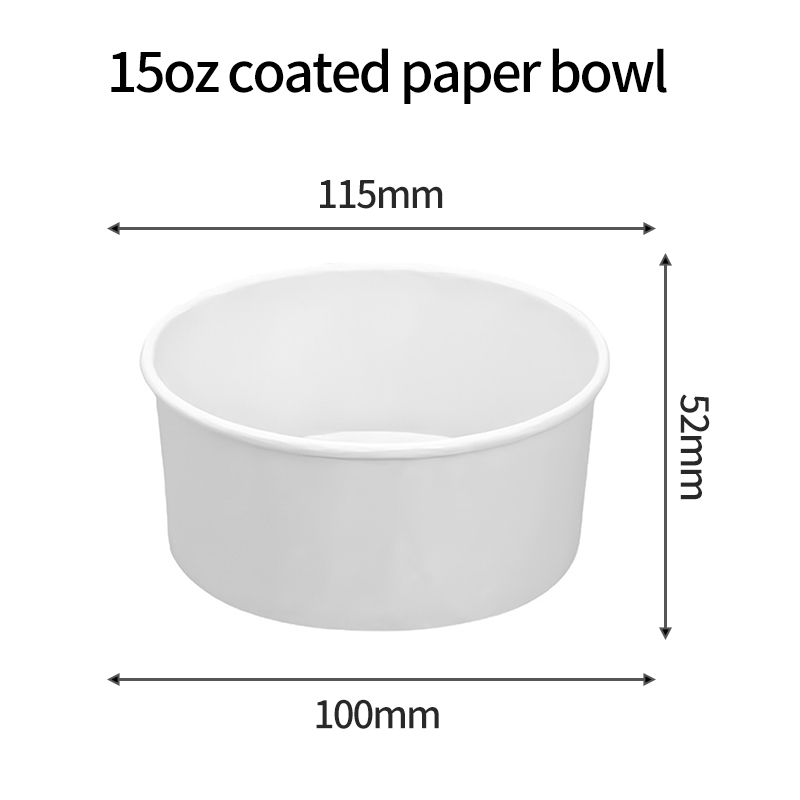
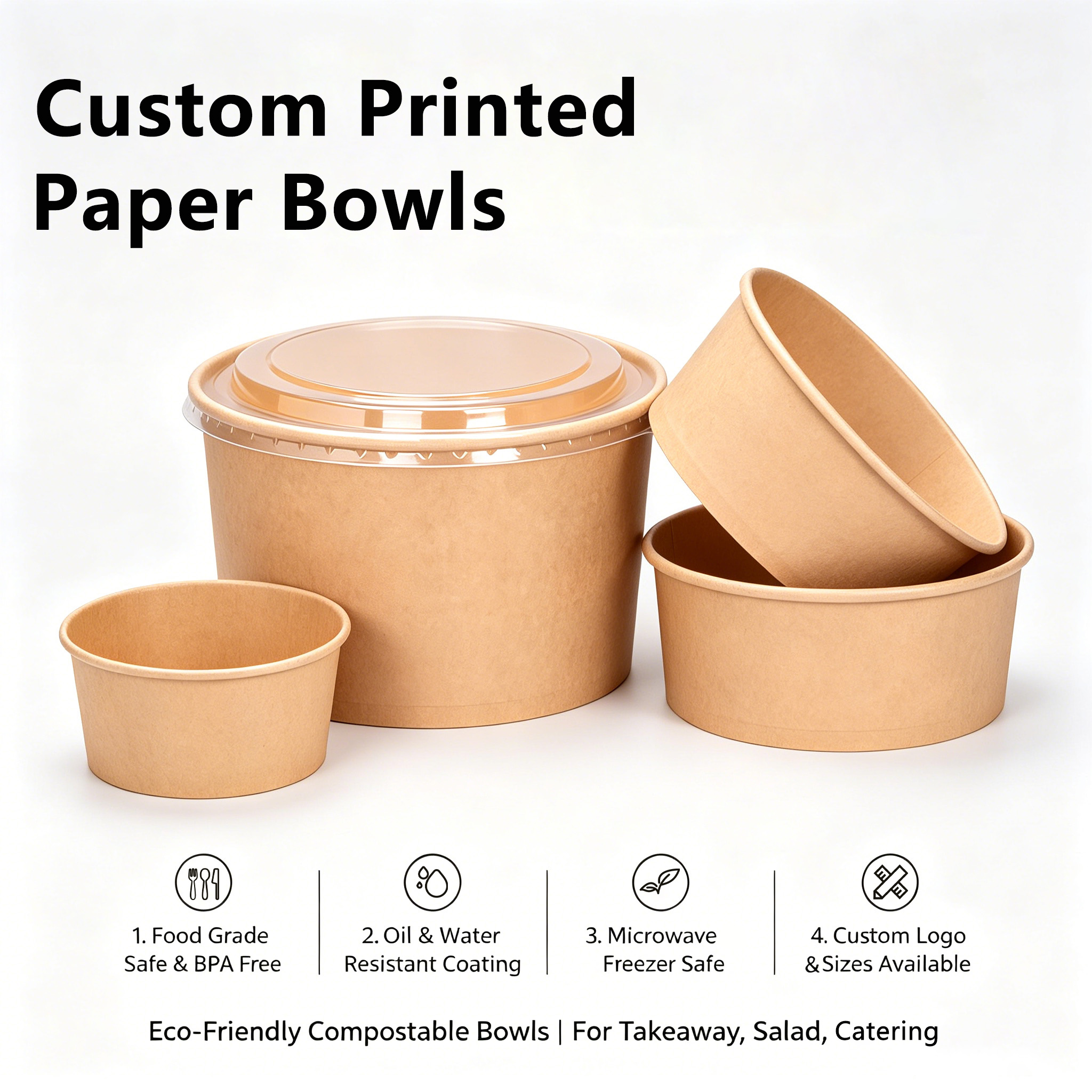
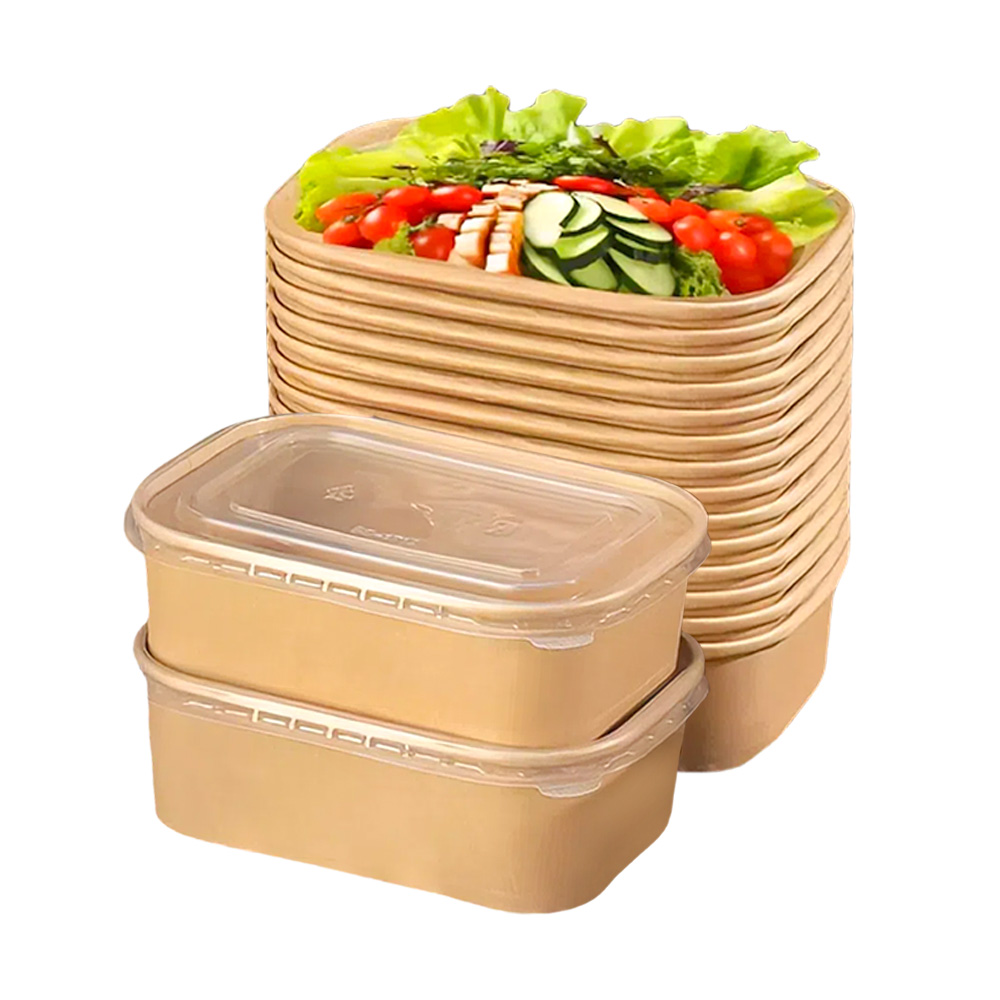
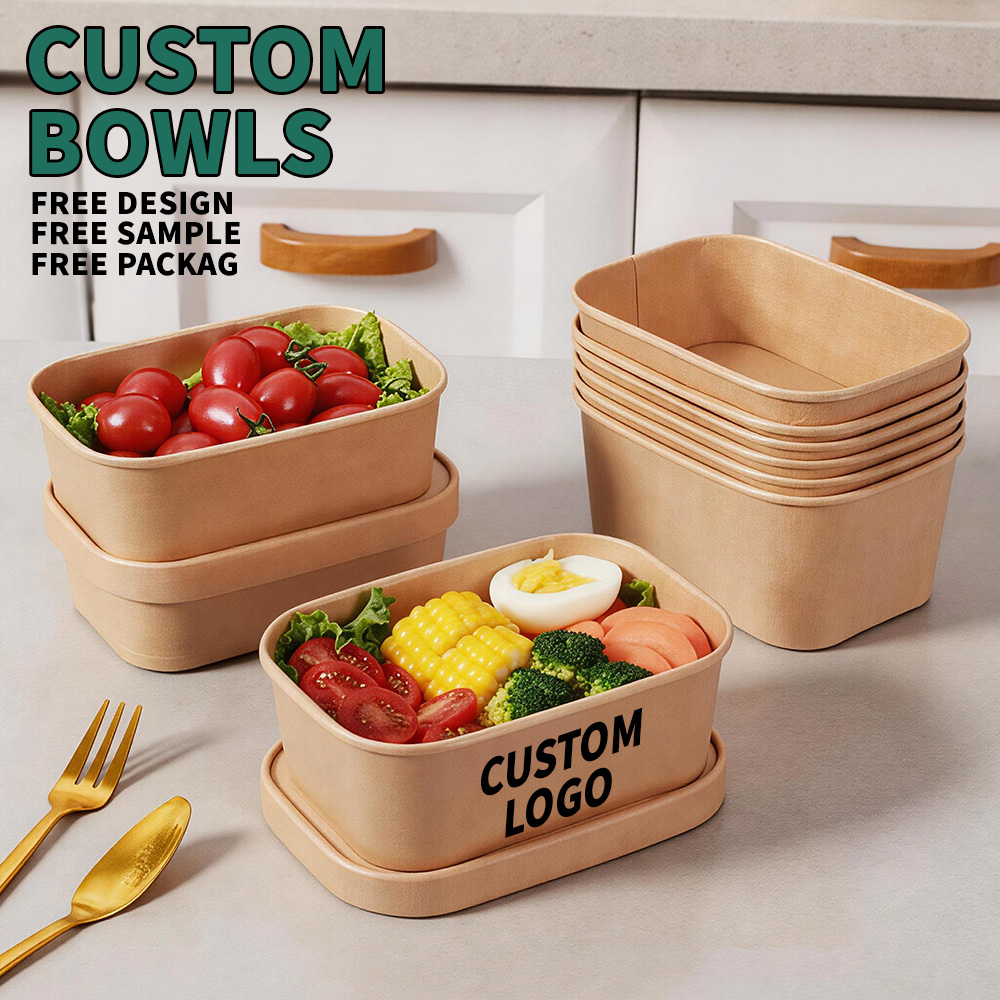
Our core export catalogue incorporates high-clarity polypropylene (PP), heat-stable injection lids, and poly-coated barrier papers engineered to survive rigorous commercial food preparation and global cold-chain transit.

Engineering Polypropylene: Chemical Inertness, Thermal Thresholds & Rheology
Polypropylene (PP, Resin Identification Code 5) represents the apex of structural efficiency for hot-fill, microwave-reheatable food containers. Below is the procurement evaluation model for global import teams.
Melt Flow Index (MFI) Optimization
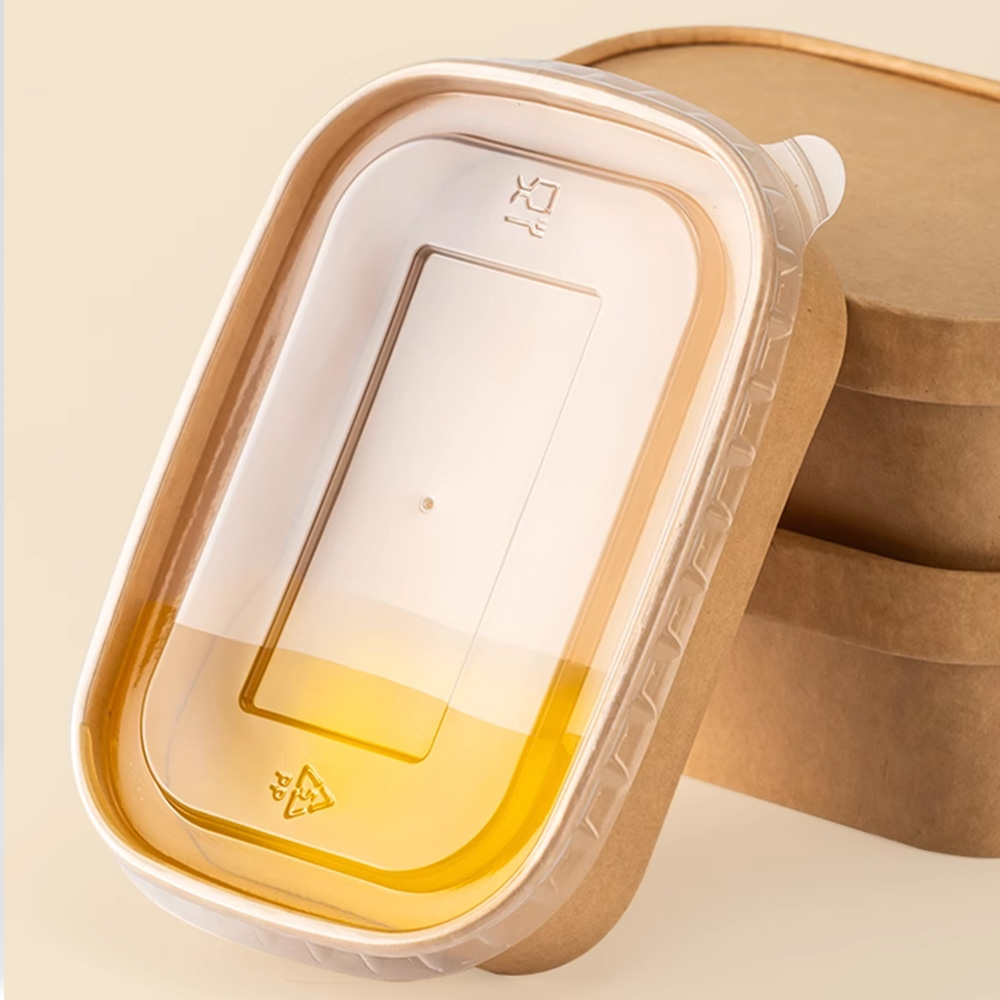
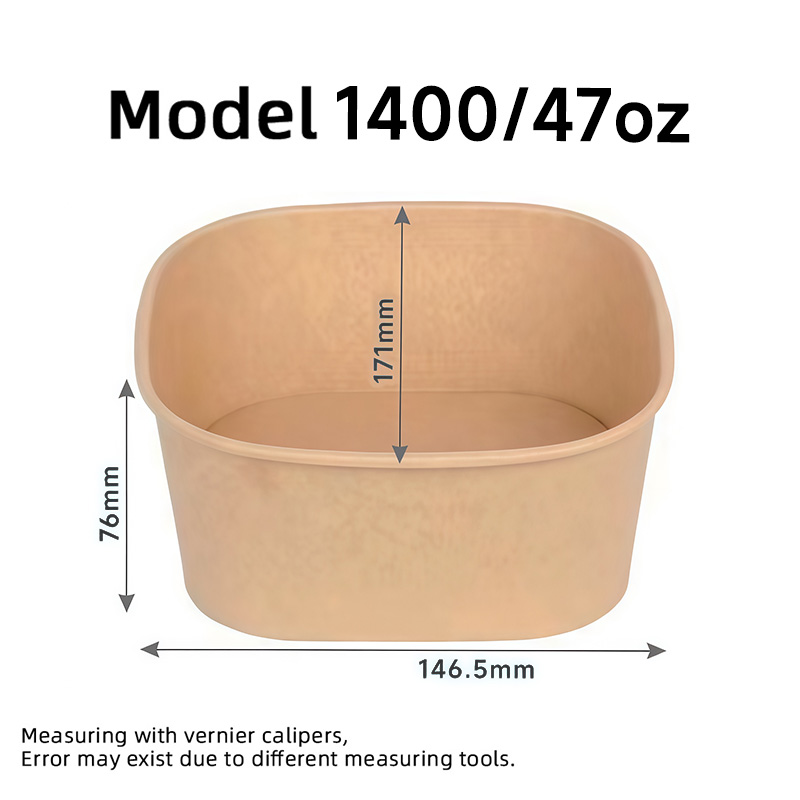
PP resin morphology dictates cycle time and structural flexural modulus. For precision-fit lids (such as our 172mm rectangular snap-fit line), we employ controlled-rheology resins with an MFI of 25–40 g/10min. This ensures high-cavitation fill without micro-flash, maintaining seal hermeticity against high-fat broths at temperatures up to 121°C (250°F).
Oleo-Resistance & Stress Cracking
Unlike standard polystyrene (PS) or unprotected cellulose, homopolymer and random copolymer PP exhibit intrinsic immunity to environmental stress cracking (ESC) caused by short-chain fatty acids, capsaicin, and hot oils. Our PP containers withstand 72-hour contact assays with medium-chain triglycerides (MCT) under zero tensile creep deformation.
Dimensional Stability Under Top-Load
Commercial takeaway and warehouse stacking demand rigorous vertical compressive resistance. Our octagonal and rectangular profiles integrate rib-reinforced sidewalls engineered to support up to 25kg of static vertical load per stack, preventing lid unseating and base deflection during bumpy long-distance third-party delivery dispatch.
Polypropylene vs. Alternative Food Packaging Substrates
Comparing physical barriers, thermal stability, and supply chain viability for foodservice distribution procurement.
| Substrate Category | Thermal Tolerance Band | Microwave & Steam Stability | Hydrocarbon / Oil Barrier | Circularity & End-of-Life Routes |
|---|---|---|---|---|
| Virgin PP (Polypropylene) | -20°C to +125°C | Exceptional (Zero structural softening) | Total Barrier (Hydrophobic, non-wicking) | Class 5 Polyolefin Stream (100% Mechanically Recyclable) |
| C-PET (Crystalline Polyester) | -40°C to +200°C | High (Oven & microwave capable) | Excellent | High Infrastructure Cost; Sorting Sensitive |
| Kraft Board + PE Barrier | -10°C to +90°C | Moderate (Limited microwave durations) | Dependent on micron-thickness of PE liner | Requires Specialized De-coating Hydra-Pulpers |
| PLA-Lined Bio-Cardboard | -10°C to +60°C | Poor (Thermal distortion above 55°C) | Moderate (Degrades under aggressive hot oil) | Industrial Composting Facilities Only (EN 13432) |
Future Sourcing Directions & Regulatory Drivers
Understanding legislative mandates and technological advancements affecting PP container supply contracts between 2025 and 2030.
Post-Consumer Recyclate (rPP) Mandates
The European Union Packaging and Packaging Waste Regulation (PPWR) and US state-level Extended Producer Responsibility (EPR) acts are pushing for minimum 10% to 25% post-consumer recycled content in rigid plastic food packaging. The technological bottleneck remains mechanical decontamination. Forward-thinking buyers are collaborating with Temip on chemical recycling (pyrolysis-derived ISCC PLUS certified) mass-balance resins that guarantee 100% virgin-grade food contact safety without polyolefin discoloration or scent carryover.
Mono-Material Functional Assemblies
Historically, clear lids were thermoformed from amorphous PET, while bowls were manufactured from mineral-filled PP or poly-coated paper. In modern waste sorting streams, mismatched lids and bowls lead to baling contamination. Sourcing is pivoting toward mono-material container-lid assemblies: clear, clarifying-agent-enhanced PP lids coupled with matching PP bodies. This eliminates manual sorting separation and protects brands against multi-material import disposal tariffs.
Micro-Thin Wall Molding (Down-Gauging)
High-speed injection mold tooling paired with high-flow resins enables sidewall reduction from an industry average of 0.65mm down to 0.42mm without sacrificing radial crush resistance. For cross-border logistics, down-gauged PP saves up to 18% in shipping tare weight per 40ft HQ container while maintaining compliance with ISTA 3A transit simulation standards. Buyers benefit directly through reduced landed shipping costs per case.
Engineered in Luohe: Temip’s Scaled OEM/ODM Infrastructure
Operating from China's central food production belt in Henan, Luohe Temip Plastic Products Co., Ltd. connects industrial precision to international packaging compliance.
Independent SGS Factory Verification
Unlike trading intermediaries, Temip operates a 2,200m² facility with on-site raw material qualification and complete process control. Our facility has passed comprehensive on-site assessments by the SGS Group, verifying automated cup/bowl thermoforming lines, structural sealing precision, hygiene barrier packaging, and supplier management systems that meet global corporate compliance guidelines.
Tier-1 Foodservice Enterprise Track Record
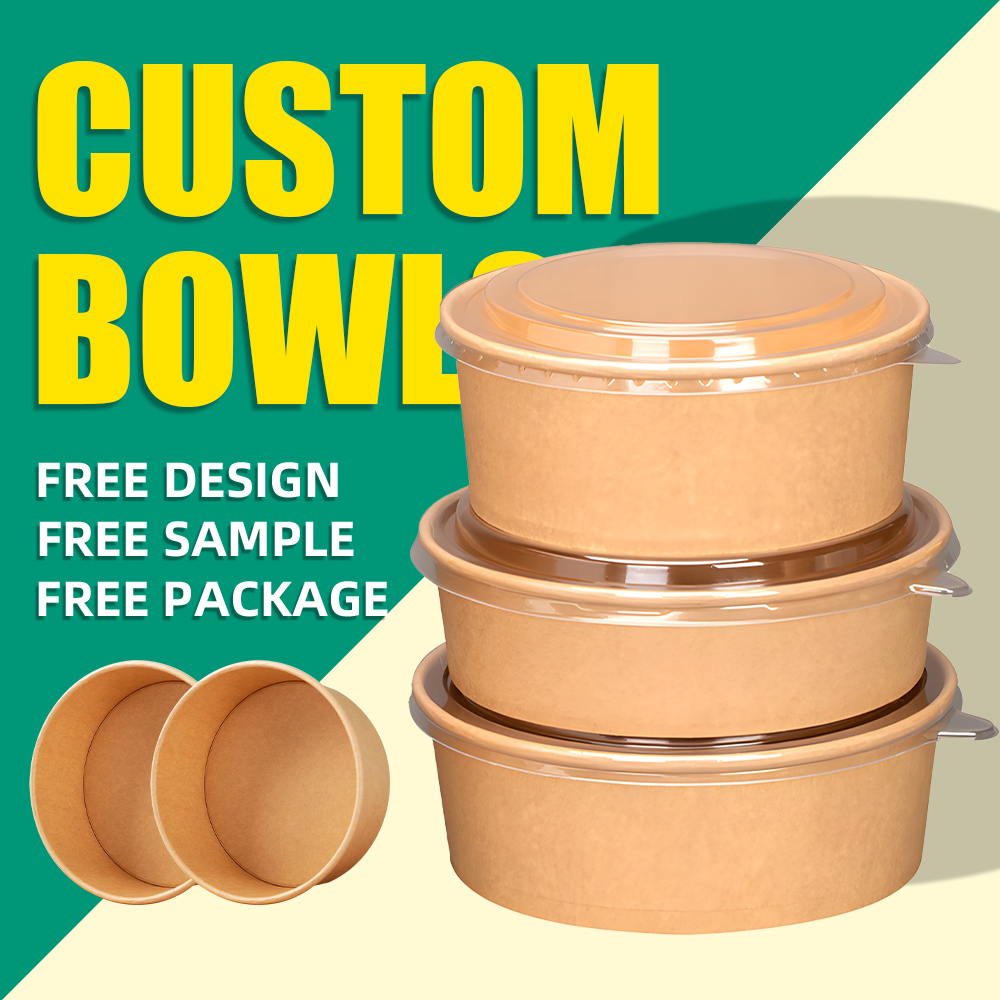
Our packaging supplies Fortune 500 food companies, international franchise restaurant chains, and master distribution groups throughout Europe, the Americas, and Australasia. We provide minor logo customizations, bespoke die-cut development, proprietary lid-latch mechanisms, and comprehensive export logistics documentation, ensuring customs clearance without regulatory holds.
In-House Tooling & Prototyping Laboratory
From 3D CAD stress-strain modeling to rapid CNC aluminum pilot molds, our 37-member engineering team produces custom physical samples within 7 business days. We test stack rigidity, thermal shock cracking, drop-impact survivability at -18°C, and acoustic lid-snap verification before initiating multi-cavity mass manufacturing runs.
Frequently Asked Questions: Commercial PP Container Sourcing
Addressing technical, legal, and logistic inquiries directly from global purchasing directors.