Production-Ready Precision Packaging Solutions
Explore our core industrial offerings engineered with precision hermetic seal tolerances, structural high-load ribbing, and certified virgin PP formulations.

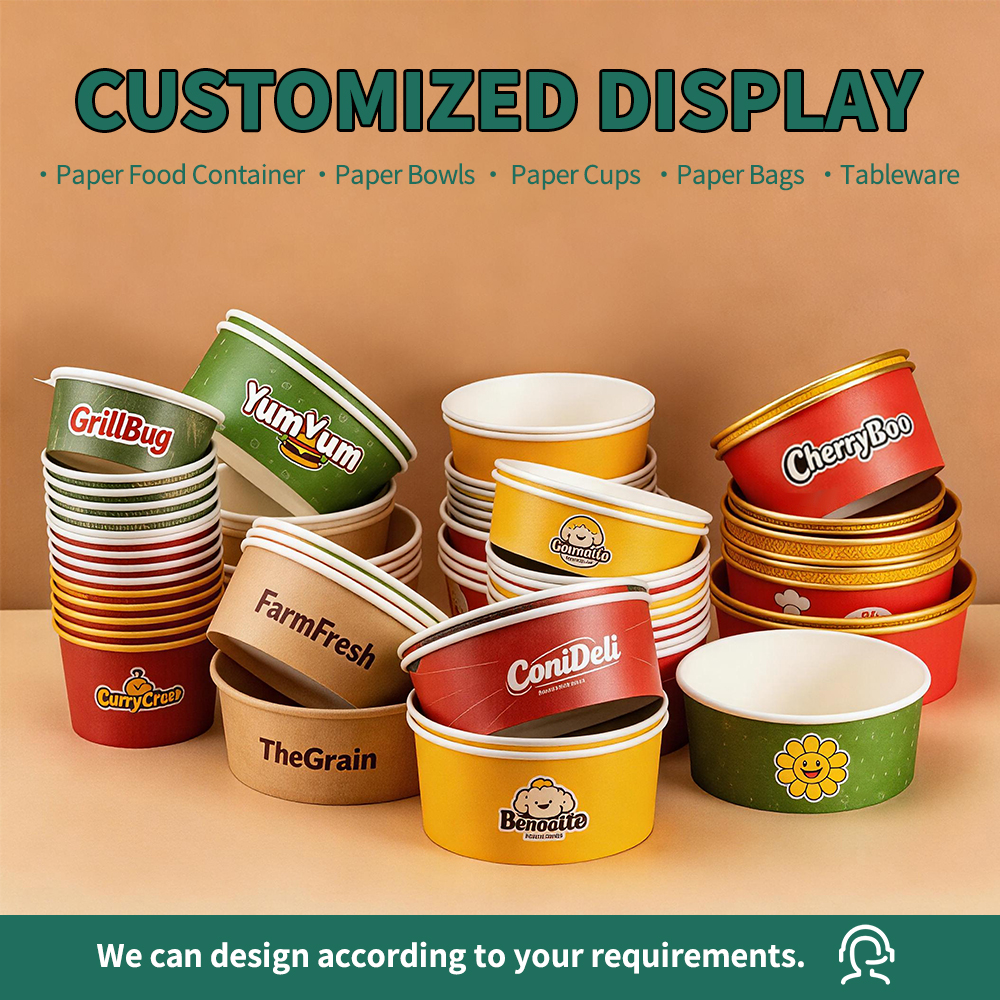
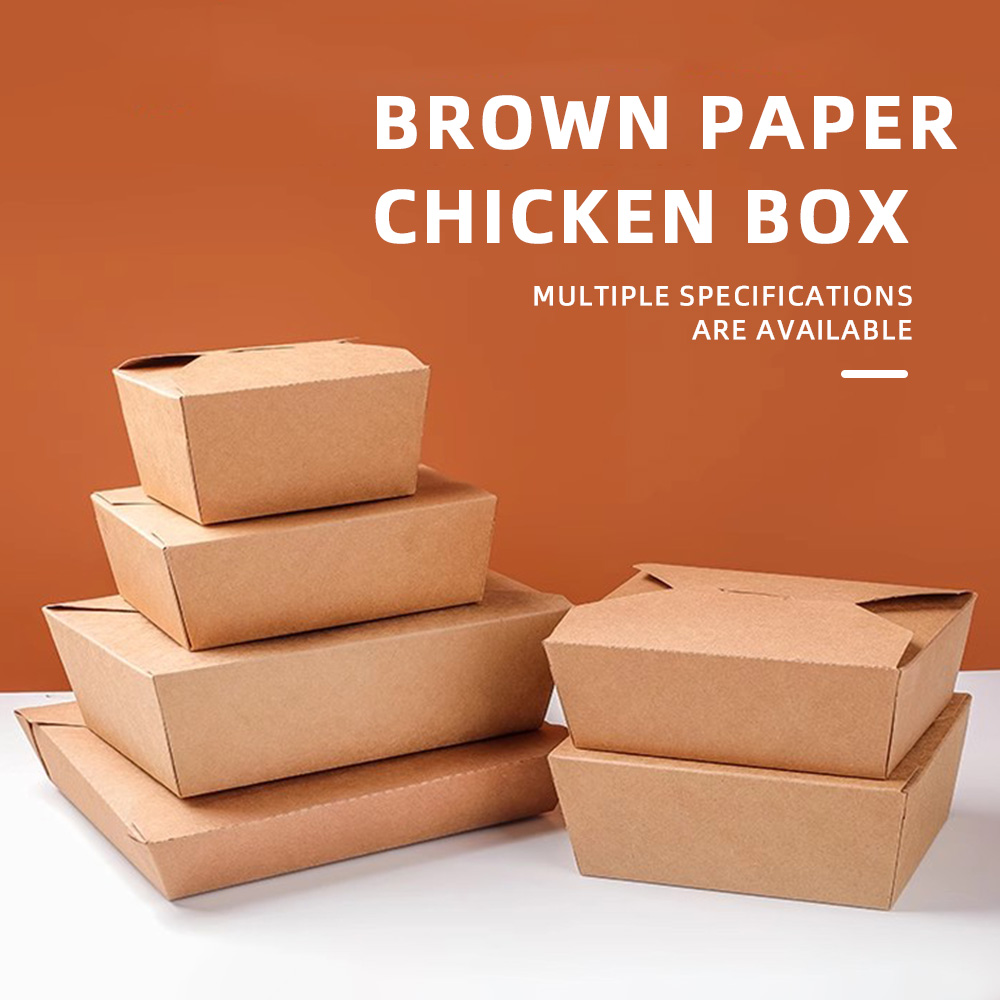
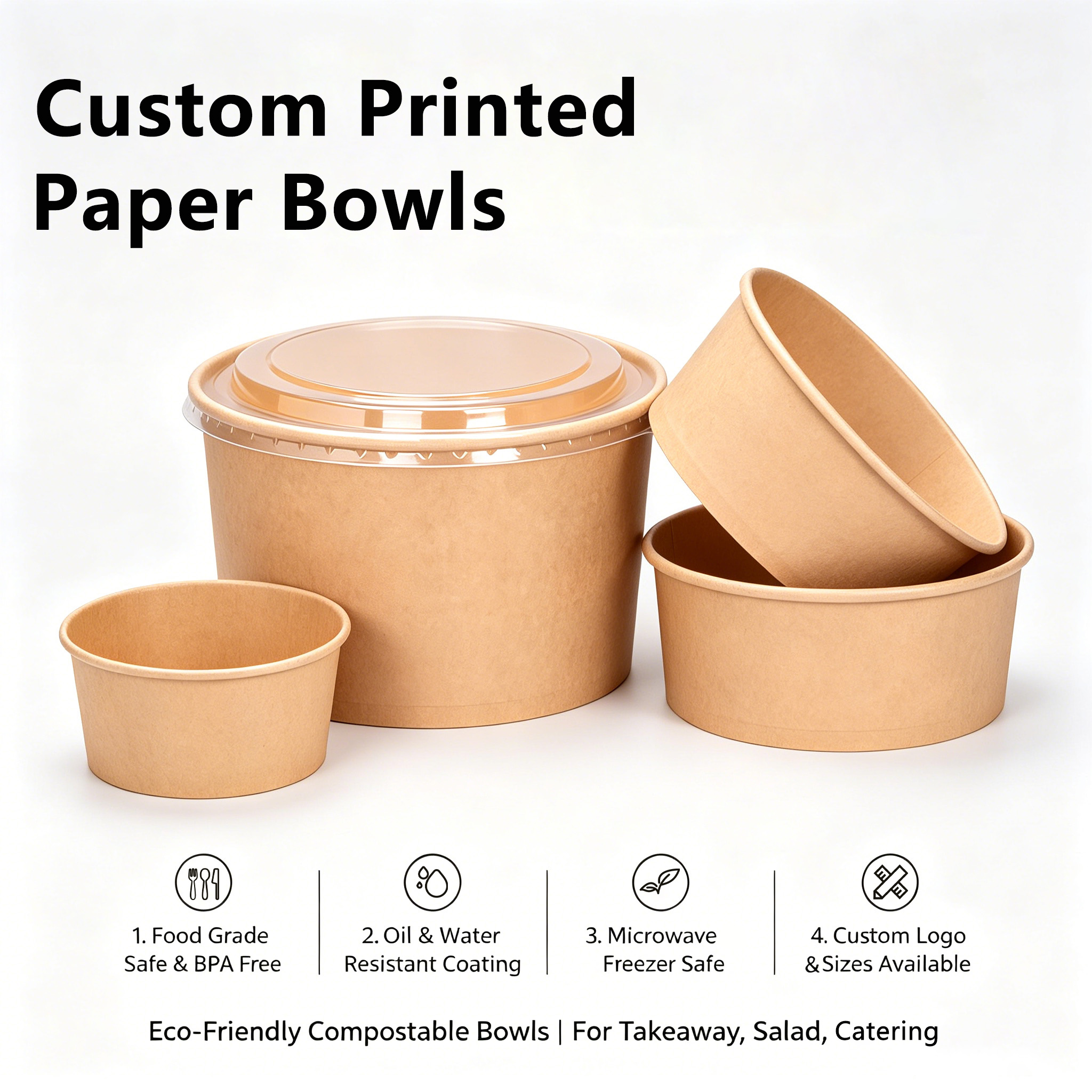
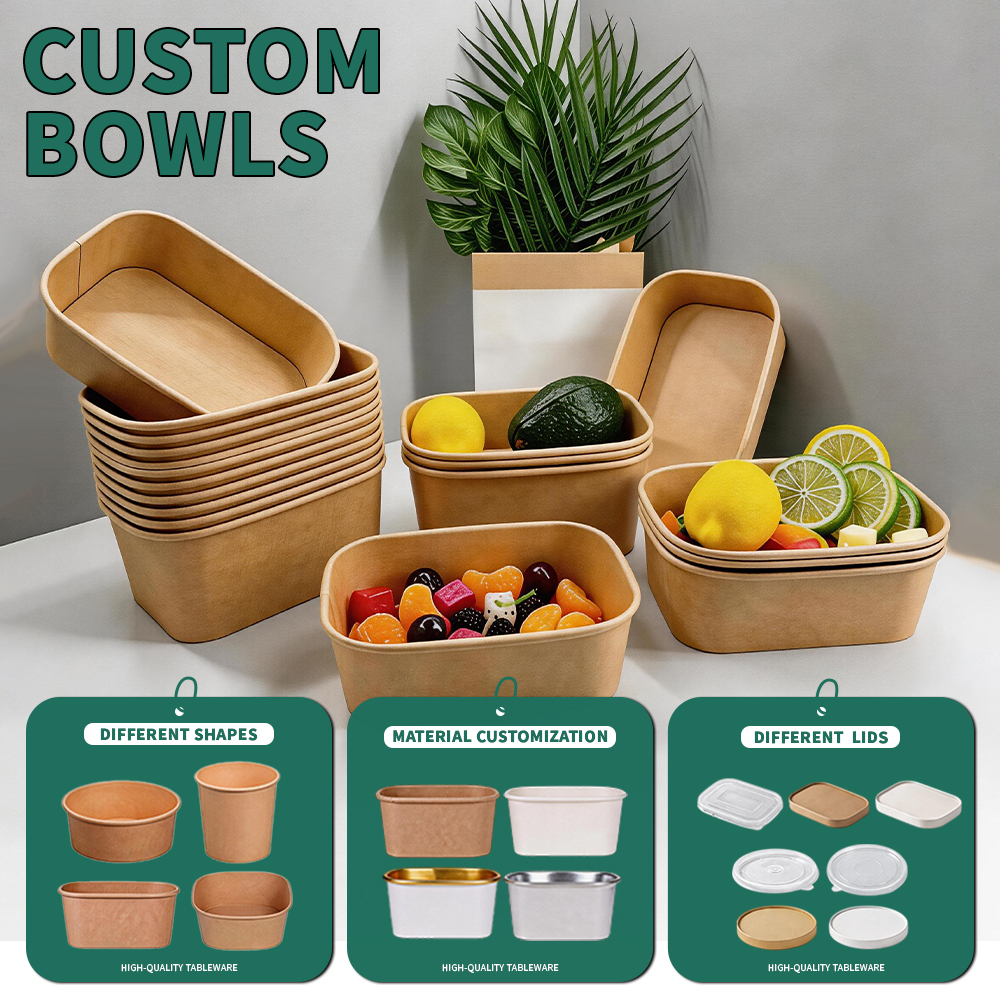
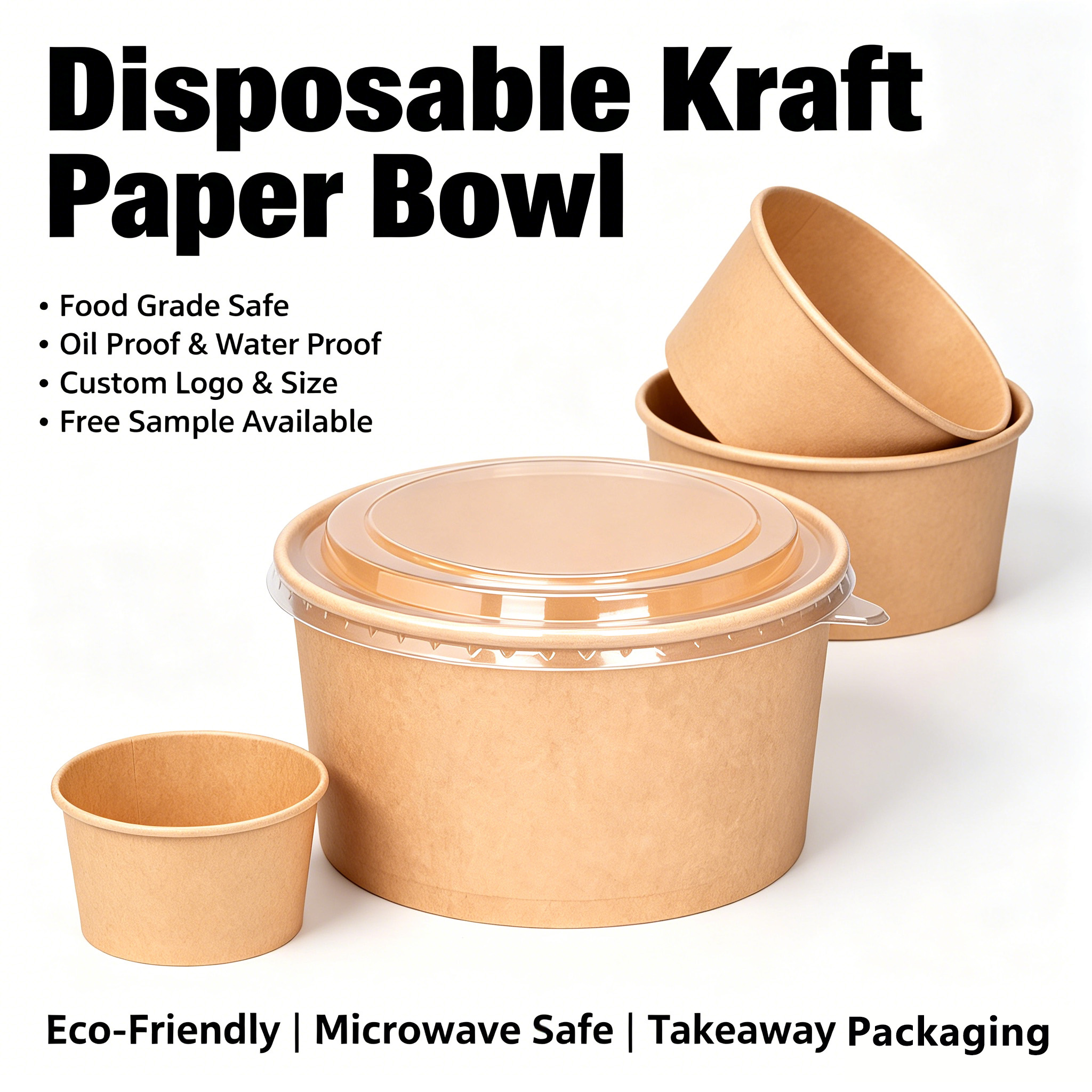
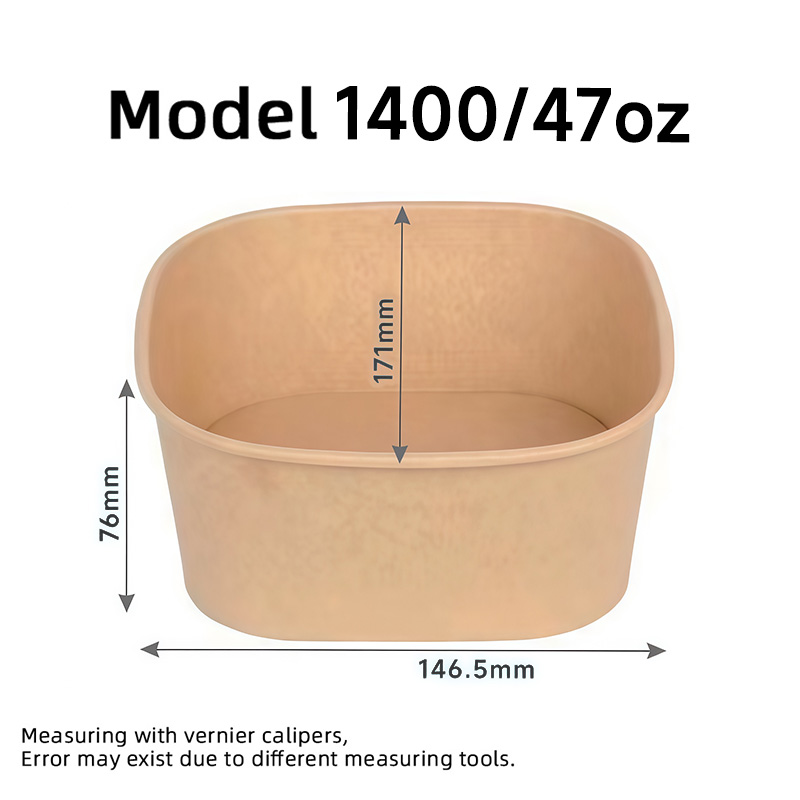

The Engineering Foundation of Industrial Polypropylene (PP) Food Containers
In modern commercial foodservice and industrial food packaging, Polypropylene (PP, Resin Identification Code 5) represents the apex of thermoplastic polymer design. Distinguished by its semi-crystalline structure, polypropylene offers unmatched chemical inertness against volatile lipids, organic acids, and alcohol concentrations commonly found in dressed salads, deep-fried items, and steaming culinary broths. When choosing a primary packaging manufacturer in China, procurement teams must look past nominal unit costs and closely evaluate raw material rheology, injection tooling accuracy, and molecular weight distribution.
At Luohe Temip Plastic Products Co., Ltd., based in the Dongcheng Industrial Agglomeration Zone of Luohe, Henan, our manufacturing floor operates within China's primary agricultural and prepared-food processing industrial corridor. This strategic geographic proximity gives us practical insight into real-world culinary dynamics. Packaging cannot simply look good on a technical sheet; it must withstand vertical stacking loads in multi-tiered courier delivery boxes, retain moisture barriers over 72-hour cold-chain shipping, and maintain zero mechanical warping when subjected to commercial microwave thermal shocks reaching 120°C (248°F).
Homopolymer vs. Random Copolymer
We source prime-grade random copolymer PP resin containing ethylene links, delivering optimal clarity, superior impact strength at chill temperatures (-20°C), and eliminating brittle crack risks.
Tight Snap-Fit Lid Engineering
Tooling with tight EDM tolerances (±0.05mm) guarantees interlocking rim retention. Containers seal securely against sauce seepage during motorcycle transport without requiring manual secondary tapes.
High-Speed Thin-Wall Injection (TWIM)
Our fast-cycling hydraulic and servo-electric injection presses reduce tare weight by 18-24% while engineered exterior ribs protect against structural buckling under heavy stacking loads.
Material Science: Comparing Modern Takeaway Packaging Polymers
Global regulatory bodies, including the European Chemicals Agency (ECHA) and the US FDA, are raising compliance thresholds for packaging migration limits, PFAS synthetic coatings, and post-consumer recyclability. B2B buyers must navigate complex performance trade-offs when selecting between Polypropylene (PP), Polyethylene Terephthalate (PET), Crystallized PET (CPET), and traditional fluorochemical-treated or PLA-lined Paperboard.
| Substrate Material | Thermal Range | Oil & Grease Resistance | Microwave & Oven Safe | Recycling Stream Compatibility |
|---|---|---|---|---|
| Virgin Polypropylene (PP) | -20°C to +120°C | Exceptional (Zero surface penetration) | Microwave safe (No softening) | RIC 5 (Standard mechanical circular stream) |
| Polyethylene Terephthalate (PET) | -40°C to +65°C | High (Cold applications) | Unsafe (Softens at 70°C) | RIC 1 (Established bottle stream) |
| Uncoated Bagasse / Pulp | -10°C to +95°C | Moderate (Softens under oil/liquids) | Short reheating cycle only | Industrial composting (Requires specific infrastructure) |
| PE/PLA Lined Kraft Board | -20°C to +100°C | High (Dependent on barrier film) | Microwave acceptable | Complex separation (Requires specialized de-pulping) |
Future Sourcing Trends Shaping B2B Packaging (2025–2030)
The industrial food container sector is undergoing a profound structural shift driven by sustainability legislation, rising freight costs, and heightened brand scrutiny. Global procurement directors should align their supply pipelines with these key operational trends:
1. Monomaterial System Harmonization: Historically, foodservice providers paired kraft paper bowls with PET clear lids, or bagasse bottoms with OPS lids. These mixed configurations create sorting problems in municipal recycling systems. Modern municipal directives, particularly under the EU Packaging and Packaging Waste Regulation (PPWR), favor monomaterial assemblies where both tray and lid share identical chemical classifications (PP-to-PP or paper-to-paper), making post-consumer sortation simple.
2. In-Mold Labeling (IML) Replacing Secondary Adhesive Decals: Standard self-adhesive stickers peel off, bubble in humid delivery bags, and introduce multi-resin contaminants. High-speed In-Mold Labeling fuses a printed PP graphic film directly into the container wall during the injection cycle. The finished product yields a tamper-resistant, dishwasher-durable, premium finish that maintains full recyclability in the Polypropylene stream.
3. Advanced Lightweighting via Balanced Nucleation: Through high-melt-flow resins and advanced nucleating agents, our tooling achieves wall thicknesses down to 0.45mm without sacrificing flexural modulus. This reduction in raw resin consumption cuts per-unit carbon footprints and drops ocean container freight costs, giving volume distributors a measurable bottom-line advantage.
4. Strict Elimination of PFAS and Chemical Additives: With increasing bans on per- and polyfluoroalkyl substances (PFAS) across North America and Europe, virgin homopolymer and copolymer PP offers a clear safety advantage. PP naturally resists oil and water without needing auxiliary chemical surface coatings or fluorinated sizing agents, guaranteeing full compliance with FDA 21 CFR 177.1520 and EU Regulation 10/2011.
Why Global Distributors Partner with Temip
Factory-direct manufacturing reliability grounded in verified infrastructure, transparent quality management, and responsive OEM/ODM execution.
SGS On-Site Audited Facility
Our Luohe manufacturing plant has passed rigorous on-site verification by SGS Group. Production workflows, worker safety systems, and documentation archives are maintained to international factory audit standards.
Fortune 500 Sourcing Track Record
We have fulfilled multi-SKU institutional packaging contracts for Fortune 500 enterprises and Tier-1 food brands, consistently meeting strict requirements for dimensional tolerance, barcoding, and palletization integrity.
Comprehensive OEM/ODM Engineering
From initial rapid 3D CAD modeling to mold tooling and custom cavity development, our in-house engineering team translates custom packaging concepts into high-volume reality in 20 to 35 calendar days.
Strict Batch Raw Material Controls
Every incoming resin delivery undergoes Melt Flow Index (MFI) verification and moisture testing before feeding the injection silos. We use 100% pure food-contact virgin resins without industrial scrap or uncertified regrind.
Global Trade & Export Specialization
Our dedicated multilingual logistics team coordinates full container loads (FCL), consolidated shipments, automated customs manifests, and sea freight handling to North America, Europe, Oceania, and the Middle East.
Flexible Multi-SKU Mixed Containers
Combine high-clarity PP container lids, injection bowls, and PLA/kraft food cartons in a single shipment to minimize holding costs and optimize working capital for regional distributors.
Frequently Asked Questions for B2B Sourcing
Direct technical and commercial answers to streamline your qualification and purchase decisions.
Connect Directly with Our Packaging Engineering Team
Send us your product brief, CAD models, or target specifications. We will review your project and return tooling assessments, factory pricing, and sample availability within 24 business hours.