High-Performance Food Packaging Solutions
Engineered to meet rigorous international food contact standards (FDA 21 CFR 177.1520 and EU No 10/2011). Fully customizable for thermal defense, moisture resistance, and high-speed automated sealing.
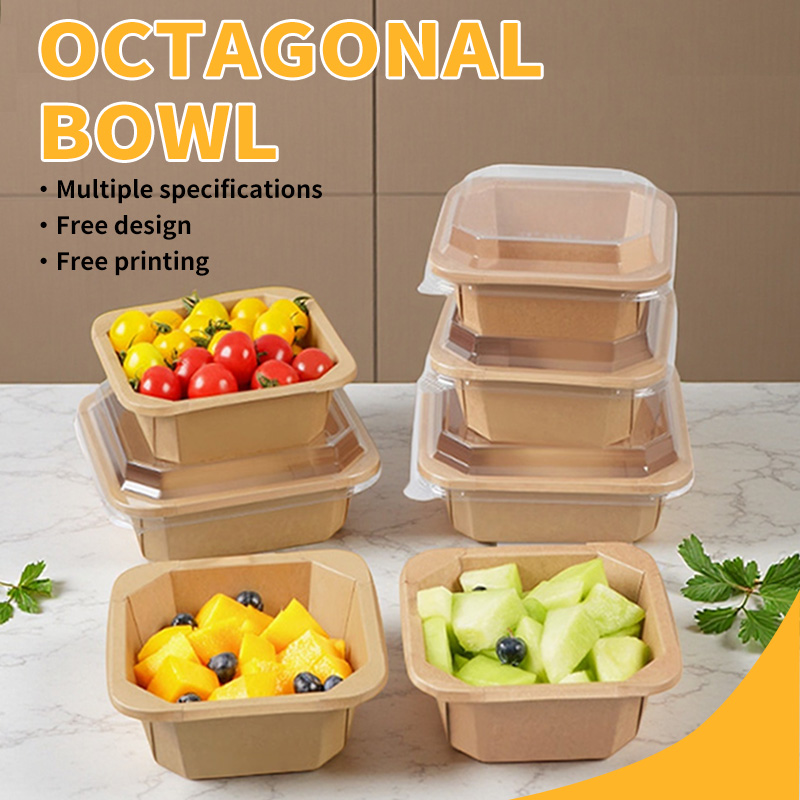
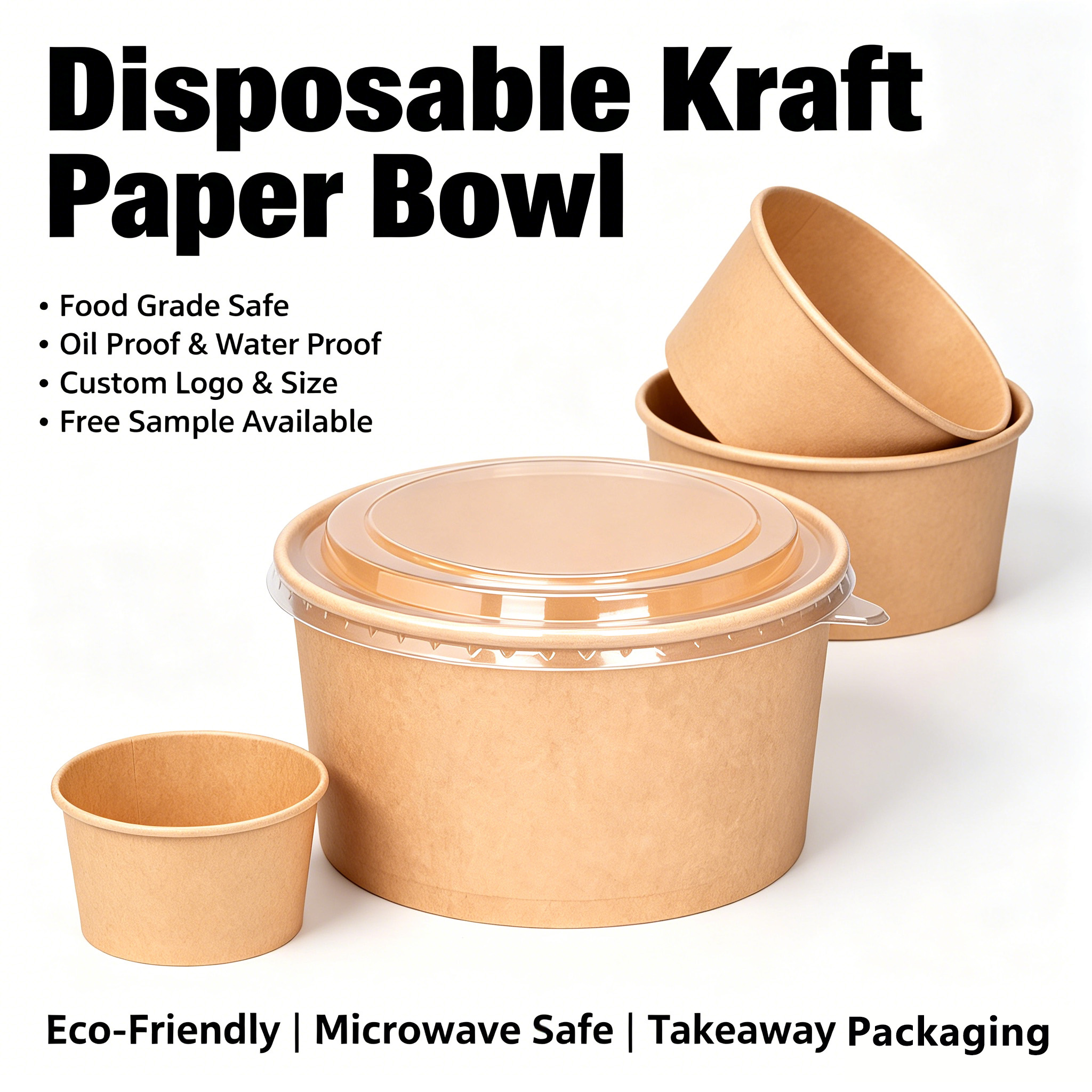
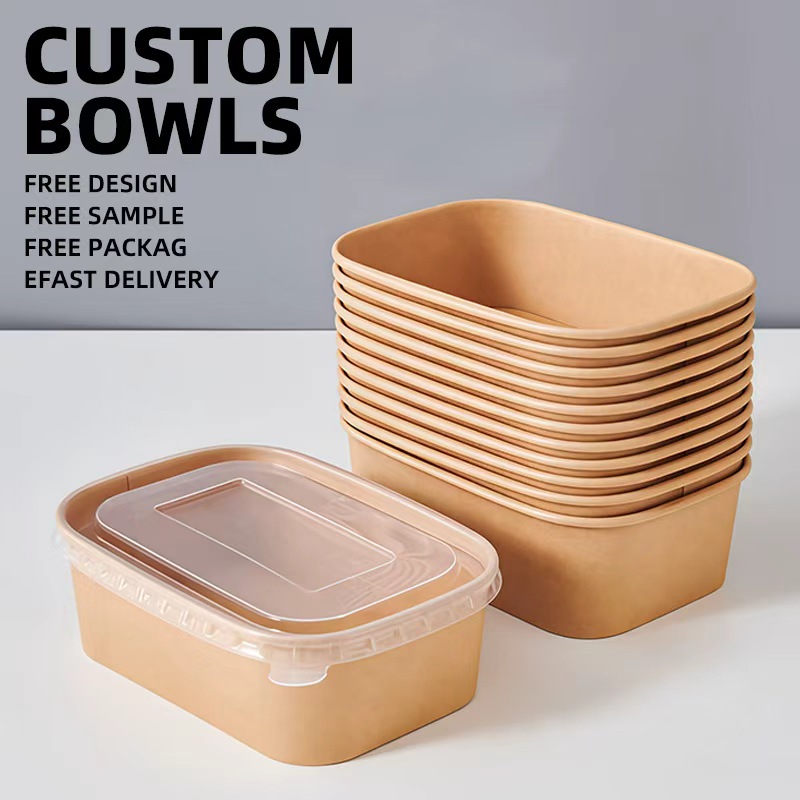
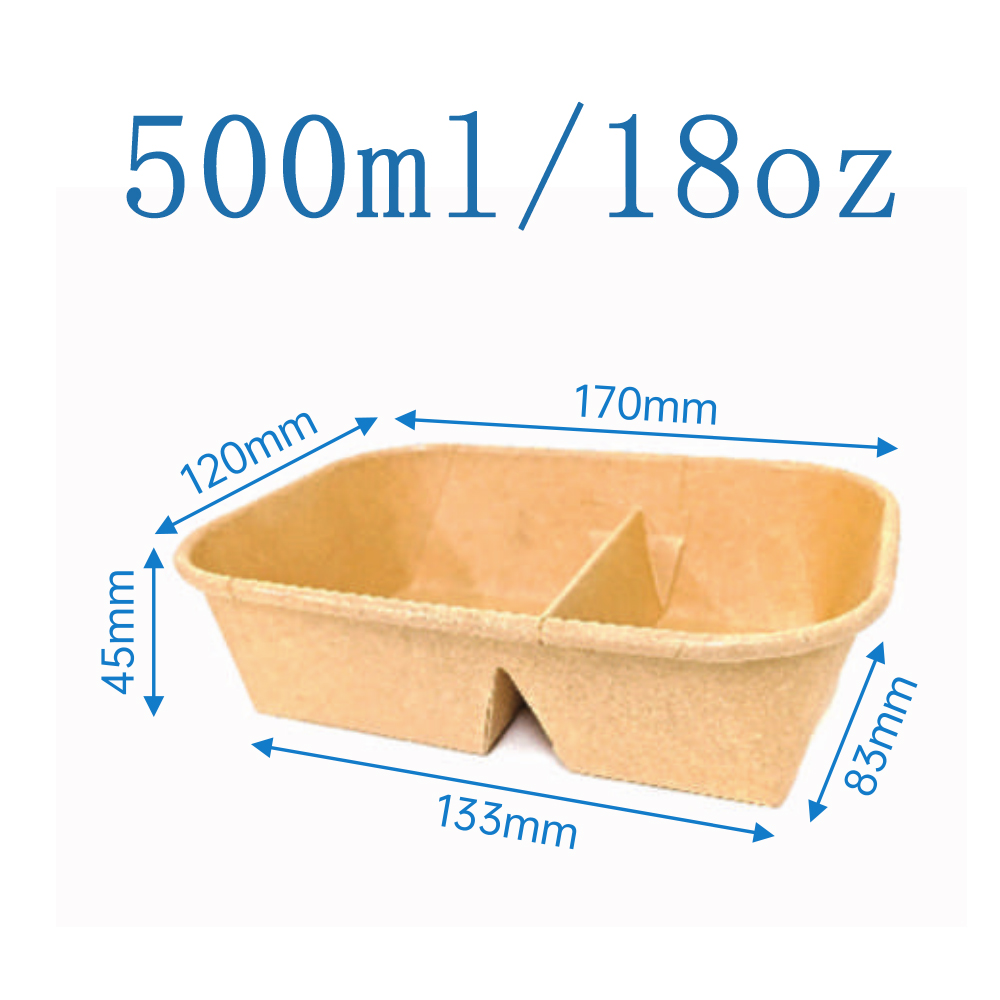
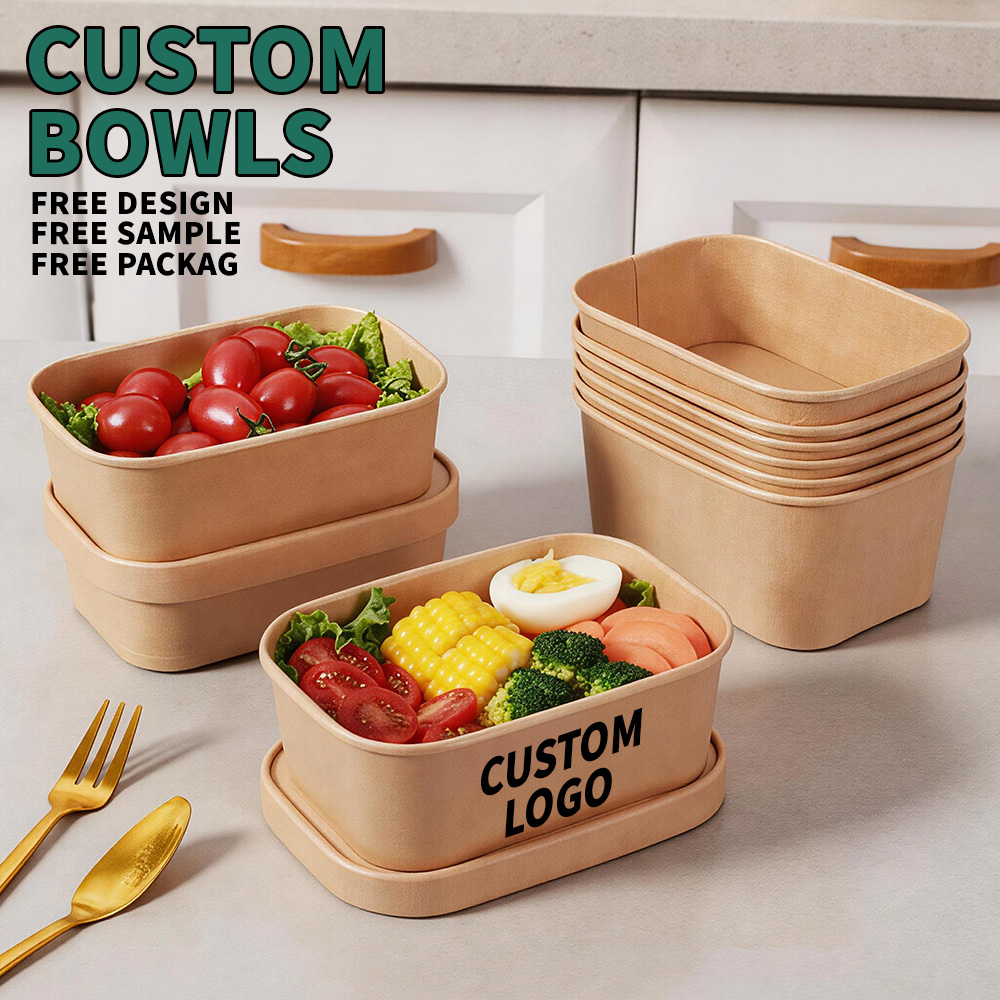
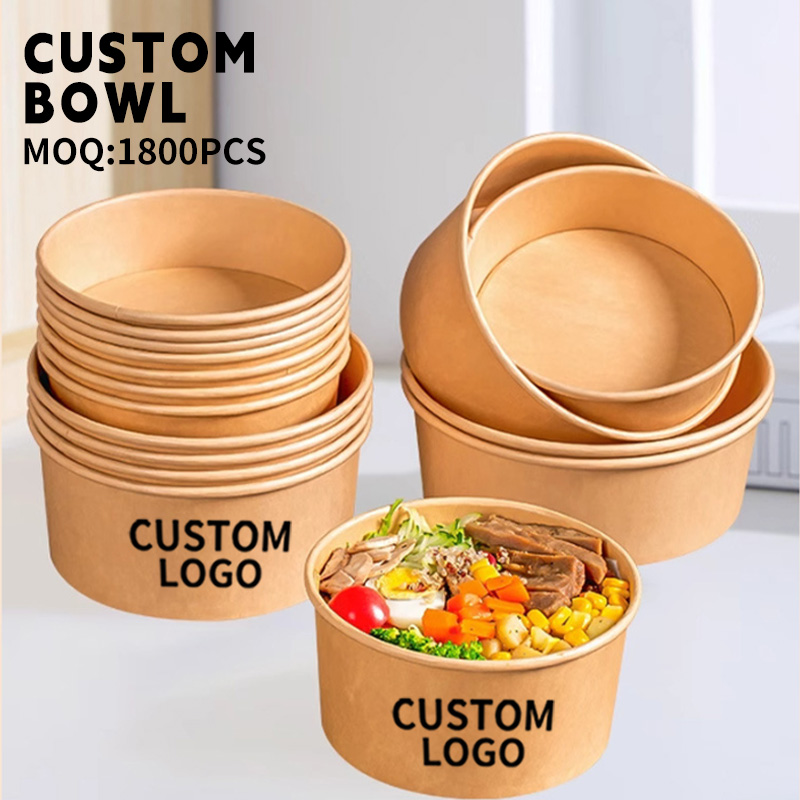
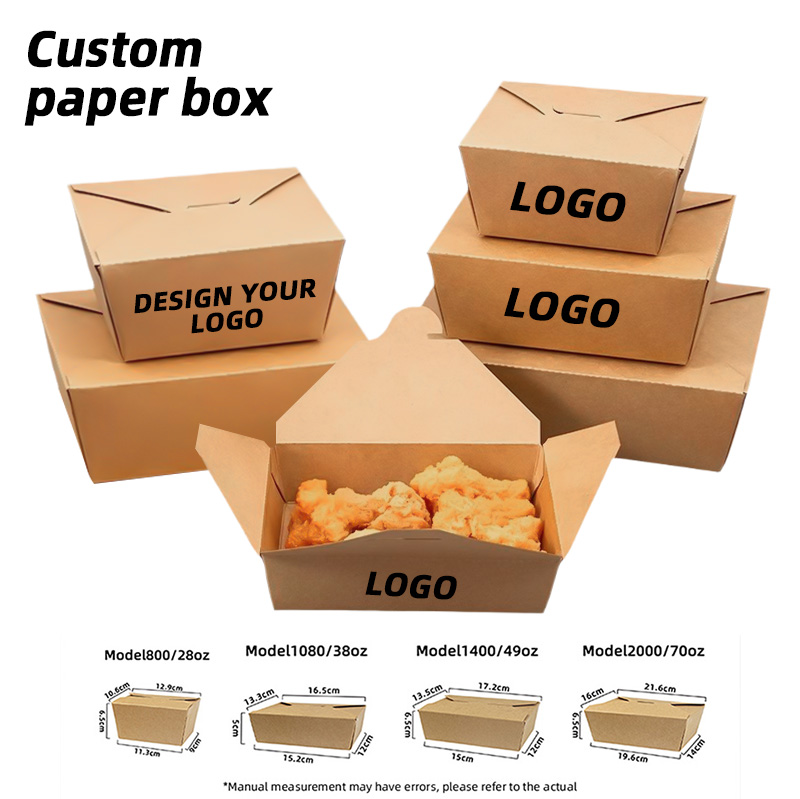
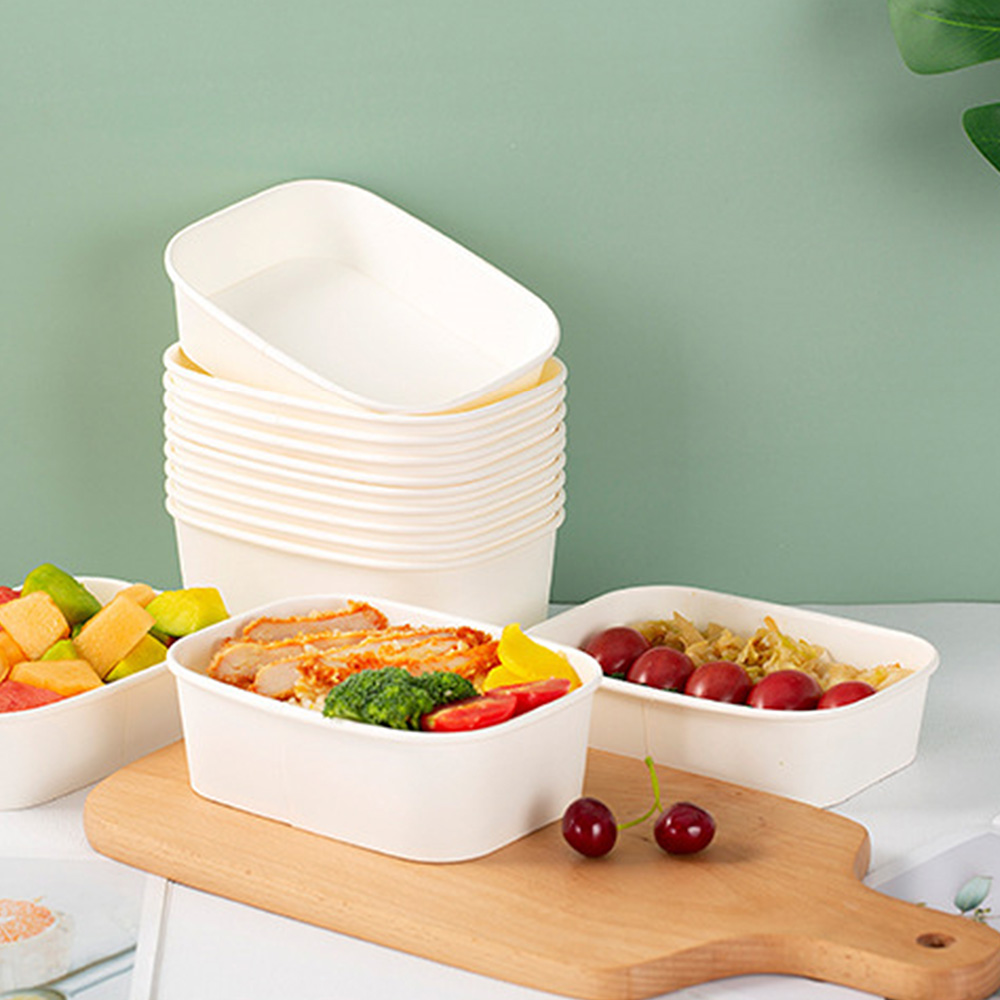
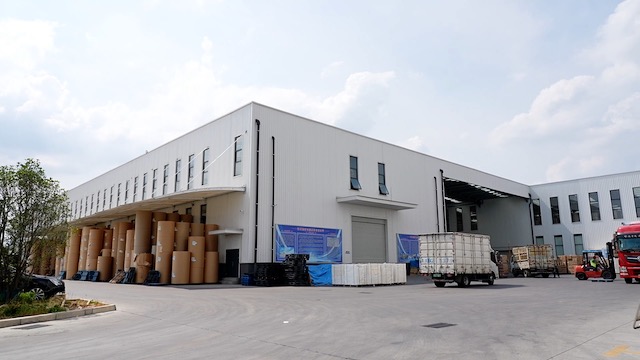
Luohe Temip Plastic Products: Verified Manufacturing Mastery
Situated within the Dongcheng Industrial Agglomeration Zone of Luohe City, Henan Province—one of China's most celebrated food processing and packaging hubs—Luohe Temip Plastic Products Co., Ltd. operates as an elite, audited tier-1 manufacturer. Operating over 2,200 square meters of precision-controlled clean workshops and supported by 37 dedicated technical operators and packaging engineers, we transform industrial polymers and certified fiber substrates into export-compliant packaging ecosystems.
- Independent SGS On-Site Verification: Full audit transparency confirming raw material chain-of-custody, machine calibration protocols, and workplace ethics.
- Contracted Fortune 500 Supplier: Proven capacity to handle multi-million unit standing purchase orders with zero-deviation quality consistency.
- In-House Spectrometric Resin Inspection: Rigorous verification of incoming virgin Polypropylene (PP), masterbatches, and mineral compounds to guarantee non-toxicity.
- End-to-End Custom Tooling (OEM/ODM): Rapid mold prototyping (7–10 days) and automated production tooling engineered for high-cadence thermoforming and injection cycles.
Comparative Engineering Matrix: Food-Grade Polymers vs. Engineered Barriers
In response to tighter worldwide regulatory landscapes (such as the EU Packaging and Packaging Waste Regulation—PPWR, and state-level US PFAS restrictions), packaging directors must choose materials based on quantifiable thermodynamic and barrier properties.
Material Performance & Toxicological Baseline Analysis
Food container selection often hinges on navigating the complex balance between thermal resistance, barrier efficacy, structural rigidity, and circular economics. Polypropylene (PP) remains the undisputed gold standard for hot-fill, soup, and microwave applications due to its high crystalline melting point (160°C–165°C) and resistance to organic fats. However, ongoing supply chain decarbonization demands a deeper look into mineral-filled formulations (MFPP), polyethylene terephthalate (PET/rPET) for ultra-clear cold displays, and aqueous/PLA-lined virgin kraft board.
| Polymer / Substrate Type | Working Temp Window | Moisture & Grease Barrier | Microwave Suitability | Recyclability / Circularity | PFAS-Free Verified |
|---|---|---|---|---|---|
| Virgin Food-Grade PP (Homo/Random Copolymer) | -20°C to +125°C | Exceptional (MVTR < 5 g/m²/day) | Certified Microwave Safe | RIC 5 (Widely Recyclable) | 100% Native Zero-PFAS |
| Mineral-Filled PP (MFPP, 40% Natural CaCO3) | -10°C to +120°C | High Rigidity, High Fat Block | Certified Safe (Reduced Warping) | RIC 5 Stream Compatible | 100% Native Zero-PFAS |
| APET / rPET (Cold Deli & Salad Boxes) | -40°C to +65°C | Ultra-Clear, High OTR Barrier | Unsuitable (Deforms at >70°C) | RIC 1 (Highest Global Stream Value) | 100% Native Zero-PFAS |
| Aqueous Water-Based Coated Kraft Board | -10°C to +100°C | Medium-High (Resin Dispersion) | Moderate (< 3 Minutes) | Repulpable in Standard Paper Mills | Certified Fluorine-Free |
| PLA (Polylactic Acid) Biopolymer Lined | -15°C to +50°C (Unmodified) | Excellent Short-Term Hydrophobic | Unsuitable (Softens at 55°C) | Industrial Composting (EN 13432) | 100% Native Zero-PFAS |
At Luohe Temip Plastic Products Co., Ltd., we subject every production run to high-sensitivity overall migration testing (OMT) utilizing food simulants (3% Acetic Acid, 10% Ethanol, and 95% Ethanol or Isooctane for fatty food extraction) pursuant to EN 1186 standards. We ensure migration levels consistently chart well below the EU statutory threshold of 10 mg/dm² (or 60 mg/kg), safeguarding fast-casual chains and multi-national food brands from supply chain liability.
Future Sourcing Trends Shaping China's Food Packaging Export Sector
Enterprise procurement requires looking beyond unit pricing. In the 2025–2030 economic cycle, leading food brands are restructuring their China vendor portfolios around three foundational shifts.
1. Transition to Mono-Material Architecture
Global extended producer responsibility (EPR) mandates are penalizing multimaterial laminates. Sourcing teams are turning to mono-material Polypropylene containers paired with matching PP heat-seal films or precision snap-fit lids, eliminating composite sorting bottlenecks and qualifying for maximum circular economy tax incentives across North America and Western Europe.
2. Index-Linked Resin Hedging & Tooling Equity
Sophisticated buyers now negotiate dynamic resin pricing structures tied directly to ICIS or Platts Polymer indexes (e.g., PP CFR Far East Asia). By retaining ownership of multi-cavity injection molds hosted at our Luohe facility, institutional buyers isolate tooling CapEx from operational unit cost adjustments, securing fixed manufacturing conversions over multi-year periods.
3. Strict Regulatory Due Diligence (PFAS-Free Bans)
With widespread North American state bans (e.g., California AB 1200, New York, Washington) and impending ECHA restrictions targeting intentionally added Per- and Polyfluoroalkyl Substances, global buyers are auditing suppliers for native mechanical barriers (such as precision micro-embossing and tight crystalline molecular packing) rather than fluorinated greaseproofing agents.
Product Innovation Trends in Food Container Manufacturing
Driven by rapid changes in dark kitchen operations, third-party delivery timelines, and shelf-appeal mechanics, container design has progressed far beyond basic injection moulding.
Thin-Wall Packaging (TWP) & Down-Gauging
Utilizing high-melt-flow-rate (MFR 60–100) clarified PP resins paired with high-tonnage electric injection systems, our factory produces ultra-thin sidewalls (down to 0.40 mm) without compromising top-load stacking strength. This yields a 22% reduction in raw material weight, driving down carbon footprints and lowering international freight costs per container.
Tamper-Evident Integral Latching
In response to off-premises food safety demands, we have engineered single-motion tamper-evident pull-tabs built directly into thermoformed container perimeters. Consumers immediately see physical evidence of package compromise, eliminating the operational cost, labor, and plastic waste of secondary heat-shrink PVC bands.
In-Mold Labeling (IML) Photorealistic Branding
Replacing traditional post-mold silkscreen printing or paper adhesive labels, IML applies a printed polypropylene foil directly into the mold cavity prior to polymer injection. The label and wall fuse into an inseparable, scratch-proof, condensation-resistant single material that remains 100% recyclable without multi-polymer delamination.
Why International Importers Select Luohe Temip Plastic Products
A rigorous quality management architecture tailored to de-risk overseas manufacturing programs for supermarket chains, packaging distributors, and industrial food processers.
Raw Material Assurance at the Source
Every single batch of polypropylene granules and certified paperboard undergoes strict physical property verification upon delivery to our Luohe warehouse. We confirm Melt Flow Index (MFI), moisture density, and verify lot-specific certificates of analysis (COA) to prevent volatile aromatic contamination or compromised drop impact resistance.
High-Precision Clean Machine Park
Our 2,200 m² workshop houses automated high-speed multi-station thermoforming lines, hydraulic punching systems, and multi-cavity injection machines operating within dust-controlled, sanitized cleanroom zones. Automated conveyance minimizes manual human contact, preserving baseline bacterial sanitation for food contact packaging.
In-Line Vision & Dimensional QA Testing
Production runs undergo rigorous quality gates: 2-hour periodic rim caliper measurements, automated lid-fit snap vacuum testing, burst pressure evaluation, and prolonged hot vegetable oil immersion to ensure seal performance. Any batch demonstrating stress-crack susceptibility is isolated and rejected on site.
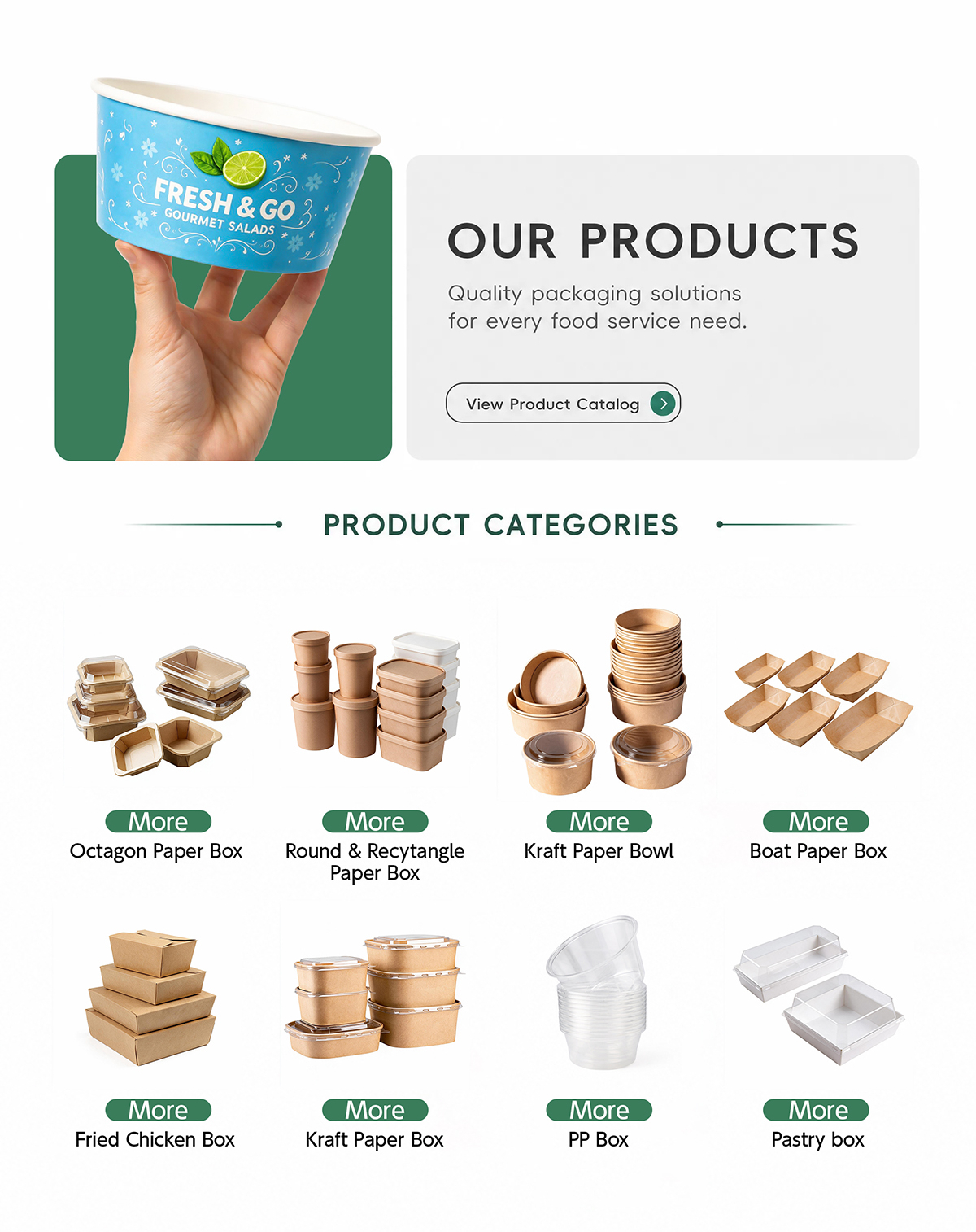
Frequently Asked Questions for Sourcing Plastic & Composite Food Boxes
Clear, unhedged technical and logistical guidance addressing critical risk points in China manufacturing contracts.
How does your factory verify zero PFAS compliance in barrier coatings?
We work exclusively with documented fluorine-free polymer barriers and water-based polymer dispersions. Every incoming formulation batch is supported by third-party Total Fluorine (TF) combustion ion chromatography testing (EN 14582 or equivalent), ensuring total fluorine levels measure well below 50 ppm (the global threshold defining non-intentionally added PFAS matrices).
What are your standard custom mold lead times and tooling costs?
For custom thin-wall PP injection or thermoforming molds, initial 3D digital prototypes and CNC aluminum pilot samples are produced within 7 to 10 working days. Hardened P20 or H13 steel multi-cavity production tooling typically takes 25 to 30 days. Tooling investments range between $2,500 and $8,000 based on cavity count, and are eligible for 100% amortization rebates once agreed volume tiers are achieved.
How do you guarantee airtight and leak-proof lid seals during dynamic transit?
We engineer precision interference-fit continuous bead channels into our container rims. Prior to full-scale dispatch, product batches are tested using negative pressure vacuum chamber desiccators at -30 kPa for 5 minutes, ensuring containers filled with simulated liquid and vegetable fats experience zero seal blowout or micro-dripping.
Can your PP food containers support automated denesting and packaging lines?
Yes. Our designs feature built-in anti-jam stacking lugs and tightly controlled perimeter flange tolerances (±0.25 mm). This guarantees consistent, unassisted separation by pneumatic and robotic denesting systems on industrial salad packing, protein portioning, and ready-meal production lines, preventing costly line shutdowns.
What is the factory's Minimum Order Quantity (MOQ) and production cycle?
For standard catalog SKUs with stock colors (natural translucent, black, white, or unbleached kraft), our base MOQ starts at 30,000 units. Custom pantone-matched resins, dedicated embossing, or custom IML graphics require a 50,000 to 100,000 unit minimum. Standard production turnaround is completed in 15–20 days from pre-production sample sign-off.
What export and third-party inspection terms do you support?
We routinely support international buyers under Incoterms 2020: FOB Qingdao/Tianjin/Shanghai, CIF, and DDP to major logistics hubs in North America and Europe. We welcome on-site third-party preshipment inspections (SGS, Bureau Veritas, Intertek, or QIMA) and maintain an acceptance quality limit (AQL) of 1.0 for Major defects and 2.5 for Minor defects.
Engage Directly with Factory Engineering Specialists
Bypass export trading middlemen. Connect directly with Luohe Temip Plastic Products Co., Ltd. for verified factory pricing, custom rapid tooling configurations, and regulatory compliance dossiers.