Factory-Engineered Food Service Containers & Salad Bowl Portfolio
Explore production-ready cold-prepared salad containers, greaseproof thermoformed shapes, and hybrid paper-PET takeaway systems produced directly under strict ISO and SGS manufacturing guidelines.

Customizable Logo Kraft Paper Disposable Food Packaging Containers Factory Supply
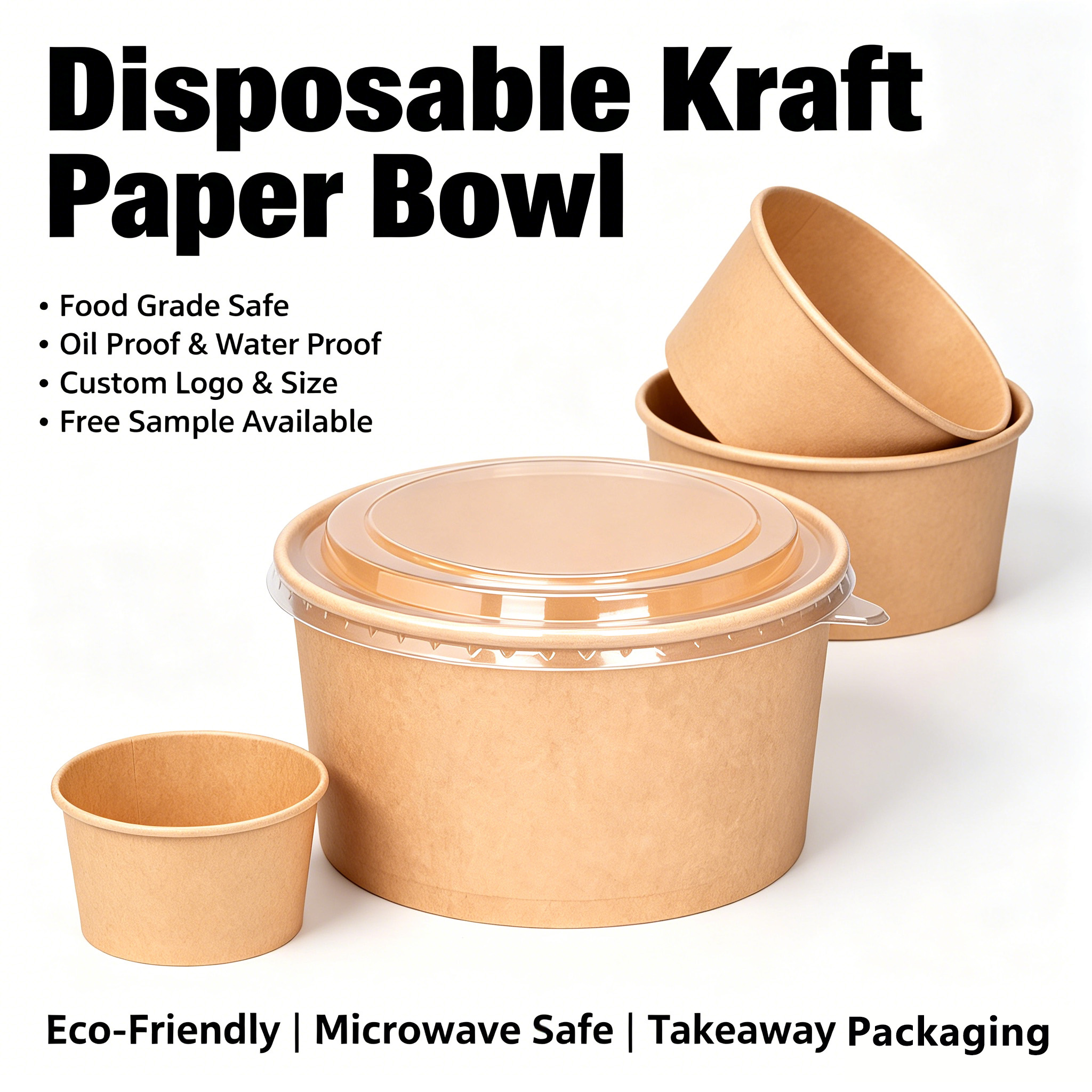
Custom Biodegradable Kraft Paper Bowls With Lids Oil Resistant Salad Soup Takeaway
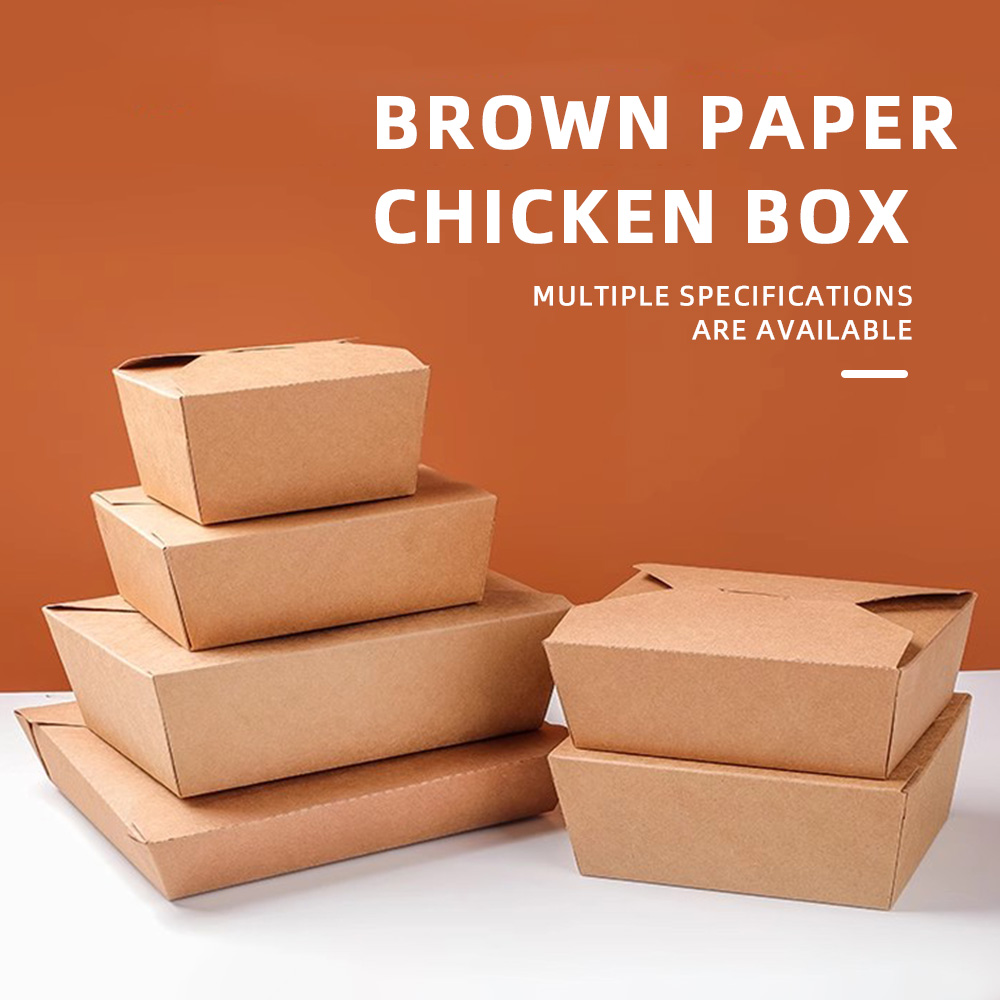
Custom Logo Kraft Paper Food Boxes Foldable Disposable Packaging for Salad Takeout
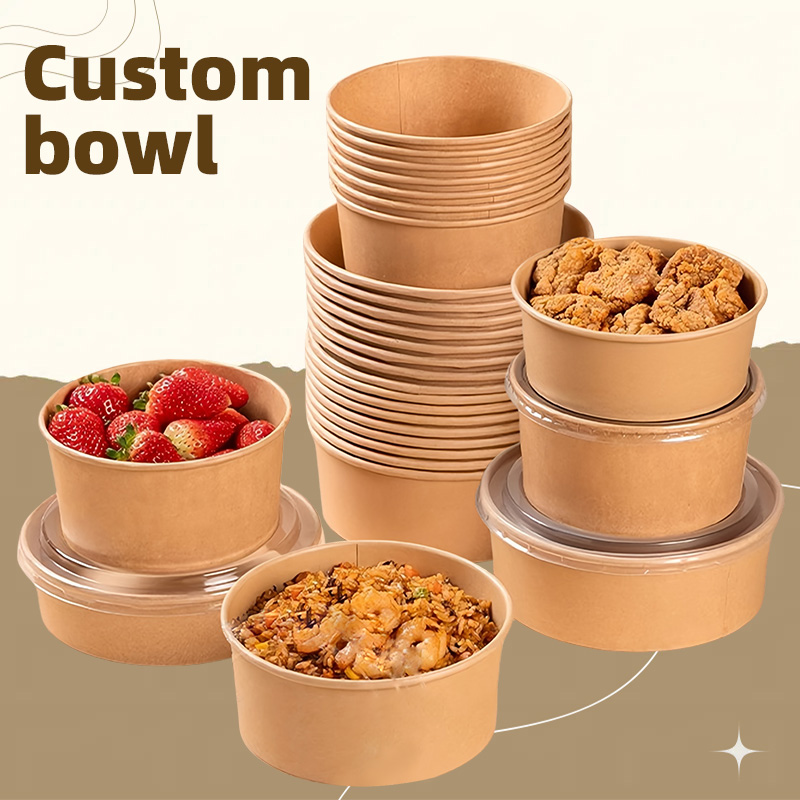
JieHui Factory Eco-Friendly Disposable Salad Bowls 500ml-1450ml Food Container
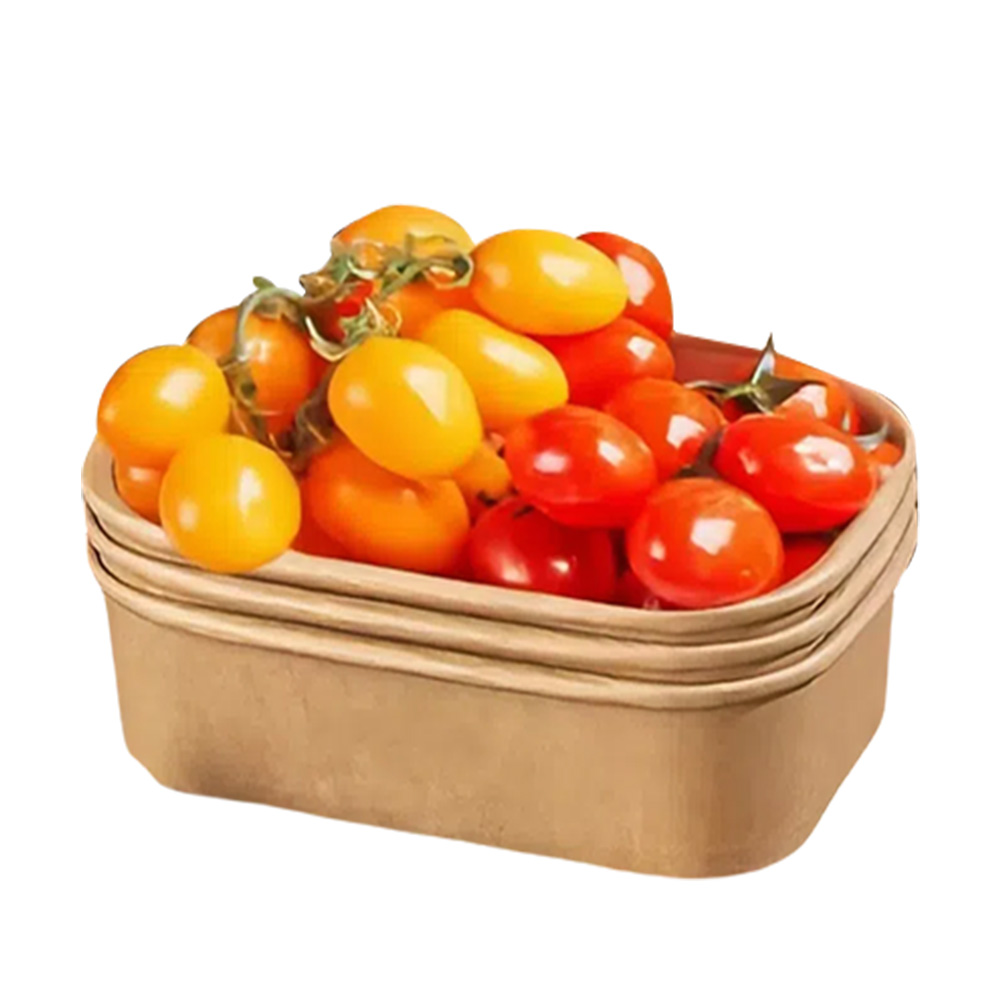
Factory Supply Custom Printed Kraft Paper Bento Box Disposable Food Grade Lunch Box
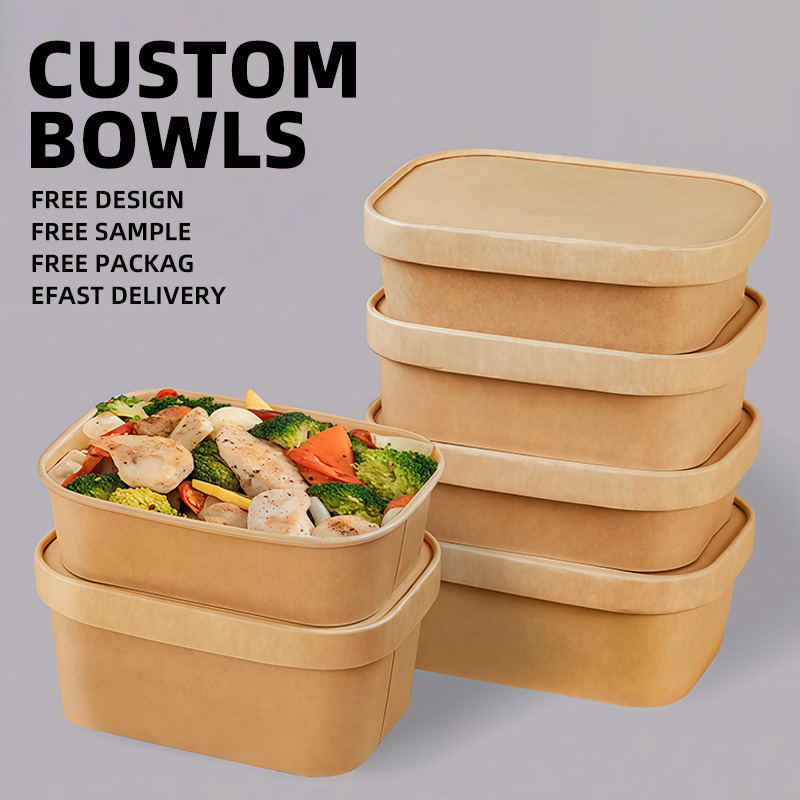
Jiehui Factory Wholesales Customizable Biodegradable Disposable Kraft Paper Food Cartons
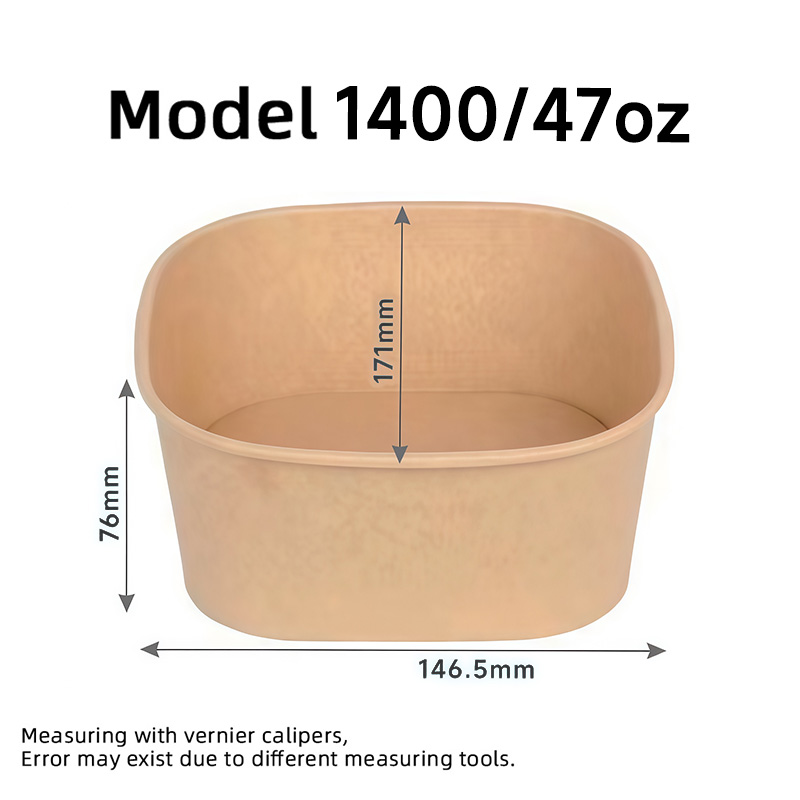
Square 1400ml/47oz Wholesales Biodegradable Disposable Kraft Paper Food Cartons & Bowls
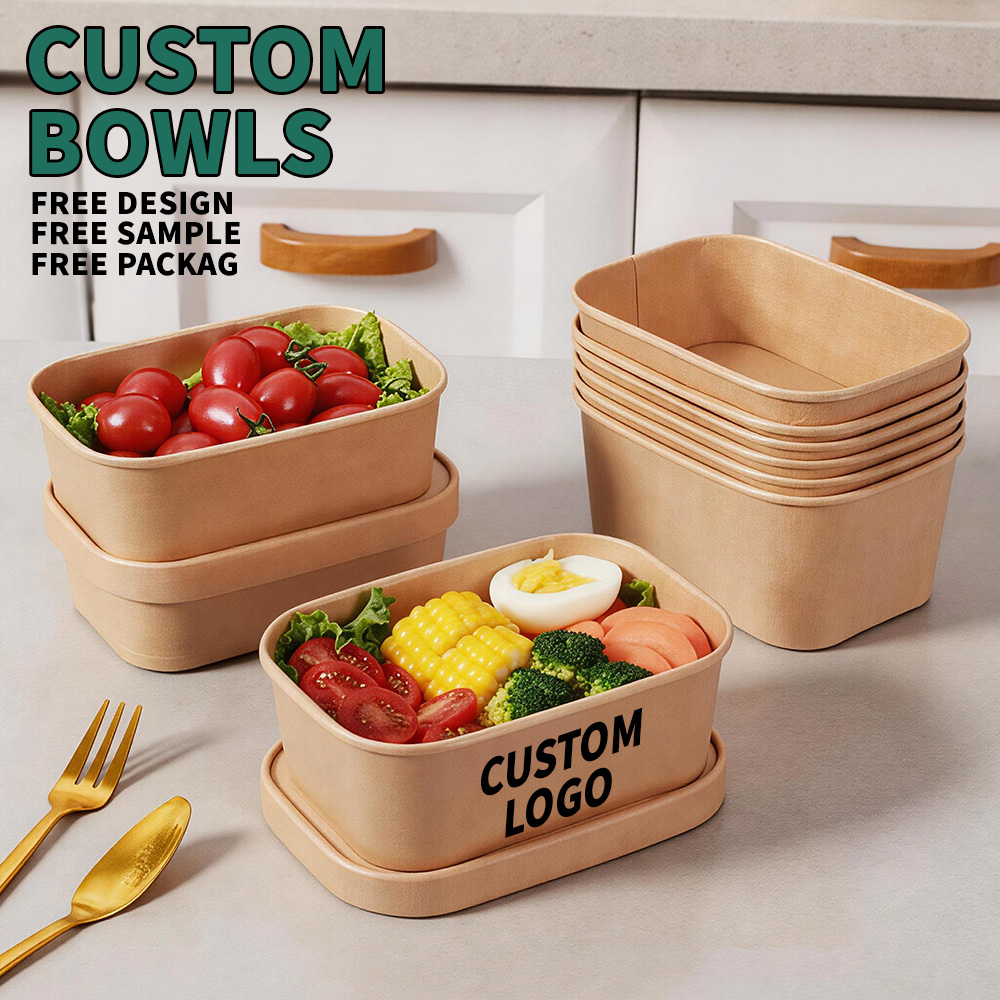
Food Grade Coated Paper Takeaway Containers With Lid Leakproof Greaseproof Packaging
Polymer Formulation & Engineering Dynamics: Virgin PET vs. rPET vs. Hybrid Substrates
Polyethylene Terephthalate (PET) remains the global benchmark for cold-food display packaging due to its exceptional glass-like crystalline clarity (over 90% luminous transmittance), natural gas barrier properties (CO2 and O2 permeability resistance), and outstanding mechanical rigidity under dynamic top-load pressures. At our SGS-audited Chinese manufacturing facilities, raw polymer pellets undergo precision thermoforming via continuous multi-station pressure and vacuum machines, achieving uniform wall gauge tolerance within ±0.02 mm.
Optical Transmission & Anti-Fog Surfactants
Internal condensation is the primary deterrent to grab-and-go fresh salad sales. Our PET thermoformed formulations integrate food-contact certified internal anti-fog additives that dissipate surface tension, converting vapor micro-droplets into continuous transparent sheets for unobstructed merchandising clarity.
Structural Rigidity & Perimeter Bead Engineering
Equipped with computerized perimeter flanging and reinforced circumferential base ribbing, our bowls maintain exceptional compressive yield strengths under dynamic stacking weights exceeding 12 kg, completely preventing lid displacement and structural crushing during motorized courier transport.
Airtight Leak-Resistant Locking Flanges
Engineered with proprietary 360-degree nested snap-fit lid recesses, the containers form a hermetic physical seal against acidic vinaigrettes, cold sauces, and dressings, eliminating oil seepage and oxygen migration during cross-town deliveries.
Comparative Engineering Evaluation: Cold-Food Packaging Formats
B2B procurement directors must weigh moisture barrier efficiency, thermo-stability ranges, mechanical stiffness, and regulatory footprints when contracting annual baseline volumes:
| Performance Metrics | Virgin APET Salad Bowls | Food-Grade rPET (30%-100% PCR) | Hybrid Kraft + Clear PET Lid | Polypropylene (PP) Containers |
|---|---|---|---|---|
| Optical Haze Level (%) | < 1.5% (Crystal Optical Clear) | 2.0% - 4.5% (Slight Amber Tint) | Opaque Base / Clear Top | > 18.0% (Translucent Milky) |
| Service Temperature Limit | -40°C to +65°C (-40°F to 149°F) | -40°C to +60°C (-40°F to 140°F) | -20°C to +100°C (With Aqueous/PLA) | -20°C to +120°C (Microwave Safe) |
| Oxygen Barrier (cm³/m²·day) | Extremely High (3.0 - 5.0) | High (4.0 - 6.5) | Moderate (Depends on Liner) | Low (150 - 250) |
| Recycling Stream Compatibility | RIC #1 (Highest Global Value) | RIC #1 (Closed-Loop Circularity) | Paper Repulpable (If Bio-Lined) | RIC #5 (Fragmented Infrastructure) |
| Target Culinary Application | Premium Deli Salads, Cold Poke, Cut Fruit | Supermarket ESG-Aligned Chilled Foods | Warm Grain Bowls, Artisan Salads, Bentos | Reheatable Curries, Hot Soups, Gravy Dishes |
Global Sourcing Trends & Future Market Dynamics (2025–2030)
Strategic analysis on regulatory shifts, Extended Producer Responsibility (EPR) mandates, and post-consumer resin integration shaping global supply chains.
The global single-use foodservice packaging landscape is undergoing an unprecedented structural transition driven by stringent supranational regulations, including the European Union's Packaging and Packaging Waste Regulation (PPWR), North American state-level EPR fee systems (California SB 54, Washington, Oregon), and corporate Science-Based Targets (SBTi). Purchasing executives sourcing from China must calibrate their supply contracts against four macro trends:
1. PCR-Content Escalation (rPET)
Global brand owners are mandating minimum 30% to 50% Post-Consumer Recycled (PCR) resin quotas. China's leading extrusion suppliers have established EFSA and FDA letter-of-no-objection (LNO) verified super-clean recycling and solid-state polycondensation (SSP) decontamination systems.
2. Light-Weighting & Micro-Ribbing
To offset escalating resin raw-material pricing and carbon-tax freight assessments, advanced thermoforming dies now employ biomimetic honeycomb structural ribs, decreasing net part weight by 14% to 18% without compromising drop-impact or top-load compressive strength.
3. Tamper-Evident Perimeter Locks
With third-party gig-economy delivery platforms commanding massive market share, integrated physical tamper-evident tear strips are replacing secondary adhesive labels, ensuring chain-of-custody verification while eliminating labor overhead at retail prep stations.
4. Mono-Material Circularity
Regulatory scrutiny is eliminating complex multi-material laminates that contaminate sorting facilities. The emerging paradigm favors mono-material assemblies where both the bowl base and matching thermoformed dome lids belong to the identical mechanical recycling stream (RIC 1).
Supply Chain Cost Parity: Mechanically Recycled PET vs. Biopolymers (PLA)
While poly-lactic acid (PLA) derived from corn-starch or sugarcane emerged as an early eco-conscious contender, enterprise-scale foodservice buyers are increasingly redirecting procurement capital back toward optimized rPET. PLA requires dedicated industrial composting facilities operating at steady 58°C temperatures—infrastructure that remains virtually nonexistent across 85% of global municipal waste jurisdictions. When disposed of in standard municipal bins, PLA inevitably contaminates mechanical PET recycling streams. Furthermore, rPET delivers superior optical clarity, zero stress-whitening upon flexing, and robust cost parity insulated from seasonal agricultural feedstock fluctuations.
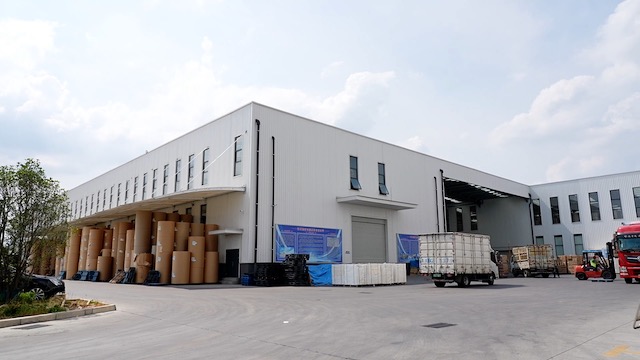
Luohe Temip Plastic Products: Advanced Packaging Excellence
Situated strategically within the Dongcheng Industrial Agglomeration Zone in Luohe, Henan—the undisputed epicentre of China's food science and agro-processing corridor—Luohe Temip Plastic Products Co., Ltd. operates a modern 2,200 square-meter production facility backed by 9+ years of precision polymer forming and sustainable food-packaging innovation.
Our dedicated workforce of 37 skilled technical staff, packaging engineers, and QA inspectors oversees continuous extrusion, cleanroom forming, and automatic nesting packaging lines serving top-tier international brands and Fortune 500 foodservice operations.
- SGS Assessed On-Site Facilities
- Documented Fortune 500 Supplier
- In-House Ingot & Resin Inspection
- Full OEM/ODM Tooling Prototyping
- FDA & LFGB Food-Contact Compliance
- Verified 4.3/5 Buyer Reputation Score
Six-Stage Quality Control Protocol: From Resin Inspection to Pallet Export
Eliminating container deformation, lid mismatch, and chemical migration risks through empirical metallurgical and polymer testing.
Stage 1: Incoming Resin Spectrometry
Every batch of incoming PET/rPET pellet feedstocks undergoes Melt Flow Index (MFI) verification and moisture-desiccant screening. We reject non-conforming polymer resins containing unauthorized plasticizers or heavy-metal catalyst impurities.
Stage 2: Precision Sheet Extrusion
Multi-layer co-extrusion dies maintain continuous gauge accuracy across the web with real-time gamma-ray thickness profiling, ensuring that finished thermoformed sidewalls provide identical structural resistance under compressive forces.
Stage 3: Multi-Station High-Speed Forming
German-designed servo-driven pressure forming stations operate with ceramic heating banks calibrated to ±1.5°C. Computerized cavity vacuum cycles guarantee exact definition on snap-locks, stack rims, and debossed brand insignias.
Stage 4: Automated In-Line Punch & Trim
Hardened tool steel die blades execute ultrasonic-assisted micro-trimming, leaving zero micro-shards, rough burrs, or jagged edges around the container lip, guaranteeing that automated commercial de-nesting machines run without mechanical jamming.
Stage 5: Hermetic Vacuum Chamber Testing
Finished salad bowls filled with simulated colored vegetable oils undergo negative pressure testing inside calibrated vacuum chambers to -0.06 MPa for 5 continuous minutes, mathematically proving zero liquid bypass or perimeter gasket separation.
Stage 6: Multi-Wall Palletized Packaging
Automated sleeve packagers wrap stacked units into dust-free food-contact PE bags before placement into heavy-duty 5-ply corrugated export master cartons, engineered to survive high-humidity ocean transit and multi-tier containerized staging.
Comprehensive B2B Procurement FAQ: PET Salad Bowl Sourcing
Direct technical and operational answers to common inquiries from international commercial importers, brand managers, and procurement officers.
Q1 What distinguishes APET, RPET, and CPET when sourcing food containers?
APET (Amorphous PET) provides maximum clarity and rigidity for cold foods within -40°C to +65°C. rPET (Recycled PET) utilizes mechanical or chemically decontaminated post-consumer resins, retaining up to 98% of virgin tensile performance while meeting global ESG mandates. CPET (Crystallized PET) undergoes thermal treatment, turning opaque off-white to withstand oven temperatures up to 220°C (428°F), making it suited for dual-ovenable ready meals rather than cold salad displays.
Q2 Can your PET salad bowls be used in standard microwaves?
No. Standard PET exhibits a glass transition temperature around 67°C to 75°C. Exposing PET to direct microwave radiation causes structural thermal softening and warping. For microwave-reheatable applications, we recommend our polypropylene (PP) injection/thermoformed bowls or our food-grade poly-coated kraft paper containers paired with ventilated lids.
Q3 What certifications accompany your production batches for customs clearance in the US and EU?
Every commercial export order includes third-party lab verification certificates confirming compliance with US FDA 21 CFR 177.1630 (polyethylene phthalate polymers) and EU Framework Regulation (EC) No 1935/2004 and Regulation (EU) No 10/2011 concerning overall and specific heavy metal and plasticizer migration limits. Factory-level ISO 9001 and SGS on-site audit verification reports are available upon request.
Q4 What are the Minimum Order Quantities (MOQ) and lead times for custom tooling and private-label embossing?
For catalog stock designs (volumes ranging from 500ml/16oz up to 1450ml/48oz), our standard production MOQ begins at 50,000 units. For fully customized proprietary container architectures, custom tool steel molds and aluminum prototype forming plates are fabricated in-house within 12 to 15 working days. Mass production lead time averages 20 to 25 days following signed physical sample approval.
Q5 How does your factory prevent electrostatic dust contamination during thermoforming and packing?
Static charges naturally build up on PET sheets during unrolling and thermoforming, acting as a magnet for atmospheric dust. Our production lines feature high-intensity active de-ionizing bars at the sheet in-feed, forming cavity, and automatic stacking bays. Packaging is executed in enclosed cleanroom conditions, and finished stacks are instantly hermetically heat-sealed inside poly dust sleeves.
Q6 How do your lids address liquid leakage and sauce migration during rapid bike or motorcycle delivery?
We engineer our container rims with a deep 360-degree perimeter interference fit (snap-groove lock). When the matching lid is pressed onto the base, an audible click verifies that the mechanical interference seal is engaged. This design prevents side-wall deflection and leakage even when containers are tilted at 45-degree angles inside food delivery insulated bags.
Q7 How does the factory manage color consistency when integrating high-percentage rPET (PCR)?
Post-consumer recycling can introduce subtle blue-gray or amber undertones. Temip maintains strict spectrophotometric color-index tolerances by sourcing exclusively from certified single-stream wash plants and utilizing optical brighteners and masterbatch stabilizers compliant with food-contact statutes to guarantee uniform aesthetic presentation across continuous manufacturing seasons.
Q8 What export trading terms and logistics support do you provide for full container loads (FCL)?
We routinely support FOB Qingdao/Tianjin, CIF international destination ports, and DDP (Delivered Duty Paid) door-to-door consignments. High-cube container loading plans are pre-modeled in CAD logistics software to maximize pallet cubic volume, preventing carton crushing and optimizing ocean freight expenditures per thousand finished pieces.
Engineer Your Custom Food Packaging Line with Factory-Direct Precision
Partner with an SGS-assessed China manufacturing leader. Speak directly with our packaging engineers to request physical qualification samples, review technical CAD drawings, or receive immediate container-load export quotations.