Enterprise Sourcing Guide
Direct-from-Factory Rigid & Hybrid Food Packaging Units
Polypropylene (PP) copolymer and composite paperboard formulations represent the backbone of industrial catering, dark kitchens, and prepared-meal delivery. Below are eight mission-critical salad and fresh meal packaging solutions manufactured to exact institutional tolerances.
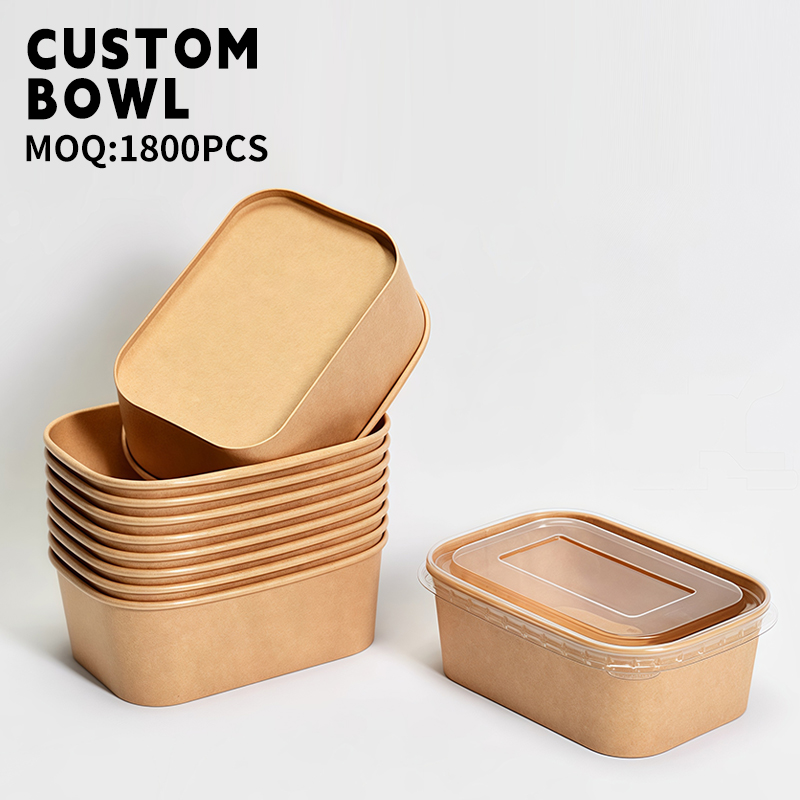
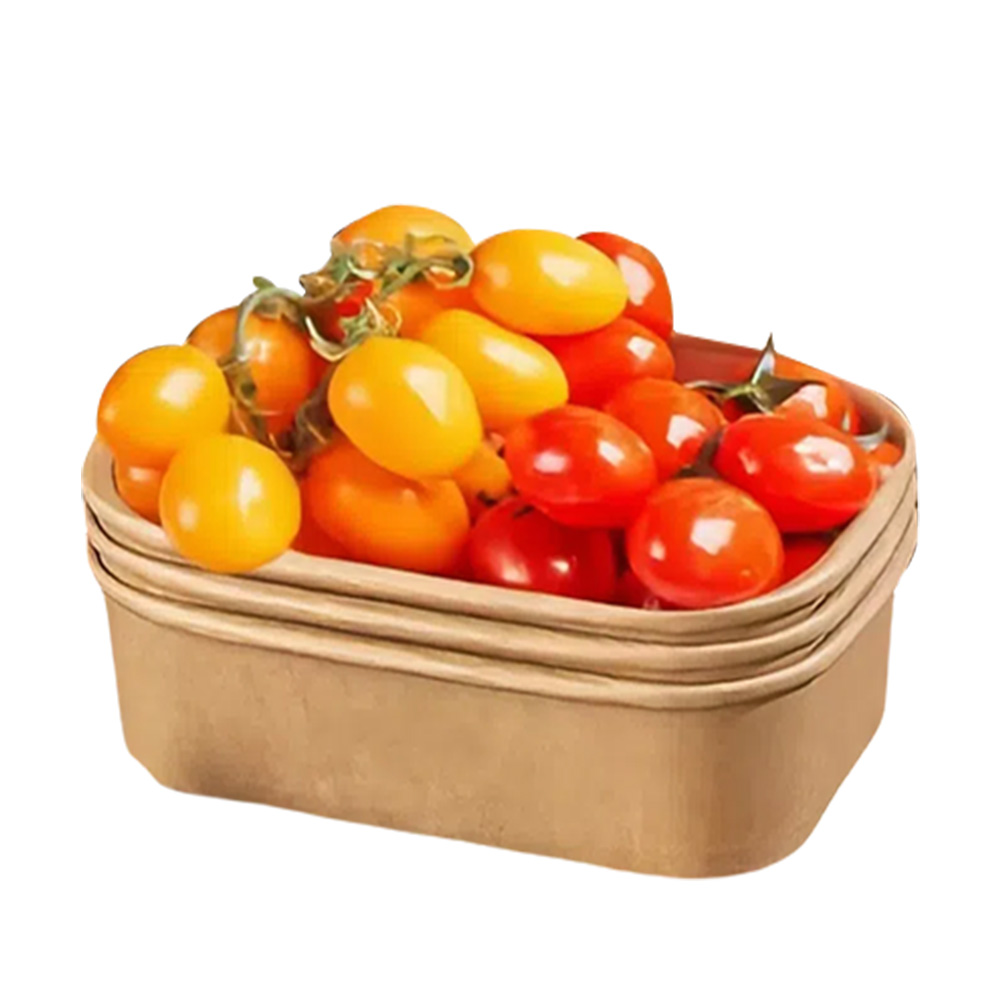
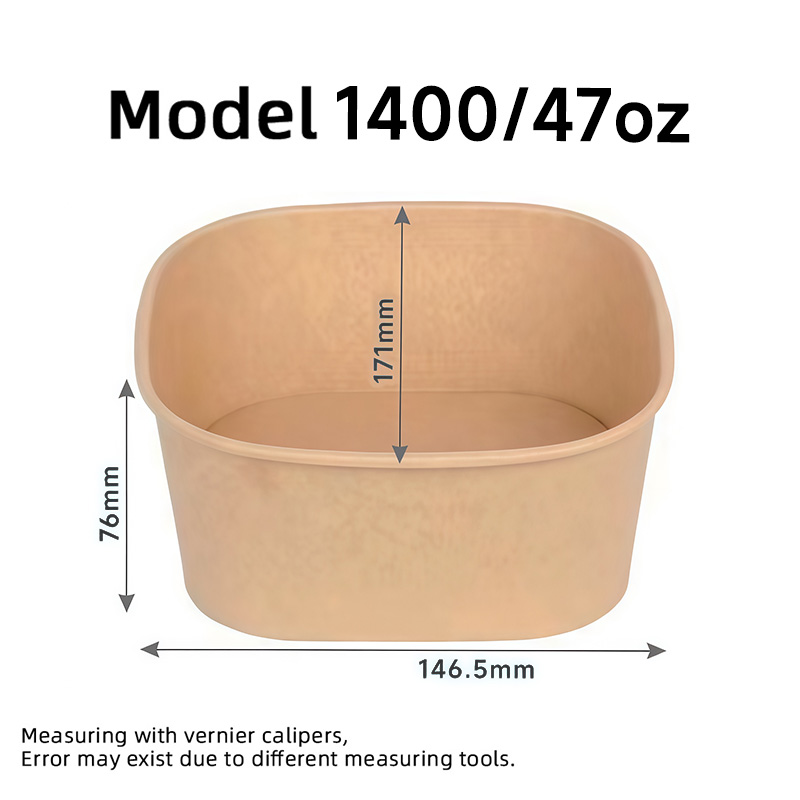
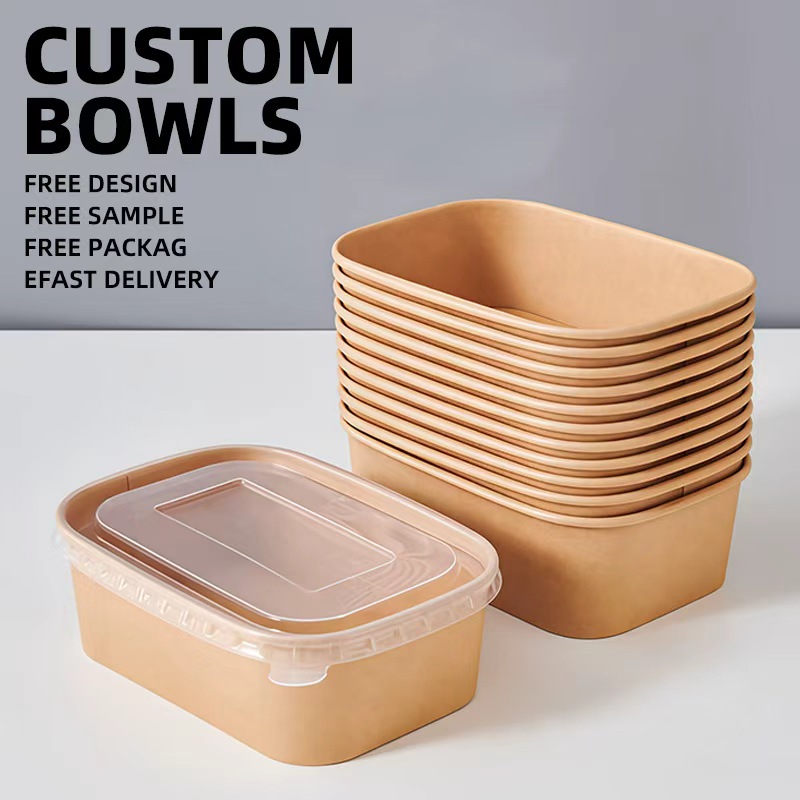
Technical Insight & Evaluation
Evaluating the Top 10 PP Salad Bowls Factories & Suppliers
When global restaurant brands and fast-casual franchise chains evaluate the global landscape of Polypropylene (PP) salad bowl manufacturers, operational stability is dictated by raw resin viscosity, thermoforming mold cavitation, and environmental stress cracking resistance (ESCR).
Procurement Benchmark Notice: Polypropylene food containers are designated under Resin Identification Code 5 (PP). Unlike amorphous polyethylene terephthalate (PET) which deforms under elevated temperatures (heat deflection threshold ~65°C), semi-crystalline PP structures retain mechanical integrity up to 120°C. For institutional food service operations serving complex dressed salads containing acidic emulsions (vinaigrettes, olive oil, citrus marinades) alongside warm proteins (grilled chicken, hot grains), PP provides superior resistance to fatty-acid penetration and lid-rim leakage.
1. Virgin vs. Clarified PP Polymer
High-tier Chinese factories utilize medical or food-contact certified clarified polypropylene with advanced sorbitol-based nucleating agents. This reduces standard PP haze from 30% down to under 8%, matching the visual transparency of PET while retaining thermal durability for microwave regeneration.
2. Rim Stacking & Latch Tolerances
Automated packaging assembly lines demand strict rim roundness and interference-fit rim channels. Leading suppliers maintain +/- 0.15mm CNC mold tolerance, guaranteeing that lid closure snap sounds are audible and preventing displacement during third-party courier motorcycle transit.
3. High-Cavitation Thermoforming
Evaluating supplier tiers hinges on equipment footprint. Tier-1 facilities operate German or high-speed multi-station tilt-mold machines running 24 to 48 cavities per cycle with inline optical defect detectors, minimizing wall thickness variations and ensuring consistent structural grammage.
Material Science & Life Cycle
Salad Packaging Engineering: Material Performance Matrix
Compare physical, thermal, and barrier properties across standard food-grade materials to identify the right platform for high-volume quick service restaurant (QSR) distribution.
| Substrate Platform | Thermal Window | Oil & Acid Ingress Barrier | Optical Clarity | Circular Economy Pathway |
|---|---|---|---|---|
| Clarified PP (Polypropylene) | -20°C to +120°C (Microwave Safe) | Superior (Hydrophobic) | Translucent to Semi-Clear | Widely Recyclable (#5 PP stream) |
| Virgin PET (Polyester) | -40°C to +65°C (Cold Only) | High Resistance | Glass Clear (92%+ Transmittance) | Established Closed-Loop (#1 rPET) |
| Kraft Board + PE Lining | -10°C to +90°C | Moderate (Edge Ingress Risk) | Opaque Natural Brown | Requires Delamination Infrastructure |
| Kraft Board + Aqueous/PLA | -10°C to +85°C | Vinaigrette Sensitive | Opaque Organic Texture | Industrial Composting (EN 13432) |
Market Forecast & Sourcing Projections
Macro Trends Shaping PP Salad Bowl Procurement Through 2030
As regulatory mandates like the European Union Single-Use Plastics Directive (SUPD) and extended producer responsibility (EPR) schemes gain traction, brand managers must position their supply lines ahead of compliance curves.
Lightweighting & Micro-Fluting
Suppliers are achieving 12% to 18% weight reduction without sacrificing top-load stacking compression. Advanced ribbed designs around the bowl shoulder distribute forces evenly, lowering container tariff costs and plastic excise taxes across key export destinations.
Tamper-Evident Integrated Locks
Third-party delivery platforms (UberEats, DoorDash, Deliveroo) are driving demand for bowls with molded tear-off locking tabs. This eliminates manual tape sealing, improves food hygiene assurance, and preserves container geometry during transit.
Post-Consumer Recycled (PCR) PP
Driven by chemical recycling breakthroughs, food-contact grade post-consumer recycled polypropylene (rPP) is scaling rapidly. Enterprise buyers now secure long-term allocations with verified FDA Non-Objection Letters (NOL) and EFSA safety opinions.
Hybrid Paper-PP Formulations
For markets phasing out single-use plastics entirely, hybrid vessels that blend renewable unbleached virgin kraft paper with ultra-thin, heat-peelable PP inner barrier liners offer the structural stability of plastic with the curbside repulpability of traditional corrugated cartonboard.
Enterprise Manufacturing Advantages
Factory Verification: Luohe Temip Plastic Products Co., Ltd.
Operating from the food-processing nexus of Luohe, Henan, China, Temip provides a vertically integrated manufacturing bridge between technical resin processing and high-volume export delivery.
SGS On-Site Verified Facility
Our 2,200 m² modern clean production floor has completed full on-site evaluation by SGS Group. Sourcing professionals can inspect independent audit documentation verifying machinery capability, social compliance, and raw material tracking.
Fortune 500 Vetted Supply Chain
With 9+ years of proven manufacturing discipline, Temip has supported multi-SKU institutional rollouts for Fortune 500 brands. We manage tight production tolerances across paper bowls, PP containers, bento cartons, and matching lids.
Comprehensive OEM/ODM Agility
Supported by our internal toolmakers and 37 skilled packaging specialists, we offer low-friction sample turnaround, custom embossments, high-definition flexographic/offset branding, and precise structural nesting for optimized container payload shipping.
Procurement Due Diligence
Frequently Asked Questions for PP Salad Bowl Importers
Key engineering, testing, and logistical criteria to verify before signing purchase orders.
What food packaging lines does Temip manufacture at scale?
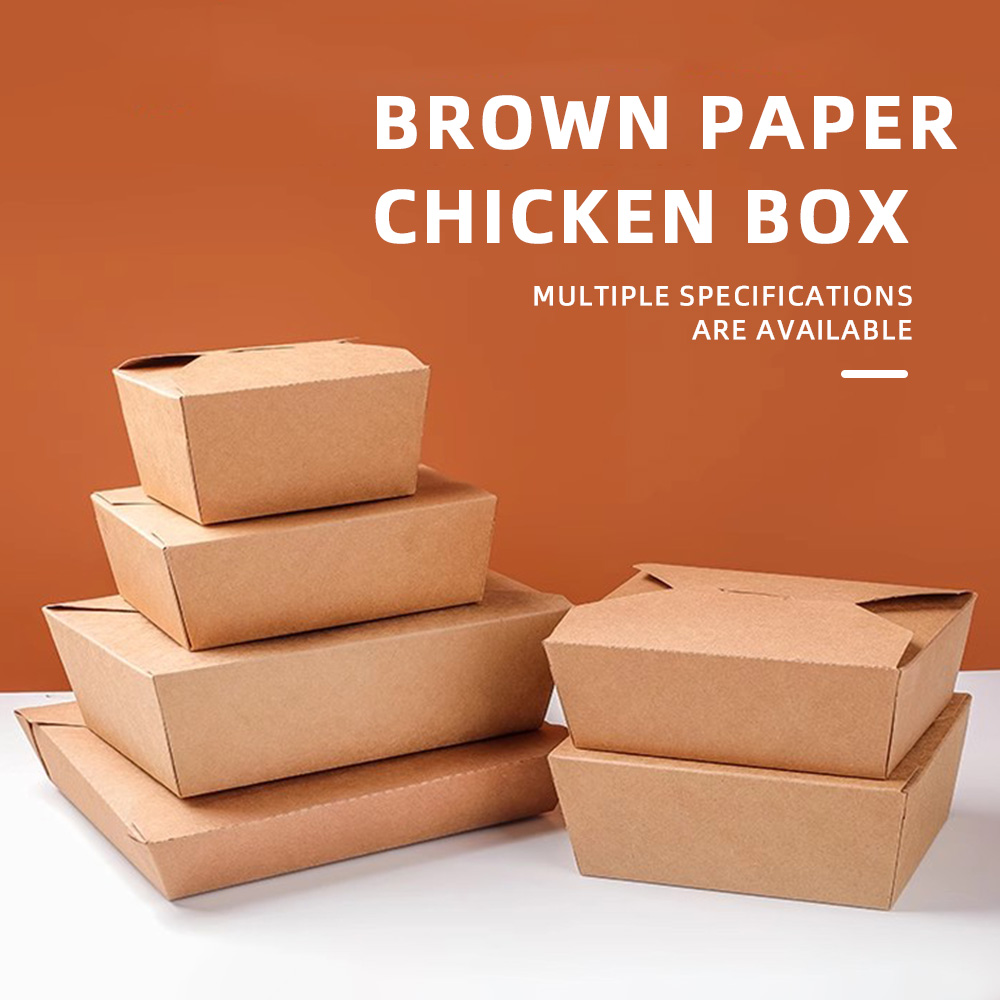
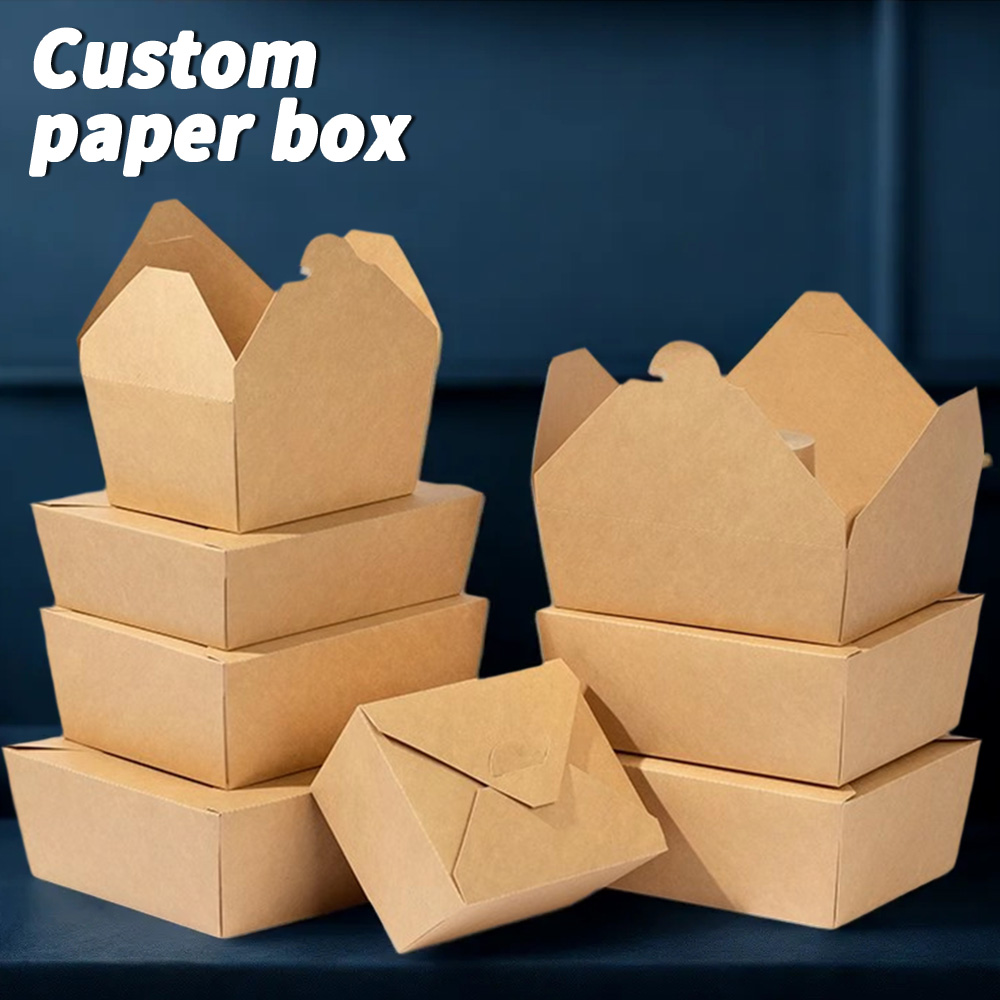
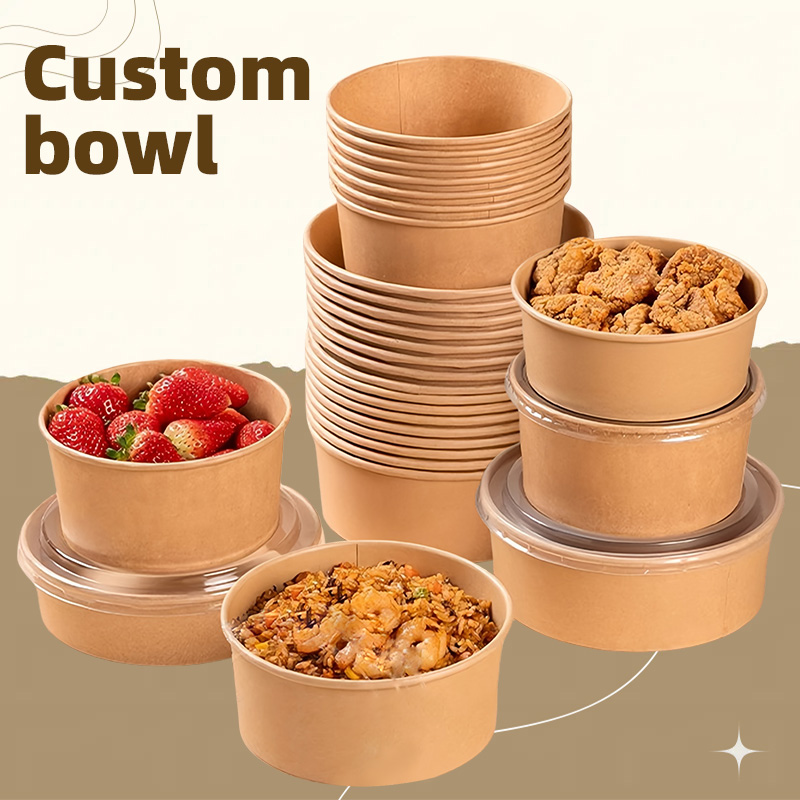
We manufacture a comprehensive foodservice portfolio: food-grade disposable paper plates and bowls, clarified and virgin PP plastic bowls, biodegradable PLA-lined paper cups, octagonal kraft bento boxes, rectangular meal-prep cartons, fried chicken boxes, open snack boats, and takeout packaging bags across standard and custom specifications.
How do PP salad bowls perform compared to PET under hot foods or microwave reheating?
Polypropylene (PP) features a thermal glass-transition threshold allowing continuous service up to 120°C, making it microwave safe and resistant to stress cracking when hot gravies or fried proteins are added to cold salad bases. In contrast, PET degrades structurally above 65°C, resulting in container warping and lid seal failure.
What third-party factory certifications and test reports are available?
Our manufacturing center has undergone complete on-site physical auditing by SGS Group. Production lots can be accompanied by food-contact test documentation verifying compliance with FDA 21 CFR 177.1520 (olefin polymers) and EU Regulation No 10/2011 overall migration limit (OML) standards using aqueous, acidic, and fatty food stimulants.
What are the typical minimum order quantities (MOQ) and lead times for OEM branding?
Stock item cartons ship within 3–7 business days. For customized print runs or custom-tooled mold dimensions, our MOQ starts at 30,000 units depending on size. Engineering tooling lead time is approximately 15–20 days, followed by mass manufacturing at 50,000–100,000 units per shift cycle.
How is hermetic sealing verified on salad bowl lids to prevent courier leaks?
Our quality control department tests rim sealing integrity using vacuum chamber bubble leak testing (ASTM D3078) and physical 180° inverted tilt-drop verification filled with low-viscosity liquid solutions to guarantee that courier transit vibrations do not break lid retention.
Connect Directly with Our Packaging Engineers
Whether you require clarification on clarified PP resin grades, custom compartment tooling, or high-volume wholesale pricing, our export technical desk provides quotes within 12 business hours.