2,200 m²
Certified Cleanroom Facility
SGS Assessed
On-Site Verified Audits
±0.03 mm
Precision Injection Tolerance
Fortune 500
Enterprise Vendor Experience
Factory Product Selection
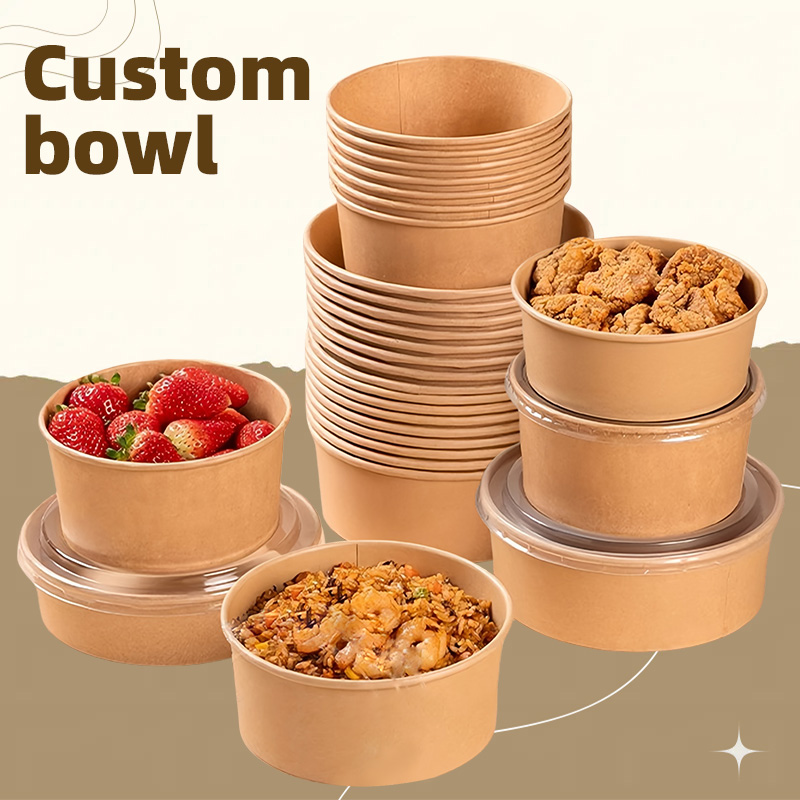
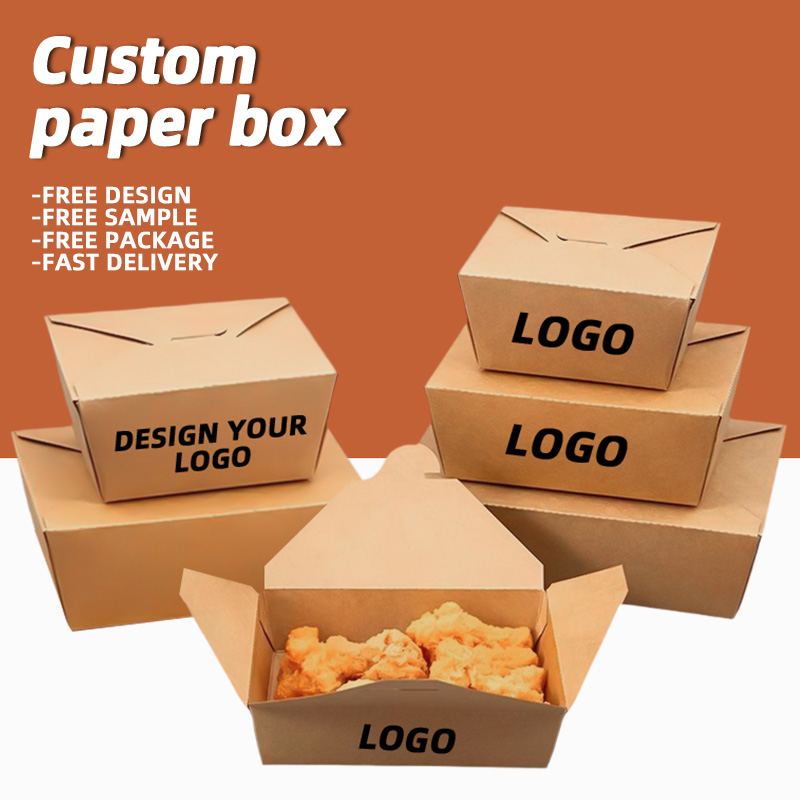
Engineered Food Packaging Lines & Precision Lidding Systems
OEM/ODM custom-formed containers engineered with leak-proof seals, oil resistance, and crystal-clear presentation for industrial foodservice brands.
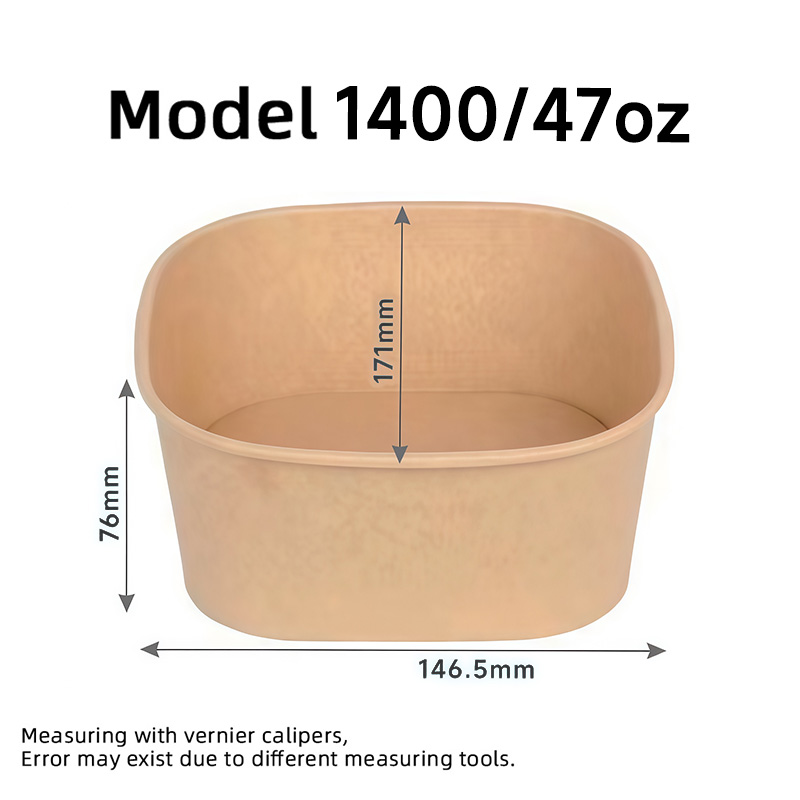
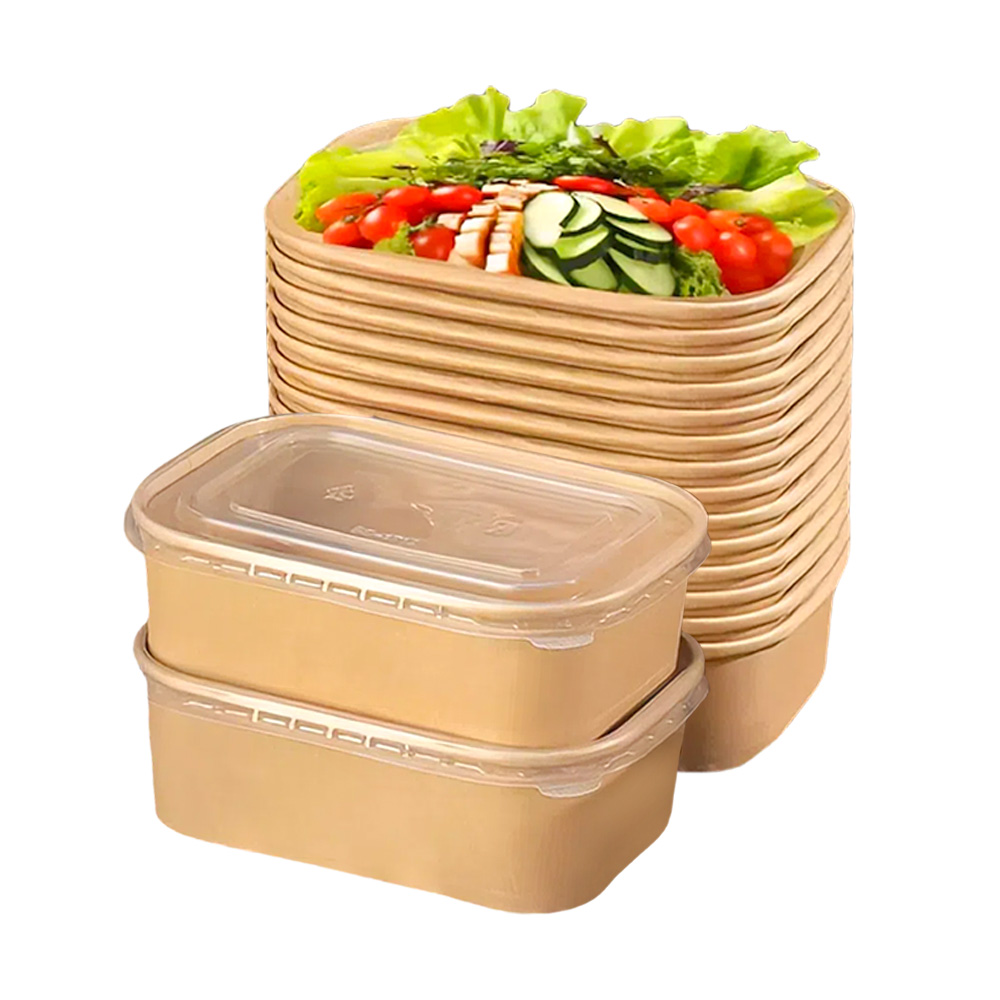
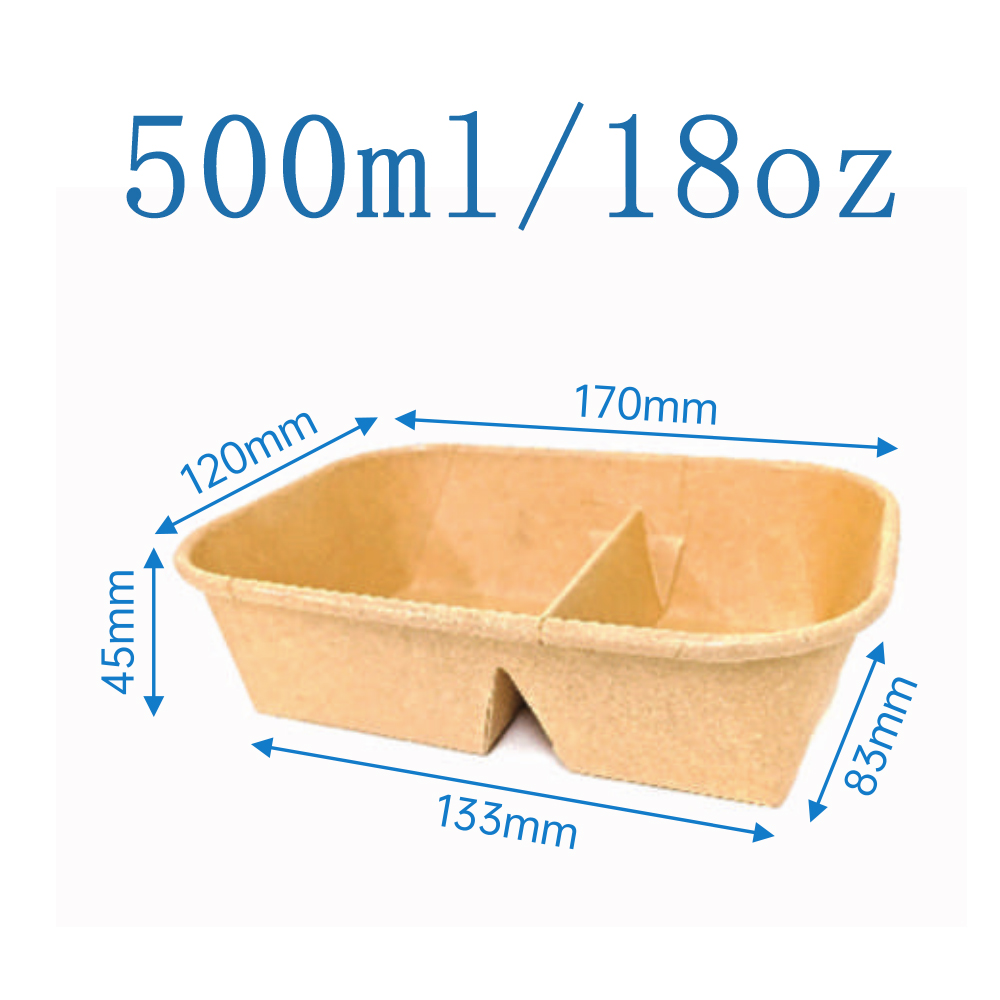
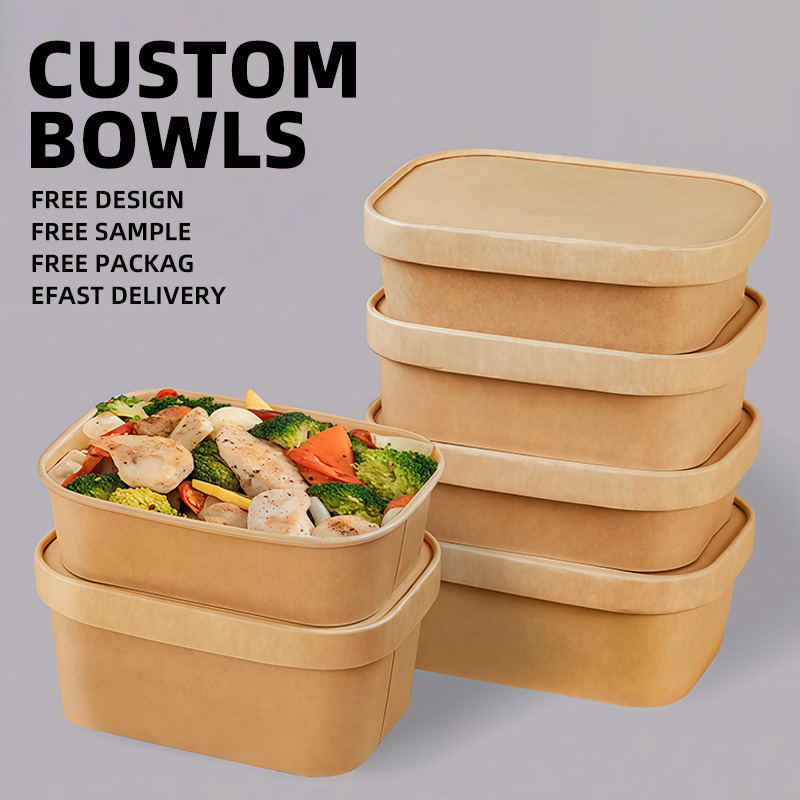
Procurement Analysis
Navigating Polyethylene Terephthalate (PET) vs. Polypropylene (PP) in Scaled Operations
As international supply chains balance stringent extended producer responsibility (EPR) mandates, commercial food delivery packaging decisions hinge on intrinsic thermal barriers, gas permeation rates, and circular reclaim infrastructures. When sourcing from the top 10 PET plastic containers manufacturer & factories, technical directors and enterprise procurement agents must evaluate crystal clear optical clarity (amorphous APET) versus the thermal elasticity of oriented or modified polymers.
"Material selection in automated food retail requires balancing moisture vapor transmission rates (MVTR) and oxygen transmission rates (OTR) to extend shelf life while maintaining zero leak rates across micro-grooved lid rims."
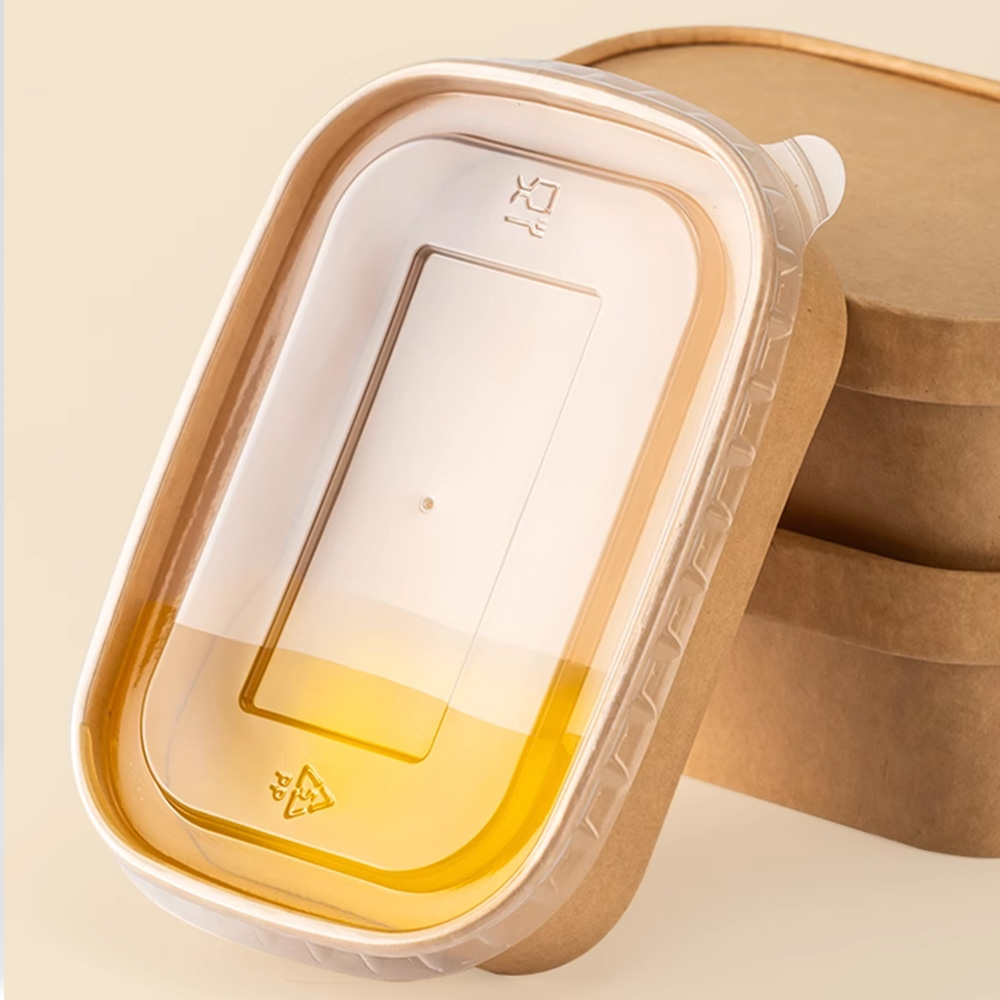
PET (Polyethylene Terephthalate) stands as the gold standard for cold chain food processing, deli packaging, micro-green clamshells, and modified atmosphere packaging (MAP) due to its near-zero oxygen permeation rate relative to polyolefins. Conversely, applications exceeding 85°C mandate polypropylene (PP) formulations or heat-set CPET. High-performing contract packaging lines incorporate custom lid-locking channels—such as the 172mm precision PP lids designed by factory engineers—to prevent condensation pop-off and withstand hydraulic pressure drops during long-distance multimodal logistics.
| Polymer Variant | Thermal Boundary (°C) | Clarity / Haze Rating | OTR (cc/m²·day) | Best Architectural Application |
|---|---|---|---|---|
| Virgin APET | -40°C to +65°C | >92% Optical Transparency / Low Haze | 45 - 60 | Cold salads, deli display tubs, fresh fruit clamshells, drink cups |
| Food-Grade rPET | -40°C to +65°C | 82% - 88% (Slight visual hue variance) | 50 - 70 | Closed-loop supermarket packaging, sustainable takeaway lines |
| Food-Grade PP | -20°C to +120°C | Translucent to Semi-Clear | 1,200 - 1,800 | Microwavable lunchboxes, hot noodle soup bowls, heat-resistant lids |
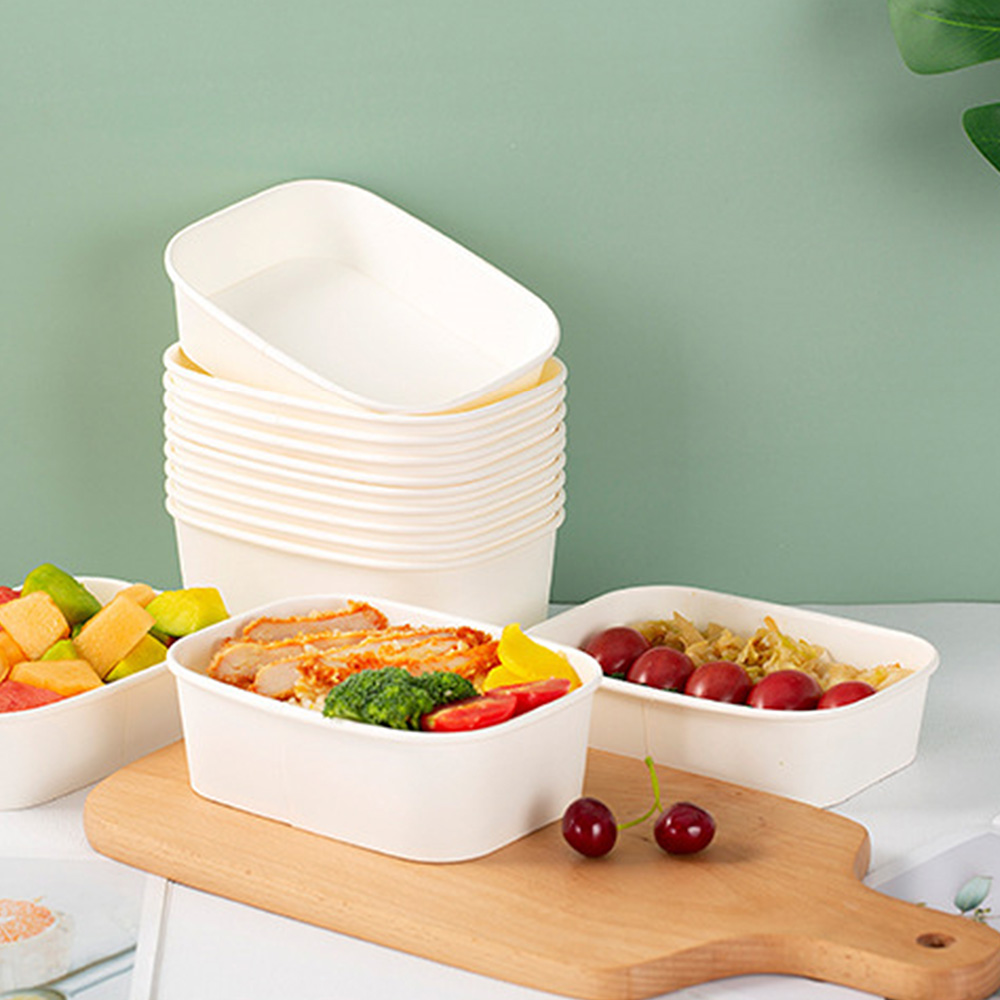
| Aqueous/PLA Kraft Board | -10°C to +90°C | Opaque Kraft / Bleached White | Substrate Dependent | Multi-compartment bento, fried chicken cartons, eco bowl bases |
Market Intelligence
Future Procurement Trends in Rigid Plastic & Composite Food Packaging
Key technological, regulatory, and macro-economic factors determining procurement strategies over the next five-year cycle.
Circular Recyclability & rPET Blends
Global regulatory compliance mandates (such as the EU Packaging and Packaging Waste Regulation) will require minimum Post-Consumer Recycled (PCR) resin quotas reaching up to 30% by 2030. Factories capable of direct decontamination and food-contact EFSA/FDA-certified resin pelletization will dominate supply chain continuity, shielding buyers from carbon import tariffs.
Down-Gauging via Advanced Thermoforming
Material optimization through high-tonnage multi-station pressure forming allows factory tooling to maintain structural sidewall integrity while reducing total resin consumption by 12% to 18%. Ribbed geometric contours and stepped corner fillets provide vertical stacking compression strength, directly mitigating ocean logistics volumetric tariffs.
Hybrid Substrate Co-Packaging
Enterprise fast-food chains are transitioning away from monolithic plastic assemblies toward hybrid formats: pairing virgin unbleached kraft paper bases with high-clarity anti-fog PET clip lids, or pairing greaseproof paperboard salad tubs with snap-fit recyclable PP covers. This design synergy provides both visual merchandising appeal and verifiable municipal compostability.
Manufacturing Horizons
Next-Generation Technological Innovations in High-Speed Production Lines
How cutting-edge precision manufacturing lowers unit failure rates while securing rapid OEM/ODM delivery schedules.
Internal Anti-Fog Top Co-Extrusion
Modern PET forming integrates food-safe surfactant-based anti-fog compounds directly into the surface layers of clear plastic lids. This prevents water droplet condensation when cold-stored foods encounter ambient air, ensuring visual product presentation inside retail grocery chillers.
Servo-Driven Precision Tooling
Transitioning from hydraulic press stamping to multi-axis servo-driven thermoforming systems maintains an exact thickness distribution across deep-draw corners. This eliminates stress-whitening, structural brittleness, and vacuum collapse in high-altitude air freight shipments.
Integrated Tamper-Evident Geometries
Consumer safety has elevated tamper-evident tear-strips from a niche option to an industry standard. Factory-integrated breakable perimeter bridges deliver visible confirmation of seal integrity without requiring secondary heat-shrink sleeves or manual adhesive tape.
Verified Factory Capabilities: Luohe Temip Plastic Products Co., Ltd.
Located in the Dongcheng Industrial Agglomeration Zone, Luohe City, Henan Province—one of China's primary food-processing epicenters—Temip delivers custom packaging solutions tested against real-world restaurant, takeaway, and industrial production environments.
SGS On-Site Assessment
Our manufacturing facilities, physical floor capacity, and management protocols have undergone direct on-site physical audits verified by SGS Group.
Fortune 500 Proven
Proven track record as a Tier-1 vendor for international Fortune 500 foodservice and hospitality supply contracts, passing multi-stage quality inspections.
Source Material Inspection
Strict incoming raw resin and kraft paperboard testing ensures food-contact compliance, tensile consistency, zero odor migration, and certified food safety.
Full OEM / ODM Scope
From graphic label application to complete mold design, tool machining, and functional structural prototypes delivered within rapid R&D turnaround cycles.
Procurement Guide
Frequently Asked Questions: Bulk Sourcing PET & Foodservice Packaging
Clear, direct answers to common compliance, customization, and logistical questions from international supply chain managers.
Q What minimum order quantities (MOQs) apply for custom brand tooling?
Standard off-the-shelf items typically require an MOQ of 10,000 to 30,000 units. Custom injection or thermoforming mold fabrication usually begins at 50,000 units per production run. Tooling fees are amortized or refunded upon reaching predefined annual volumetric thresholds.
Q How does PET perform with hot soups and microwavable foods?
Virgin amorphous PET begins deflecting and softening at temperatures exceeding 65°C (149°F), making it unsuitable for hot fill or microwave applications. For boiling broths, noodles, or reheating, our engineering team recommends using food-grade Polypropylene (PP) containers or PE/PLA-lined paperboard bases with specialized vent-hole lids.
Q How do you ensure lid sealing performance during transit?
Every lid mold features a precision dual-snap engineered perimeter bead. We run random lot negative-pressure vacuum chamber tests to verify that container assemblies retain seals during pressure drops, inverted agitation, and rough courier handling.
Q Can samples be produced with custom artwork before bulk production?
Yes. We offer sample-based customization. We provide pre-production samples—including laser-etched prototypes, digital mock-ups, and short-run printed paperboard containers—for testing barrier performance, visual branding, and packing-line feeding before volume manufacturing begins.
Q What food-contact certifications accompany export shipments?
Our products comply with relevant international food-contact regulations, including FDA 21 CFR 177.1630 for PET plastics, EU No 10/2011 plastics directives, and standard heavy-metal and phthalate screening. Full lab reports are available upon contract signing.
Q Can international buyers inspect manufacturing facilities?
Yes. We welcome third-party audit agencies (such as SGS, BV, or Intertek) and scheduled visits from buyer sourcing teams to our clean production facility located in the Dongcheng Industrial Agglomeration Zone, Luohe City, Henan Province, China.