Engineered Food Packaging for Scaled Commercial Delivery
As food aggregators, institutional catering facilities, and brand chains enforce stringent greaseproof, thermal stability, and decarbonization benchmarks, selecting an assessed direct-from-source manufacturer dictates margin retention and risk insulation.
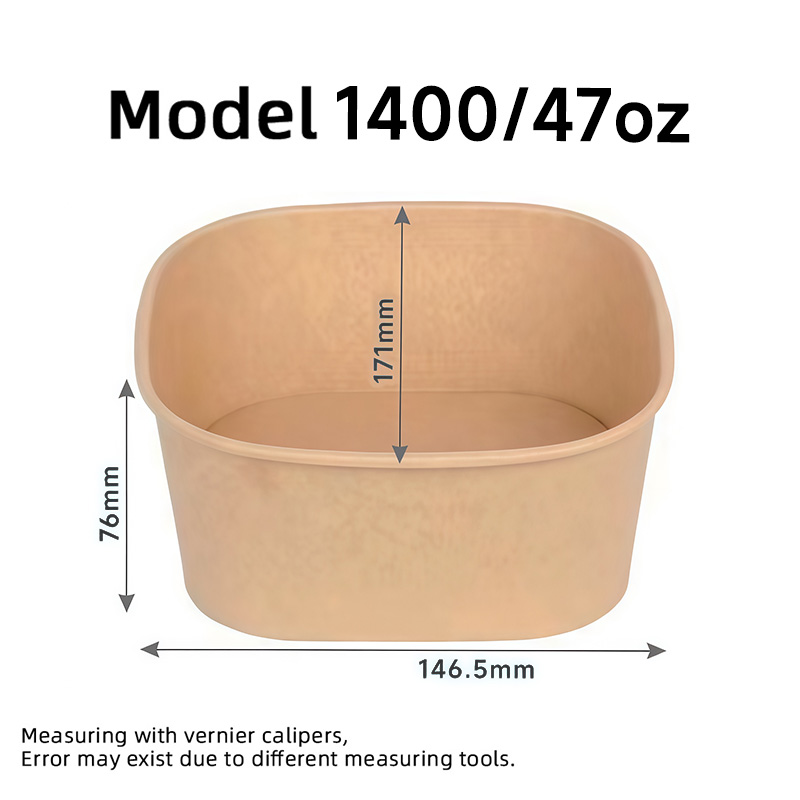
Square 1400ml/47oz Jiehui Factory Wholesales Biodegradable Kraft Cartons
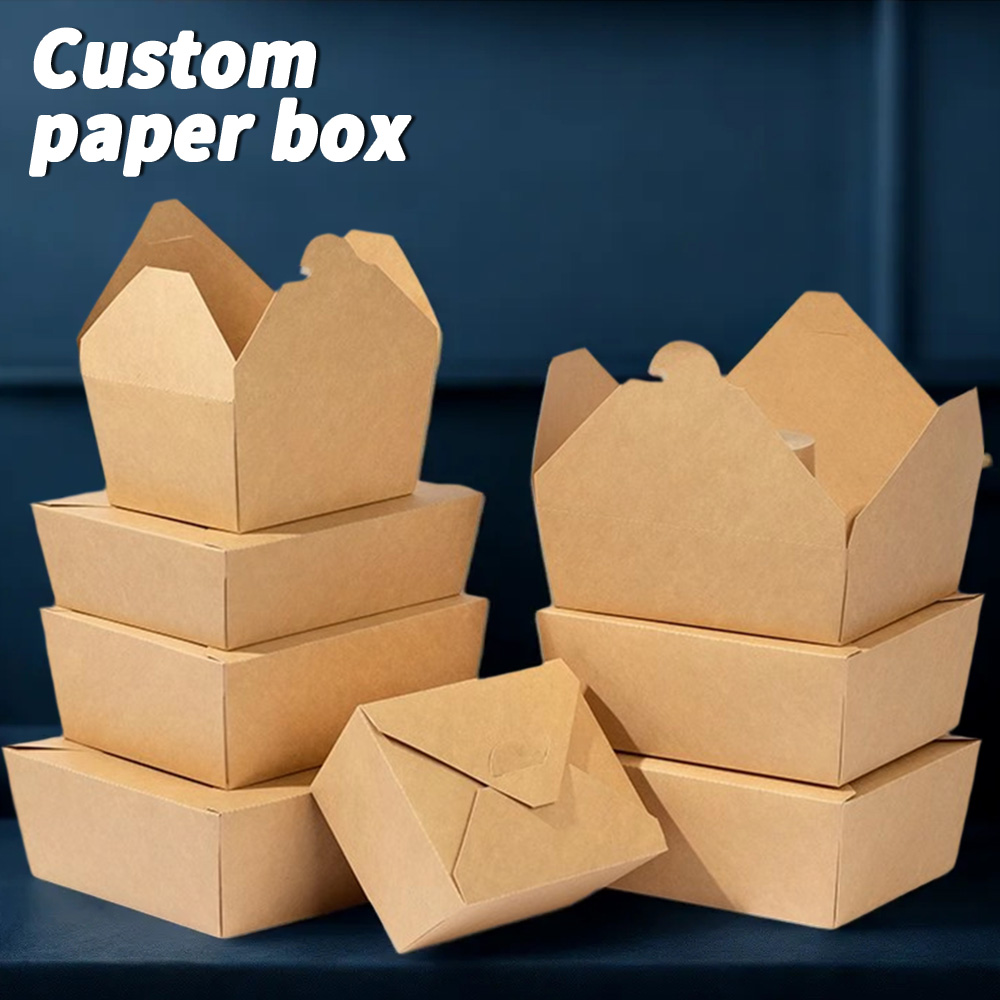
Best-Selling Kraft Paper Lunch Boxes for Takeout Sushi & Fruit Prep
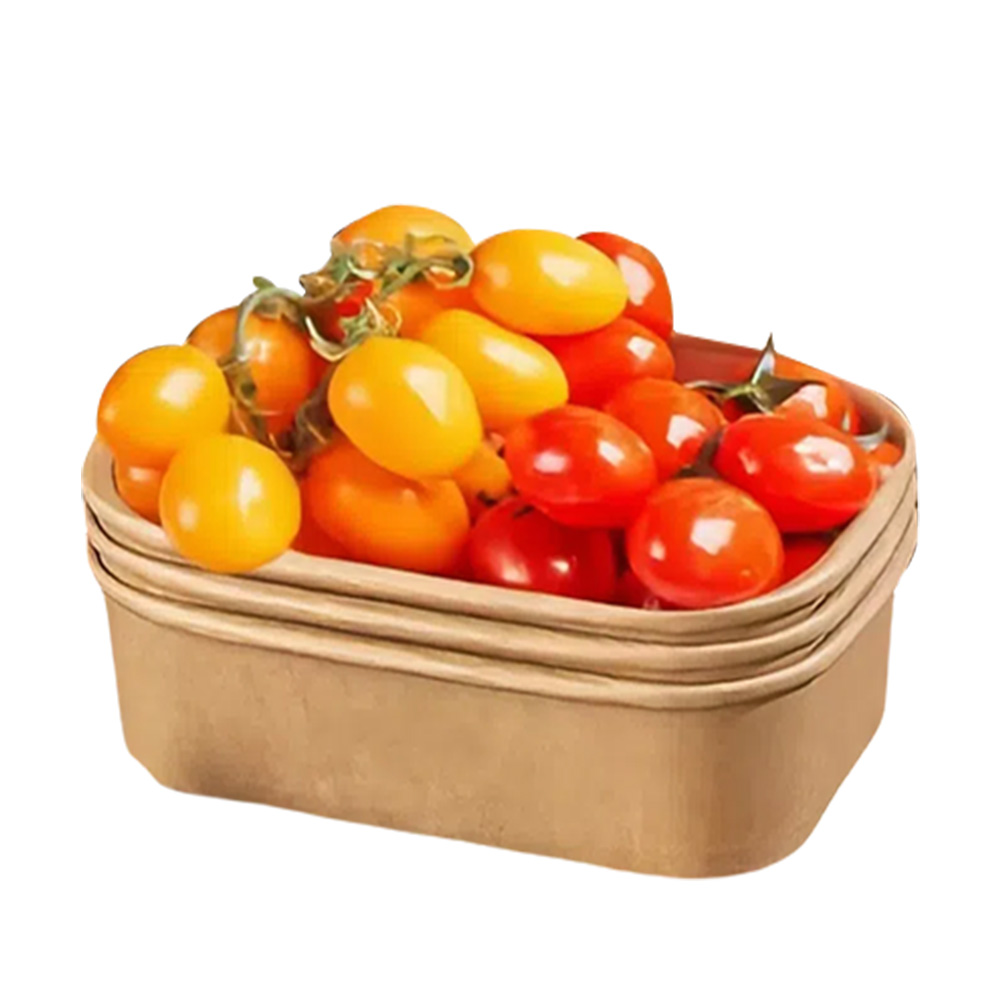
Factory Supply Custom Printed Kraft Bento Box Food Grade Lunch Pack
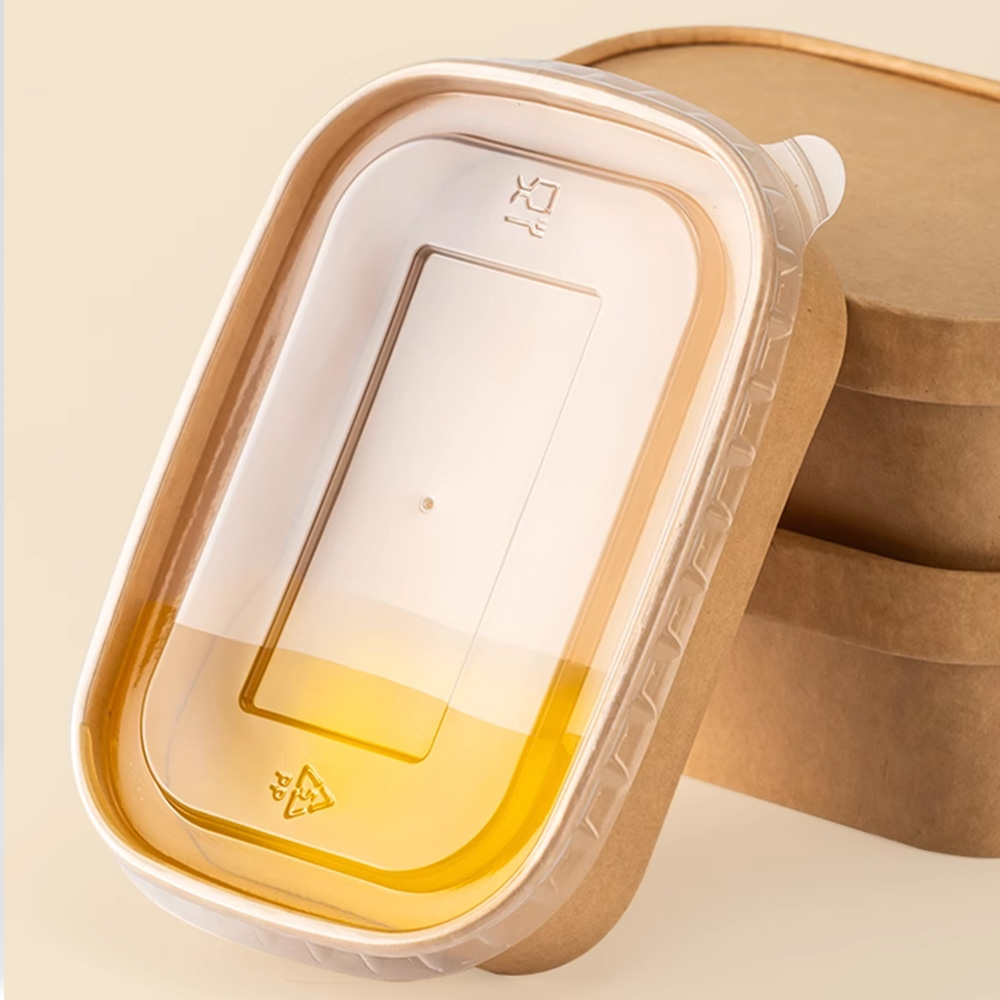
Factory Supply PP Lid 172mm Rectangular for Custom Bento Prep Boxes
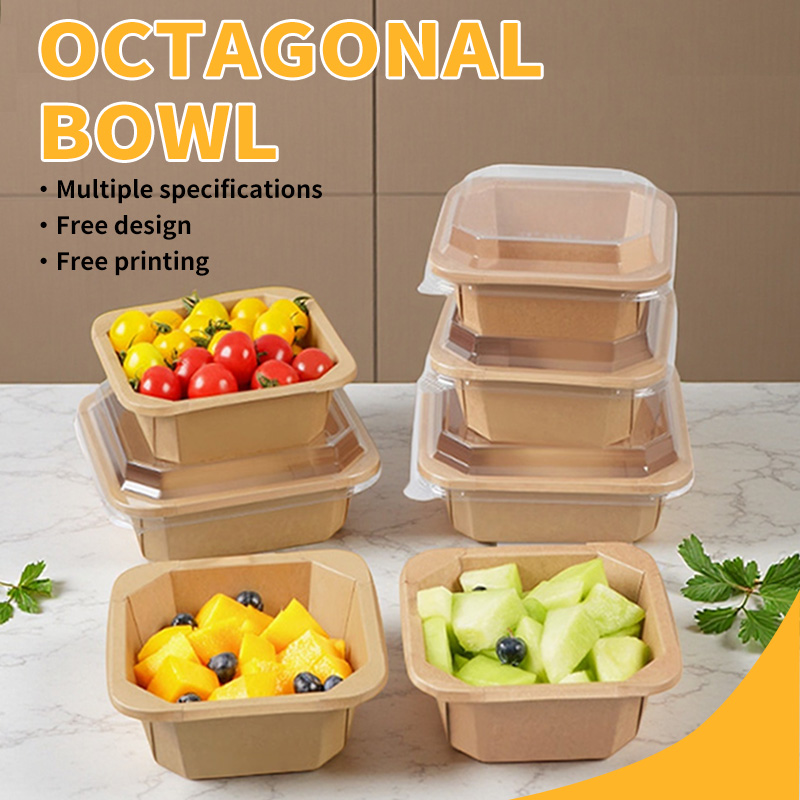
Custom Logo Leakproof Paper Food Bowl (300ml to 1200ml Series)
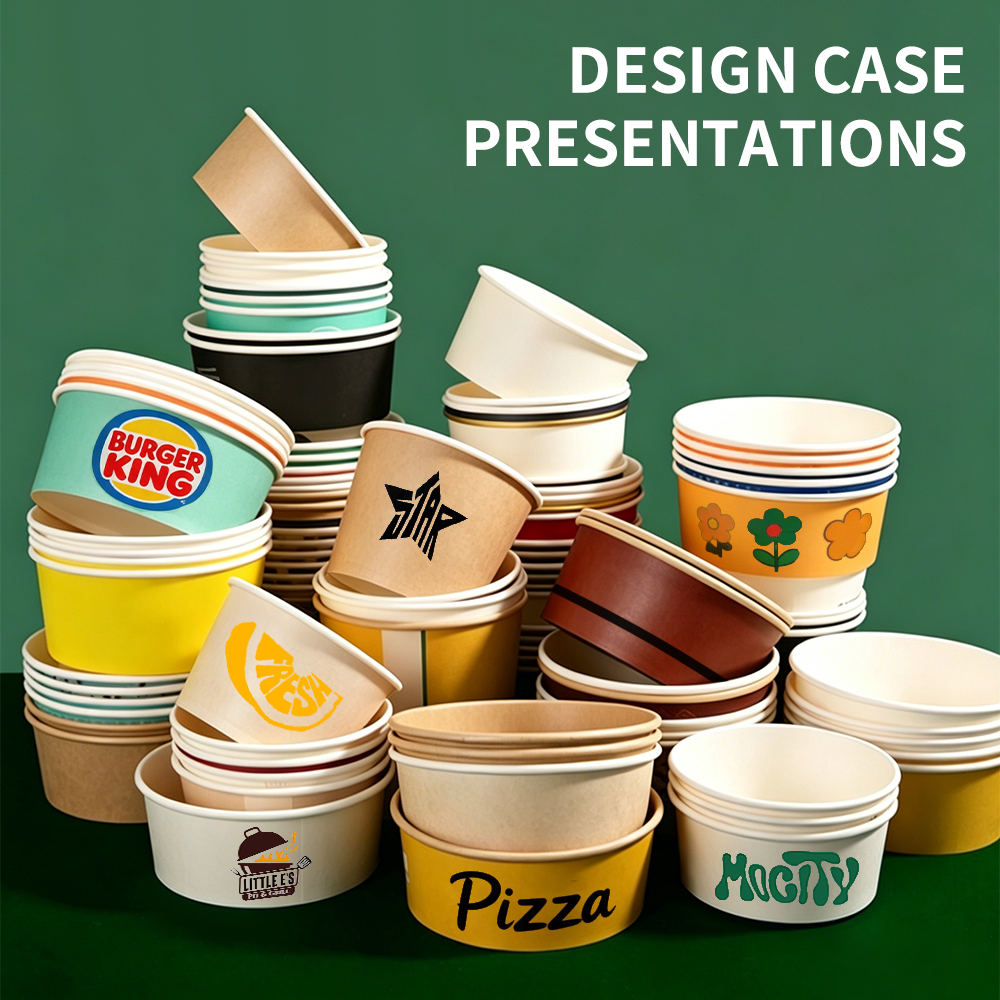
Factory Direct OEM Kraft Paper Salad Bowls with Precision Snap Lids
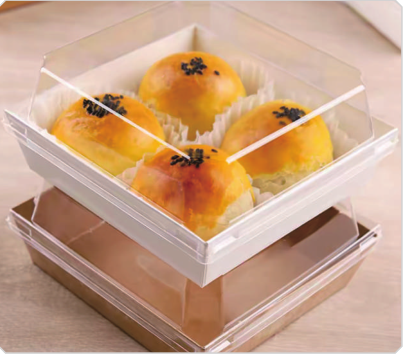
Square Pastry & Meal Prep Container with Ultra-Clear PET Lid
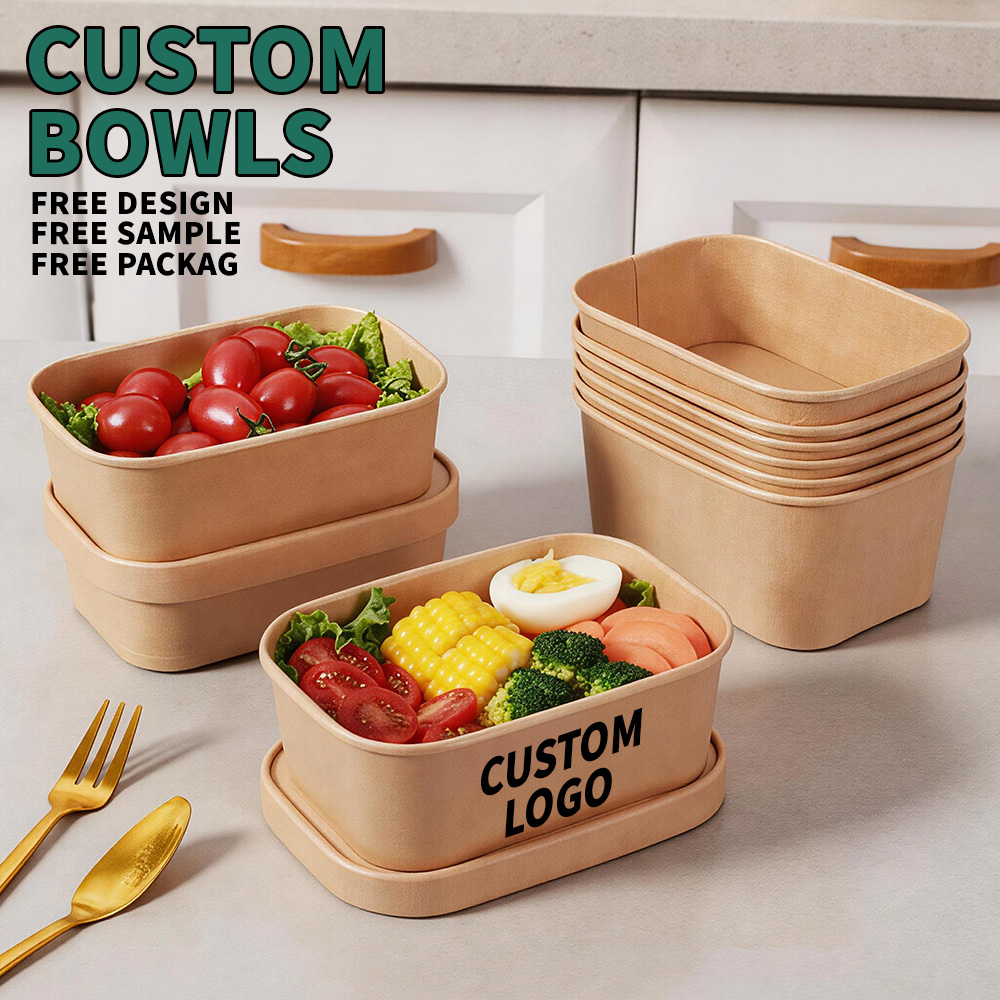
Food Grade Coated Paper Takeaway Prep Containers with Lock Lid
Structural Shifts in Meal Prep Container Manufacturing
The commercial meal prep, cloud kitchen, and institutional food service sector is experiencing a massive paradigm evolution. Sourcing managers are no longer evaluating containers merely on unit cost (FOB). Today's procurement mandate demands rigorous barrier performance, automated lidding compliance, and microplastic mitigation. With jurisdictions such as the European Union enforcing the Single-Use Plastics Directive (SUPD) and various US states penalizing intentional per- and polyfluoroalkyl substances (PFAS), the global export landscape has consolidated around factories with true vertical integration, in-house barrier extrusion, and cleanroom standard molding.
Information Gain Benchmark: Standard single-wall polyethylene (PE) coatings are increasingly deprecated in tier-one retail markets. Modern high-speed distribution demands water-based dispersion barrier coatings (Aqueous) and polyhydroxyalkanoates (PHA) or polylactic acid (PLA) linings that withstand 100°C saturated vapor pressure without delamination or grease strike-through.
Key Sourcing & Procurement Trends Shaping the Next 3–5 Years
To insulate enterprise supply chains from tariff volatile swings and regulatory disruption, procurement officers must align with factories demonstrating capabilities across three strategic axes:
PFAS-Free Grease Repellence
Global food safety agencies have banned fluorinated chemicals. Leading factories now leverage surface sizing with modified starches, dense virgin wood fibers, and aqueous polymers to achieve Kit 7 to Kit 9 grease resistance without halogenated surfactants.
Hermetic Snap & Stacking Geometry
With third-party delivery dispatchers handling multi-tier deliveries on variable transit routes, lid retention under hydrostatic shock is vital. Patented 360-degree perimeter locks with anti-deformation ribs prevent leakage and structural buckling.
Monomaterial Circular Recyclability
Container-and-lid combinations engineered entirely from food-grade homopolymer polypropylene (PP) or fully repulpable virgin kraft paperboard streamline consumer sorting, allowing food brands to fulfill Extended Producer Responsibility (EPR) mandates.
Material Performance Matrix: Comparative Analysis for Bulk Buyers
Before issuing requests for quotation (RFQs), procurement heads should match container substrates against food temperature, transport duration, and disposal channel specifications:
| Substrate Configuration | Thermal Range | Grease Barrier (Kit Level) | Industrial Compostability | Primary Commercial Use Cases |
|---|---|---|---|---|
| Virgin Unbleached Kraft + PLA | -18°C to +85°C | Kit 6 - 8 | Certified Industrial (EN 13432) | Salad bars, poke bowls, cold-to-warm healthy bento sets |
| Aqueous Dispersion Coated Board | -20°C to +120°C | Kit 7 - 9 | Repulpable in Standard Paper Mills | Saucy curries, noodles, fried chicken, universal takeout |
| Mineral-Filled Homopolymer PP | -20°C to +125°C | Kit 12 (Immune) | Curbside Recyclable (Code 5) | Commercial microwave reheating, frozen-to-hot entrees |
| High-Yield White Cardboard + PE | -10°C to +100°C | Kit 5 - 7 | Requires Specialized Delamination | High-definition full-color bakery, pastry, and dessert boxes |
Luohe Temip Plastic Products: Factory Infrastructure & Technical Assets
Headquartered in the Dongcheng Industrial Agglomeration Zone, Luohe City, Henan Province—the epicenter of China's heavy food processing cluster—Luohe Temip Plastic Products Co., Ltd. combines specialized material science with large-scale mechanical forming. Our infrastructure is engineered specifically to eliminate cross-border sourcing risks:
SGS Audited Facility
Complete on-site independent inspection verifying production hygiene, automated container forming lines, clean packaging cells, and worker occupational protocols.
Fortune 500 Experience
Demonstrated capacity delivering multi-million-unit programmatic contracts under rigorous zero-defect tolerances and standardized palletization rules.
Raw Material Control
On-site incoming density, caliper, and burst testing on all kraft stock and resin pellets prior to extrusion or thermoforming, ensuring uniform batch resilience.
Full-Spectrum OEM / ODM
From custom structural CAD drafting and rapid CNC mold creation to 6-color flexographic water-ink printing and automated robotic carton bundling.
Frequently Asked Questions by International Importers
Direct answers addressing container testing, MOQ flexibility, import compliance, and logistics handling.
How does Temip ensure compliance with EU SUPD and US FDA food contact rules?
What is the factory's standard lead time and sample verification procedure?
Can you manufacture custom-partitioned bento boxes with secure anti-leakage lids?
How do you optimize container nesting and pallet cube utilization for sea freight?
Initiate Your Direct Factory Sourcing Partnership
Connect with our technical export division in Luohe to request physical sample kits, custom tooling cost schedules, or volume container quotations.
Send an Inquiry