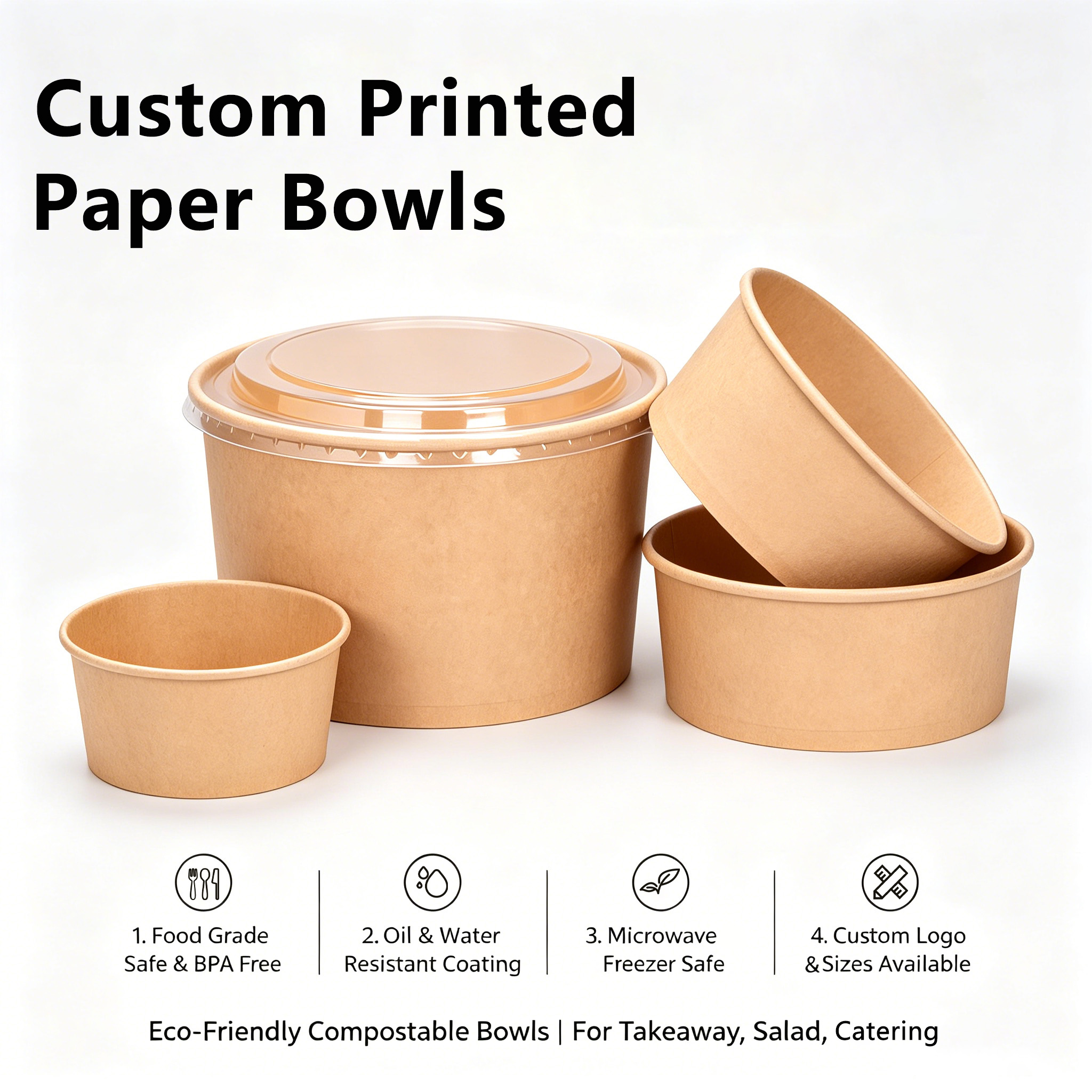
Factory-Direct Hinged & Takeaway Food Container Solutions
Precision-engineered disposable containers manufactured under strict SGS-verified ISO food-grade standards. Choose between recyclable virgin Polypropylene (PP), ultra-clear PET, and sustainable barrier board configurations engineered for high-demand delivery ecosystems.
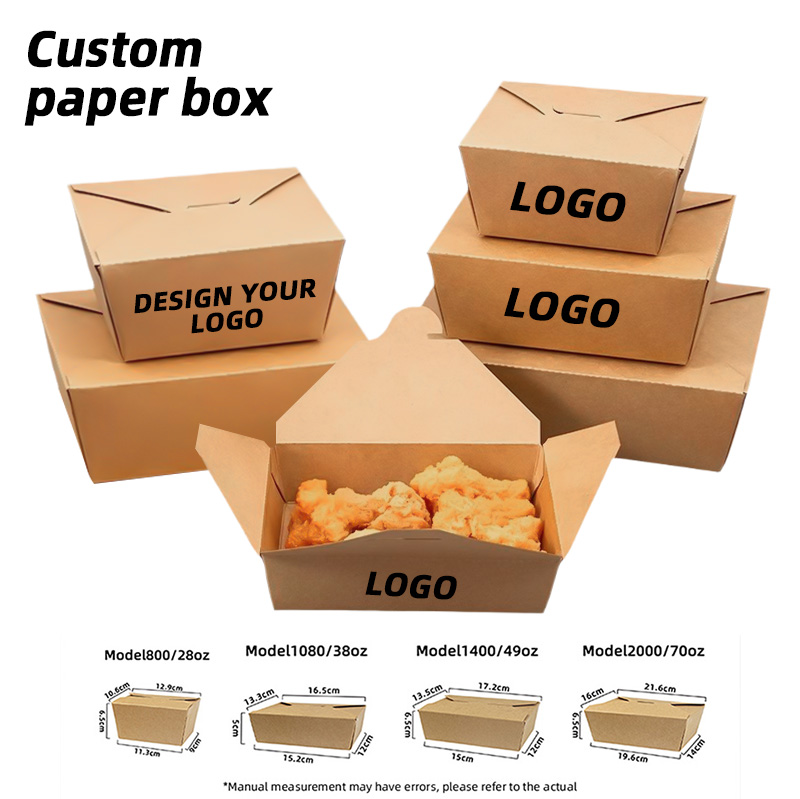
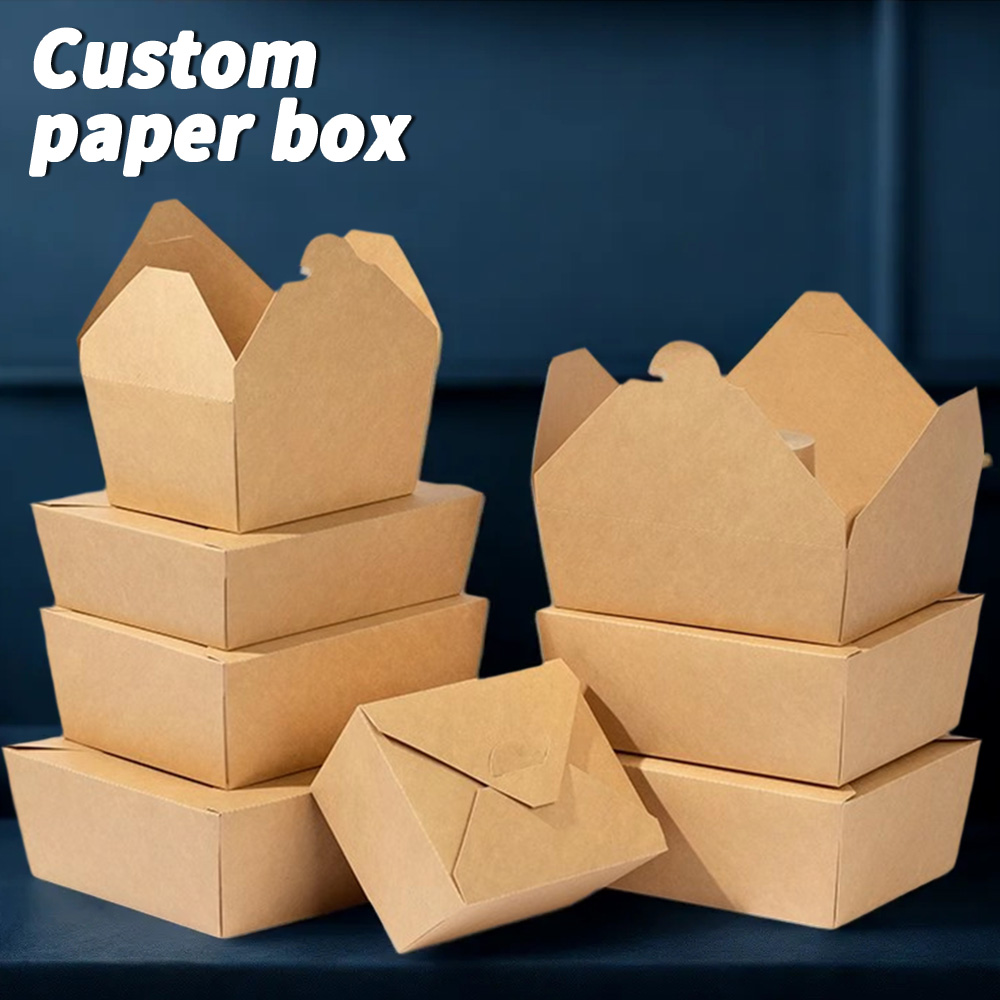
Anti-Deformation Structural Flutes
Best-Selling Kraft Paper Lunch Boxes for Takeout Food Custom Logo Factory Supply for Sushi Fruit Food Packaging Containers
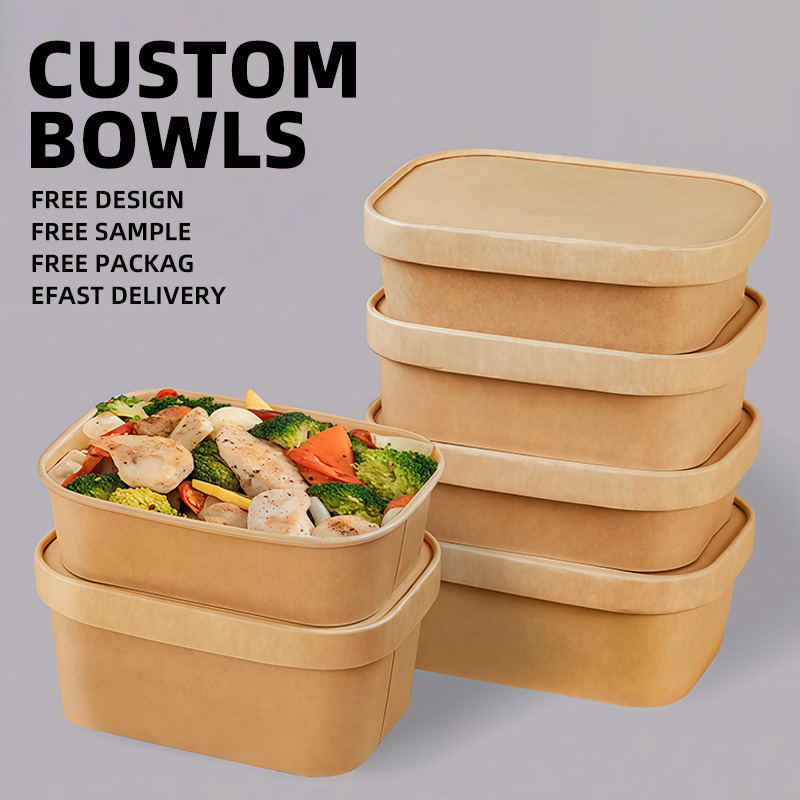
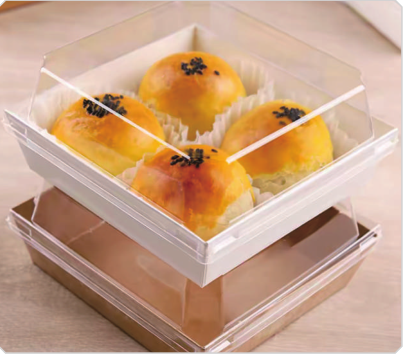
Anti-Fog Crystal Clear PET Display
Square Pastry Box with PET Lid Food Grade Disposable Paper Plates for Rice Snack Salad Takeaway Containers Food Packaging
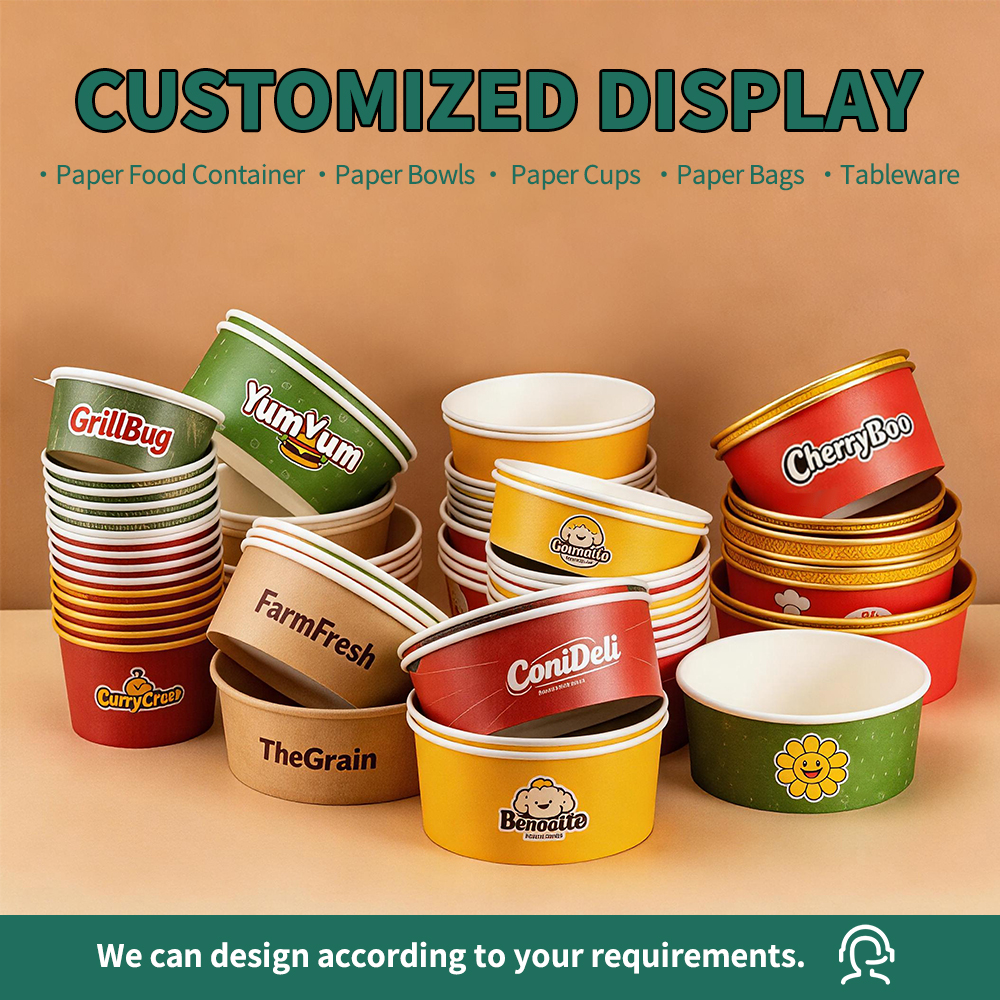
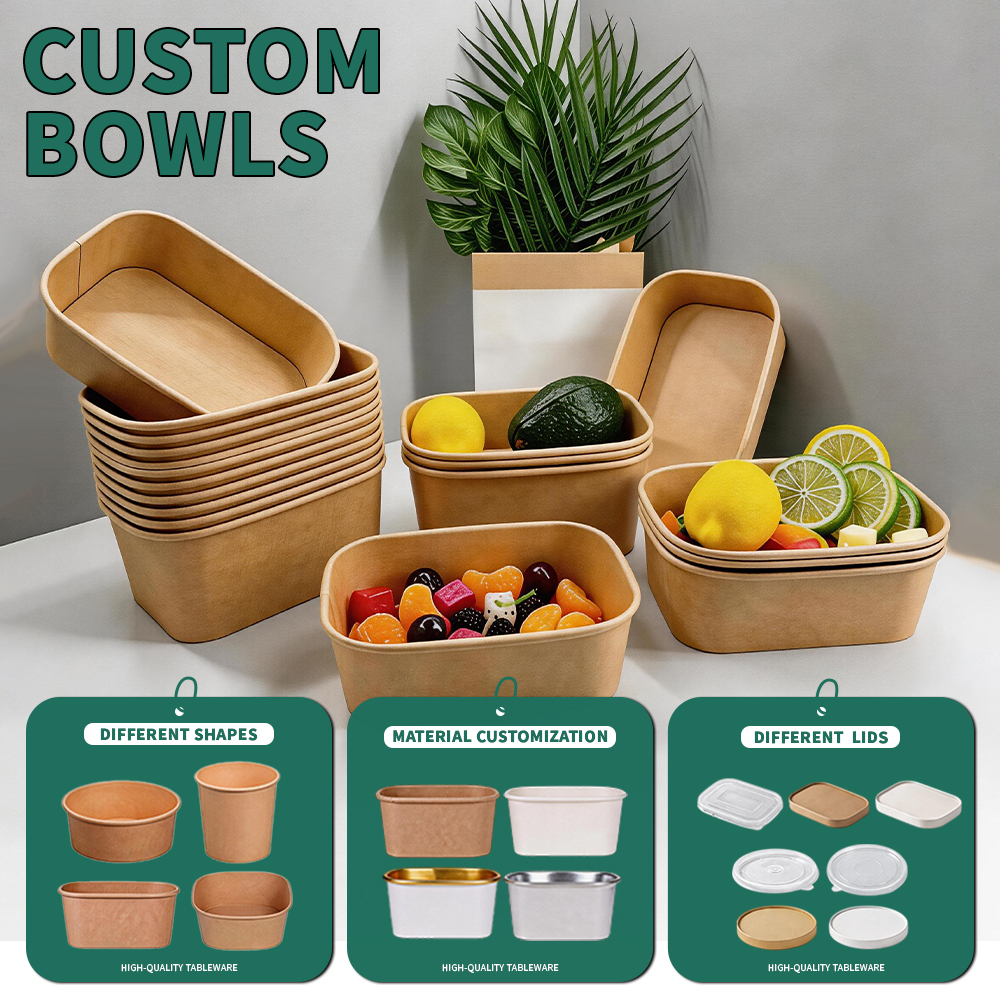
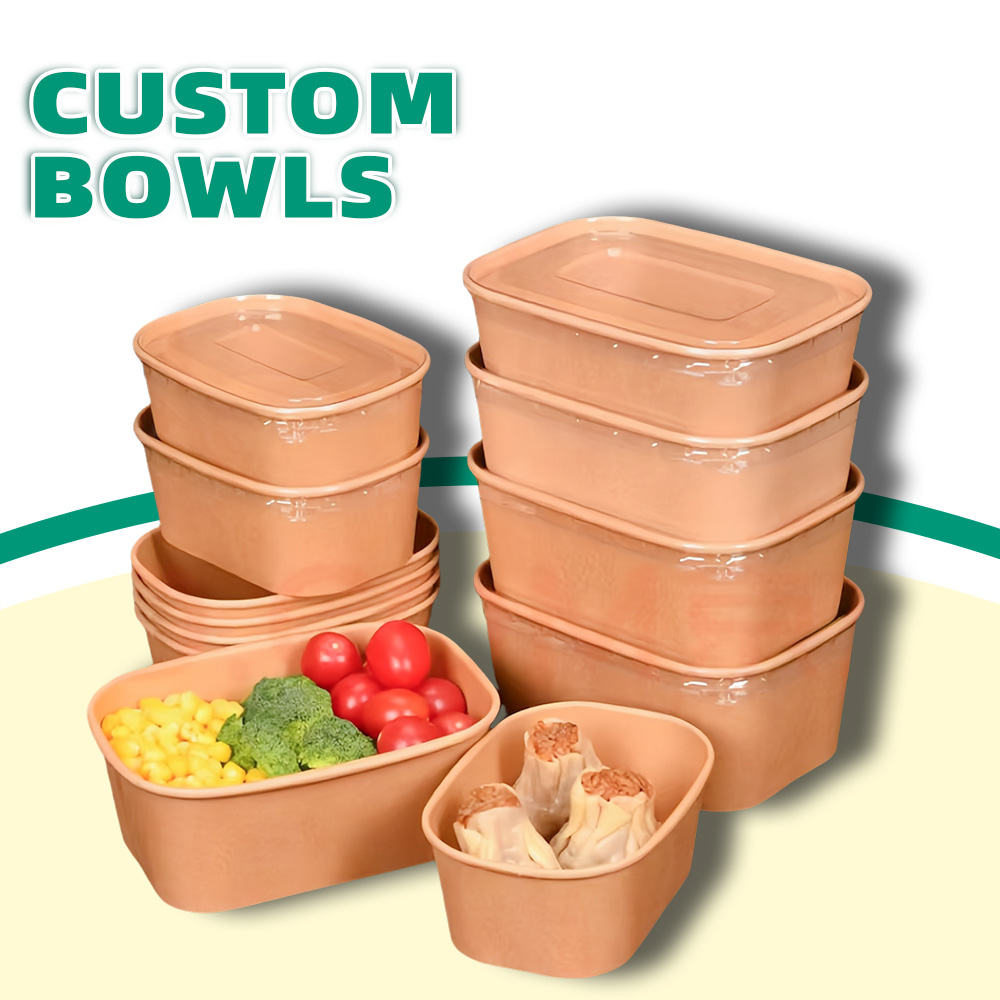
Thermal Shock Deflection Tested
Factory Supply Custom Brown Kraft Paper Disposable Lunch Box Heat-Resistant Salad Bowl with PET Lid Manufacturer Direct
9+
Years Manufacturing Excellence
2,200 m²
Modern Industrial Facility
Fortune 500
Audited Tier-1 Supplier Track Record
100%
On-Site Batch Spectrometry Inspected
Procurement Intelligence
How Global Brands Evaluate Hinged Plastic Container Suppliers
In high-volume foodservice operations, packaging is a critical engineering component directly tied to delivery transit integrity, consumer safety, and brand loyalty.
Perimeter Seal Hermeticity & Venting Dynamics
A true enterprise-grade hinged container must achieve dual functionality: zero grease or sauce seepage via precision engineered interference-fit locks, combined with targeted steam-relief micro-vents to prevent food condensation and softening during long delivery runs.
Material Purity & Food Contact Compliance
Global regulatory bodies like the US FDA (21 CFR § 177.1520) and EU Regulation 10/2011 mandate strict overall migration limits (OML). Tier-1 manufacturers test for non-intentionally added substances (NIAS) and phthalate plasticizers to guarantee pure contact safety.
Top-Load Deflection & Automated Denesting
Delivery platforms demand multi-tier container stacking without crushing. Packaging engineering mandates specialized ribbing and stacking lugs designed for jam-free automated denesting on high-speed food-prep and robotic packing lines.
Material Specification Matrix
Engineering Characteristics: Polypropylene (PP) vs PET vs Hybrid Barrier Solutions
Selecting the optimal container substrate requires balancing thermal resistance, structural barrier properties, operational footprint, and regulatory compliance.
| Performance Vector | Polypropylene (PP / C-PP) | Polyethylene Terephthalate (PET / rPET) | Aqueous / PLA Coated Kraft Board |
|---|---|---|---|
| Thermal Operating Window | -20°C to +120°C (Microwave & Hot Food Safe) | -40°C to +65°C (Cold Chain, Freezers, Salads) | -18°C to +100°C (Hot Soups, Rice, Bento) |
| Optical Clarity & Rigidity | Translucent / Clarified (High Flexural Fatigue) | Crystal-Clear Glass-Like (High Tensile Rigidity) | Opaque Natural Brown / Bleached White |
| Hinge Flex Fatigue Life | > 10,000 Cycles (Living Hinge Physics) | Moderate (Crease Scored / Perforated Lids) | Continuous Double-Fold Scored Flutes |
| Oil & Grease Barrier Rating | Exceptional (Aliphatic Hydrocarbon Proof) | High (Surface Tension Resistance) | Tested Kit Value > 12 (Water-Based / PE Barrier) |
| Post-Consumer Recyclability | High (RIC 5 Circular Closed Loops) | Highest Global Rate (RIC 1 Bottle/Tray Flakes) | Commercial Composting & Repulpable Schemes |
Future Sourcing Roadmap
Key Procurement Trends Reshaping Hinged Containers (2025–2030)
Strategic purchasing managers are looking beyond unit pricing to build sustainable, future-proof packaging portfolios.
Lightweighting via Precision Microcellular Foaming
Advanced factories deploy chemical or physical gas injection during extrusion, slicing resin consumption by 15%–22% while boosting thermal insulation and meeting single-use plastic reduction mandates.
Circular Economy & rPP/rPET Content Minimums
With Europe’s PPWR and North American state mandates demanding up to 30% recycled content by 2030, direct suppliers are rolling out EFSA/FDA-certified food-contact recycled resins with complete batch traceability.
Mono-Material Integral Tamper-Evidence
To eliminate expensive secondary shrink bands, next-generation hinged designs integrate one-piece breakaway pull-tabs directly into the perimeter latch, protecting delivery safety while preserving 100% single-stream recyclability.
PFAS-Free Barrier Formulations
As per- and polyfluoroalkyl substances face global bans, forward-thinking converters are transitioning to aqueous water-dispersed coatings and biopolymer blends that match fluorinated grease protection without toxic degradation.
Direct Factory Advantage
Why International Enterprise Buyers Partner with Temip
Operating from Luohe, Henan — China’s premier food processing and packaging innovation cluster — we provide full-scope engineering and verified production integrity for enterprise foodservice programs.
SGS Audited & Verified Production Facility
Our facility has passed rigorous on-site operational evaluations by SGS Group. From in-line multi-angle vision inspections to full warehouse traceability, your purchasing department receives transparent, audit-ready verification.
Proven Fortune 500 Sourcing Track Record
With third-party verified history serving multi-national supply programs, our dedicated engineering and account teams handle complex quality parameters, multi-SKU consolidation, and high-volume delivery schedules.
Raw Material Inspection at the Source
Unlike secondary brokers, we inspect every incoming shipment of polymer resin and virgin kraft board on-site. Melt flow index (MFI), moisture levels, and tensile strength are validated before material ever touches the thermoforming line.
Comprehensive OEM / ODM Tooling Capabilities
From rapid 3D CAD modeling and CNC prototype tooling within 5 days to sample-based reverse engineering, custom embossments, and high-speed multi-cavity dies, we scale your proprietary designs efficiently.
Integrated Multi-Category Export Bundling
Optimize your logistics spend. Combine high-cube hinged plastic food boxes with kraft paper bowls, cups, and paperboard carriers in single 40ft HQ containers to minimize freight costs and administrative overhead.
Direct Answers
Frequently Asked Questions on Hinged Container Sourcing
Key technical, compliance, and logistics clarifications direct from our manufacturing and QA teams.
What parameters ensure a hinged container lid will not pop open during delivery transit?
Lid stability relies on interference snap-fit tolerances, typically designed within ±0.15mm precision. Our molds incorporate recessed female perimeter detents paired with aggressive male undercut lugs. This creates an audible snap closure that holds under vertical vibration and lateral drops, while maintaining ergonomic release points for end users.
What is the difference between living hinges (PP) and creased hinges (PET/Paper)?
Polypropylene (PP) features molecular polymer chain alignment during thermoforming, creating a "living hinge" capable of flexing thousands of times without tearing or fatigue. Clear PET and dense paperboard containers use mechanical micro-scoring or pre-folded crease flutes. These offer clean closures for single-use delivery, but are not designed for repeated long-term flexing.
How does Temip verify food contact compliance for export markets?
We source 100% virgin food-contact resin grades with certified lot batch documentation. Production lots undergo third-party global migration testing across key food simulants (3% Acetic Acid, 10% Ethanol, Rectified Olive Oil) according to FDA 21 CFR and EU No 10/2011 mandates. Complete compliance declarations and test reports are provided with all export documentation.
What is the typical production timeline for custom OEM hinged molds?
Custom development follows a structured workflow: 3D CAD modeling and moldflow simulations take 48–72 hours. Prototype CNC aluminum sample tooling takes 5–7 working days for physical sample evaluation. Once the pilot sample is signed off, full multi-cavity hardened-steel production tooling is completed within 20–25 days for automated mass thermoforming.
Can our order mix multiple packaging SKUs into one 40ft High Cube container?
Yes. A core operational advantage of our Luohe facility is multi-SKU export consolidation. Buyers frequently combine lightweight, high-volume items (such as hinged containers and salad bowls) with heavier paper cartons and paper cups. This optimizes both container weight and cube capacity, cutting unit landed freight costs by up to 28%.
Are microwave-safe claims certified for high-fat and sugary food items?
Our pure polypropylene (PP) containers are thermally stable up to 120°C, making them fully safe for reheating standard hot curries, noodles, and broths. For items with exceptionally high sugar or pure fat concentrations (which can exceed 130°C under localized microwave hotspots), our engineering team recommends specialized high-crystallinity PP homopolymer blends to ensure zero wall-softening or thermal collapse.
Scale Your Food Packaging Supply with Direct Factory Pricing
Connect directly with our engineering and export team for tooling evaluations, material compatibility testing, and customized volume quotes for your markets.
Get a Quote