
Customizable Logo Kraft Paper Disposable Food Packaging Containers Factory Supply for Fried Chicken Fruit Takeout Other Foods
Virgin Kraft / PE
Inquire Now
Engineered to prevent grease saturation, steam softening, and rim de-threading under heavy takeout stacking loads. Discover technical specifications and custom OEM/ODM packaging lines below.
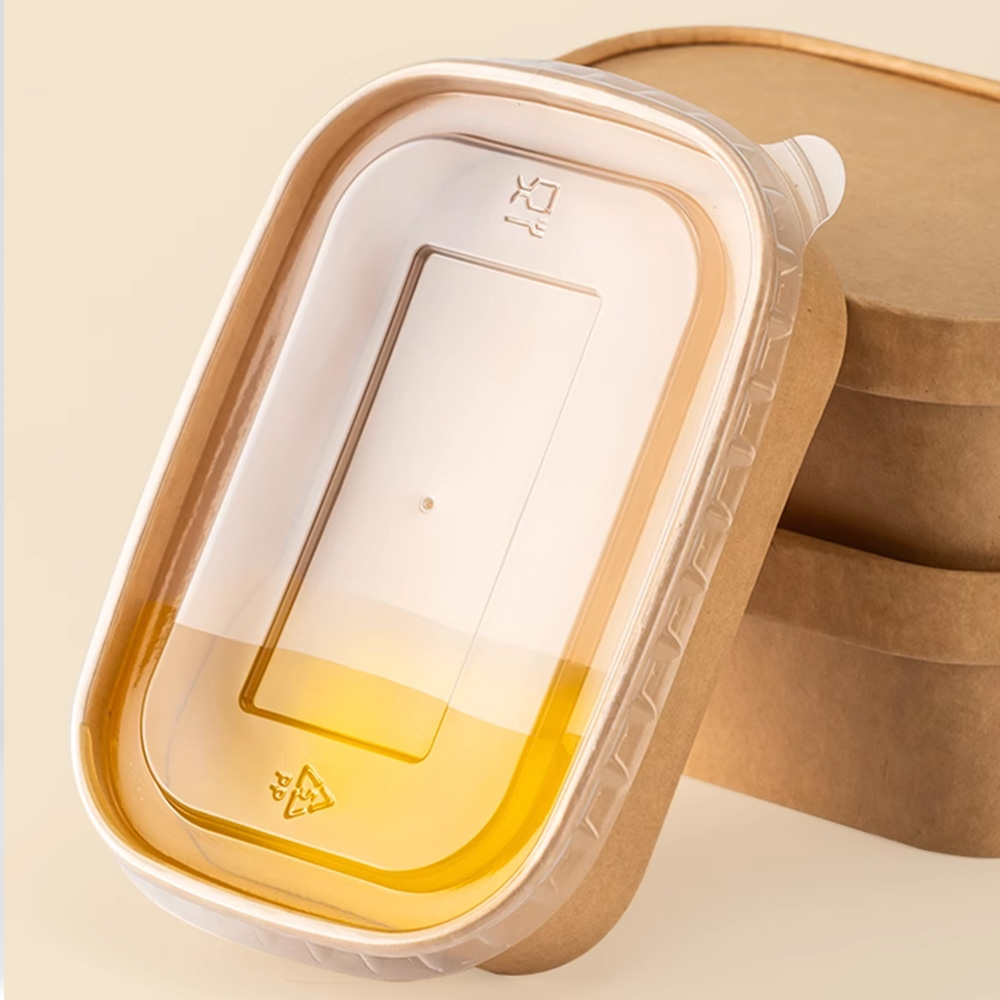
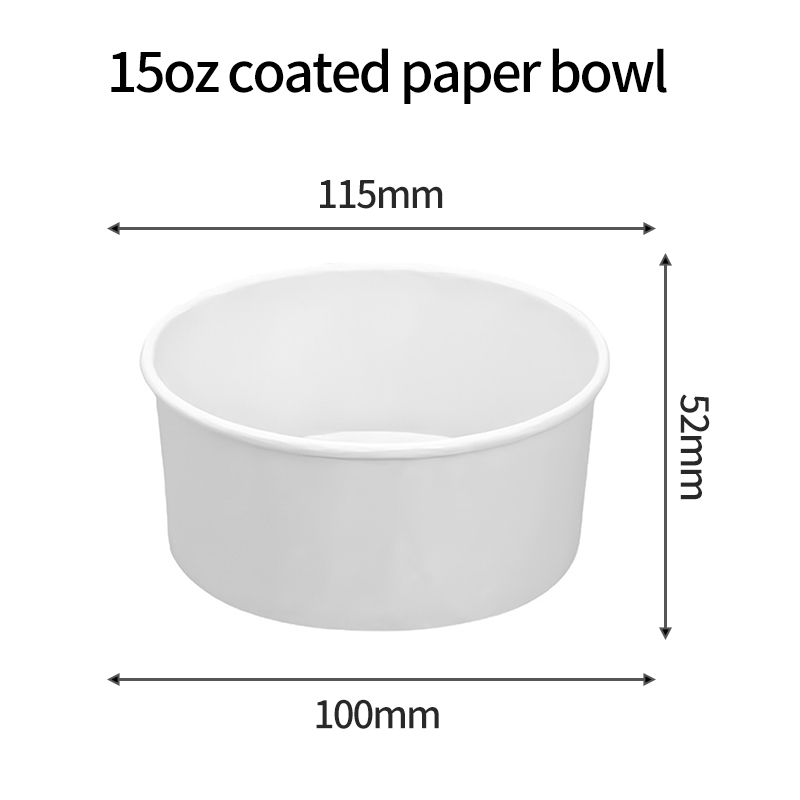
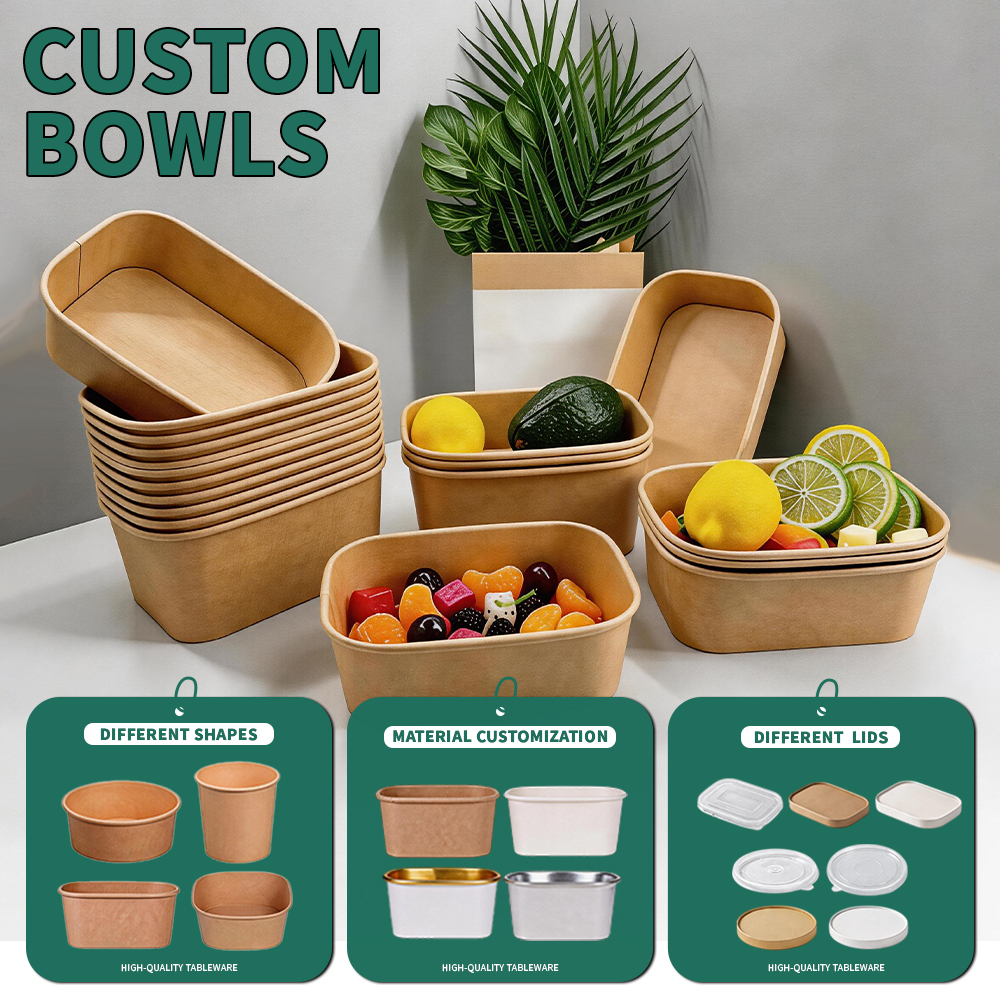
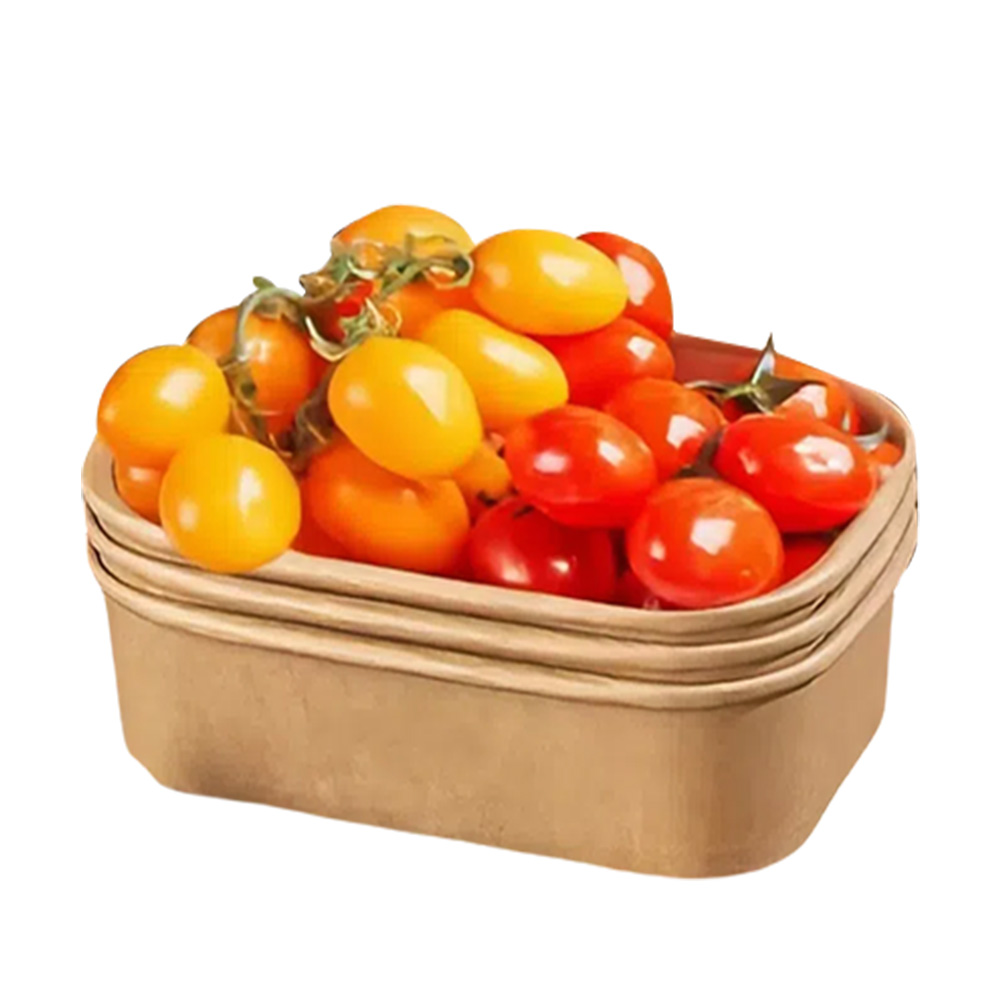
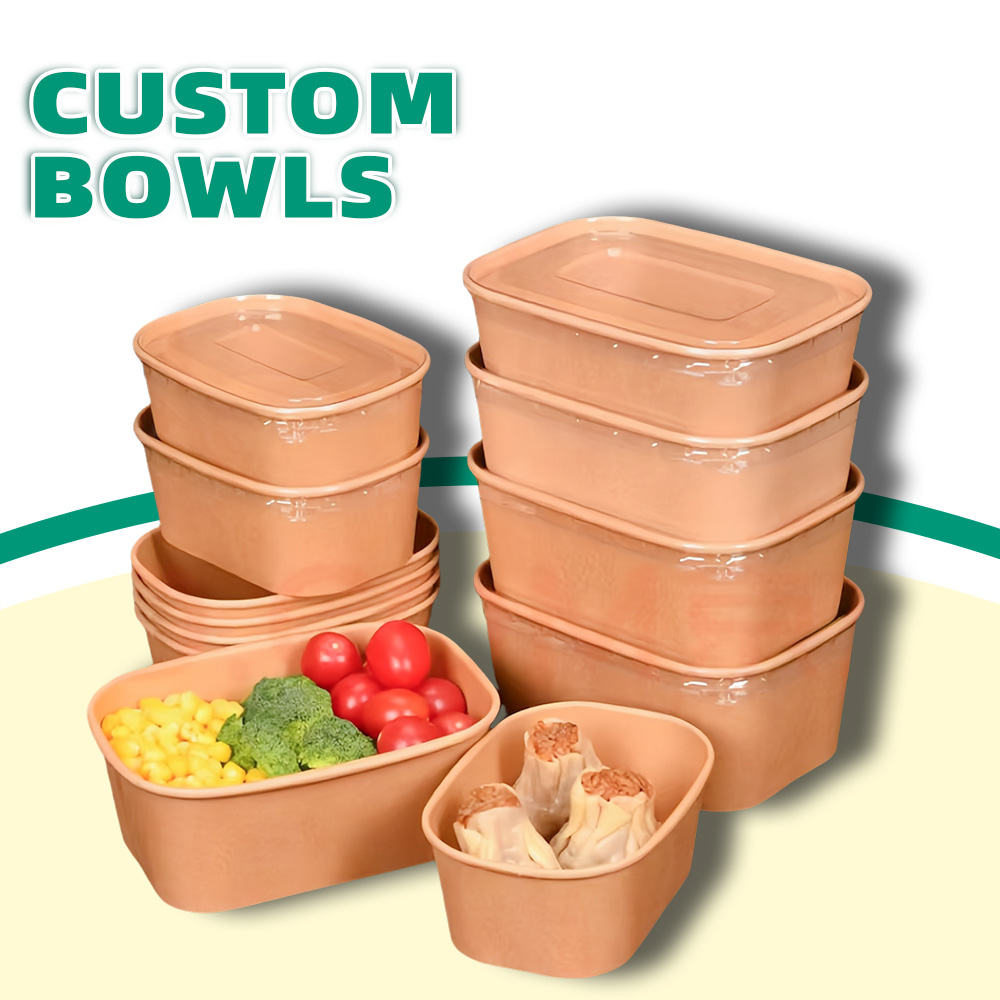
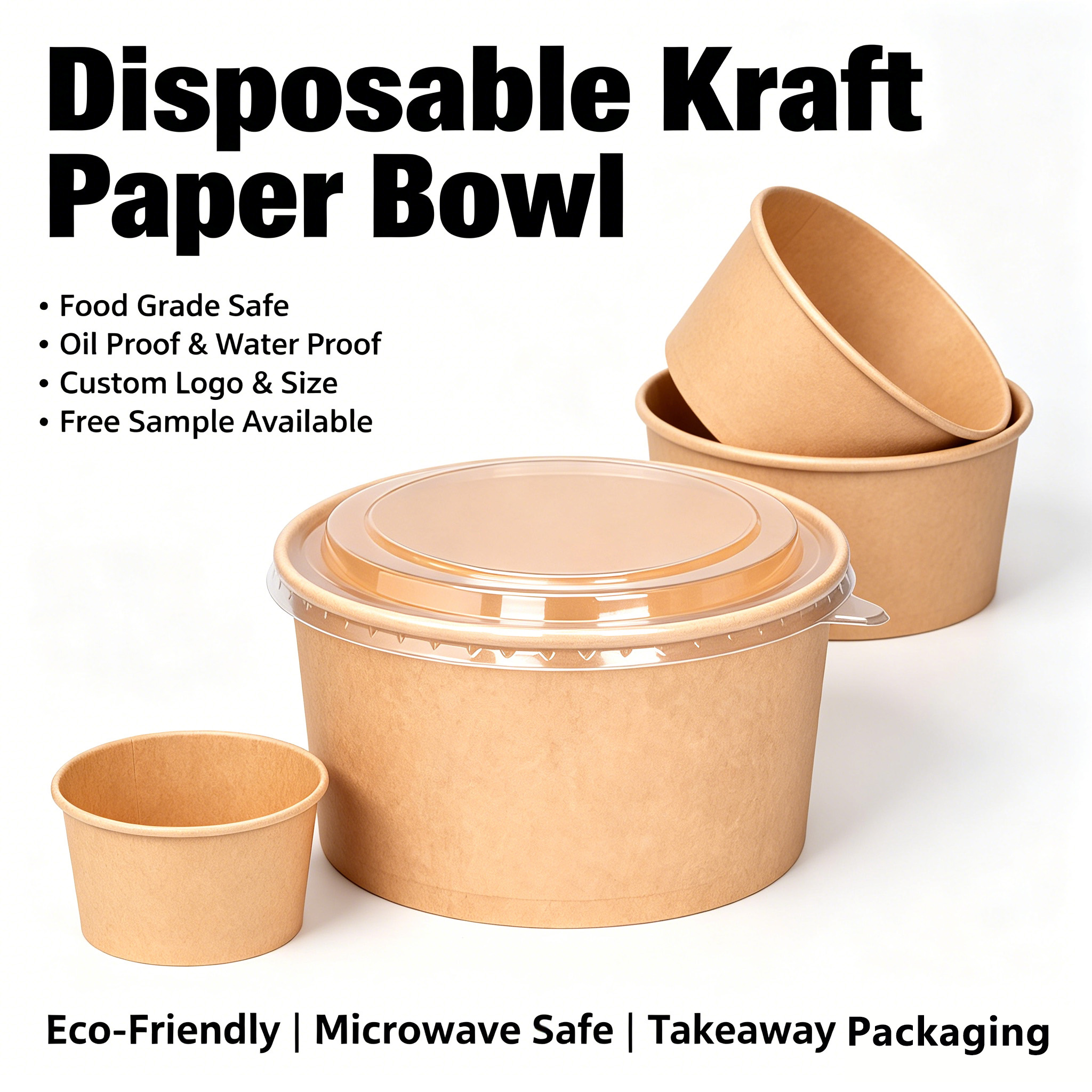
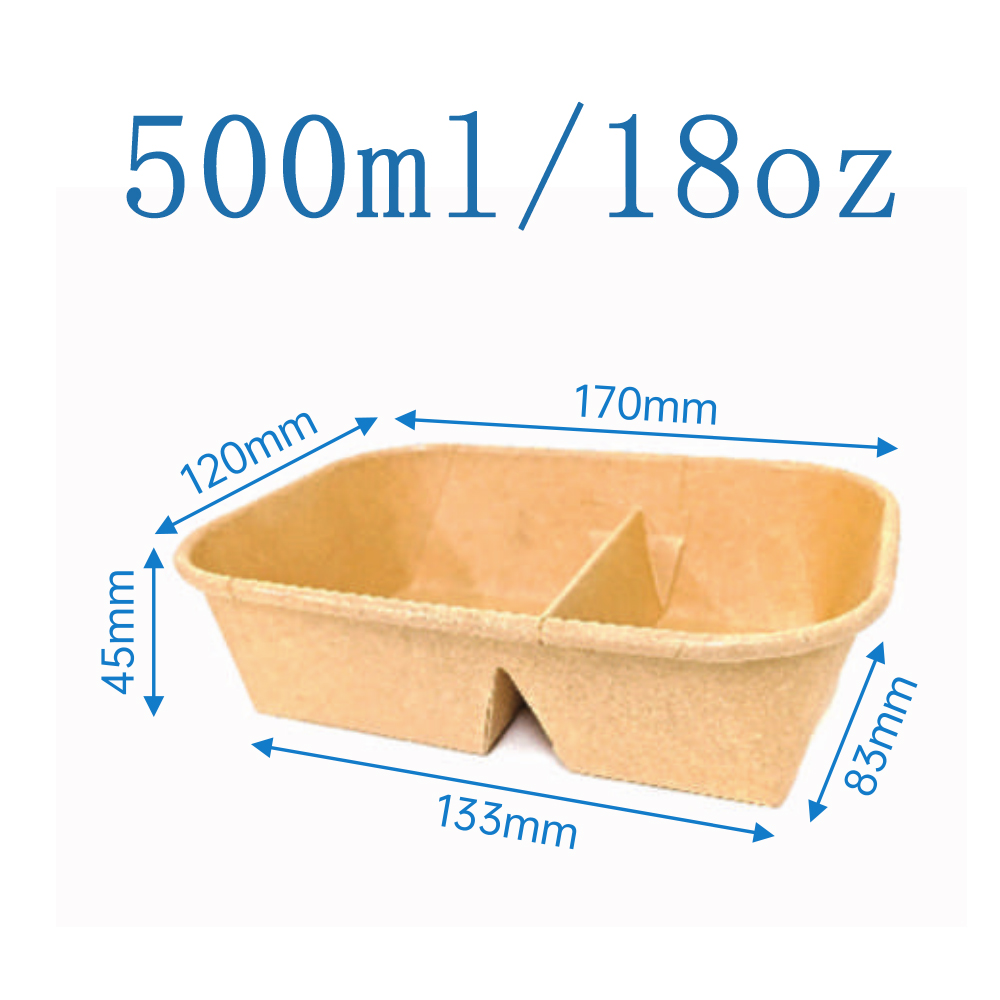
Procuring commercial-grade disposable containers requires navigating shifting trade policies, decarbonization thresholds, and mechanical sealing performance across varying food temperatures.
Global regulatory bodies like the EU (Single-Use Plastics Directive) and US state assemblies have banned long-chain PFAS additives. Procurement directors are transitioning directly to water-based barrier dispersion coatings and high-purity biopolymers that satisfy total fluorine limits below detectable thresholds while sustaining oil resistance up to 95°C.
Last-mile food delivery puts extreme hydrostatic pressure on structural perimeters. Modern injection molding and roll-rim die toolings maintain strict ±0.15mm tolerances on lid-locking grooves. This prevents container deformities when stacking 4 to 5 units in high-humidity insulated delivery carriers.
Trading intermediaries often face container cracking due to secondary regrind contaminants. Industrial-scale buyers are auditing raw material streams back to primary pulping and polymer synthesis facilities. Ensuring unbroken traceability guarantees safety across heavy retail, quick-service, and catering fulfillment lines.
Compare how different structural substrates withstand temperature, grease saturation, and commercial distribution stresses.
| Substrate Category | Thermal Threshold | Grease / Oil Barrier Rating | Microwave / Steam Resistance | Key Industrial Application |
|---|---|---|---|---|
| Virgin Unbleached Kraft + PE | -20°C to 100°C | Excellent (Up to 48 Hours) | Moderate (Short reheating cycles) | Standard fried chicken, oily stir-fry, dry baked goods |
| Virgin Kraft + Polylactic Acid (PLA) | -10°C to 85°C | High (Industrial Composting Certified) | Low (Heat softens substrate) | Eco-conscious cafe salads, poke bowls, cold dressings |
| Aqueous-Coated Food Board | -20°C to 120°C | Superior (Zero synthetic lamination) | High (Safe for prolonged microwave use) | Repulpable takeaway bowls, soups, curries |
| Food-Contact Polypropylene (PP) | -20°C to 125°C | Impermeable barrier | Superior (Full steam / microwave tolerance) | Boiling broth noodle soups, heavy gravies, multi-cell bento |
Located in Luohe, Henan—one of China's core food-processing epicenters—our engineering infrastructure merges production rigor with global food-contact safety compliance.
Our operations, supplier assessment workflows, and tooling capabilities are verified by SGS Group through documented on-site audits, assuring institutional accountability.
We handle every step in-house, from custom structural die-lines and flexographic/rotogravure soy-ink branding to structural multi-cell compartment designs.
Incoming virgin fiberboard and resin raw materials are evaluated for tensile strength, barrier adhesion, moisture ratios, and monomer migration safety before entering production lines.
Backed by supply records for Fortune 500 procurement frameworks, our export containers meet stringent safety and migration benchmarks across the Americas, Europe, and Asia-Pacific.
Essential guidance on minimum order runs, material certifications, nesting efficiency, and container integrity.
Base structural failures typically stem from inadequate bottom curling or substandard seal temperatures. We utilize ultrasonic and heat-bonded seams paired with 18–25 gsm high-density barrier liners. Every batch undergoes a standard 4-hour hot oil (90°C) and water penetration hold test to verify zero delamination before dispatch.
For standard off-the-shelf paper containers and clear PP tubs, our MOQ starts at 10,000 to 20,000 units. For fully customized sizes, precision-cut compartments, or multi-color flexo-printed branding, our runs typically start at 30,000 to 50,000 pieces per design, optimizing plate costs and machine set-up efficiency.
Standard single-wall containers can soften under saturated steam pressures above 90°C. For ramen, hot pots, and high-oil stews, we recommend double-wall heavy board constructions (320gsm + 280gsm) or micro-fluted natural kraft compositions, paired with ventilated anti-vapor PP lids that maintain internal pressure balance.
Shipping empty volume impacts margins. Our container tapers are engineered with tight nesting profiles, improving case packing densities by up to 22% compared to standard generic moulds. We use 5-layer corrugated export cartons with moisture-barrier polybag liners to preserve structural integrity during ocean transit.
Consult with our Luohe packaging engineers for sample boxes, die-cut templates, material stress audits, and wholesale contract manufacturing.
Inquire Now