High-Volume Foodservice Packaging Solutions
Precision-engineered disposable food containers fabricated from premium virgin kraft paperboard, moisture-barrier linings, and heavy-gauge structural polymers. Built for extreme thermal and dynamic transport performance.
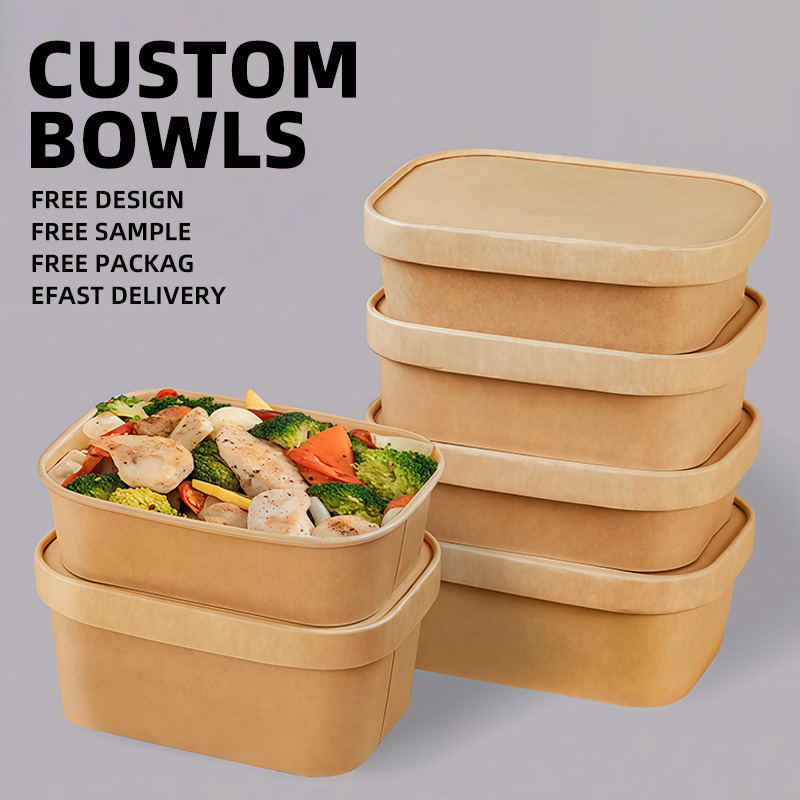
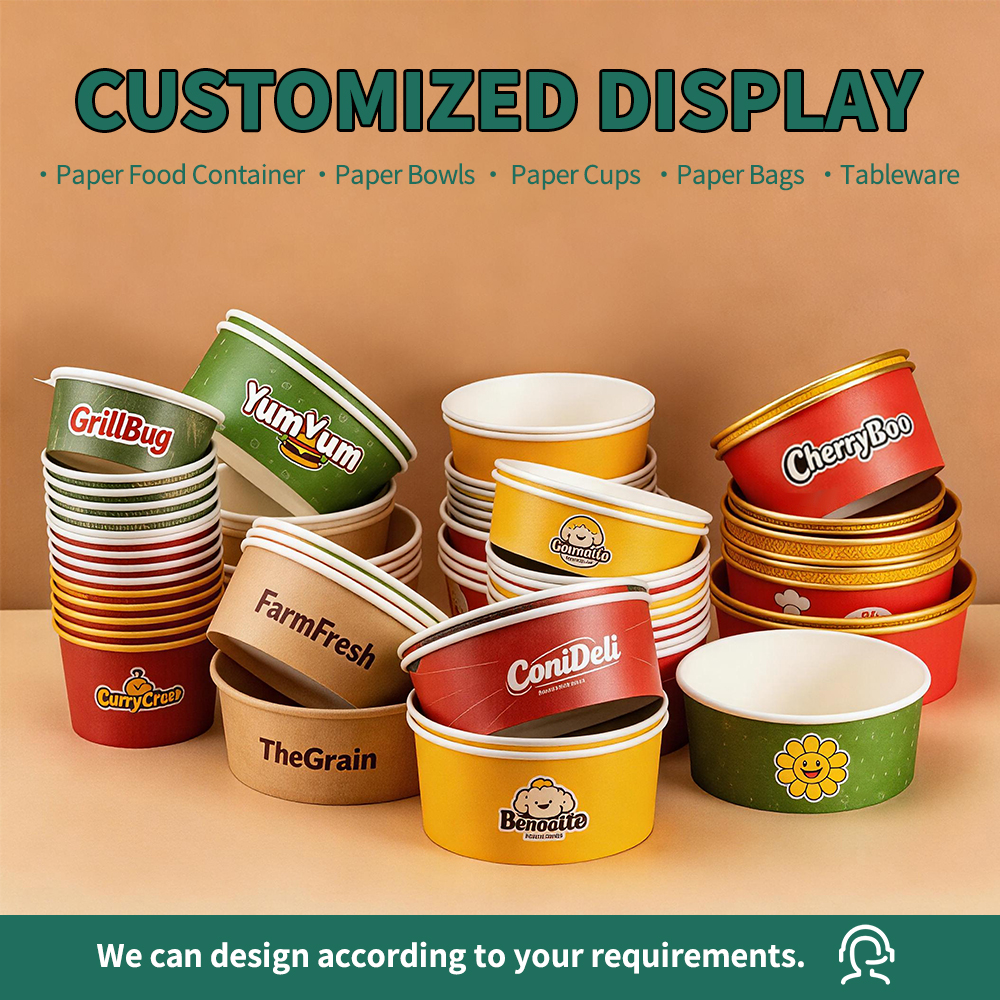
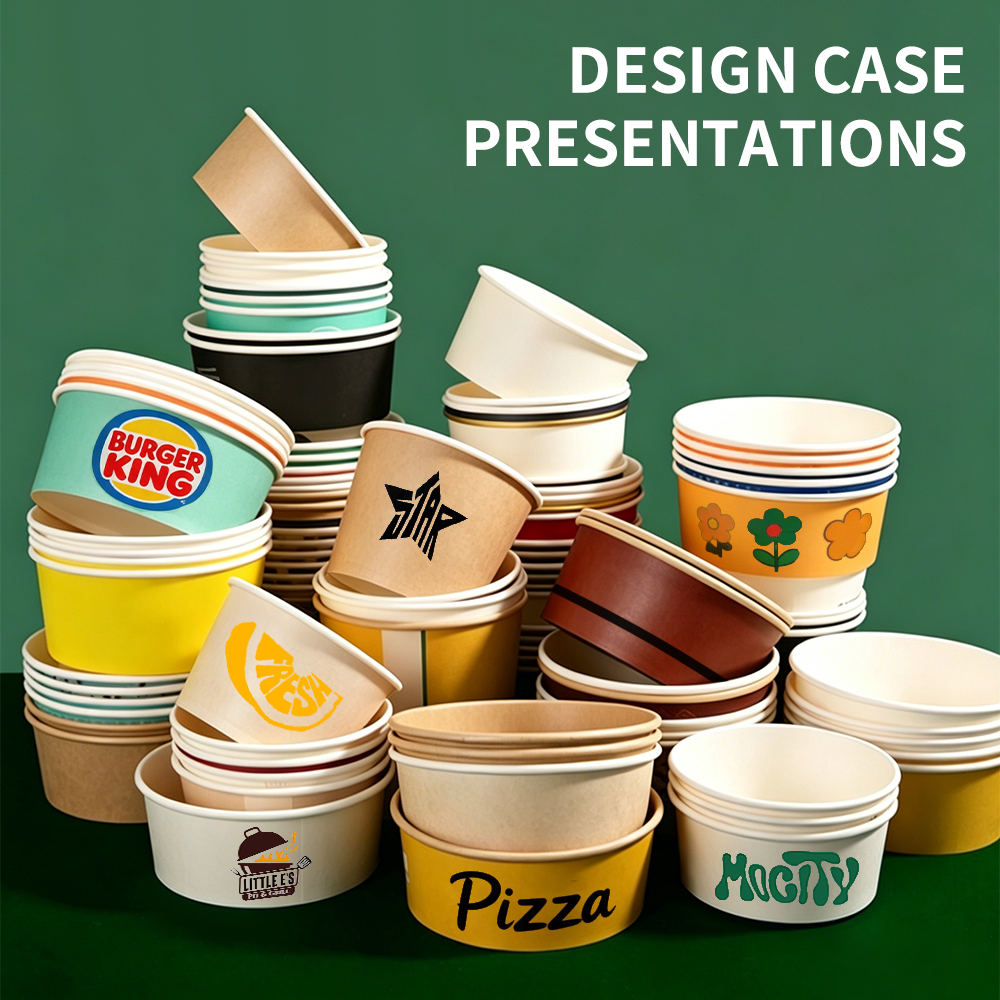
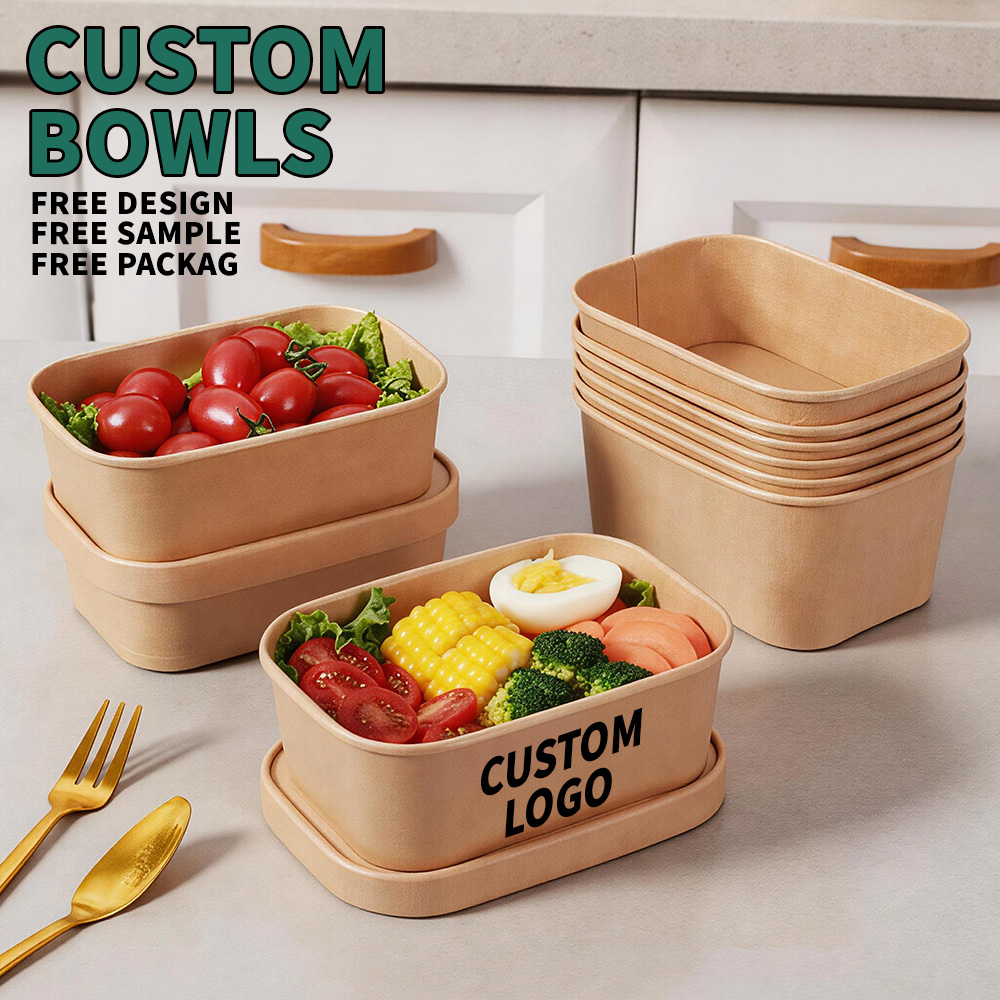
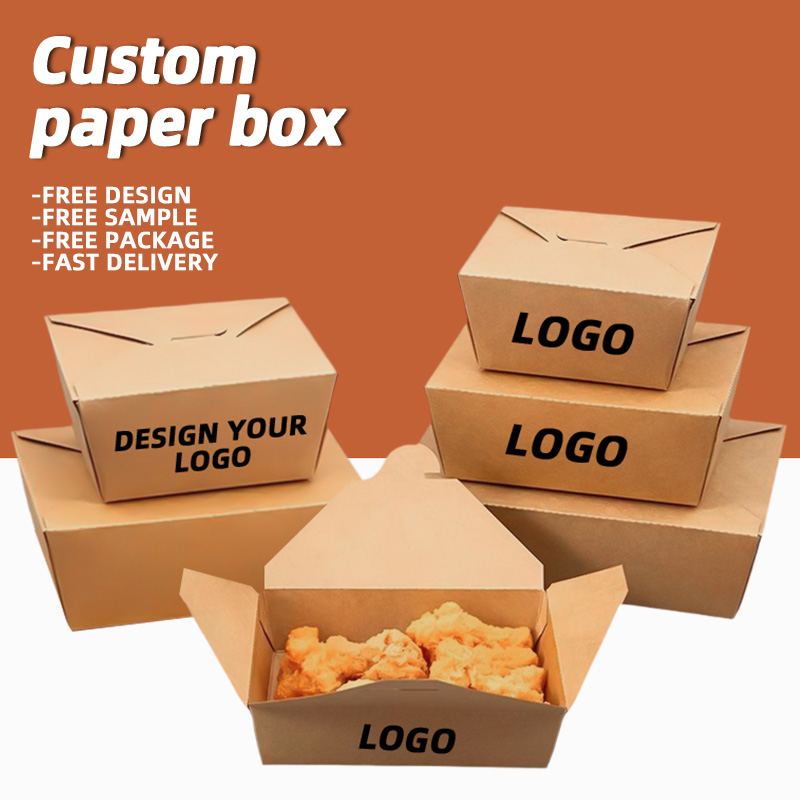
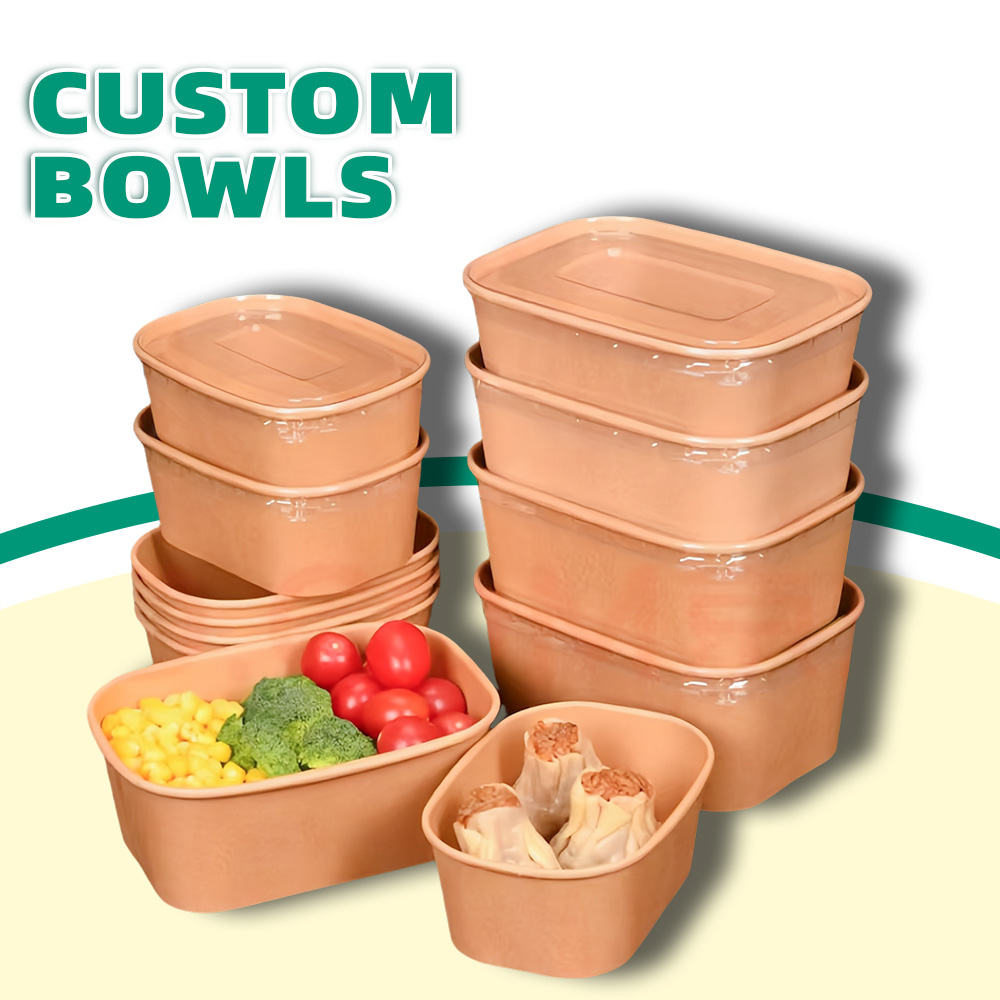
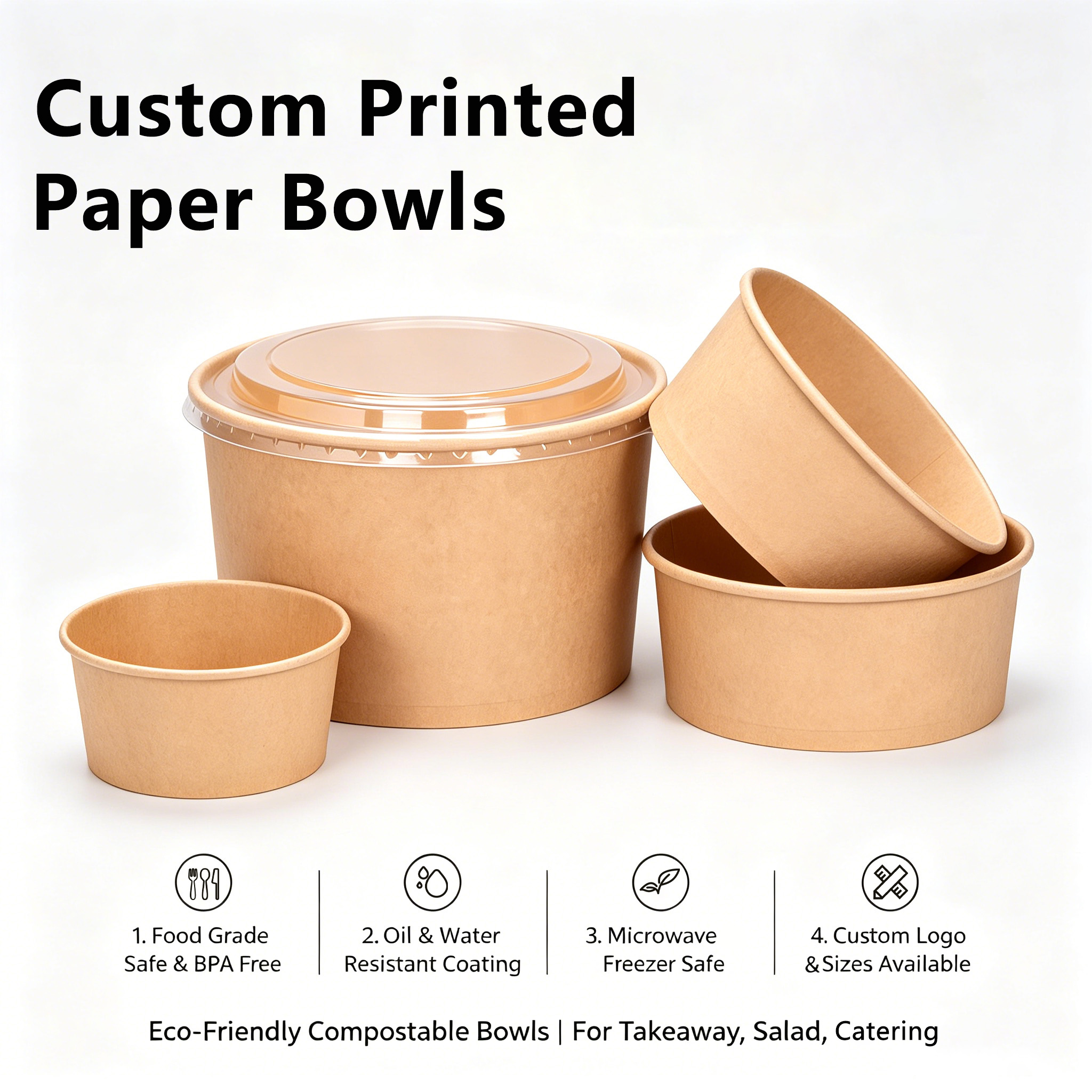
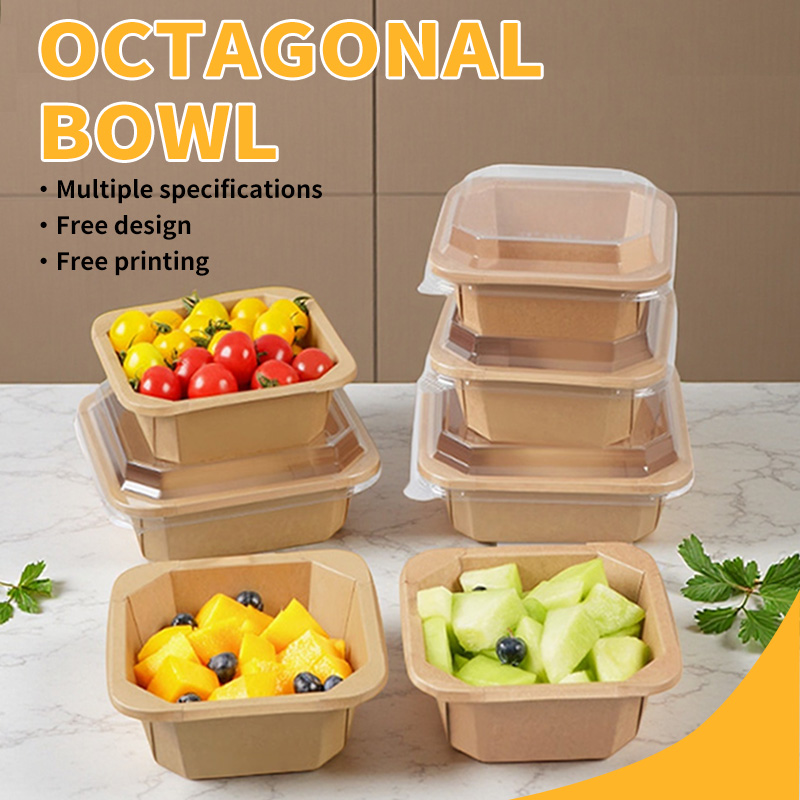
Market Shifts & Strategic Sourcing Trends
Institutional food enterprise procurement has transformed from a pure cost-per-unit negotiation into a high-stakes engineering balance of sustainable compliance, mechanical integrity, and supply chain redundancy.
Total Cost of Ownership (TCO)
Purchasing decisions now evaluate packaging failures during the "last mile" of delivery. Inferior board density results in crushed food, liquid spills, and customer churn. Sourcing high-gsm virgin kraft paper with precision-crimped rims mitigates systemic delivery claims.
PFAS Elimination Mandates
With aggressive regulatory frameworks such as the EU PPWR and state-level US bans, procurement officers must actively shift away from fluorinated oil-repellents toward water-based dispersion barriers and verified plant-derived PLA coatings that meet ASTM D6868 standards.
Direct OEM Tooling Flexibility
Enterprise fast-food chains are ditching off-the-shelf catalog shapes in favor of custom structural ergonomics—such as stack-lock octagonal bases and steam-vented lids—requiring agile manufacturing hubs capable of rapid die-making and sample testing.
Engineering Benchmark: Substrate Performance & Applications
Consult this objective specification reference to evaluate barrier resistance, operational temperature ranges, and regulatory compliance before finalizing enterprise orders.
| Substrate / Barrier Type | Thermal Boundary | Oil & Moisture Barrier | Lifecycle End-Route | Optimal Foodservice Use Case |
|---|---|---|---|---|
| Virgin Unbleached Kraft + PE | -20°C to 100°C | High grease & liquid hold (96 hrs) | Standard Paper Recycling stream | Heavy-sauce curries, broths, and noodle bowls |
| Bio-Polymer Lined (PLA) Kraft | -10°C to 85°C | Moderate grease, premium moisture seal | Industrial Composting (EN 13432) | Salad bars, organic deli, grab-and-go bowls |
| Aqueous Water-Based Barrier Board | -20°C to 120°C | Standard oil resistance (No fluorochemicals) | Direct Repulping & Curbside Recyclable | Eco-conscious European market QSR programs |
| Polypropylene (PP) Injection/Thermo | -20°C to 120°C | Complete liquid seal, zero softening | Rigid Plastic (RIC 5) Recycling | Microwavable reheating trays, ultra-hot soups |
| Polyethylene Terephthalate (PET) | -40°C to 65°C | Zero leakage, superior optical clarity | Widely Recyclable (RIC 1) | Cold salads, fruit arrangements, fresh baked goods |
Luohe Temip: Factory-Floor Precision & Verified Trust
Operating from China's agricultural and food-manufacturing heartland, Luohe Temip Plastic Products Co., Ltd. combines rigorous metallurgical-grade tooling with clean-room converting lines.
SGS On-Site Assessment
Our 2,200 m² modern manufacturing hub has completed exhaustive on-site supplier verification by SGS Group. Raw materials, QA protocols, workplace safety, and production flow comply with stringent multinational enterprise standards.
Fortune 500 Qualified Vendor
We do not merely manufacture packaging; we support enterprise-level supply chain architectures. With documented performance history supplying Fortune 500 corporations, we understand strict batch consistency, on-time delivery KPIs, and dynamic buffer stock management.
Full-Spectrum OEM / ODM Tooling
From sample-based prototype fabrication to full bespoke die-cutting, structural engineering, high-precision flexographic/offset printing, and multi-cavity lid mold engineering, our dedicated R&D division accelerates concept-to-market cycles.
Frequently Asked Questions by Global Buyers
Direct technical answers addressing container performance, compliance verification, and international commercial execution.
Q: How is thermal barrier integrity and grease resistance validated?
Every paperboard batch undergoes the Cobb sizing test to determine liquid absorption rates, alongside continuous hot-oil penetration testing (60°C oil maintained for 4 hours minimum). This ensures bottom-seam seal strength and eliminates the risk of substrate softening or leak-through during long delivery trips.
Q: Can our packaging be customized for custom automated filling lines?
Yes. Automated denesting demands ultra-precise mechanical tolerances on the rim curl and sidewall draft angles. Our packaging engineers calibrate structural tool molds to ensure high-speed processing machines can denest and seal containers without jam errors.
Q: What is the factory lead time for customized bulk production?
Standard OEM customized production cycles generally range between 15 to 25 days following technical drawing and digital artwork approval. Rapid physical prototype samples can be dispatched via air express within 5 to 7 working days for immediate organoleptic and operational stress testing.
Q: Are testing documentation and food-contact certificates provided?
Absolutely. We furnish full documentation packages including SGS assessment summaries, heavy metal migration limits testing, FDA/EU compliance certifications for both paper baseboards and water-based inks, enabling seamless customs clearance and retail compliance audits.
Architect Your Enterprise Packaging Supply Chain
Partner directly with an SGS-verified manufacturer. Contact our packaging engineers today for precise volume quotes, structural dieline templates, and complimentary custom sample kits.