Engineered Deli & Food-Service Packaging Solutions
Precision-manufactured containers, clear lids, and barrier-enhanced food trays engineered for ultra-fresh retail displays, delivery stability, and optimal shelf appeal.
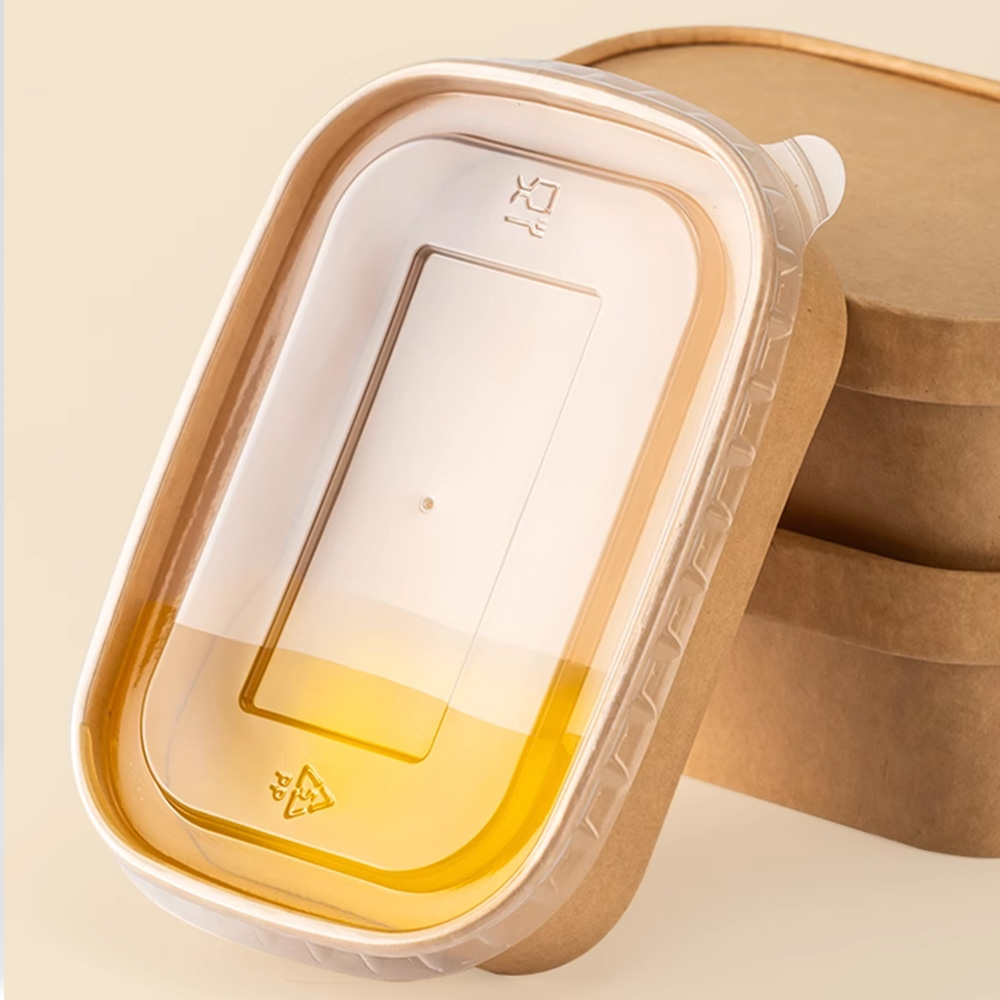
Custom 172mm Rectangular PP Lunch Box Lid
View Specifications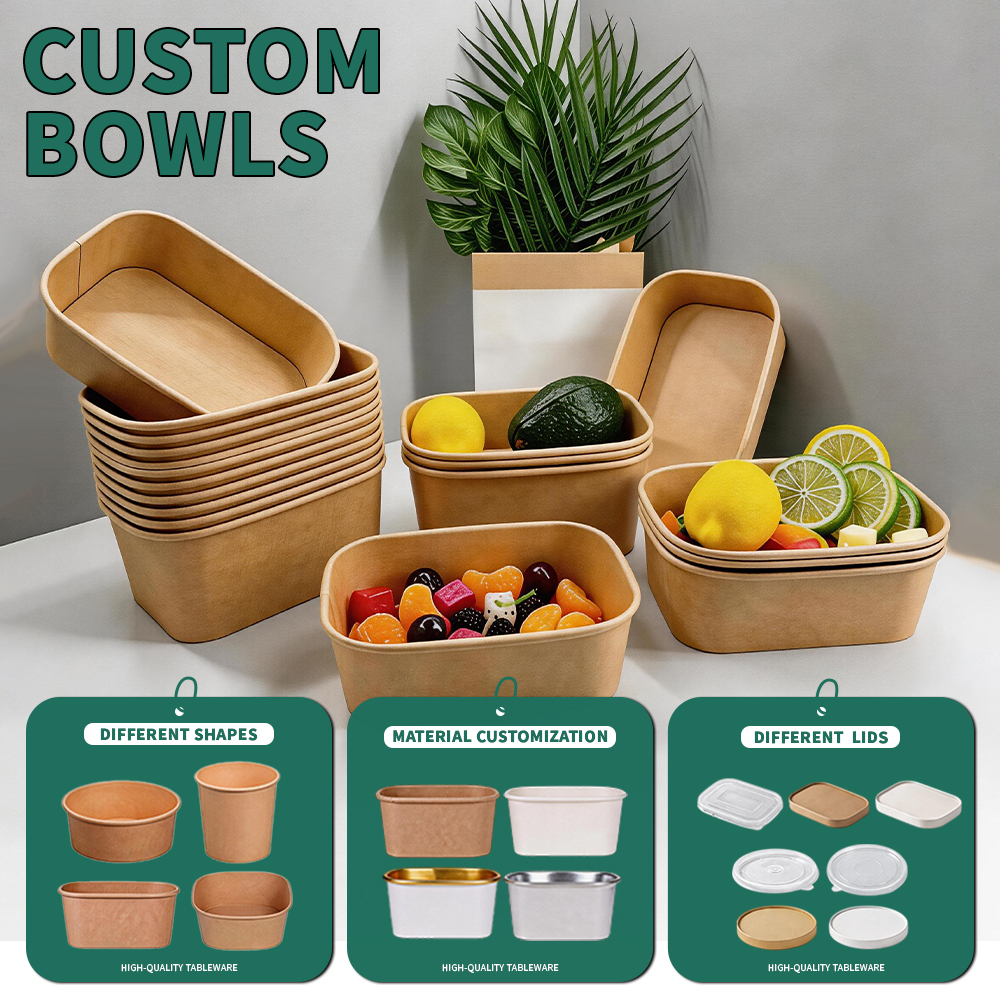
Customizable Food Grade Kraft Paper Salad Bowl
View Specifications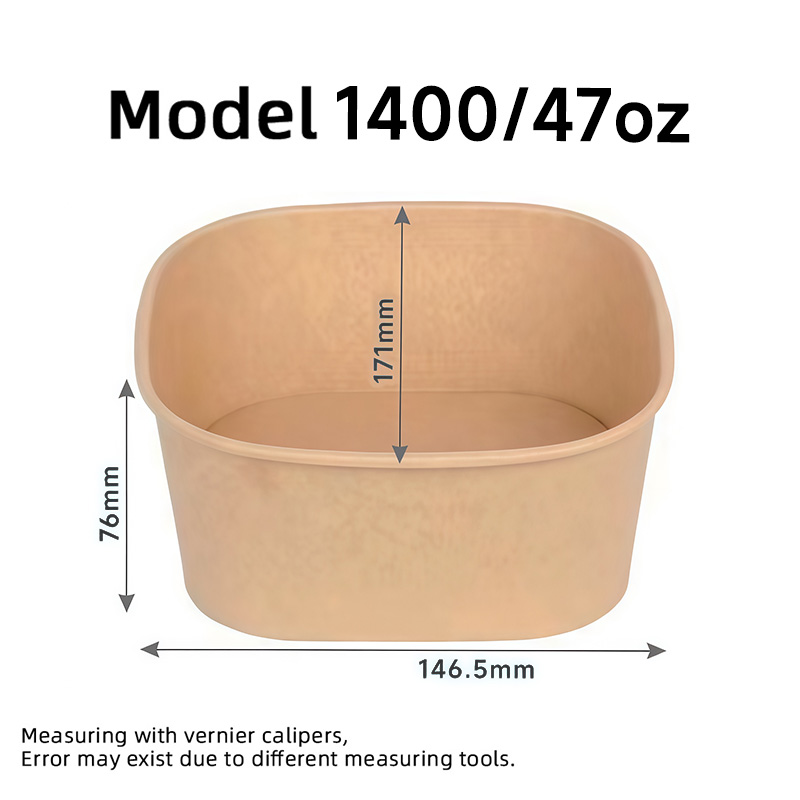
Square 1400ml/47oz Biodegradable Kraft Deli Carton
View Specifications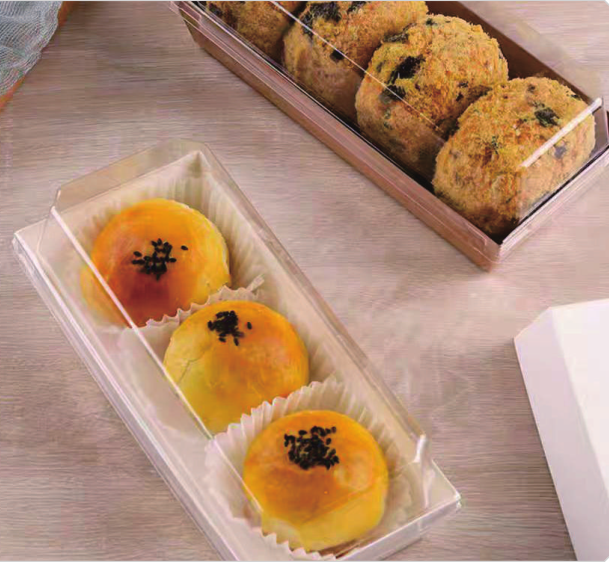
Rectangular Pastry & Salad Box with Clear PET Lid
View Specifications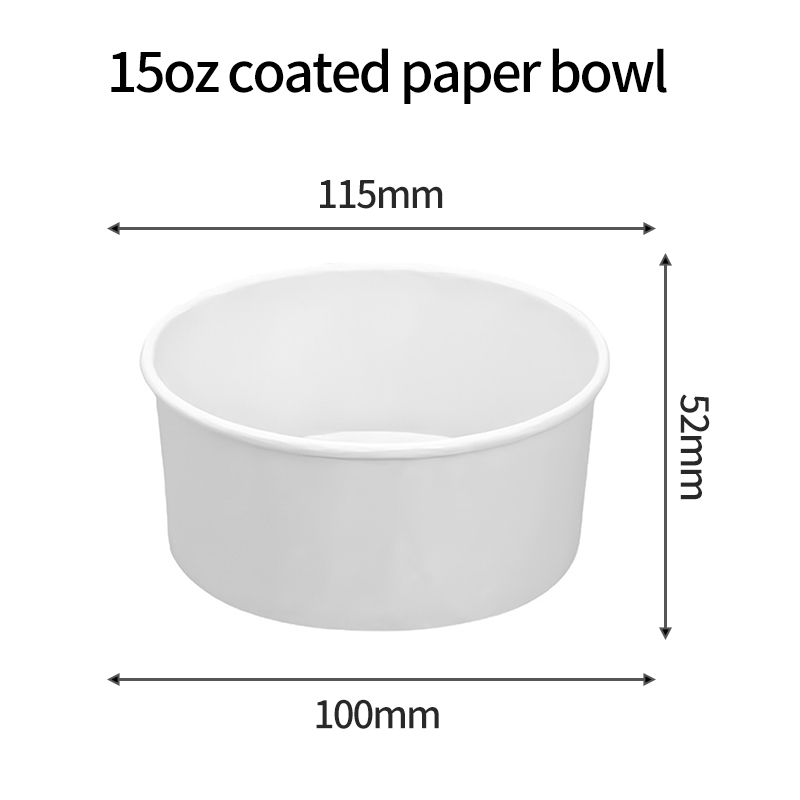
Food Grade Sushi & Salad Clear-View Container
View Specifications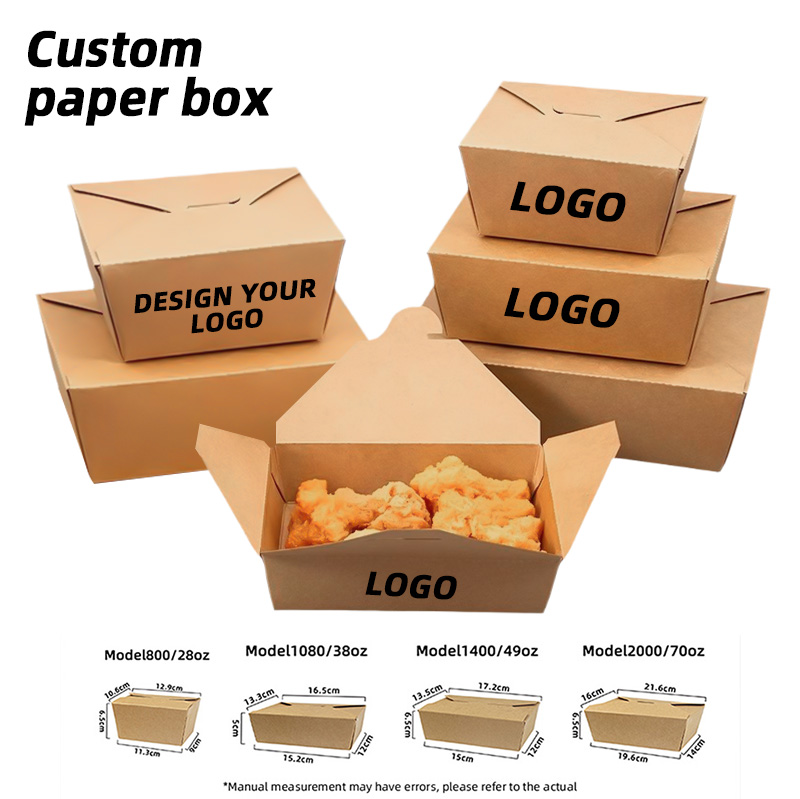
Oil-Proof Recyclable Kraft Takeout Deli Box
View Specifications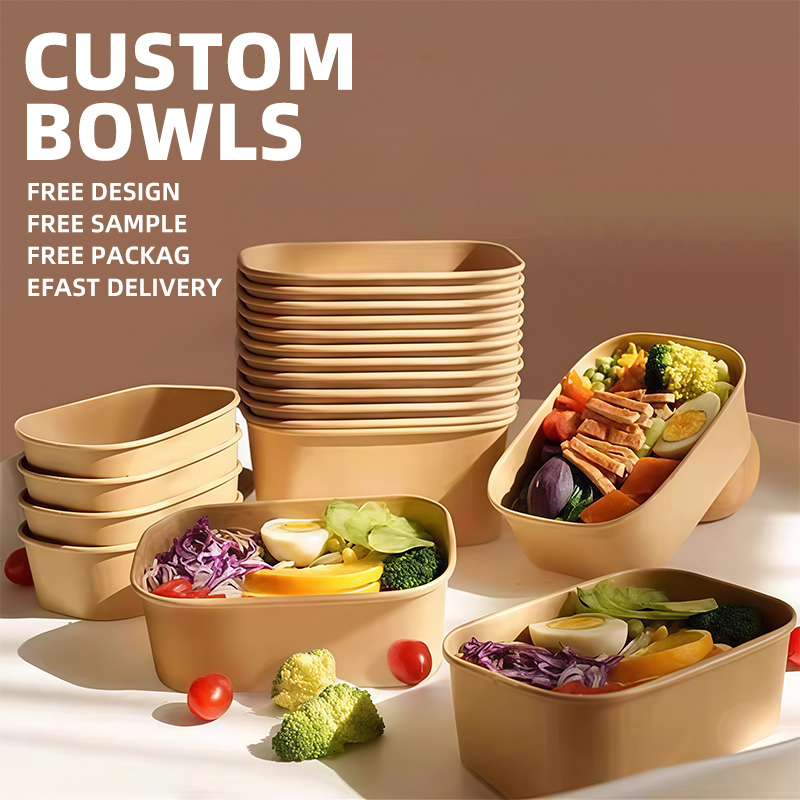
Biodegradable Custom-Printed Deli Food Cartons
View Specifications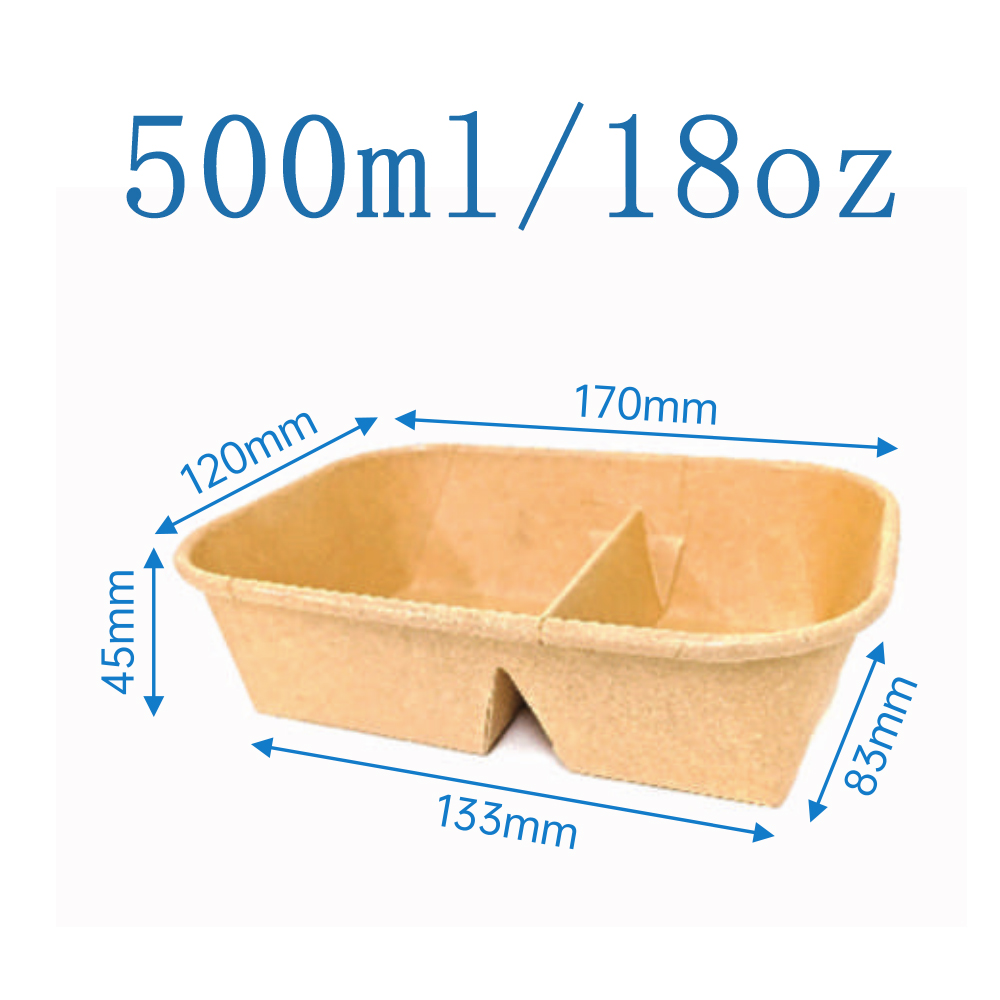
2-Compartment Rectangular 500ml Divided Container
View SpecificationsPrecision Manufacturing in OEM/ODM Clear Deli Packaging: Structural Integrity, Polymeric Performance, and Sustainability
The contemporary commercial food industry operates under strict parameters where packaging must balance product preservation, structural resistance, consumer ergonomics, and cost efficiency. As a premier original equipment and design manufacturer (OEM/ODM), Luohe Temip Plastic Products Co., Ltd. produces high-performance clear deli containers, matching clear barrier lids, and composite food boxes engineered for international supermarket chains, food service distributors, fast-casual restaurants, and airline catering operators.
Sourcing commercial clear deli containers entails complex material evaluations. Food items containing acidic dressings, hot oils, heavy gravies, or cold humidity profiles expose subpar packaging to stress cracking, rim deformation, seal degradation, or condensation fogging. Achieving high-yield results requires a technical understanding of material composition, thermoforming tooling, closure tolerances, and mechanical load limits.
Material Selection: Polypropylene (PP) vs. Polyethylene Terephthalate (PET) vs. Bio-Polymers
Selecting the optimal resin directly dictates temperature resistance, shelf life, drop integrity, and post-consumer circularity. The following engineering matrix outlines the technical metrics evaluated in our Luohe manufacturing labs:
| Polymer Type | Clarity Level | Service Temp Range | Oil / Grease Barrier | Primary Industrial Use-Case |
|---|---|---|---|---|
| Virgin Polypropylene (PP) | Translucent to High-Clarified | -20°C to 120°C (Microwaveable) | Exceptional (Aliphatic & Aromatics) | Hot soups, gravies, heated meal-prep, batch deli kitchens |
| Food-Grade APET / RPET | Crystal Clear (>92% Light Trans.) | -40°C to 65°C (Cold Chain Only) | High (Short-term contact) | Fresh-cut fruits, premium salads, cold charcuterie, sushi displays |
| Polylactic Acid (PLA) | High Gloss Crystal Clear | -20°C to 45°C (Cold Chain) | Moderate (Moisture sensitive) | Certified commercial composting loops, organic deli lines |
| Aqueous/PE Coated Kraft Composite | Opaque Base with Clear Lid Window | -20°C to 100°C (System Dependent) | Exceptional (Multi-layer barrier) | Eco-luxury deli takeout, grain bowls, dry-sauced gourmet combos |
For operations requiring clear visual merchandising, our thermoformed food-grade APET deli containers deliver optical clarity with minimum wall variance. Advanced anti-fog internal coatings prevent surface condensation when containers move from cold prep kitchens (4°C) to refrigerated merchandising cases. For hot-fill applications, clarified impact-copolymer PP balances high heat deflection temperatures (HDT) with drop resistance, preventing brittle failures in frozen food distribution.
Future Procurement Trends: Where Deli Packaging is Heading
Procurement directors and brand buyers are refining their packaging supply chains. Key industry shifts guiding procurement strategies include:
1. Monomaterial Circularity and Post-Consumer Recycled (PCR) Content
Stringent extended producer responsibility (EPR) programs in the European Union, the UK Plastic Packaging Tax, and legislative mandates across North America are steering brands away from non-recyclable multi-laminates. Procurement teams are consolidating towards clear, single-polymer assemblies—such as 100% rPET bases coupled with rPET lids—or mono-PP hot bowls with microwaveable PP lids. Uniform resins eliminate manual sorting at municipal recycling facilities (MRFs), ensuring tax compliance and reducing virgin plastic footprints.
2. Integrated Tamper-Evident Security Seals
The expansion of third-party delivery platforms (DoorDash, UberEats, Deliveroo, Meituan) has accelerated the need for tamper-evident packaging. Commercial buyers are migrating away from secondary shrink bands and manual adhesive labels toward inherently tamper-evident thermoformed locking tabs. These containers incorporate an integrated structural hinge with a pull-strip mechanism; once closed at the kitchen level, opening the container fractures a micro-bridge, giving customers visual assurance of package security.
3. Thin-Wall Packaging Technology (Lightweighting)
Rising global freight rates make container weight a critical variable in total landed cost. Leveraging high-speed multi-cavity thermoforming machinery with automated punch-and-die trim-in-place systems, our production floor has achieved continuous wall-thinning (averaging a 12% to 18% weight reduction) while maintaining structural stackability. Strategic perimeter ribbing, stepped sidewall geometries, and reinforced bottom radii ensure filled containers stack up to 6 units high during distribution without corner buckling.
4. Anti-Fog Additives and Surface Engineering
In retail deli displays, visibility directly drives purchase decisions. Food transpiration in moist, cool deli cases creates droplet condensation that obscures the product. Applying food-contact-approved migratory and non-migratory surfactant anti-fog additives to our extrusion lines reduces the water contact angle on clear lids. Instead of light-scattering micro-droplets, condensation forms a transparent, continuous water film, preserving visual clarity and display appeal.
Technological Innovations in Deli Container Tooling & Mold Design
Behind every durable clear deli container is precision mold design. In our tool fabrication process, we utilize high-precision CNC multi-axis milling, beryllium-copper chill inserts, and micro-vent air evacuation channels. Traditional pinhole venting can leave flow lines and haze marks on clear resin; our micro-porous tooling disperses vacuum pressure evenly across the thermoforming surface. This eliminates optical distortion and maintains consistent wall thickness, preventing weak spots that lead to puncture leaks.
Furthermore, lid-to-container closure designs require balanced interference fits. An overly tight seal risks container buckling upon closure or food spillage upon opening, while a loose fit leads to sauce leaks during transport. Our CAD engineers balance push-on insertion forces with pull-off release curves, delivering an audible "click" that confirms a secure hermetic seal for kitchen staff.
Enterprise Strengths: The Luohe Temip Advantage
Operating within the Dongcheng Industrial Agglomeration Zone in Luohe, Henan—a region recognized for industrial food manufacturing and processing infrastructure—Luohe Temip Plastic Products Co., Ltd. blends specialized manufacturing capability with international export execution.
SGS-Assessed Quality Management
Our facility has passed comprehensive on-site assessments by SGS Group, confirming our end-to-end quality control procedures, production protocols, and cleanroom packaging conditions.
Fortune 500 Qualified Vendor
We maintain an established supply track record with Fortune 500 corporate buyers, operating with standardized traceability, strict documentation controls, and stable multi-SKU fulfillment.
Incoming Resin Batch Testing
Every lot of virgin PP, APET, and food-grade barrier board undergoes on-site melt flow indexing, moisture analysis, and infrared contaminant checks before release to production lines.
Comprehensive OEM/ODM Engineering
From CAD structural prototyping, 3D resin samples, and custom tooling fabrication to multi-color flexographic or offset printing, we tailor solutions from concept to commercialization.
Turnkey Export & Global Logistics
Operating with certified sea-worthy master cartons, moisture-barrier inner liners, optimized palletization arrays, and customs clearance support across EU, NA, and APAC ports.
Frequently Asked Questions on Commercial Sourcing
Direct technical answers addressing regulatory compliance, production minimums, custom molds, and material safety.
What regulatory certifications support your clear deli containers for global food contact?
What are the key technical differences between choosing PP and PET for clear deli packaging?
What is the standard lead time and tooling investment for custom OEM/ODM shapes and sizes?
How do your engineers prevent lid leakage during delivery of oily dressings and sauces?
What are your Minimum Order Quantities (MOQ) and container load planning specifications?
Scale Your Foodservice Packaging With a Direct Factory Partner
Consult with our Luohe engineering and export team for custom OEM/ODM tooling inquiries, technical compliance dossiers, and rapid prototyping sample kits delivered directly to your facility.
Contact Us