High-Performance Microwave Safe OEM/ODM Catalog
Explore our certified heavy-duty kraft paperboard and food-grade homopolymer PP solutions engineered for global fast-casual chains, cloud kitchens, and institutional meal delivery programs.
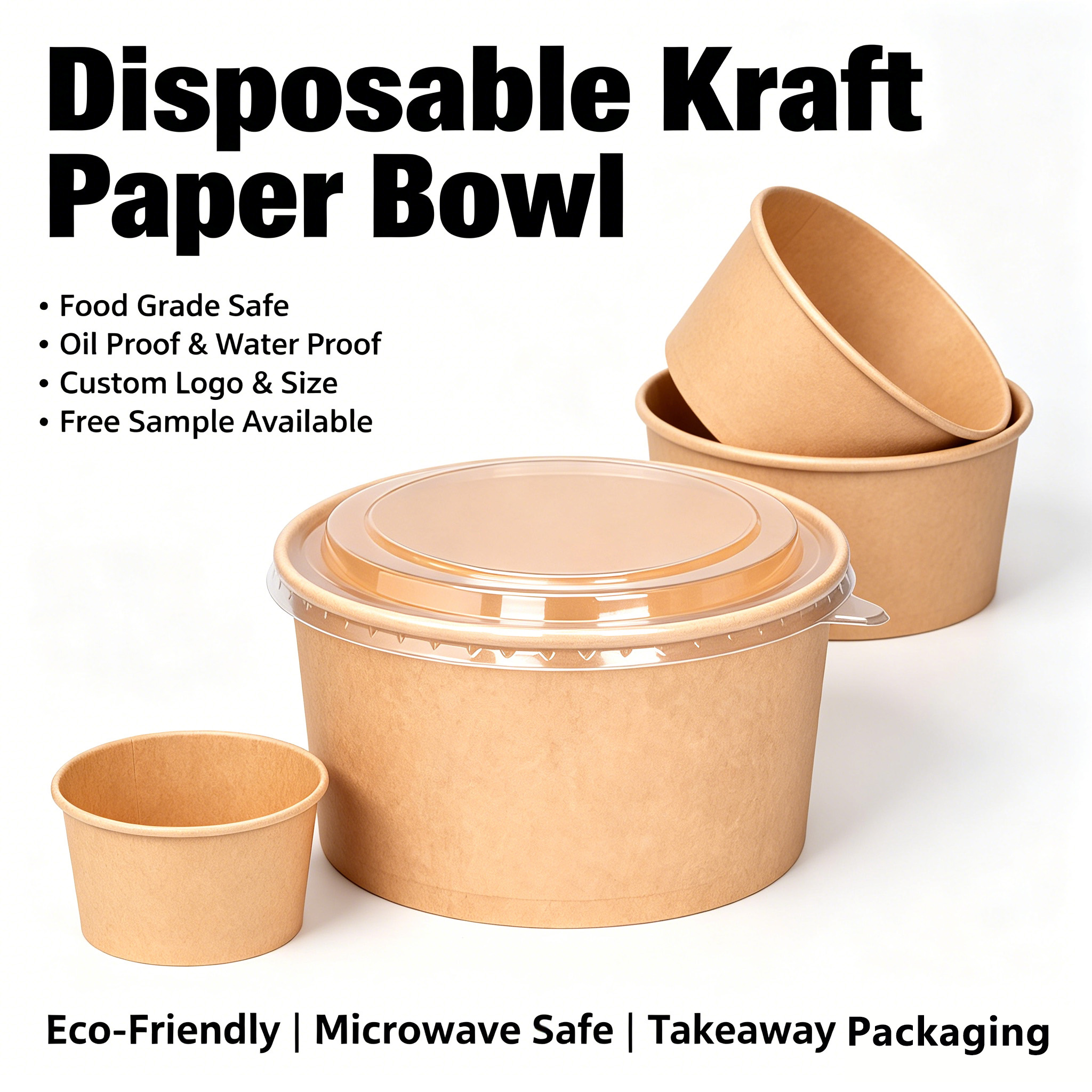
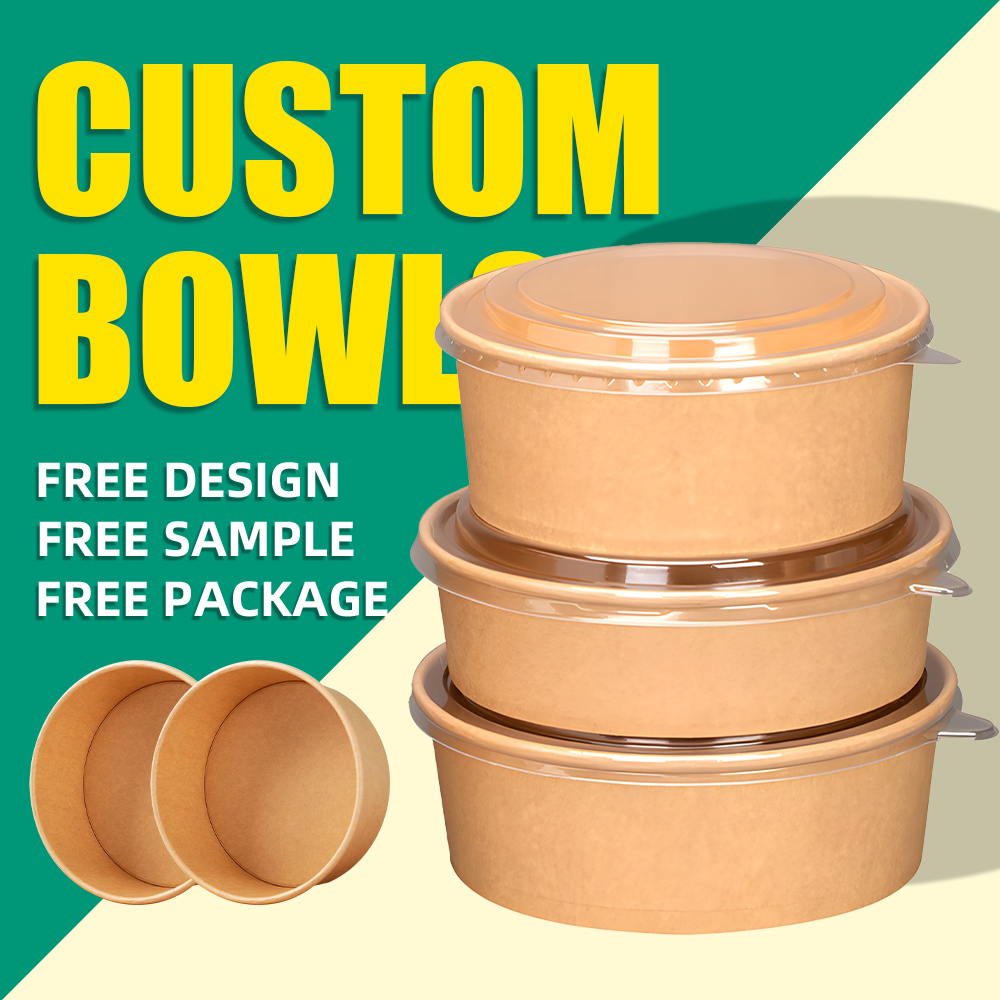
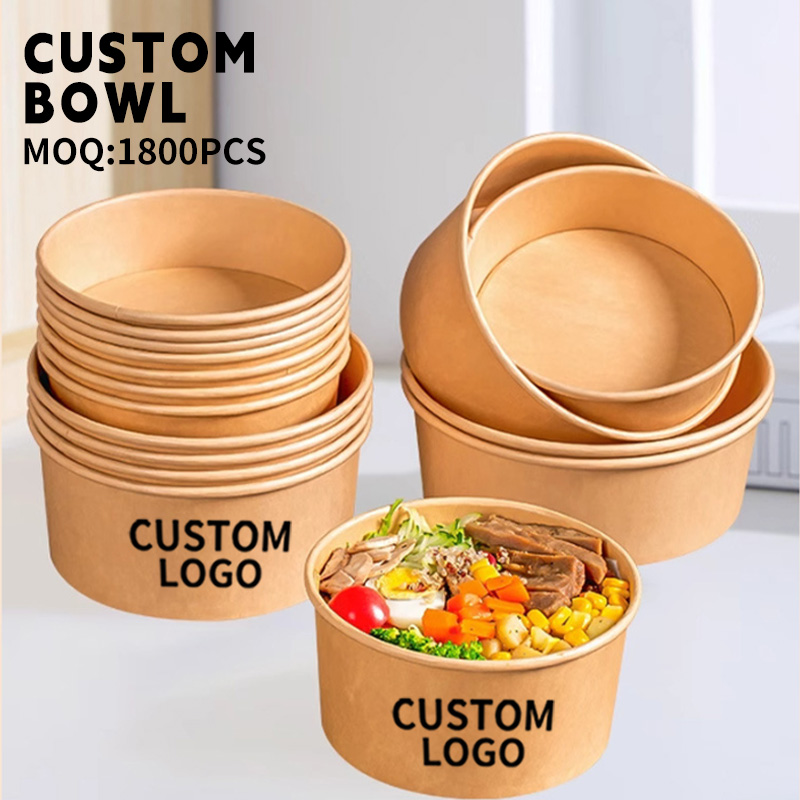
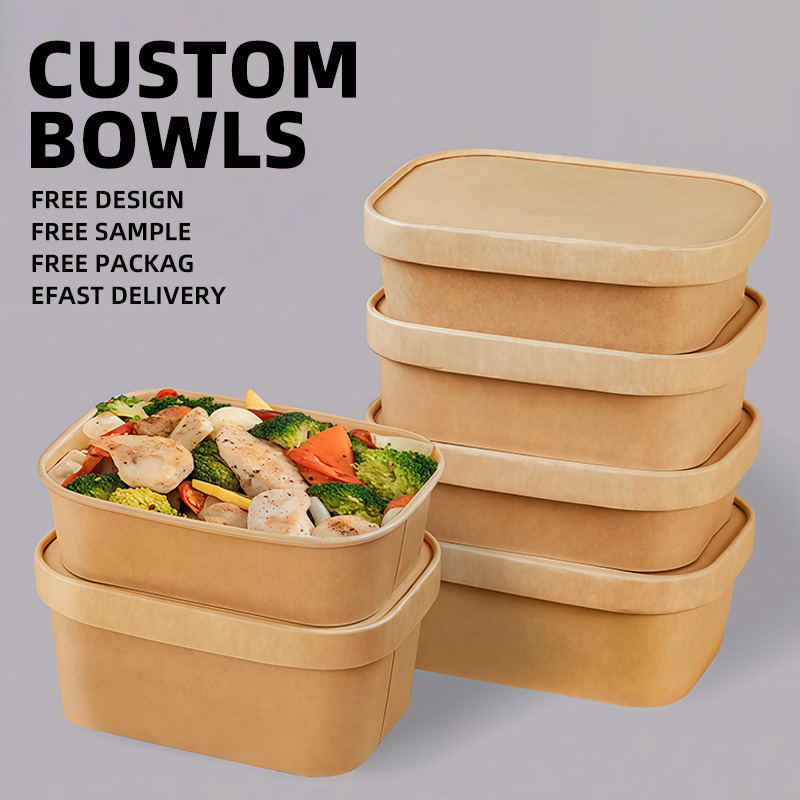
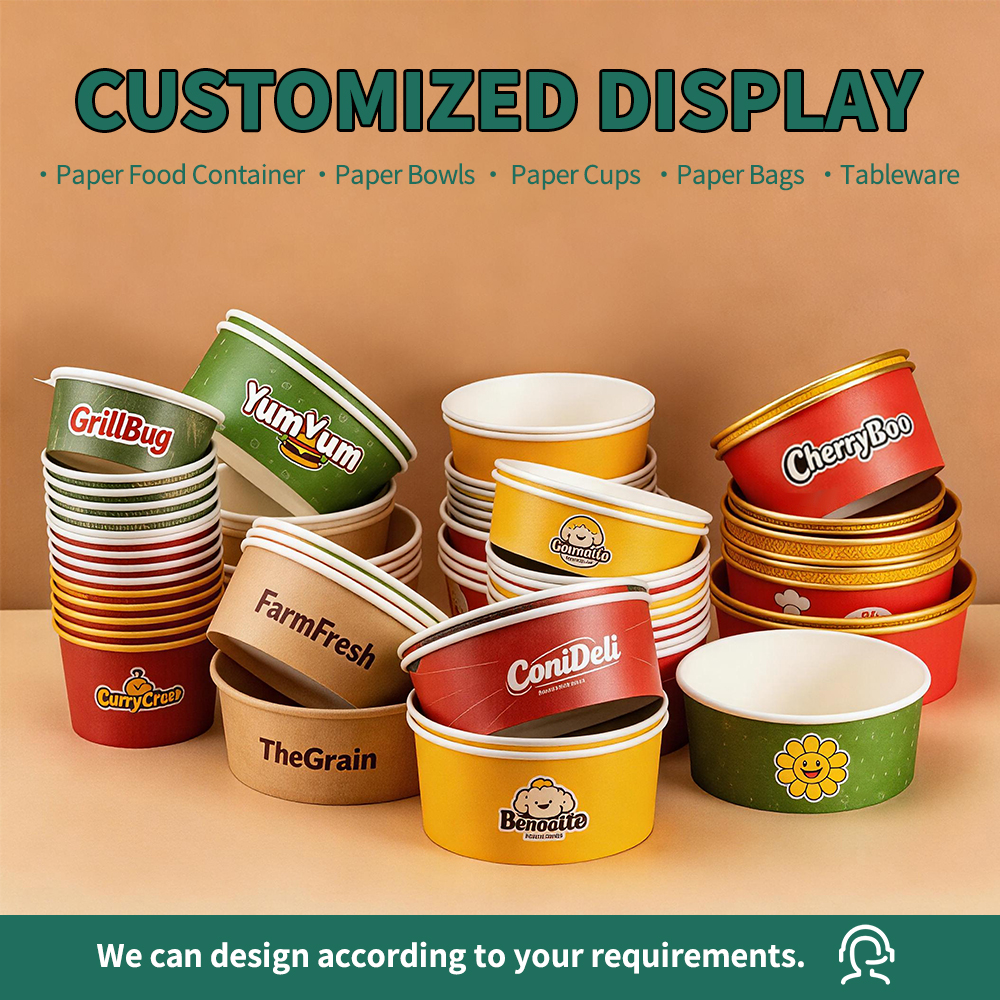
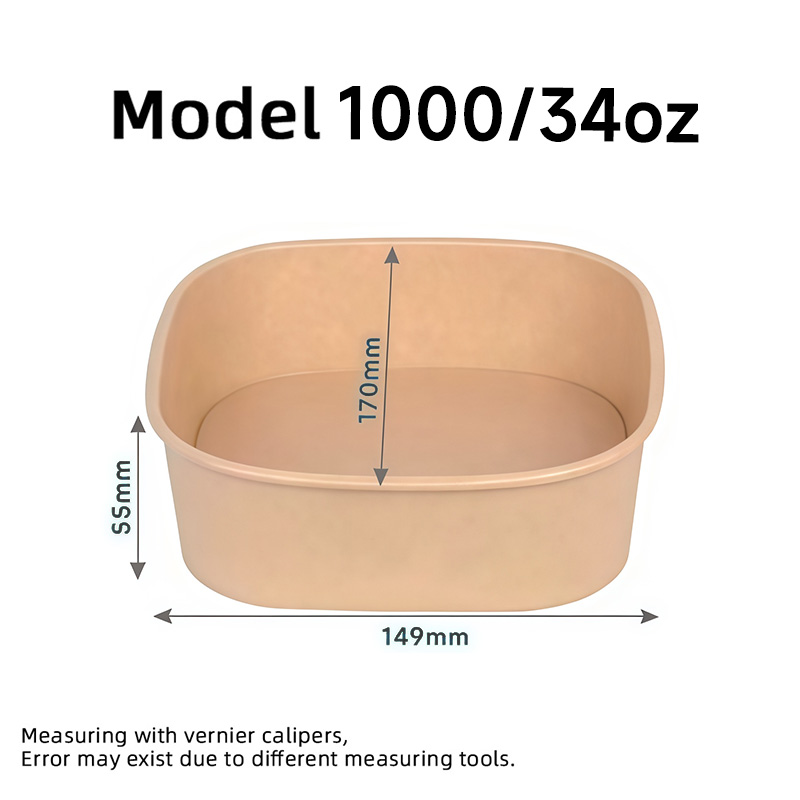
Custom Logo Kraft Paper Salad Bowls 500-1450ml Disposable Food Containers Leakproof
Request Direct Quote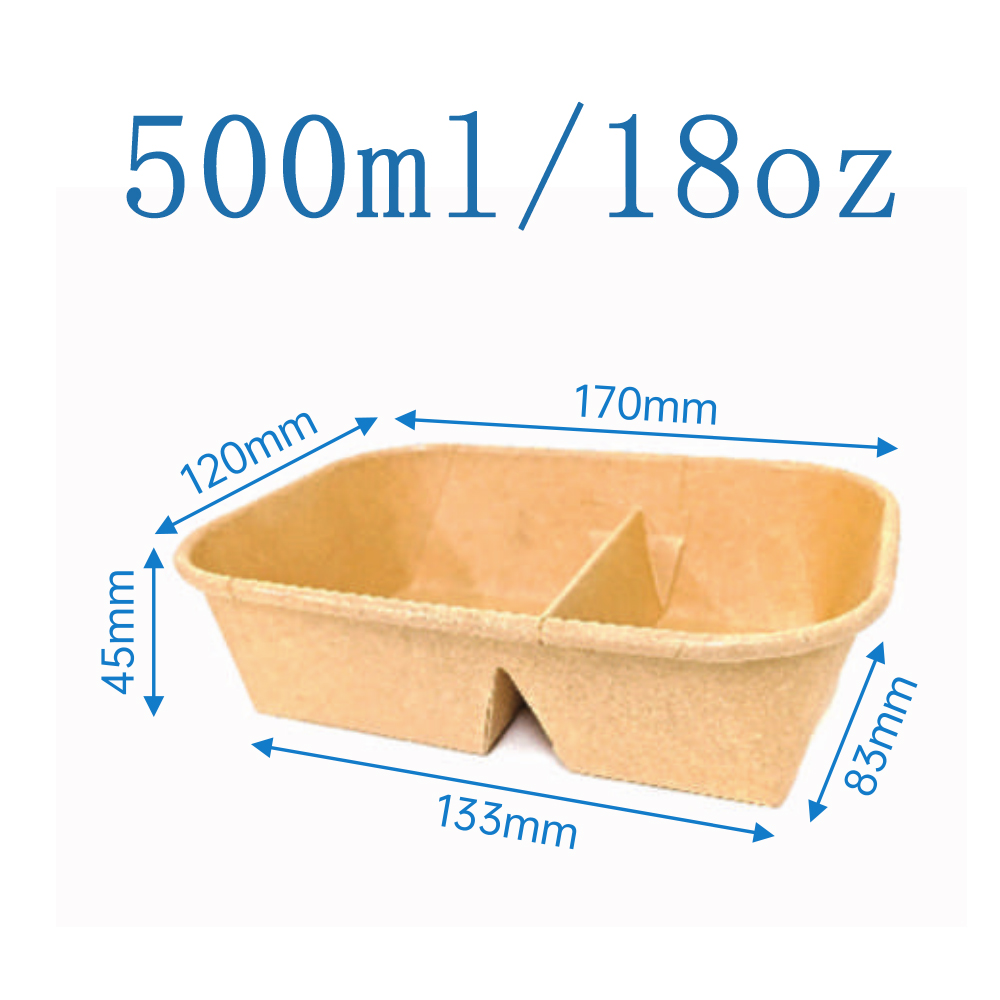
Engineering Microwave Safety: Substrate Physics & Thermal Compliance
Procuring microwave-safe takeout containers requires a strict technical assessment beyond basic branding. Understanding physical dynamics prevents costly food container failures and ensures consumer safety.
Dielectric Loss & Heat Deflection
Standard packaging warps in microwave fields because uneven moisture distributions induce differential thermal expansion. Our food bowls utilize high-density virgin kraft paperboard (300–337 gsm) laminated with specialized barrier resins featuring low dielectric loss tangent factors. This ensures electro-magnetic waves penetrate directly into aqueous food matrices rather than overheating container wall boundaries, preventing structural softening and sidewall collapse.
Barrier Integrity & Oil Resistance
Lipophilic foods like curries, fried meats, and gravies can reach internal temperatures exceeding 115°C (239°F) when microwaved. Conventional PE linings soften at 105°C, risking pinhole perforation and polymer migration into hot grease. We engineer high-molecular PP internal dispersions and heat-tolerant PLA/water-based barriers that maintain a certified Kit 11+ grease rating under prolonged, high-heat microwave cycles.
Steam Venting & Dimensional Retention
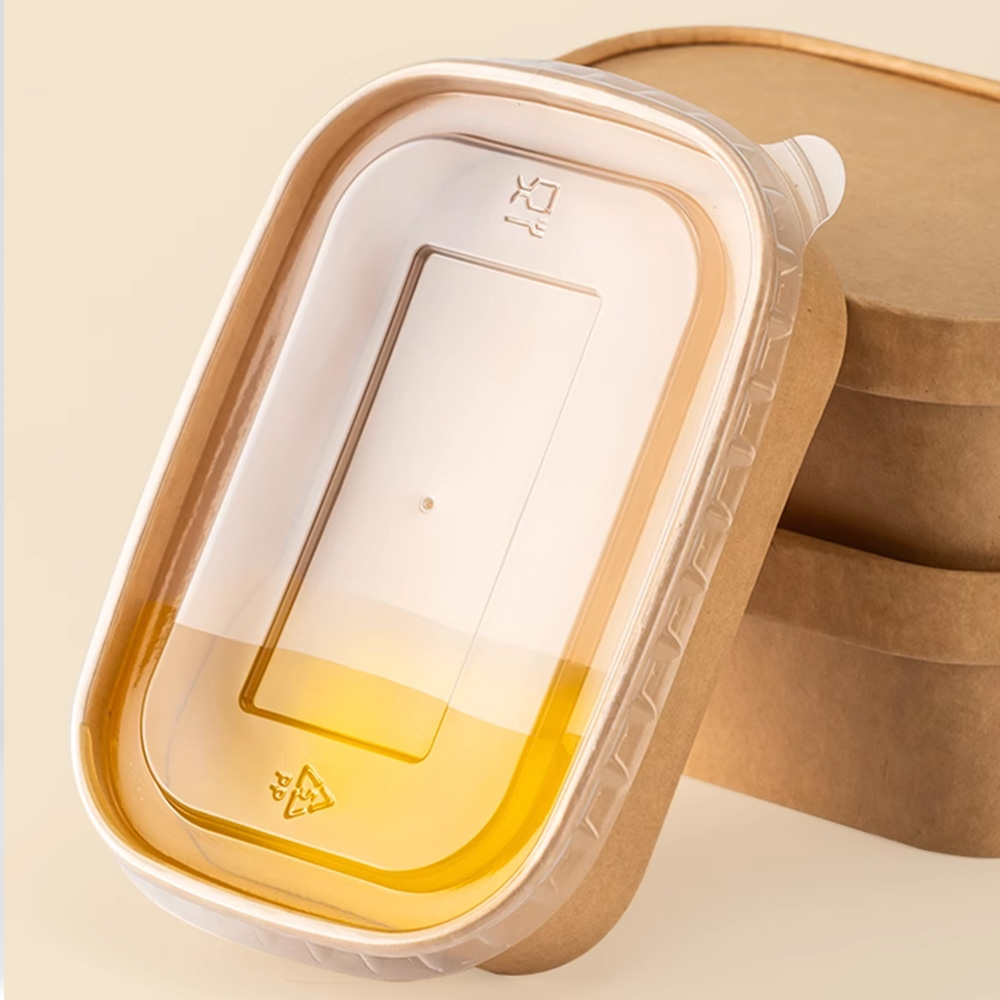
Trapped steam during microwave reheating is the primary cause of sudden lid pop-offs, burns, and lid distortion. Our custom matching 172mm rectangular and circular lids incorporate precision-tooled perimeter micro-exhaust vents. These channels release volumetric steam pressure while maintaining a tight liquid rim seal, preserving meal presentation without sogginess.
| Lamination & Substrate Matrix | Continuous Thermal Threshold | Microwave Suitability (3–5 min @ 800W) | Oil / Grease Barrier Performance | Global Compliance Benchmark |
|---|---|---|---|---|
| Heavy Kraft + PP Co-Extrusion | -20°C to +120°C | Superior / Optimal | 3M Kit Value 12 (Zero penetration @ 110°C) | FDA 21 CFR 177.1520, EU 10/2011 Passed |
| Kraft Board + Modified Aqueous Barrier | -10°C to +105°C | Certified Safe (Short/Med cycle) | Kit Value 9–10 (Suitable for stir-fries, sauced noodles) | BfR XXXVI, PFAS-Free DIN EN 13432 |
| Standard Virgin Board + Traditional PE | -18°C to +90°C | Moderate (Risk of pinholes with fats) | Kit Value 7 (Fails with super-heated oils >100°C) | FDA 21 CFR 177.1520 |
| Direct Thermoformed Homopolymer PP | -20°C to +125°C | Superior Industrial Grade | Complete Hydrophobic / Lipophobic Barrier | Heavy-metal Free, Multi-use Dishwasher Safe |
Global Sourcing & Procurement Trends (2025–2030)
B2B procurement leaders are shifting strategies in response to legislative restrictions, ESG mandates, and evolving cold-chain delivery models. Sourcing managers should align with these five macro trends.
Stringent Global Bans on PFAS Chemistries
Jurisdictions across North America (US State Bans) and Europe (EU Reach / Packaging and Packaging Waste Regulation) are aggressively prohibiting intentionally added per- and polyfluoroalkyl substances (PFAS) in food wrappers and paper containers. Leading QSR procurement directors are actively migrating supplier portfolios toward mechanical grease barriers and bio-based aqueous coatings that ensure structural containment without persistent fluorinated chemicals.
Rise of Ready-to-Heat (RTH) Meal Subscriptions
The explosive expansion of centralized meal-prep platforms requires packaging that supports dual thermal requirements: deep blast-freezing (-20°C to -40°C) followed directly by consumer microwave regeneration (100°C to 120°C). Containers manufactured from brittle or thin materials experience micro-fractures in sub-zero freight. Buyers prioritize fiber formulations with long softwood pulp additives that retain mechanical elasticity under rapid temperature swings.
Optimization for Robotic Automation & Dispensing
Automated cloud kitchens and high-speed de-nesting assembly lines cannot tolerate container warping, sidewall variance, or variable stack lip geometries. Enterprise buyers are contracting with OEM factories running continuous optical sensor verification to guarantee nest-pitch tolerances within ±0.3mm, eliminating costly line jamming during automatic meal dispensing.
Water-Based Dispersions Replacing Pure Plastics
Circular economy targets demand pulping systems that easily re-slurry paper waste. Water-based barrier coatings (WBBC) dissolve in conventional paper mill hydro-pulpers, delivering recyclable fibers without requiring specialized polyethylene strip-off infrastructure. Factory-level investment into dispersion coating application is growing rapidly across export hubs.
Near-Shoring Safety Margins via Direct OEM Contracts
Import distributors are shifting away from intermediaries, working directly with ISO and SGS-audited manufacturers. Direct engagement provides SKU design ownership, tooling asset amortization control, batch-traceable resin safety data sheets (MSDS), and production scheduling visibility during high-volume seasonal spikes.
Why Tier-1 Buyers Partner with Luohe Temip
Operating from our modern 2,200 m² clean facility in Luohe, Henan—the heart of China's food manufacturing and agricultural corridor—our facility blends high-speed precision manufacturing with stringent third-party quality control.
SGS On-Site Audited Facility
Unlike trading intermediaries, our factory has passed comprehensive on-site inspections by SGS Group. Our verified operational status encompasses strict factory sanitation, machine maintenance logs, automated fire systems, and verified export management practices with zero compliance issues.
Fortune 500 Qualified Supply Line
Our packaging engineers and quality supervisors possess verified experience serving Fortune 500 procurement protocols. We accommodate multi-SKU consolidations, strict pallet-packing specifications, lot tracking codes, and unannounced third-party container loading inspections.
Incoming Material Quality Control
We test incoming raw board for burst strength, moisture content (target 6–8%), and heat-seal readiness before material enters the stamping lines. Every batch of PP resin is verified for melt-flow index consistency to eliminate micro-cracking and brittleness.
Full OEM/ODM Tooling Customization
From custom embossed lids to dual-cavity compartmental partitions, our tooling department delivers physical samples within 7 working days. We support CMYK soy-based flexographic and offset print finishes that maintain optical brilliance under microwave reheating.
Logistical Hub Advantage
Our production facilities in Henan connect to major multimodal rail corridors and direct road links to Qingdao, Ningbo, and Shanghai ports. This provides international distributors with resilient inland logistics, reducing lead-time variance across sea freight routes.
Frequently Asked Questions: Microwave Safe Container Sourcing
Essential guidance addressing technical specifications, barrier migration, testing parameters, and container production operations.
What testing protocol determines if a container is legitimately "Microwave Safe"?
Legitimate microwave-safe verification requires compliance under standards such as ASTM D6868 or equivalent EN/FDA migration testing. This involves exposing the packaging to electromagnetic field excitation in contact with food simulants (distilled water, 3% acetic acid, 10% ethanol, and 95% ethanol/rectified olive oil) for cycles simulating consumer misuse. A pass grade requires zero physical warping or delamination, overall migration limits (OML) remaining below 10 mg/dm², and the container wall maintaining adequate structural rigidity without softening.
Why do standard paper containers sometimes smoke or burn in a microwave?
Smoking or burning occurs when kraft paperboard contains hidden carbon particulates, recycled metallic wire micro-inclusions, or uneven moisture pockets that induce localized arcing. Excessive moisture absorption causes localized dielectric hot-spots that surpass the paper's flashpoint. Temip prevents this by utilizing 100% virgin food-grade wood pulp certified free from metallic inclusions, coupled with controlled curing that locks the board equilibrium moisture strictly between 6% and 8%.
Can lids remain attached to the bowl during microwave reheating?
Lids manufactured from amorphous polyethylene terephthalate (PET) or crystal polystyrene (OPS/PS) should never be microwaved, as their glass transition temperature (Tg) ranges from 70°C to 85°C, resulting in structural collapse and chemical release. Polypropylene (PP) lids or vented kraft paper lids are designed for reheating. Our PP lids feature integrated pressure-relief steam vents that allow lids to stay secured to prevent splatter while safely venting steam.
How does PLA lining perform in microwave reheating applications?
Standard Poly Lactic Acid (PLA) begins softening at approximately 55°C to 60°C (131°F–140°F), making standard PLA-lined bowls unsuitable for extended microwave reheating of broths or saucy meals. However, for eco-conscious brands requiring plant-based profiles, our factory utilizes Crystallized Poly Lactic Acid (CPLA) and modified bio-resin matrices that elevate thermal resistance up to 100°C for short reheat cycles (up to 2 minutes).
What is the factory production lead-time and sample protocol for OEM orders?
Physical blank stock samples for dimension, form-fit, and microwave qualification are dispatched within 48 hours. Custom printed sample proofs take 5–7 working days following artwork vector approval. Full container-load mass production (20GP or 40HQ) is typically completed within 18–25 days from sample sign-off, supported by real-time production status updates from our dedicated export operations department.
How are custom inks verified to prevent toxic volatile emissions in microwave ovens?
Standard solvent inks can flash, crack, or release volatile organic compounds (VOCs) when subjected to microwave radiation. We exclusively run low-odor, vegetable- and water-based soy inks on our printing presses. Our cured inks are tested under elevated thermal stress conditions to guarantee zero transfer or toxic gas emissions, meeting FDA 175.300 and Swiss Ordinance safety thresholds.