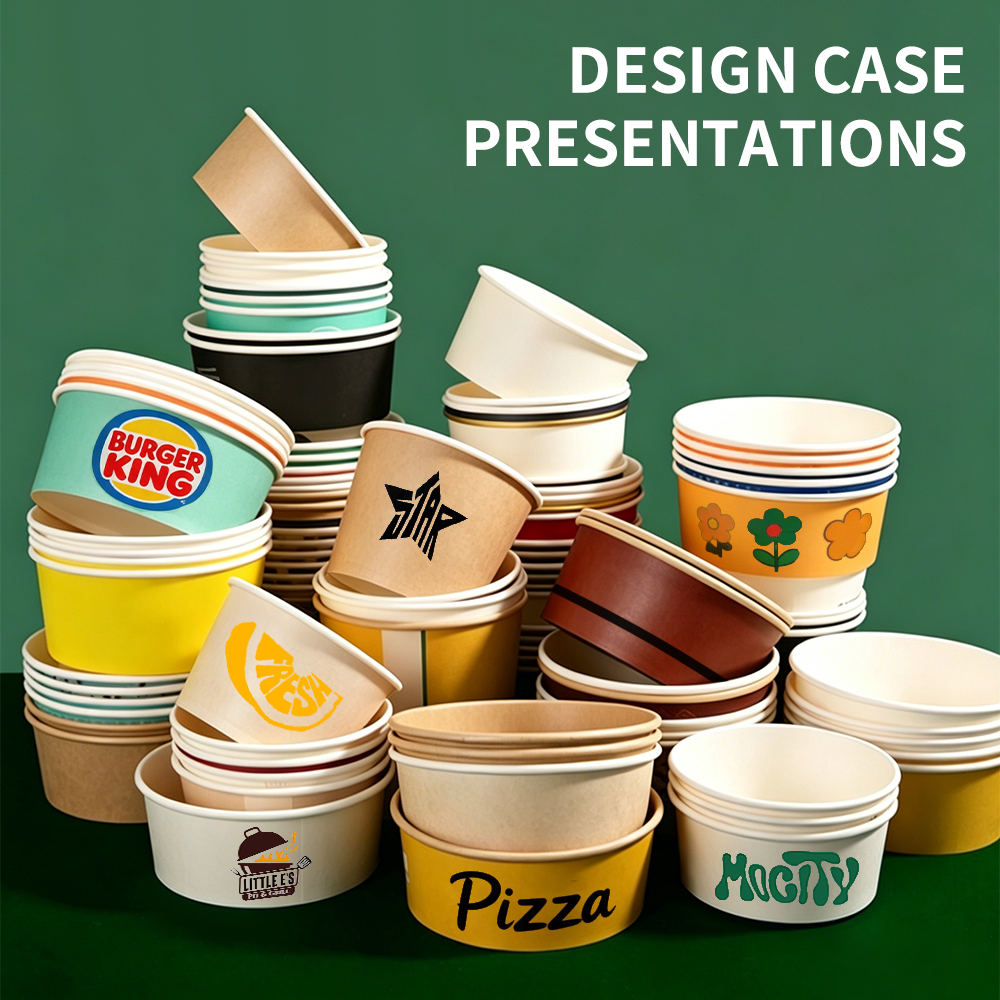
Production Portfolio
Precision-Engineered Food Delivery & Salad Packaging Lines
Manufactured using certified virgin food-contact substrate, certified under rigorous on-site SGS oversight for superior structural integrity, stacking stability, and hermetic perimeter sealing.
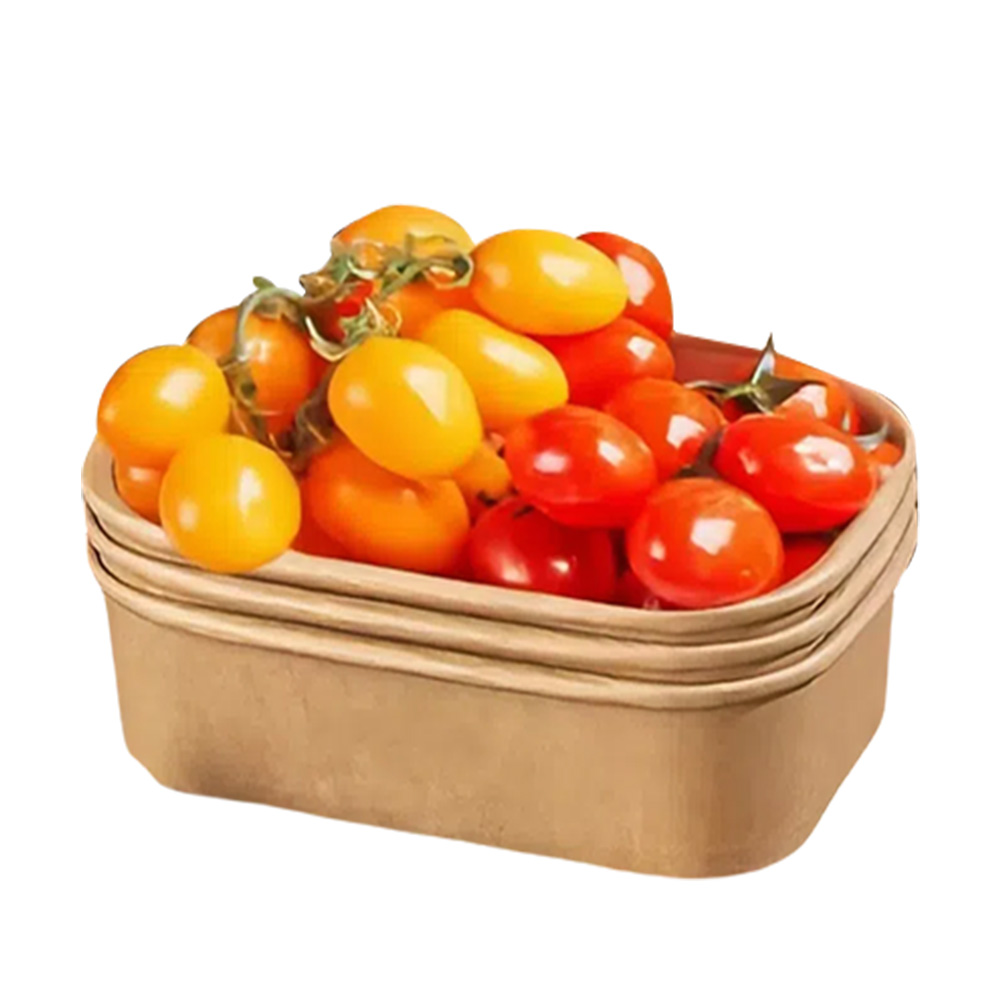
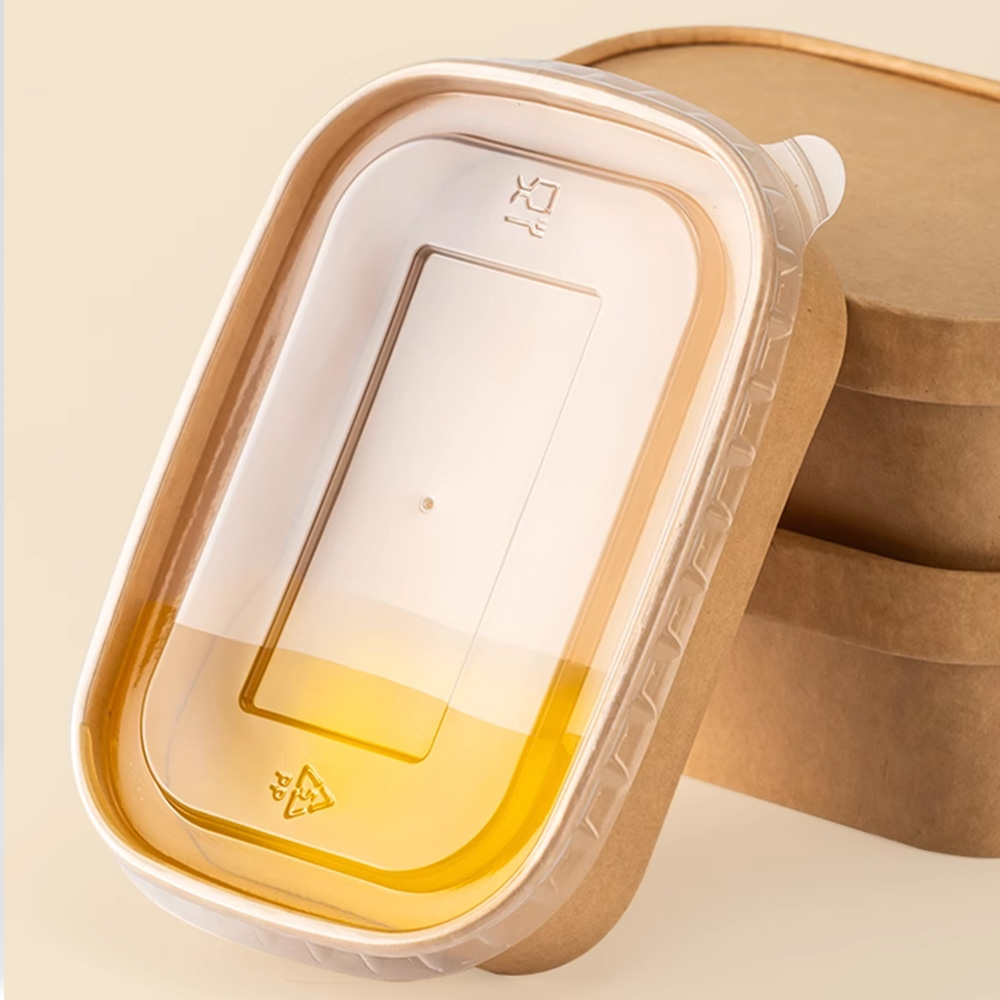
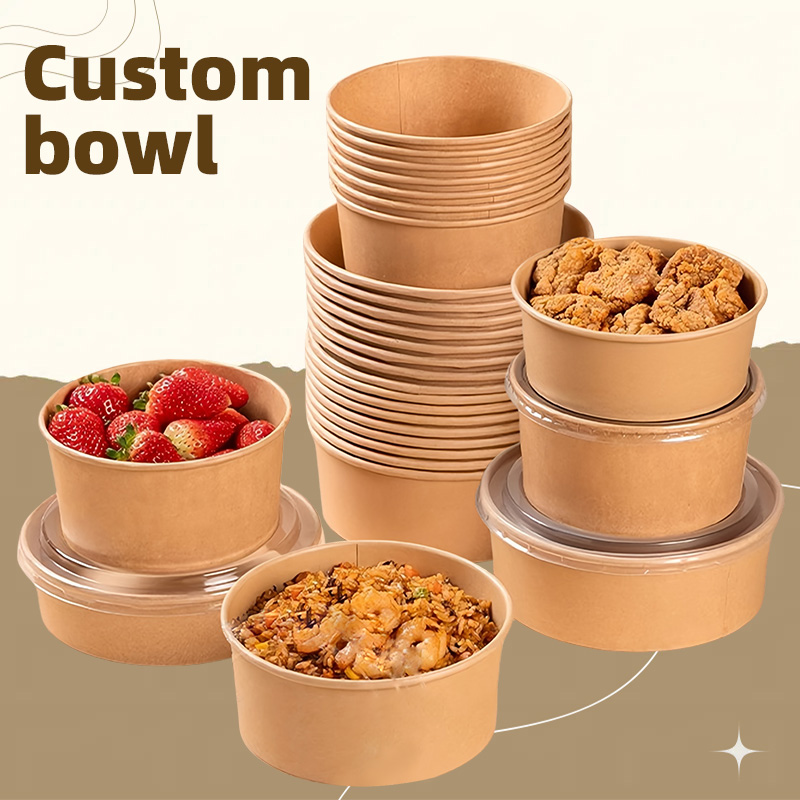
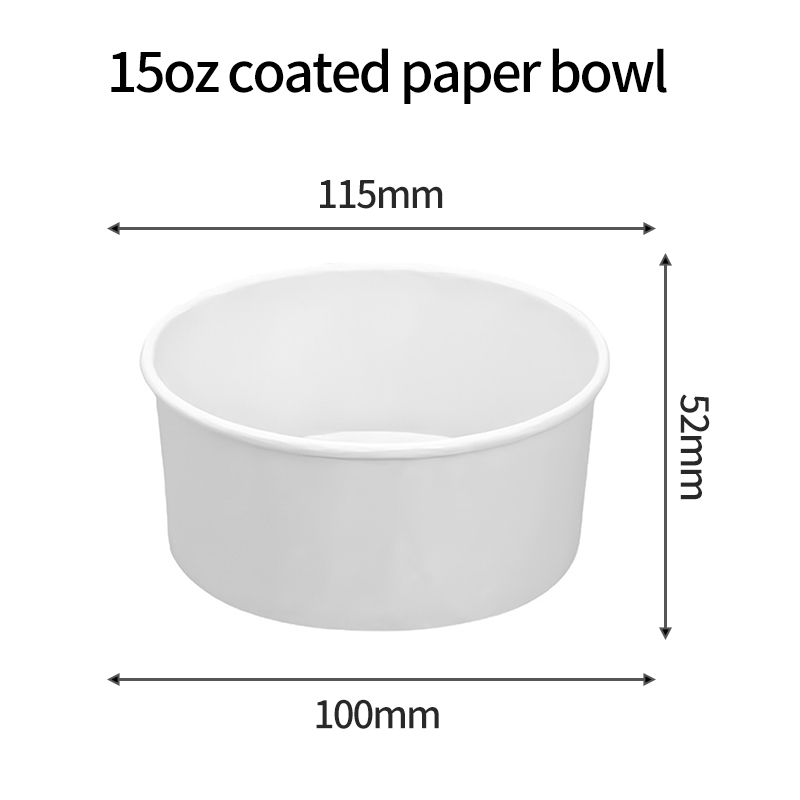
Multi-Capacity Bowls
Eco-Friendly Disposable Salad Bowls 500ml-1450ml Kraft Food Container Round/Square
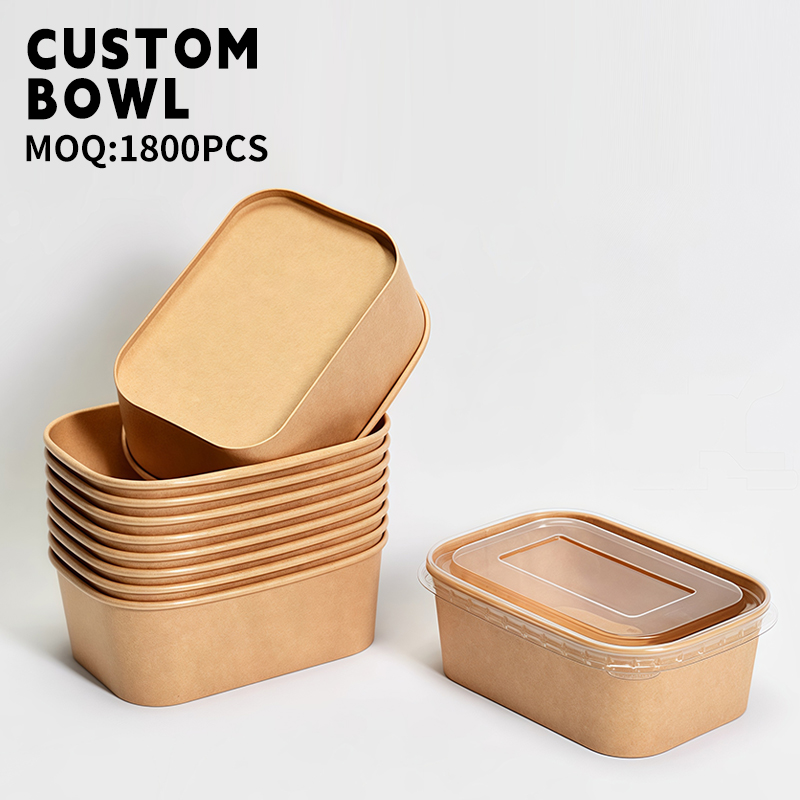
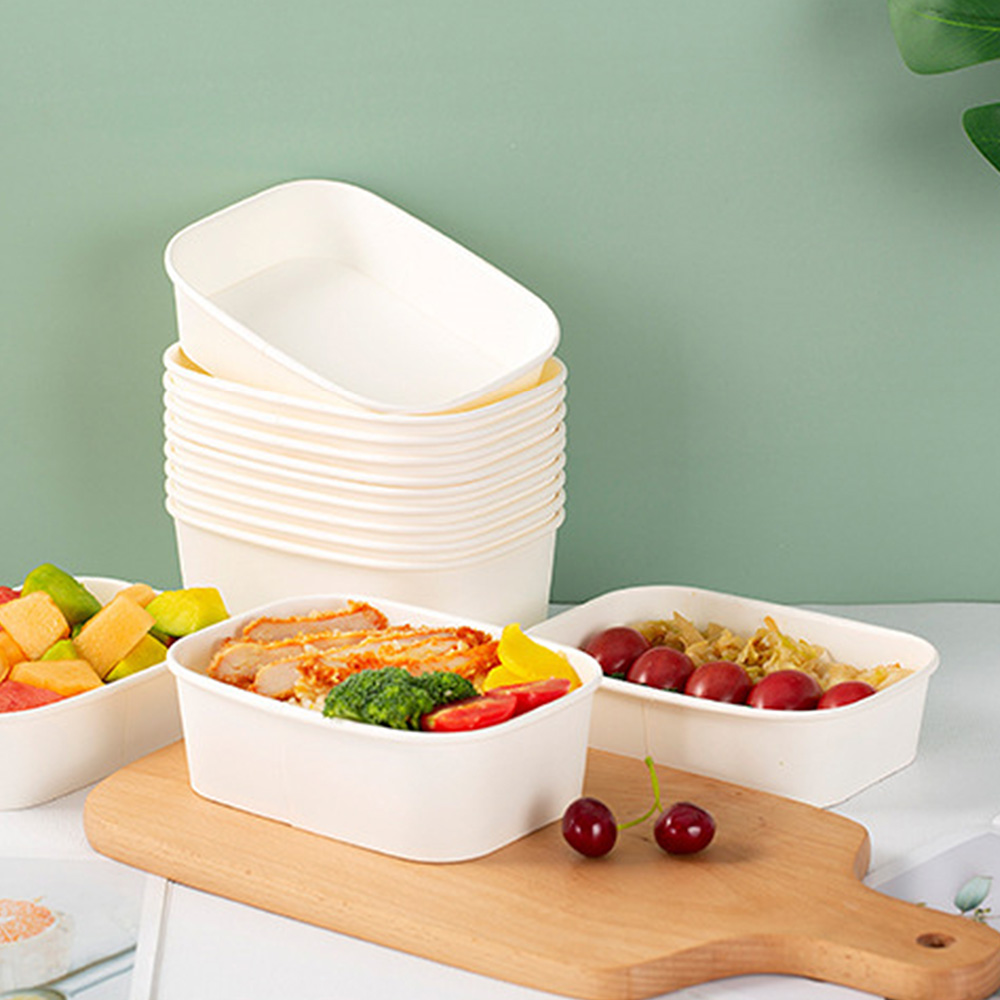
Biodegradable Lines
18oz/500ml 100% Biodegradable Disposable Kraft Rectangular Salad Paper Bowls
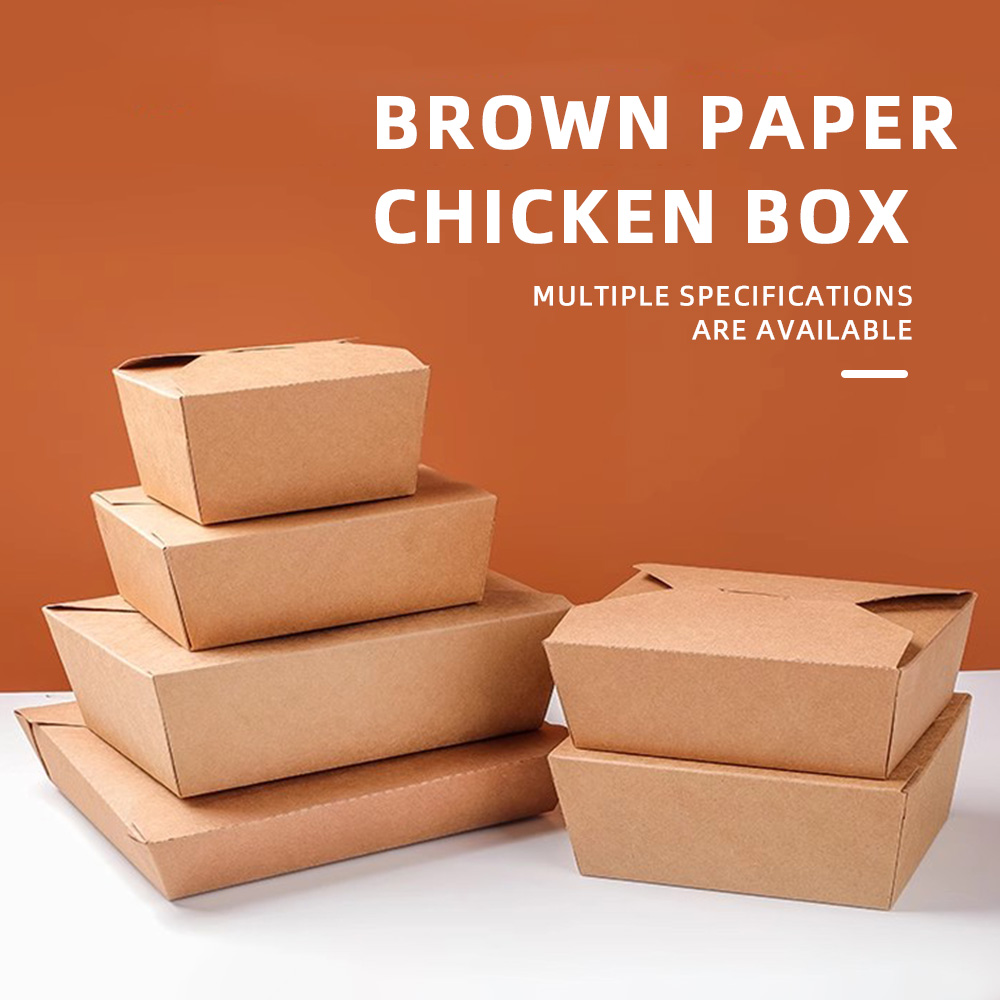
Foldable Enclosures
Foldable Custom Printed Takeout Food Boxes for Salads, Catering & Ready Meals
2,200m²
Dedicated Cleanroom Floor Area
9+ Yrs
Global OEM Export Competency
100%
Incoming Virgin Resin & Pulp Batch Testing
SGS Tier-1
Audited Vendor for Fortune 500 Brands
Engineering Transparent Salad Bowls: Material Chemistry and Haze Reduction
In modern commercial food presentation, visual shelf-appeal directly correlates with conversion velocity. Transparent salad bowls engineered for cold-chain grab-and-go applications must satisfy conflicting chemical and mechanical requirements: high optical transparency (low haze index), robust impact toughness at refrigerated temperatures (0°C to 4°C), and airtight perimeter snap tolerances that prevent volatile oxidation and dressing leakage during logistics transit.
As a vertically integrated OEM manufacturer based in Luohe, Henan, Temip balances material physics across three principal polymer families: Polyethylene Terephthalate (PET), clarified Random Copolymer Polypropylene (PP), and Polylactic Acid (PLA) biopolymers. Our precision thermoforming lines deploy multi-zone infrared radiant heating with servo-driven plug assist mechanisms. This equipment ensures uniform wall thickness distribution, minimizing perimeter thin-spots that traditionally cause structural buckling when multi-tiered takeaway salad bowls are stacked in delivery transport.
Technical Benchmark: For maximum consumer clarity, our thermoformed virgin PET containers achieve a total light transmittance of ≥91% with a haze metric of ≤1.2%, outperforming standard packaging grades and preserving vibrant vegetable coloration without visual distortion.
| Polymer Classification | Optical Clarity & Haze | Operating Temperature | Barrier Rigidity (E-Modulus) | Optimal Menu Application |
|---|---|---|---|---|
| Virgin PET (Amorphous) | Crystal Clear (<1.5% Haze) | -40°C to +60°C | 2,800 - 3,100 MPa | Cold salads, cut fruit, gourmet poke, deli displays |
| Clarified PP (Nucleated) | Semi-Clear to Translucent | -20°C to +120°C | 1,300 - 1,600 MPa | Warm salads, microwaveable protein grain bowls |
| Food-Grade PLA (Bio-derived) | High Gloss (<2.0% Haze) | -20°C to +45°C | 3,500 MPa (Rigid/Brittle) | Certified compostable cold organic salad retail |
| Aqueous/PE Kraft Hybrid | Opaque Base w/ Clear Lid | -20°C to +100°C | High Stacking Crush Proof | Heavy dressing takeout, commercial ghost kitchens |
To eliminate consumer frustration, our mold tooling utilizes CAD-designed reverse-undercut sealing rims. These create an audible "snap-tight" mechanical lock with corresponding lids. This design prevents oil migration from dressings containing acetic acid, citrus concentrates, and emulsified olive oil matrices without necessitating secondary adhesive tapes.
Market Intelligence
Future Procurement Trends in Salad Bowl Manufacturing (2025–2030)
Procurement directors face tightening regulatory mandates worldwide, including EU PPWR compliance, extended producer responsibility (EPR) taxes, and regional single-use plastic restrictions. Future-proof your supply chain through these core engineering transitions.
Transition to Mono-Material Recyclability
Global sorting facilities struggle to separate composite paper-plastic containers. Sourcing trends show accelerating migration toward 100% mono-material PET or monopolymer PP systems (container + lid + inner sauce cup), allowing single-stream sorting and exemption from composite-material municipal disposal penalties.
PFAS-Free Water & Grease Barrier Formulations
With stringent bans on polyfluoroalkyl substances (PFAS) taking effect across North America and Europe, enterprise buyers are replacing fluorinated pulp bowls with water-based aqueous dispersion barriers and certified plant-wax coatings that maintain salad oil resistance without persistent chemical liabilities.
Automated Denesting & High-Speed Dispensing
As commercial QSR chains adopt robotic kitchen automation, manual salad bowl separation is becoming obsolete. Advanced buyers specify precision stacking lugs and anti-jam de-nesting shoulders, reducing dispenser jam rates to under 0.01% in automated salad assembly lines.
Operational Excellence
Why Tier-1 Buyers Partner with Luohe Temip Plastic Products
Combining primary manufacturing efficiency with full international trade compliance, our production infrastructure delivers reliable, verified capacity at direct-from-source wholesale economics.
SGS On-Site Audited Facility
Our production facilities in Luohe, Henan have been verified by SGS Group inspectors, confirming cleanroom protocols, raw material origin tracking, and standardized QA workflows.
Fortune 500 Vendor Pedigree
Temip manufactures and exports food packaging under strict OEM contracts for Fortune 500 retailers and international food brands, maintaining zero-defect batch delivery records.
Full In-House Tooling & ODM
We provide full-spectrum engineering support: from 3D CAD modeling and CNC aluminum mold milling to rapid 7-day physical prototype creation and custom branding embossment.
High Stacking Efficiency
Container nesting tolerances are micro-engineered to maximize ocean freight container cube utilization, reducing per-unit logistics overhead for long-haul maritime transport.
Procurement Clarity
Frequently Asked Questions on Custom Salad Bowl Procurement
Actionable guidance address common production queries, quality assurance workflows, regulatory compliance, and logistics parameters.
What is the typical lead time for custom thermoforming tooling?
For custom geometric profiles, structural salad bowl concepts, or embossed logos, CNC tooling fabrication requires 12 to 15 working days. Initial functional evaluation samples are dispatched via express air freight within 72 hours of tooling completion.
How do you guarantee anti-fog functionality on salad bowl lids?
Our clear lids utilize internal chemical-grafting anti-fog surfactants applied during sheet extrusion. This prevents moisture droplets from condensing into opaque water film when bowls transition from ambient room prep to 4°C refrigerated display cases.
Can you provide comprehensive food contact safety dossiers?
Yes. All clear plastic (PET/PP) and coated virgin paperboard containers comply with US FDA 21 CFR 177.1520/1630 and EU Regulation (EC) No 1935/2004. Test reports detailing overall migration limits (OML) and specific migration limits (SML) are supplied per production batch.
What Minimum Order Quantities (MOQs) apply for bespoke OEM branding?
For catalog-standard geometries requiring custom flexographic or offset artwork printing, our baseline MOQ is 30,000 units. For completely custom thermoformed container sizes requiring bespoke molds, production runs start at 50,000 to 100,000 units depending on grammage.
How do you verify edge crush resistance and transit stackability?
Every lot undergoes Top-Load Compression Resistance testing using digital dynamometers. Bowls must withstand a minimum vertical load of 25 kgf without perimeter collapse, ensuring that palletized export goods do not compress during intermodal ocean transport.
What is your procedure for third-party pre-shipment inspections?
Temip works regularly with international inspection agencies including SGS, Bureau Veritas, and TÜV Rheinland. We provide dedicated factory inspection zones, calibrated optical gages, and sampling assistance according to ISO 2859-1 (AQL 1.5/4.0) standards.
Request Factory-Direct Pricing & Custom Engineering Samples
Connect with our technical packaging engineers to discuss target volumes, resin requirements, barrier properties, or mold customization. We return formal manufacturing quotations and freight estimates within 24 business hours.