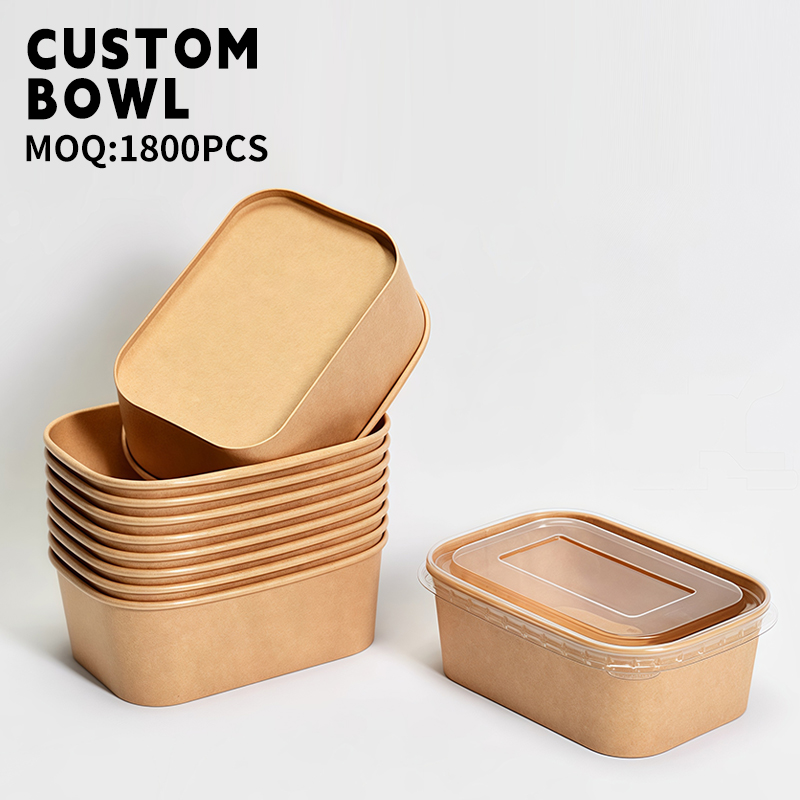
Engineered Product Portfolio
High-Performance Food Packaging Solutions
Manufactured under strict ISO-grade hygienic controls and verified by SGS. Built for extreme heat endurance, airtight sealing integrity, and maximum retail clarity.
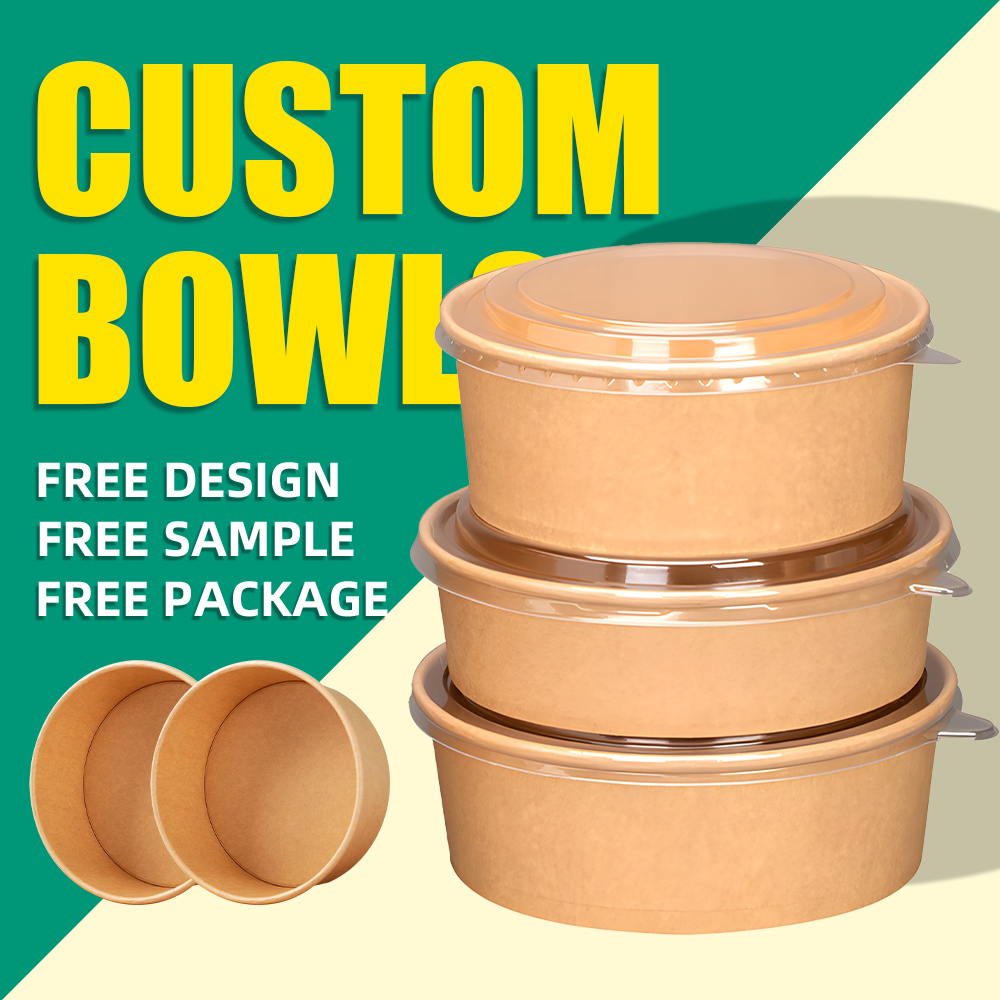
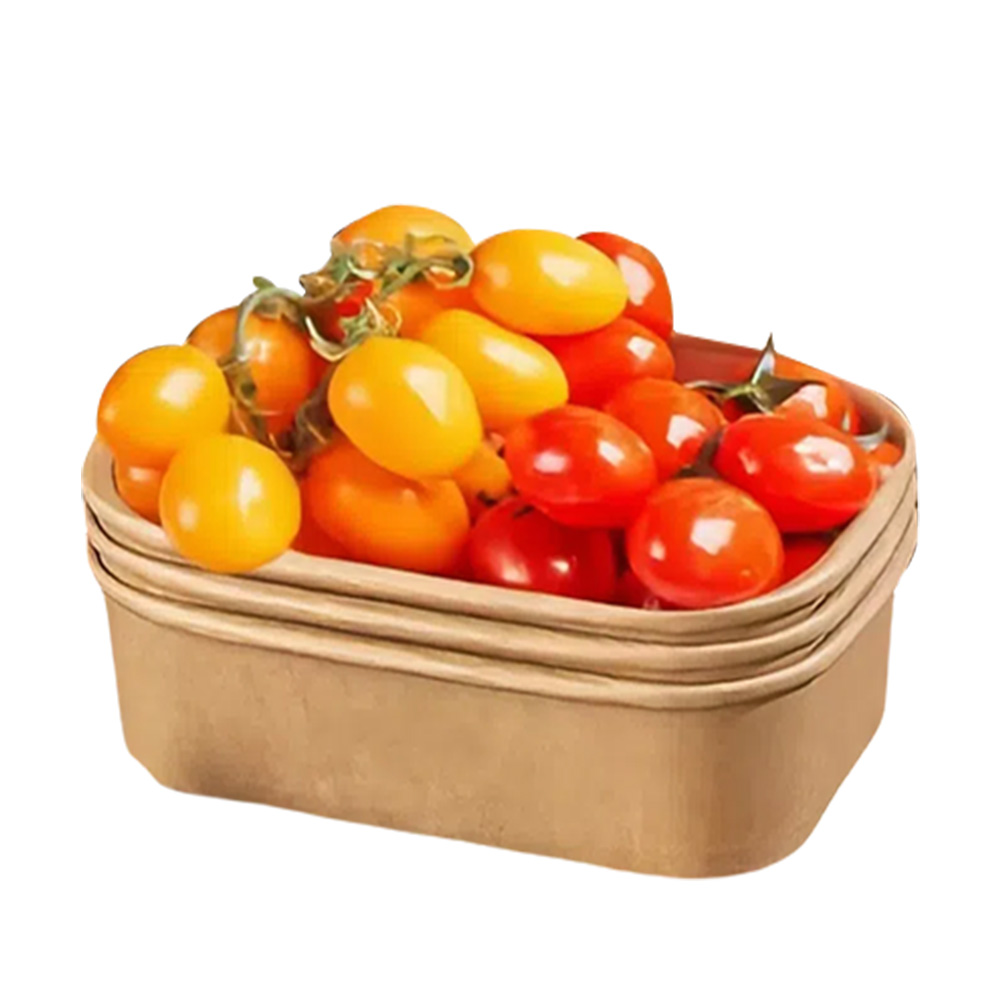
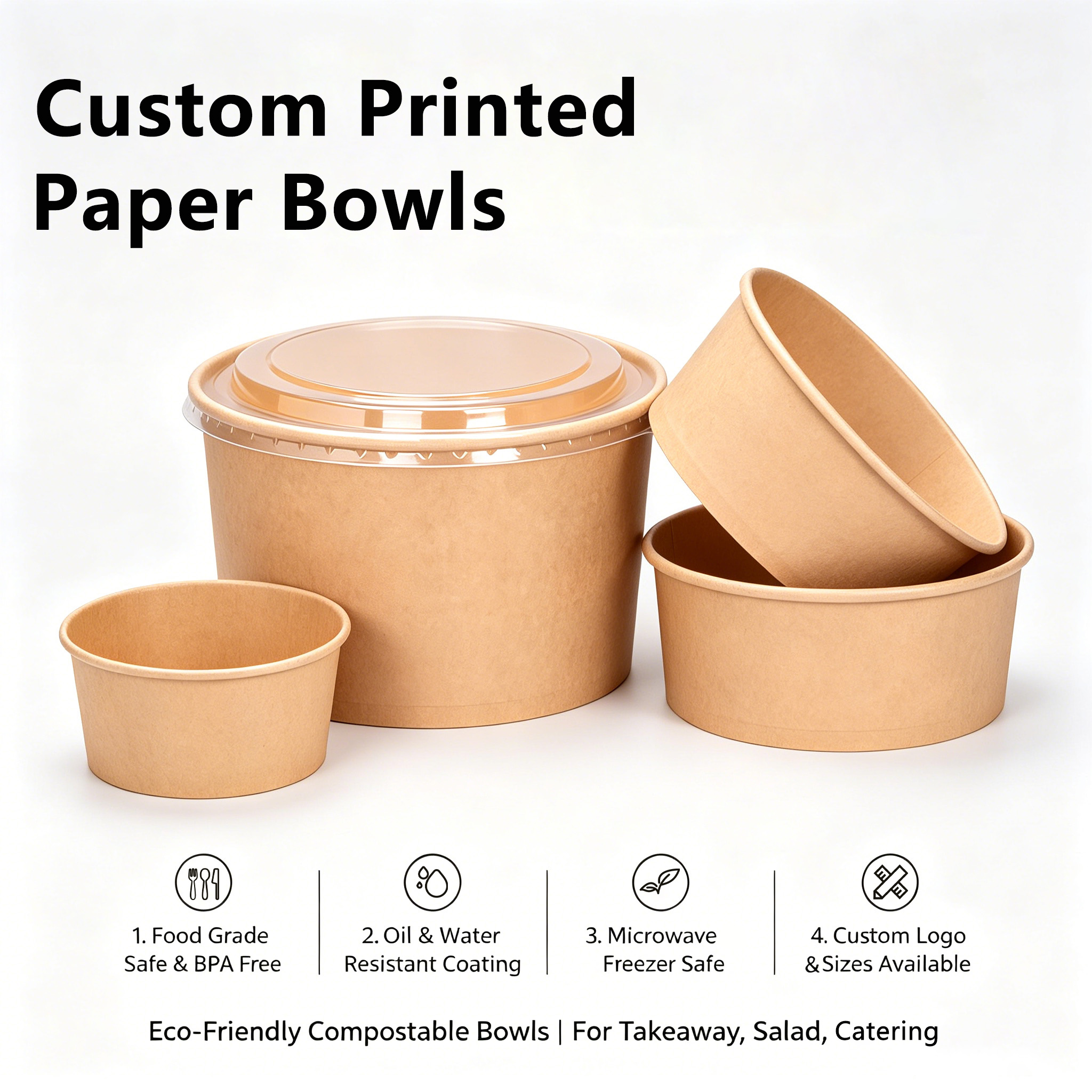
Industrial Scale & Verification
Why Tier-1 Global Brands Partner with Luohe Temip
Operating from the national food manufacturing center of Luohe, Henan, China, we combine source-material verification, advanced tooling, and high-speed automated forming.
SGS-Audited Manufacturing Discipline
Unlike middle-tier trading houses, our facility at Jingyi Road, Dongcheng Industrial Agglomeration Zone underwent complete on-site physical auditing by SGS Group. Every square meter of our clean-room workshops, precision molds, and packaging conveyors is verified against international food contact sanitary standards.
- Third-party verified factory footprint and machinery capacity
- Fully validated tracking of raw material lot numbers
- Experienced supplier base serving Fortune 500 contract accounts
End-to-End OEM/ODM Customization
We provide full-spectrum engineering from rapid sample prototyping to high-volume multi-cavity thermoforming. Whether your project requires minor graphics adaptation or structural innovation for specialized takeout logistics, our in-house tooling team executes within guaranteed timelines.
- Custom tooling, rim geometries, and anti-slip stackable ribbing
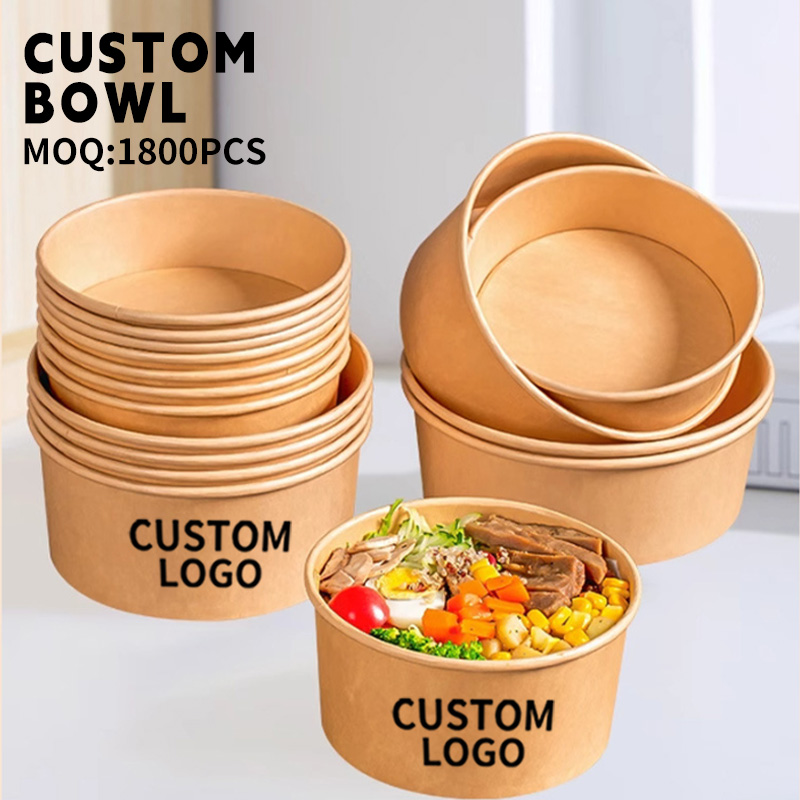
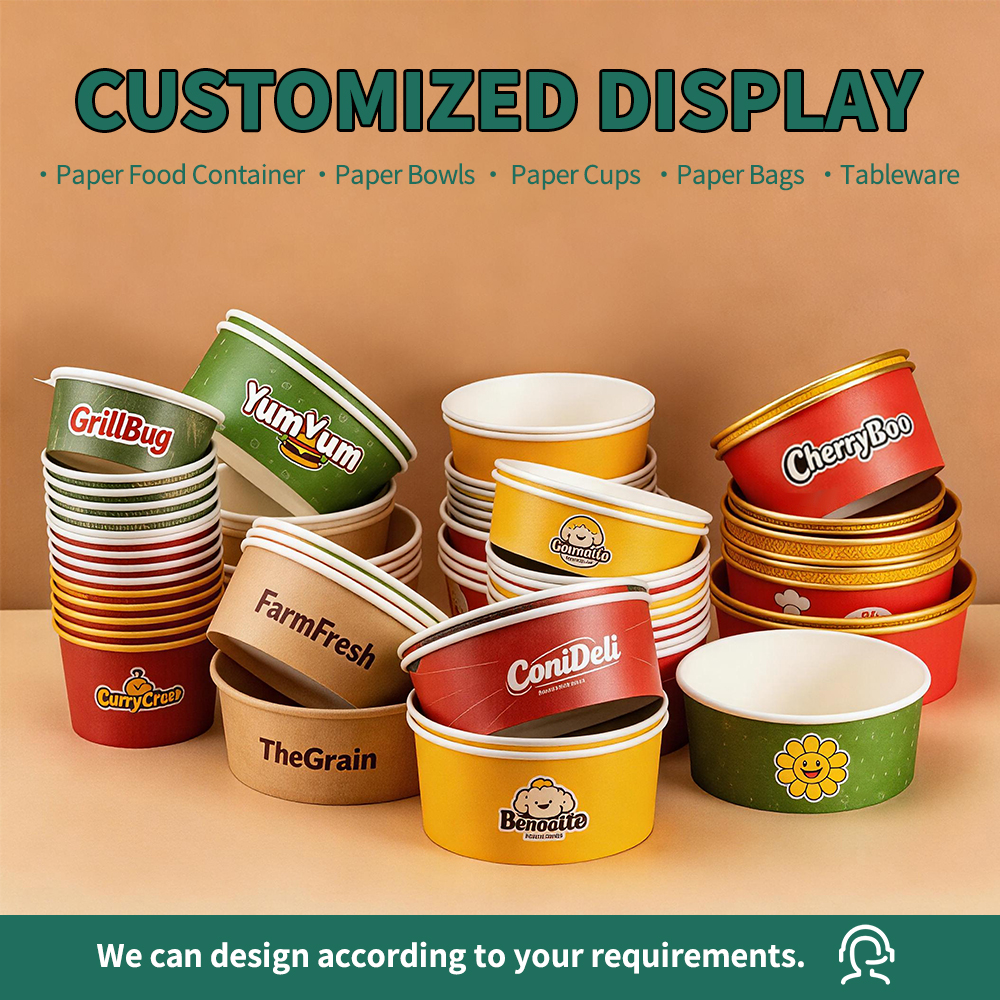
- High-definition 1 to 6-color flexographic and offset food-grade printing
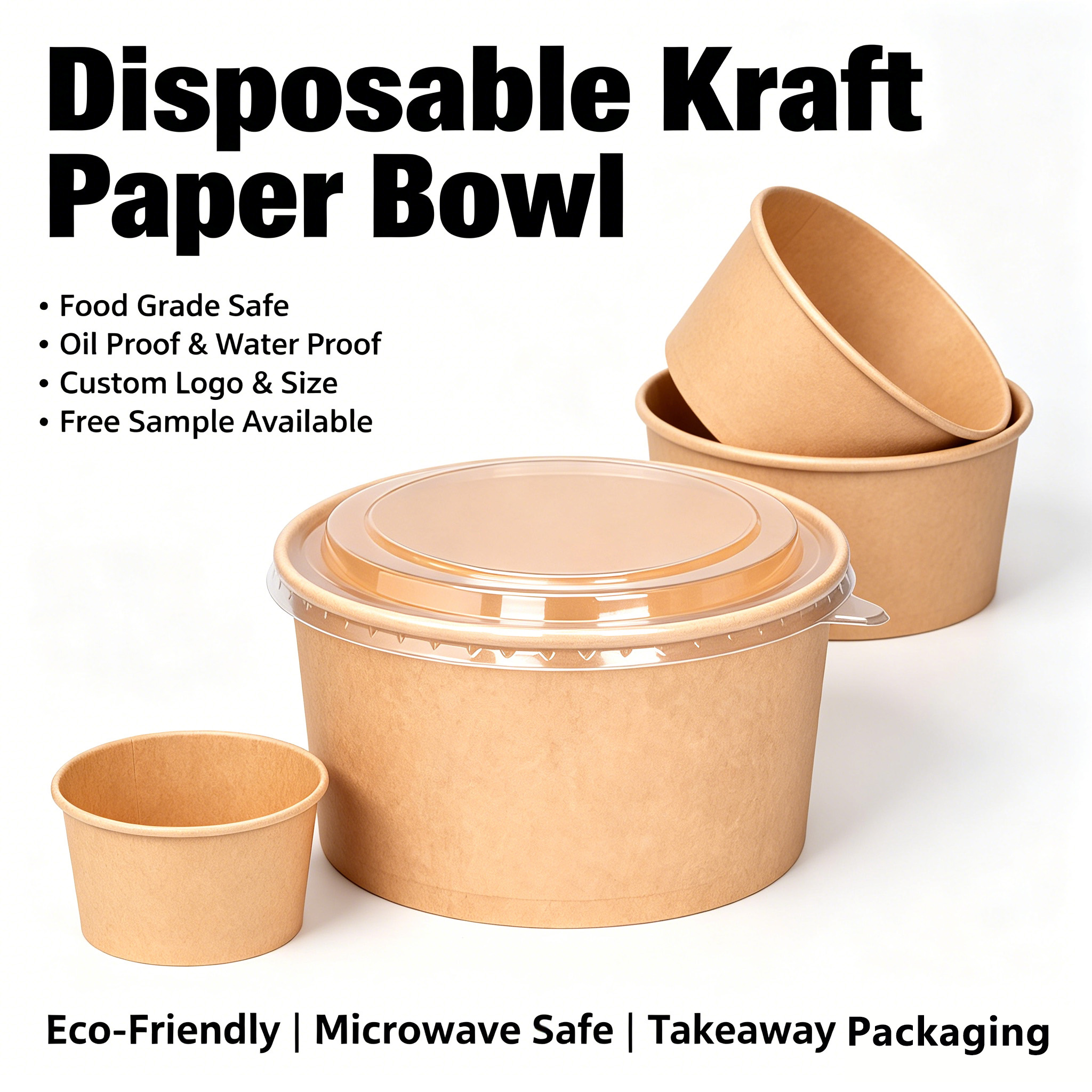
- Hybrid material fusion: Clear PET/PP lids integrated with heavy-gauge kraft bowls
Zero-Defect Quality Control (Source to Box)
Packaging structural collapse during last-mile food delivery destroys brand value. We implement strict in-process optical inspections and real-world thermal-stress benchmarking for every batch of PP containers and lined paper products before shipping clearance.
- Hydrostatic leak testing up to 100°C for oily broths and hot gravies
- Snap-fit acoustic locking tolerances tested for over 50 closing cycles
- Edge-crush test (ECT) and top-load compression validation for delivery stacking
Technical Engineering Whitepaper
Engineering Clarity, Structural Rigidity, and Barrier Protection in OEM Food Containers
For industrial food processors, national quick-service restaurant (QSR) chains, and food packaging distributors, choosing between virgin polypropylene (PP), ultra-clear polyethylene terephthalate (PET), and virgin bleached/unbleached kraft paperboard lined with biopolymers is a multifaceted engineering decision. Sourcing mistakes frequently lead to wall buckling under top loads, optical hazing from hot vapors, or grease migration through micro-crevices.
In high-speed delivery scenarios, clear food containers require engineered perimeter lid seals. Our tooling integrates continuous perimeter beads that snap securely over rolled cup rims or thermoformed container flanges. Below is a comparative performance analysis across primary food packaging resins and paper structures manufactured at our Luohe plant.
| Polymer / Substrate Class | Thermal Deflection Range | Optical Clarity Index | Grease & Moisture Barrier | Key Commercial Application |
|---|---|---|---|---|
| Homo-Polypropylene (PP) | -20°C to +120°C (Microwave Safe) | Semi-Translucent to High-Clarified | Exceptional Oil / Solvent Resistance | Hot soups, microwavable ready-meals, curries, sauced noodles |
| Virgin A-PET (Clear Thermoform) | -40°C to +65°C (Cold Chain Only) | Ultra-Clear (>92% Light Transmittance) | Superior Oxygen and Odor Barrier | Pre-cut fresh fruits, cold salads, sushi, premium deli showcases |
| Kraft Board + PE Barrier | -10°C to +100°C (Hot Holding) | Opaque Natural Brown Surface | Double-Coated Polyethylene Wall | Greaseproof fried foods, poke bowls, Asian takeout rice dishes |
| Kraft Board + PLA Coating | 0°C to +85°C (Commercial Compost) | Natural Kraft Aesthetic | Corn-based Polylactic Acid Lining | Zero-plastic corporate dining, eco-takeout, green festival catering |
| Water-Based Dispersion Barrier | -10°C to +90°C (Fully Recyclable) | Smooth Matte/Gloss Printable | Polymer-Free Hydrophobic Layer | Next-gen circular economy packaging compliant with strict EU bans |
Overcoming Common OEM Failure Points
Through our 9+ years of manufacturing experience serving multi-market foodservice brands, we have engineered out the primary causes of commercial packaging failure:
1. Thermal Venting vs. Anti-Spill Balancing: High-heat soups and gravies release volatile steam that expands the container's headspace, causing lid popping or side-wall deformation. We engineer calibrated pin-hole venting structures that allow vapor equalization while capillary seals prevent liquid seepage during vehicular transit.
2. Anti-Fog Additive Compounding: Clear PET and PP lids often fog immediately when placed over warm salads or fresh protein boxes, obscuring product visibility in grab-and-go displays. We utilize masterbatch anti-fog migration agents that lower the water contact angle, spreading droplets into an invisible continuous thin film for crystal-clear presentation.
3. High-Speed Denesting Rim Tolerances: Automated food packaging lines require containers to drop and denest flawlessly without human intervention. Our tooling is machined with precision denesting shoulder steps (tolerances within ±0.15mm) to eliminate double-picks and line stoppage.
Need Custom Mold Prototyping or Exact Spec Quotations?
Consult directly with our packaging engineering team. We provide 3D CAD modeling, material thickness optimization, and physical pre-production samples delivered within 7 to 10 working days.
Inquire Now
Procurement Intelligence
Emerging Procurement Trends in Global Foodservice Packaging
How international regulatory mandates, consumer perceptions, and supply chain volatile cost structures are reshaping contract purchasing for 2025–2030.
1. Monomaterial Design & True Recyclability
Global extended producer responsibility (EPR) legislation is penalizing non-separable laminates. Sourcing teams are phasing out complex multi-material glued packages in favor of 100% monomaterial PP or rPET setups, or repulpable aqueous-coated paperboard that integrates directly into standard post-consumer municipal waste streams.
2. Lightweighting via Micro-Rib Structural Geometry
Freight rates and resin price fluctuations are pushing enterprise buyers toward thin-wall containers with engineered load-bearing structural ribs. By placing geometric corrugation in high-stress container side walls, manufacturers can reduce raw polymer weight by 12% to 18% without compromising drop strength or top-load stacking stability.
3. Complete PFAS-Free Barrier Verification
With aggressive regulatory bans on per- and polyfluoroalkyl substances (PFAS) across North America and the European Union, foodservice brands are rigorously vetting Chinese manufacturing partners. Luohe Temip provides certified fluorine-free barrier coatings that pass heavy fluorinated grease testing while maintaining water-oil boundary resistance.
4. Factory-Direct Source Consolidation
Enterprise procurement directors are increasingly bypassing multi-layer import intermediaries to establish direct OEM/ODM links with qualified Chinese factories. Consolidating full takeaway portfolios—from kraft lunch boxes and paper soup cups to transparent lids and cutlery—within one audit-verified factory lowers logistics overhead and ensures batch-to-batch color harmony.
5. Smart Packaging & Tamper-Evident Mechanics
The explosive global growth of third-party delivery services (UberEats, DoorDash, Deliveroo) has made consumer safety verification paramount. Modern clear container procurement prioritizes integrated tamper-evident pull tabs that audibly snap when broken, reassuring end diners without the need for adhesive tape or shrink wraps.
Procurement Guidance
Frequently Asked Questions on Custom OEM Food Container Sourcing
Everything you need to know about factory audits, MOQ thresholds, material certifications, and custom tooling lifecycles.
What specific verification credentials has Luohe Temip achieved?
Luohe Temip Plastic Products Co., Ltd. has undergone comprehensive on-site factory verification assessed directly by SGS Group. The audit covers our manufacturing premises in the Dongcheng Industrial Agglomeration Zone, production floor equipment, raw material incoming inspection protocols, and verified contractual experience supplying Fortune 500 company programs. Complete audit reports and certificates are available upon request for buyer compliance checks.
What is the difference between PET and PP clear containers for food takeout?
PET (Polyethylene Terephthalate) provides superior glass-like clarity (>90% optical transparency) and high oxygen barrier performance, making it the premier choice for cold display salads, deli slices, sushi, and confectionery. However, PET softens at approximately 65°C and cannot be microwaved. In contrast, PP (Polypropylene) operates safely from -20°C up to +120°C, making it microwaveable, dishwasher-safe, and chemically resistant to boiling oils and hot broths. We manufacture both substrates according to client application demands.
What are your Minimum Order Quantities (MOQ) for custom OEM orders?
For standard factory molds with custom flexographic/offset logo printing, our starting MOQ is typically 10,000 to 30,000 units depending on container volume and dimensions. For fully customized tooling involving proprietary structural shapes or patented anti-leak locking mechanisms, initial project minimums generally start at 50,000 to 100,000 units to amortize aluminum mold fabrication costs.
Are your kraft and paperboard food containers certified PFAS-Free and food-contact safe?
Yes. All paper substrates and plastic polymers processed in our facility comply with international food safety requirements (including FDA 21 CFR and EU Framework Regulation EC No 1935/2004). We supply verifiable 100% fluorine-free (PFAS-Free) barrier options, certified water-based dispersion barriers, and biodegradable polylactic acid (PLA) linings that safeguard food purity and eliminate hazardous chemical leaching.
How does the factory guarantee lid fit and airtight leak resistance across production runs?
Lid matching precision is the most critical technical parameter in takeout packaging. We operate synchronized thermoforming and paper-forming lines where cup rim diameters and lid receiving recesses are cut with laser-calibrated steel tooling within tolerances of ±0.15mm. In addition, our on-site QC team conducts hourly inverted pressure tests using colored mineral oil and water baths heated to 90°C to guarantee leak-free transit for food delivery operators.
What is the typical lead time from design conceptualization to bulk sea shipment?
For existing mold configurations with custom client branding, digital proofs take 1–2 working days, physical prepress samples are completed within 5–7 days, and bulk container forming is accomplished in 15–20 days. For new custom structural molds, CAD design and aluminum tooling take 15–25 days, followed by sample sign-off and expedited full-container mass production.
Connect with Our Engineering Office
Initiate Your Custom OEM/ODM Packaging Order Today
Join world-class restaurant chains, grocery distributors, and contract packaging buyers who trust Luohe Temip Plastic Products Co., Ltd. for consistent quality, verified food safety, and factory-direct pricing. Contact our export sales team right now for sample packs, factory tour appointments, and fast-turnaround quotations.