
The Evolution of Custom OEM Black Food Containers in Institutional Catering
The global demand for specialized custom OEM black food containers has reached unprecedented volumes, driven primarily by the modernization of commercial cloud kitchens, high-density delivery ecosystems, and ready-to-eat (RTE) retail merchandising. Within the business-to-business packaging sphere, black polypropylene (PP) substrates, carbon-free pigment formulations, and hybrid black kraft composites have evolved from simple carryout boxes into critical thermodynamic food retention systems.
As international brand owners and food service distributors seek direct collaboration with a verified black food container factory, the search intent shifts drastically away from commoditized catalog ordering toward deep bespoke engineering. OEM buyers must verify that container tooling delivers specific rim geometry, zero perimeter warp under intense thermal transition, and total micro-venting efficiency. Black bases not only elevate visual appeal by providing high chromatic contrast against colorful meals, but they also conceal internal grease migration lines and oil stains, preserving aesthetic integrity until consumption.
Strategic Procurement Trends: Navigating Material Circularity & Regulatory Shifts
Procurement directors navigating global distribution chains face evolving regulatory compliance frameworks, such as the EU Packaging and Packaging Waste Regulation (PPWR), extended producer responsibility (EPR) mandates, and FDA 21 CFR 177.1520 requirements for olefin polymers. Below are the key procurement trends redefining factory manufacturing quotas for custom black takeout packaging:
NIR Detectable Carbon-Free Pigments
Traditional black plastic formulated with raw carbon black absorbs Near-Infrared (NIR) spectrum signals, rendering containers invisible to automated sorting systems at municipal recycling facilities. Tier-1 factories now prioritize specialty organic dyes and non-carbon black masterbatches, allowing automatic sorting optical heads to isolate black PP for complete closed-loop mechanical recycling.
Virgin-Equivalent Structural Foaming
To reduce overall plastic usage without sacrificing mechanical side-wall rigidity, advanced blow and injection-molding production runs deploy microcellular foaming technology. This lightweighting technique reduces raw polymer weight by up to 18% while enhancing thermal barrier properties, keeping food hotter during extended delivery cycles.
Hybrid Bio-Mineral Compounding
Direct factory compounding lines now integrate virgin polypropylene with up to 40% surface-modified natural calcium carbonate (CaCO3) or talc. This optimizes structural heat distortion temperatures (HDT) up to 125°C, cuts reliance on fossil resins, stabilizes pricing volatility, and lowers the carbon footprint per production batch.
Institutional sourcing teams must align with manufacturing partners possessing localized raw material compounding controls. Without dedicated on-site resin drying, color dispersion validation, and melt flow index (MFI) calibration, custom black containers risk stress-cracking when frozen (-20°C) or rapid softening during microwave reheating (120°C).
Engineering & Tooling Blueprint: PP vs. Coated Kraft Formats
Selecting the optimal container framework demands an exhaustive understanding of substrate behaviors under varying delivery stress. Sourcing managers can reference this structural decision matrix when placing bespoke OEM container orders:
| Performance Parameter | Thermoformed / Injection Black PP | Water-Based Coated Black Kraft Board | PLA-Lined Mineral-Filled Composite |
|---|---|---|---|
| Thermal Stability Range | -20°C to +125°C (Microwave & Deep-Freeze Safe) | -10°C to +90°C (Short Reheat Exposure) | -15°C to +105°C (Balanced Hot Fill Tolerance) |
| Hydrostatic Leak Resistance | Hermetic peripheral snap seal; zero moisture loss | Ultrasonic/heat-welded rim; limited soup endurance | Mechanical lock system; moderate liquid stability |
| NIR Optical Sortability | High (Utilizing Non-Carbon Black Masterbatch) | Standard Paper Stream Recyclable | Requires Industrial Composting Facility |
| Grease Penetration Barrier | Inherent non-polar polymer resistance (Class 12) | Aqueous barrier coating resistance (KIT Value > 9) | Biopolymer barrier film layer (KIT Value > 10) |
| OEM Tooling Modification Cycle | 25–35 Days (Precision Steel Mold Engraving) | 12–18 Days (Die-Cut & Forming Mandrel Prep) | 30–40 Days (Thermoforming Tool Engineering) |
Comprehensive Product Development Trends in OEM Black Packaging
As the global market matures, competitive advantages among black food container factories are determined by tooling innovations and intelligent design features. The industry is moving toward several advanced architectural enhancements:
1. Anti-Fogging Polypropylene & Clear APET Lids
A persistent operational issue in hot meal delivery is internal condensation. When steam collects on standard clear lids, product visibility drops, impairing shelf appeal and creating the impression of soggy food. Modern factory configurations implement continuous inline micro-spray or internal compounding of food-contact-approved surfactants. This prevents water droplets from beading, maintaining a transparent presentation for hot bento boxes, ramen sets, and artisanal rice dishes.
2. Integrated Acoustic-Tactile Snap Locks
High-volume commercial kitchen staff require immediate, tactile feedback that a container is securely locked. Advanced rim profiles are precision-milled with undercut snap channels. When pressed down, an audible snap confirms a hermetic seal, eliminating reliance on external tape or shrink wrap and ensuring zero spillage during transit over rough terrain.
3. Multi-Compartment Volumetric Precision
Institutional dietitians, macro-balanced fitness meal providers, and multi-dish Asian culinary styles demand precise volumetric allocation per compartment. Contemporary custom OEM injection tooling incorporates calculated internal dividers that prevent sauce migration across chambers, ensuring dry fried items stay crisp beside gravies or warm sauces.
Enterprise Factory Capability & Strategic Advantages
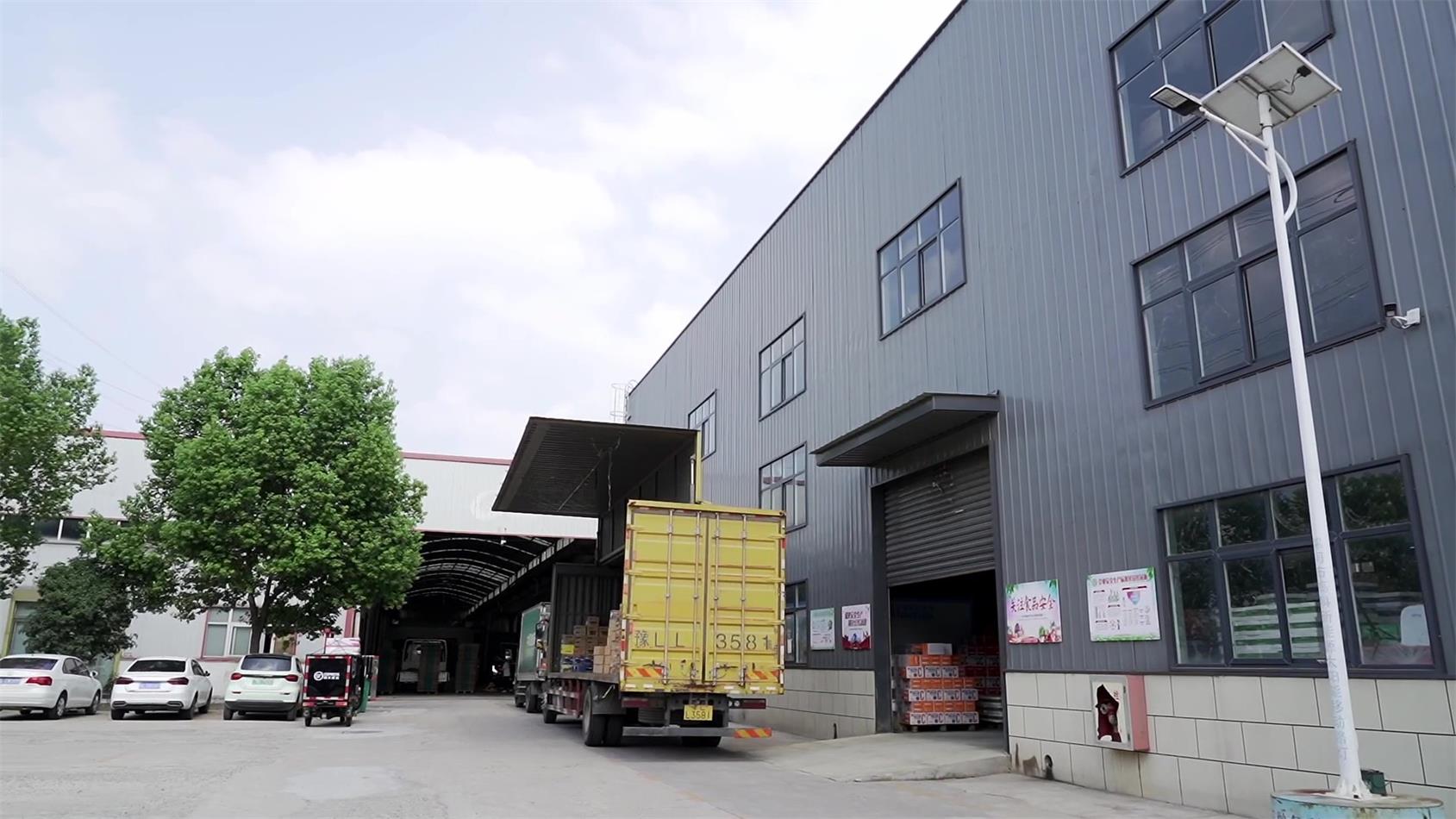
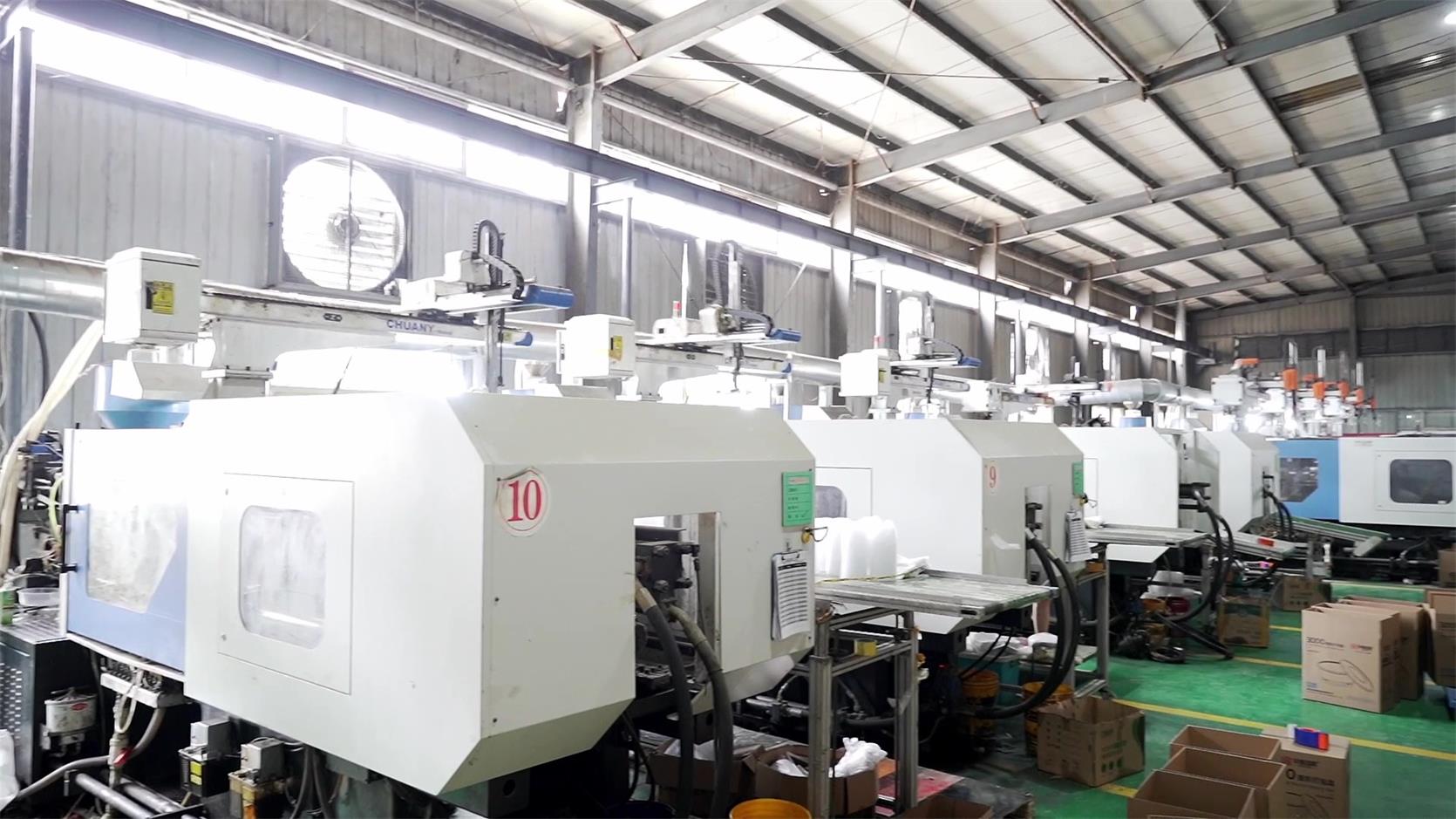
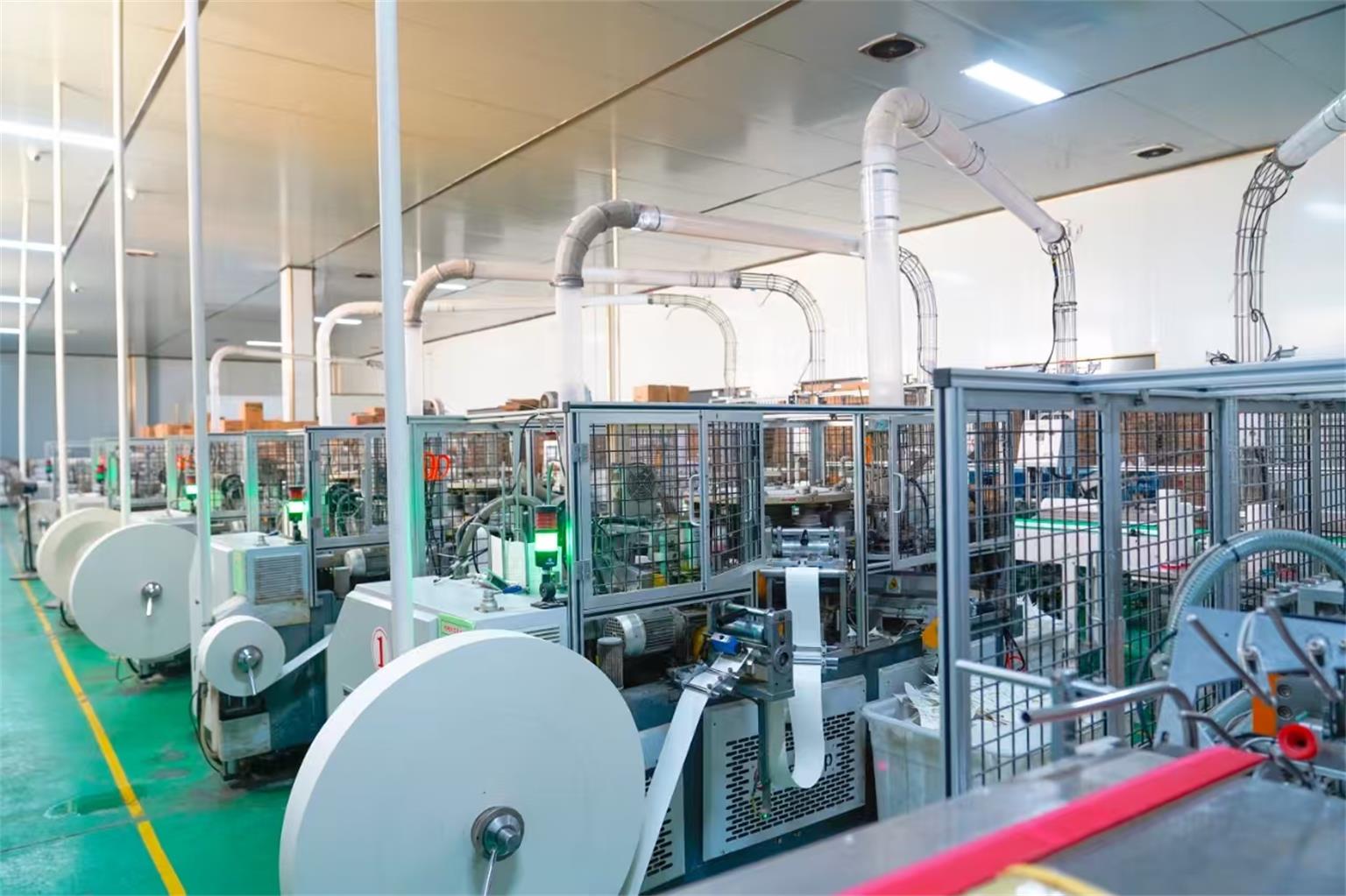
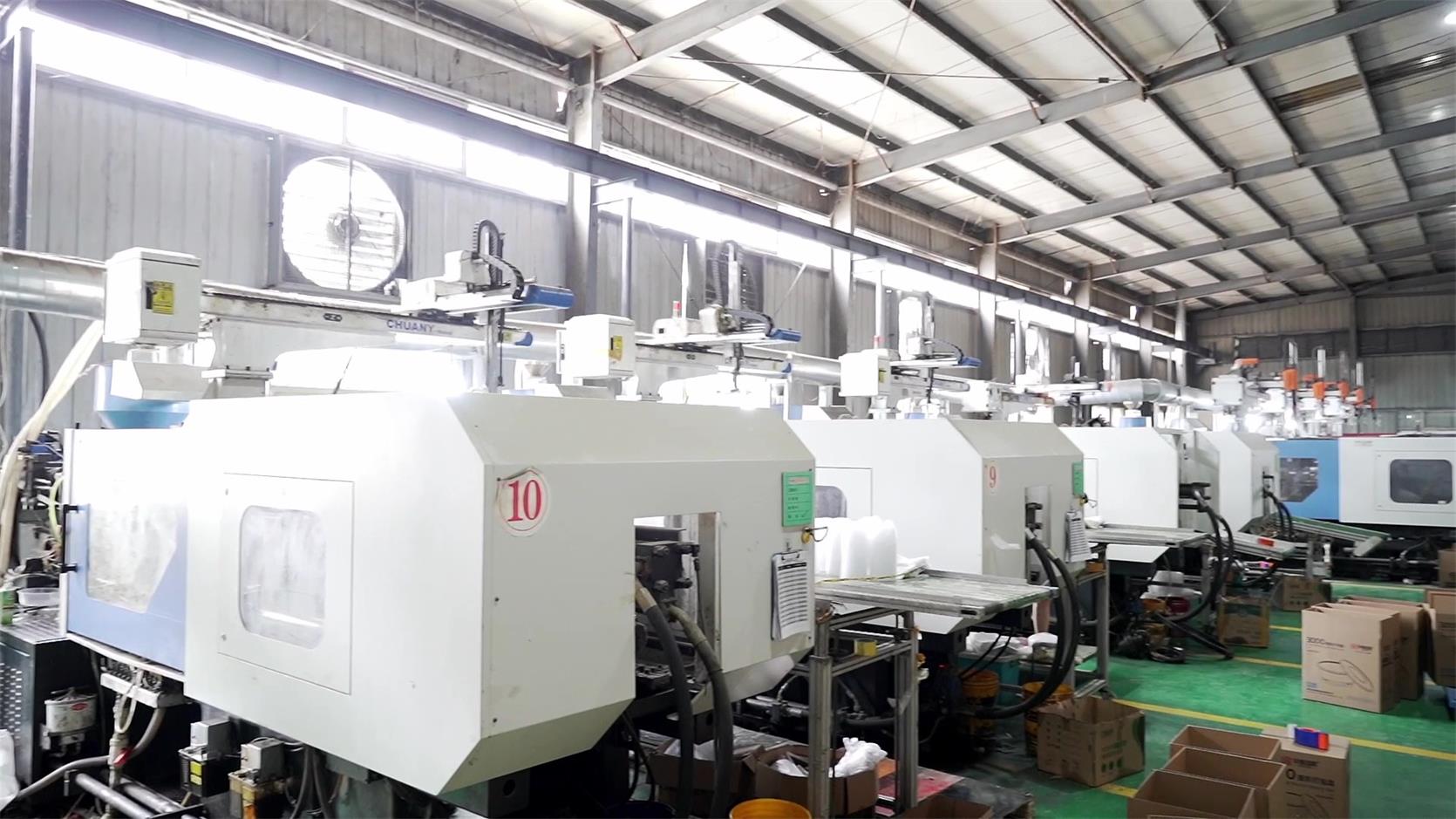
Luohe Temip Plastic Products Co., Ltd. operates at the center of Henan's major food processing and manufacturing cluster. Backed by verified operational standards, the facility provides an integrated production pipeline specifically tailored for international high-volume brand programs:
On-Site SGS Verified Facility
Our operations have undergone comprehensive on-site inspections conducted by SGS Group. Production workflows, internal safety protocols, worker ergonomics, and finished-product storage follow globally benchmarked quality control parameters.
Fortune 500 Supply Provenance
With an established history of supplying multinational procurement chains and Fortune 500 foodservice enterprises, our manufacturing teams adhere strictly to tight defect-rate limits (AQL 1.5/4.0), unified batch tracking, and reliable container-loading schedules.
Upstream Raw Material Verification
Quality begins at the polymer level. Every batch of virgin food-contact resin, aqueous coating agent, and unbleached kraft roll undergoes immediate optical, thickness, tensile, and chemical migration testing before entering active manufacturing lines.
From sample-based prototype molding and rapid 3D design iterations to high-speed multi-cavity thermoforming lines, our facility is engineered to transform conceptual sketches into export-ready packaging within compressed operational timeframes.
Frequently Asked Questions for Sourcing Directors
Are black PP food containers microwave-safe and leak-free?
Yes. Pure virgin Polypropylene (PP) possesses an inherent heat deflection threshold up to 125°C, making it stable against boiling oils, gravies, and microwave reheat cycles without structural softening or monomer migration. Leak resistance is guaranteed through precision-engineered rim geometry that ensures an interference fit with corresponding lids.
How does your factory solve the NIR recycling issue with black plastics?
We formulate custom runs using specialized non-carbon black masterbatches or NIR-detectable organic colorants. These advanced pigments reflect NIR spectra back to the optical sensors of automated waste-sorting systems, preventing the containers from being misdirected to landfill streams.
What is the standard lead time for custom tooling and mass production?
Preliminary 3D industrial renderings are completed within 72 hours. Prototype CNC aluminum tooling requires 10 to 14 days for physical sample approval. Once signed off, full hardened steel mass-production tooling requires 25 to 30 days, with continuous output rates of up to 100,000 units per line per day.
What food-contact compliance documentation do you provide?
All manufactured product lines are backed by third-party verified testing documentation confirming compliance with FDA 21 CFR 177.1520, EU Framework Regulation (EC) No 1935/2004, and (EU) No 10/2011 for overall and specific migration limits across heavy metals, phthalates, and primary aromatic amines.
Initiate Your Custom OEM Packaging Project
Connect directly with our engineering department to configure your material weights, verify CAD tooling dimensions, and receive an itemized factory quotation.