Precision-Engineered Square & Polyhedral Food Containers
Manufactured using food-contact grade unbleached virgin kraft, certified aqueous barriers, and precision-locking lids designed for high-throughput commercial kitchens and delivery platforms.
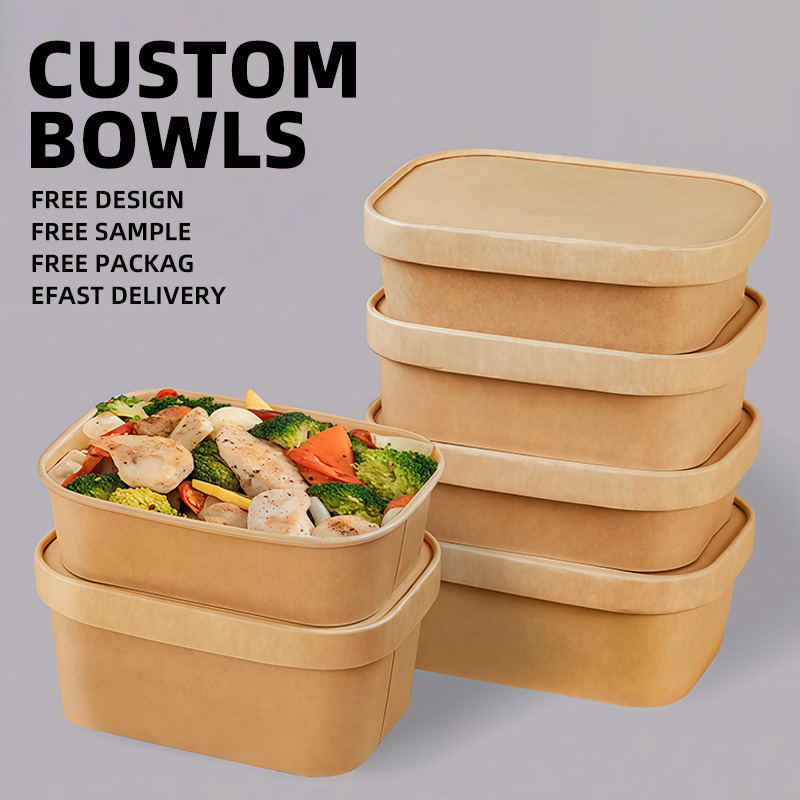
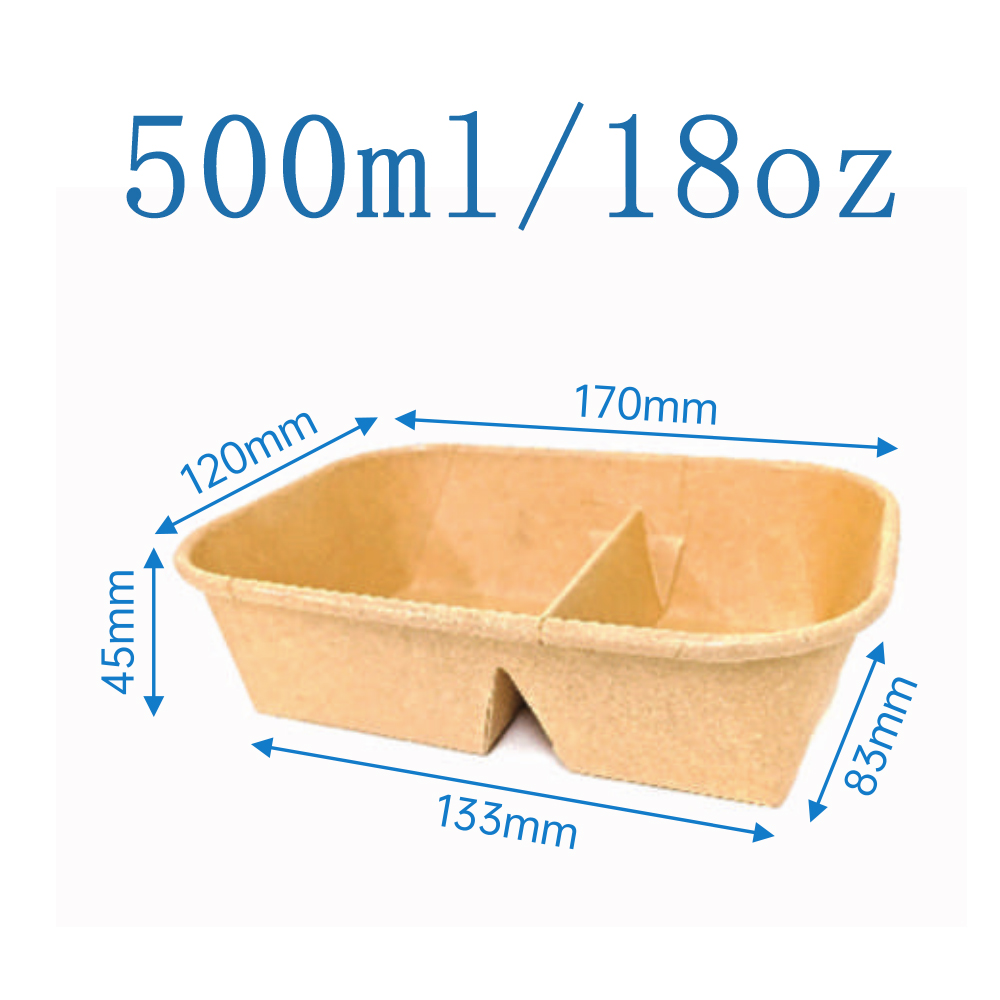

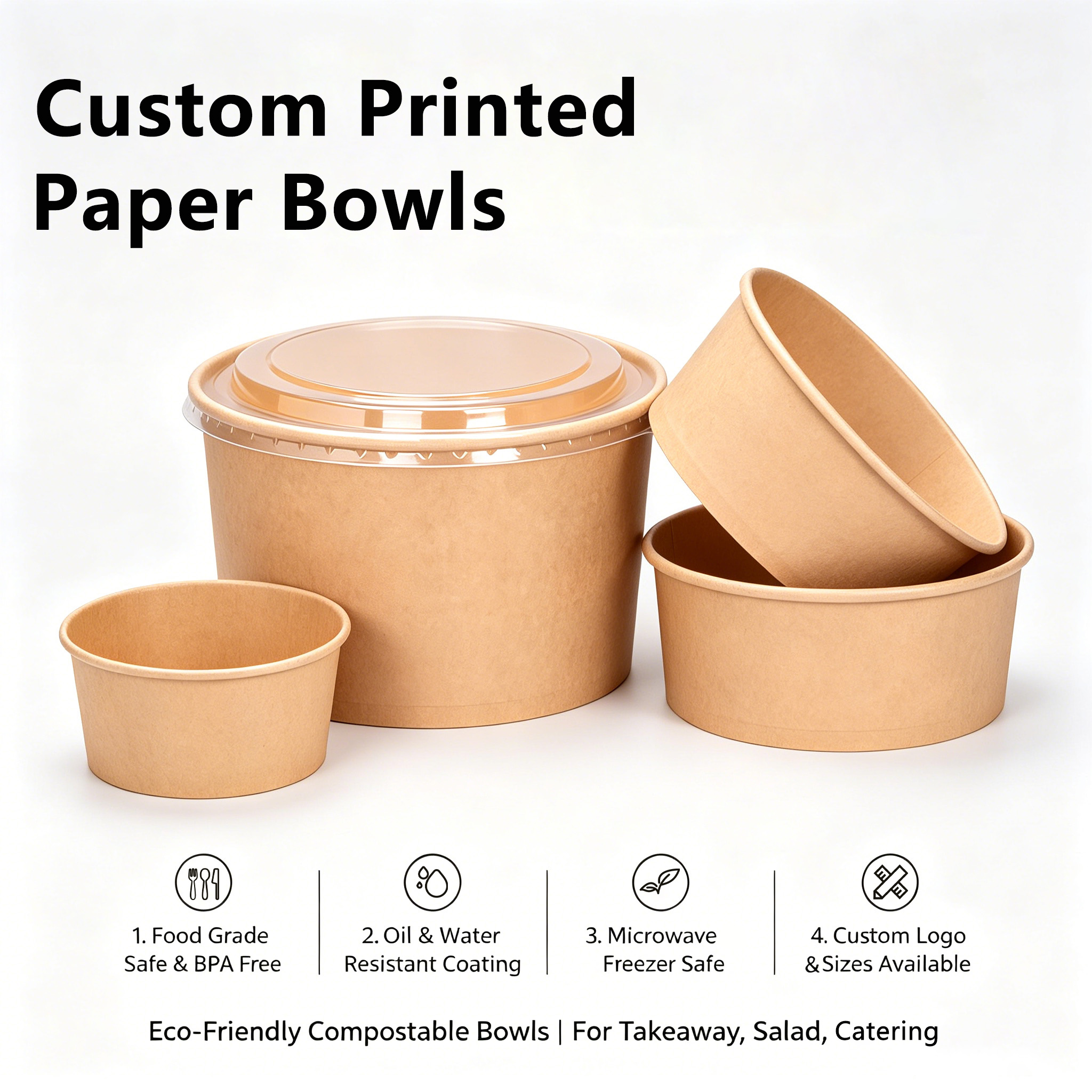
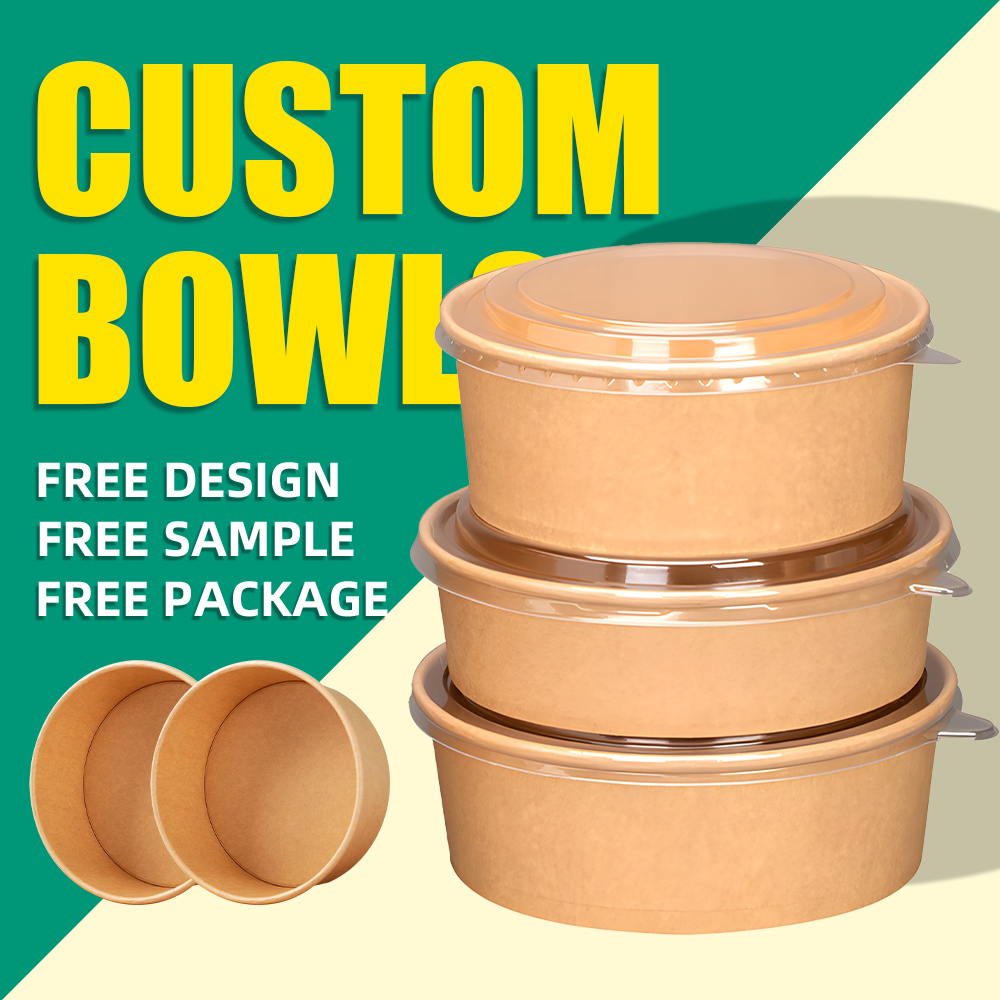
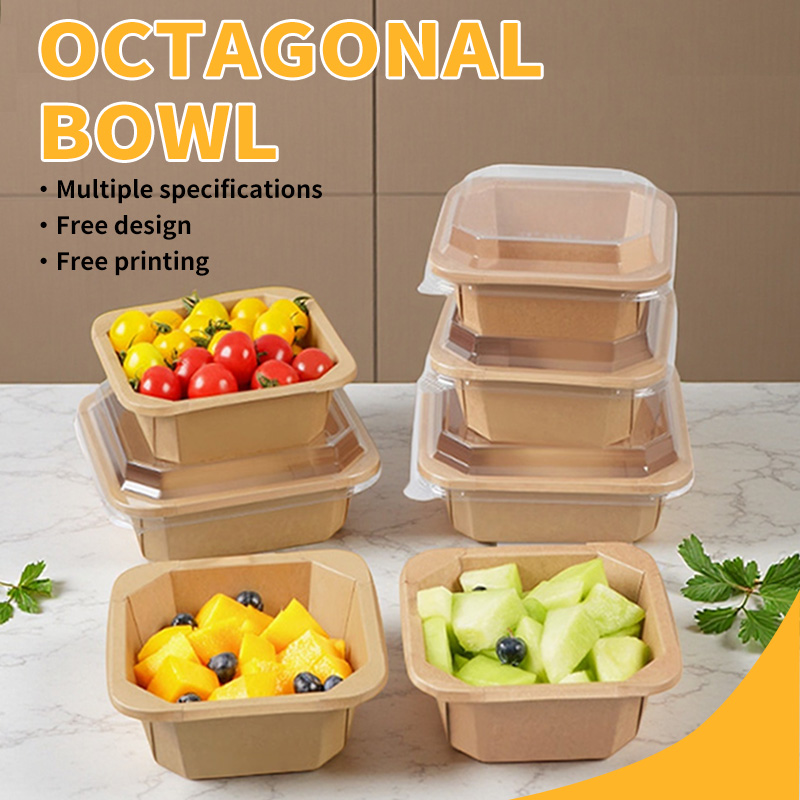
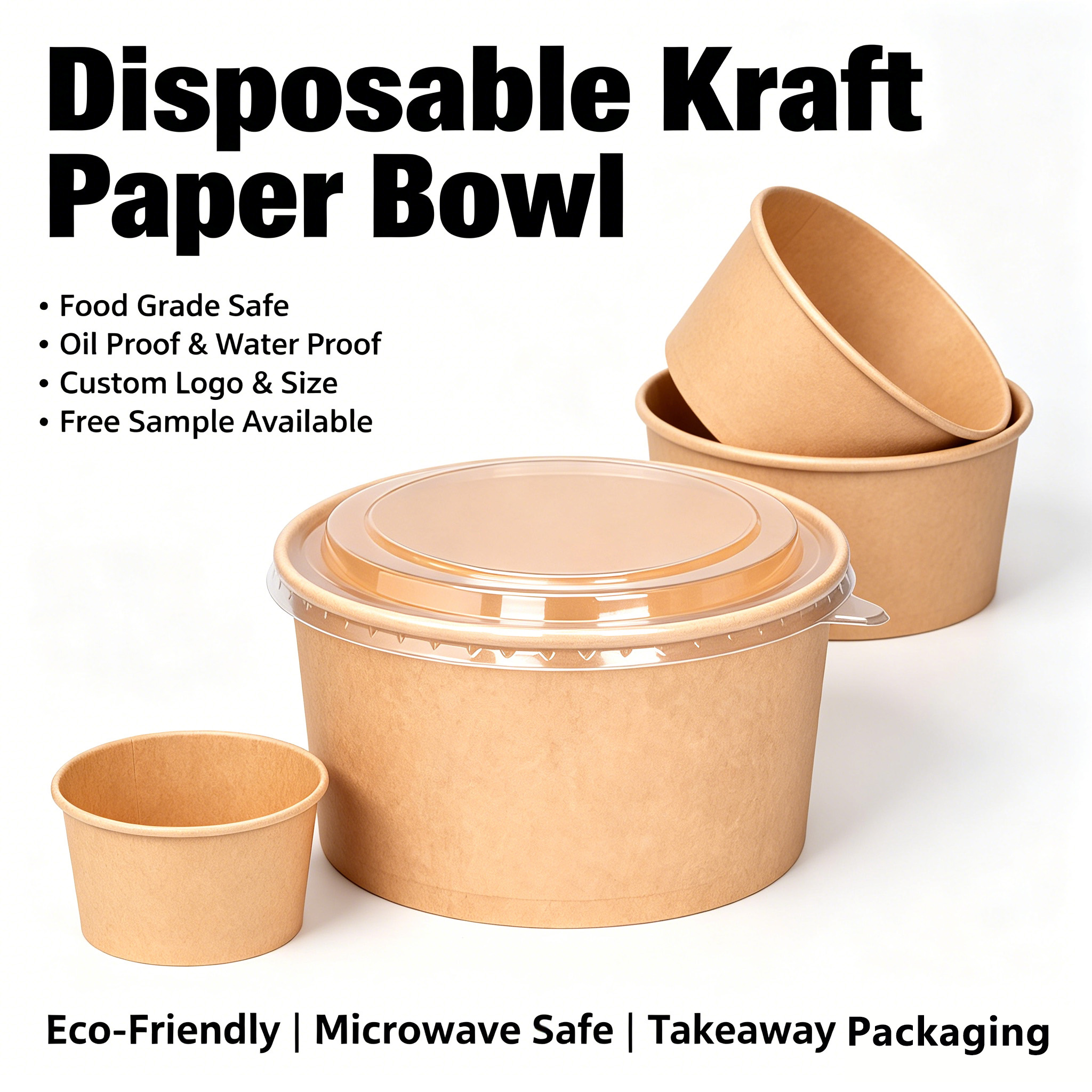
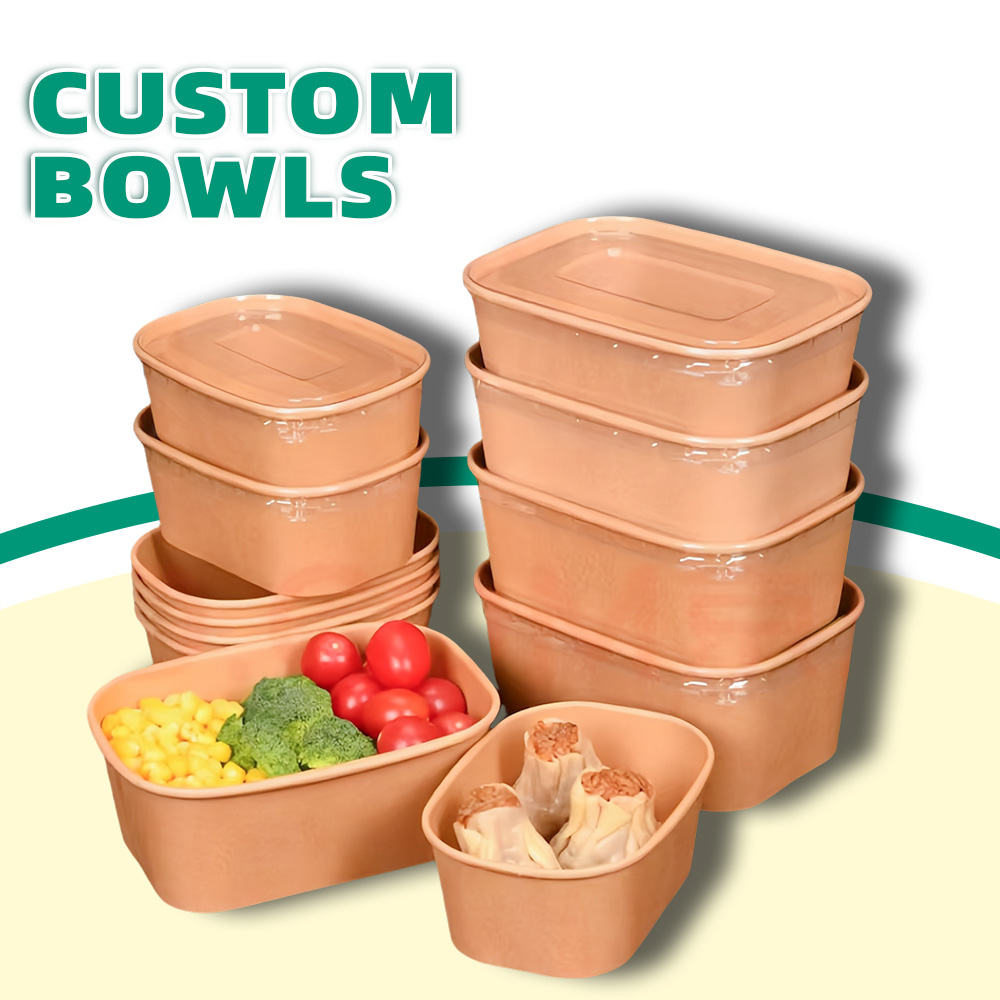
Structural Shifts in Global Square Food Container Procurement
Why Tier-1 hospitality groups, supermarket chains, and FMCG brands are transitioning from traditional round tubs to square and polyhedral geometry.
Logistical Cubing & Pallet Utilization
Round containers leave up to 32% void space inside corrugated master export cartons. Square food containers optimize space efficiency, reducing ocean freight shipping expenditures by 22% to 28% per TEU container. Furthermore, square profiles prevent rotational shift during motorized bike deliveries.
PFAS-Free Regulatory Compliance
With stringent EU directives (PPWR) and US State bans on per- and polyfluoroalkyl substances, commercial buyers face operational penalties for non-compliant inventory. Forward-looking factories utilize bio-dispersion water-based coatings that achieve grease barrier performance without persistent fluorinated chemicals.
Brand Display Real Estate
Flat orthogonal surfaces provide an uninterrupted canvas for soy-based CMYK printing, barcode scanning, and mandatory allergen labeling. Square lunch boxes sit more stably in grab-and-go thermal display cases, increasing brand recall at point-of-sale over curved surfaces.
| Barrier Substrate | Temperature Range | Grease Resistance (Kit Value) | End-of-Life Lifecycle | Ideal Food Applications |
|---|---|---|---|---|
| Aqueous Dispersion Coated Paper | -20°C to +100°C | Kit Level 7 - 9 | Standard Paper Stream Recyclable | Pastas, Salads, Stir-fry, Dry Bakery |
| Bio-Polymer PLA (Polylactic Acid) | -10°C to +85°C | Kit Level 10 - 12 | Industrial Composting (EN 13432) | Dressings, Broths, Oily Bento Meals |
| Virgin Kraft + PE Extrusion | -20°C to +120°C | Kit Level 12 (Maximum Barrier) | Thermal Waste-to-Energy / Recovery | Boiling Gravy, Soups, Heavy Curries |
| Food-Grade Recycled PP (#5 Polypropylene) | -20°C to +130°C | Total Hydrocarbon Barrier | Direct Polyolefin Mechanical Recycling | High-Heat Commercial Microwave Reheating |
Future Procurement Trends in Takeout & Catering Packaging
How automation, zero-waste mandates, and automated distribution channels are transforming food carton engineering.
Monolithic Material Designs
Regulatory scrutiny is penalizing multi-laminate materials that cannot be separated in municipal recycling mills. Procurement is moving towards 100% pulp mono-materials featuring hyper-compressed microscopic fibrous networks that repel fats without artificial polymer membranes.
Automated Dispenser & Kitchen Robotics Compatibility
Ghost kitchens and quick-service operations rely increasingly on automated mechanical arms and container dispensers. Future square containers require strict geometric tolerances (±0.3mm) and anti-jamming nesting ribs to facilitate automated denesting.
Carbon-Accounting & Supply Traceability
Tier-1 retail buyers demand verified product carbon footprints (PCF). Sourcing criteria now encompass FSC-certified pulp traceability, audited water consumption in forming facilities, and non-toxic soy inks that decompose cleanly without toxic residue.
Integrated Manufacturing Infrastructure in Luohe, Henan
Combining primary food-grade paperboard forming with full OEM/ODM agility, verified on-site by SGS Group.
SGS Assessed Operations
Our facility has undergone third-party audits confirming on-site material testing, production controls, and compliance with high-volume export requirements.
Fortune 500 Proven Supplier
Operating track record delivering institutional food containers under strict supplier assessment frameworks with multi-SKU quality consistency.
Raw Material Source Control
Every paper roll undergoes grammage verification, kit test oil absorption verification, and moisture checks before entering automated high-speed blanking lines.
Comprehensive Custom Tooling
Full OEM/ODM engineering supporting custom tool dies, proprietary snap-lock geometries, custom-embossed lids, and multi-compartment dividers.
Frequently Asked Questions by Commercial Buyers
Addressing critical technical, regulatory, and supply chain questions for B2B container importation.
What are the minimum order quantities (MOQ) for custom-printed square food boxes?
How does your factory ensure compliance with PFAS-free and FDA/EU food safety regulations?
What lid solutions are paired with your square and rectangular food boxes to prevent transit leakage?
Can your factory provide pre-production prototype samples before mass manufacturing?
What lead times should international importers expect for standard 40ft High Cube container loads?
Request Factory Direct Pricing & Custom Samples
Consult with our packaging engineers to evaluate structural board calipers, PFAS-free barriers, and custom print layouts tailored to your regional market compliance.