9+ Years
SGS-Verified Manufacturing Depth
2,200 m²
Certified Cleanroom Production Area
37+ Units
Forming, Injection & Testing Lines
4.3 / 5.0
Audited Global Buyer Rating
OEM & ODM Catalog
Precision-Engineered Soup Bowls & Takeaway Container Systems
Explore production-ready container lineups engineered with premium food-contact polymers, thermo-stable lids, and barrier coatings tested against thermal deformation and oily permeation.
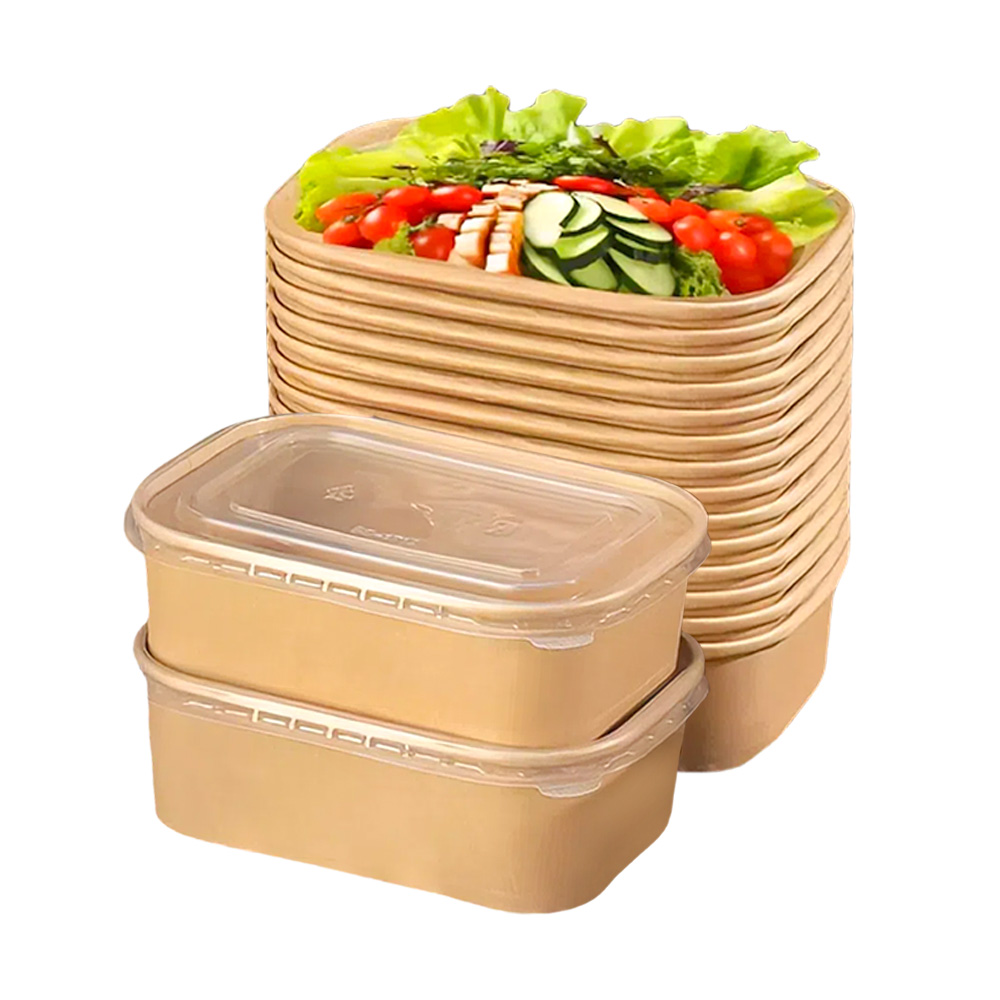
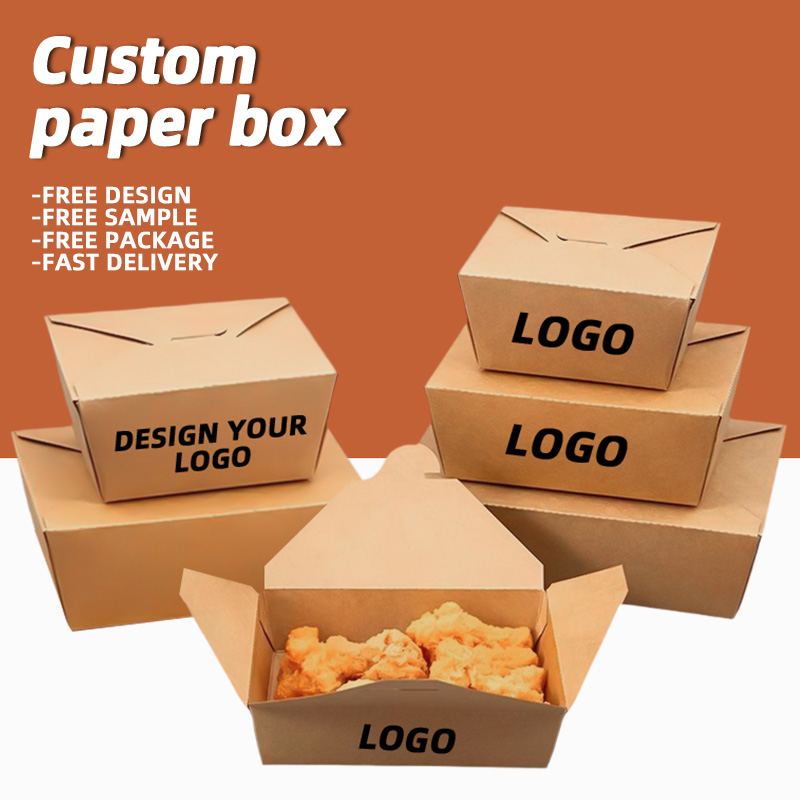
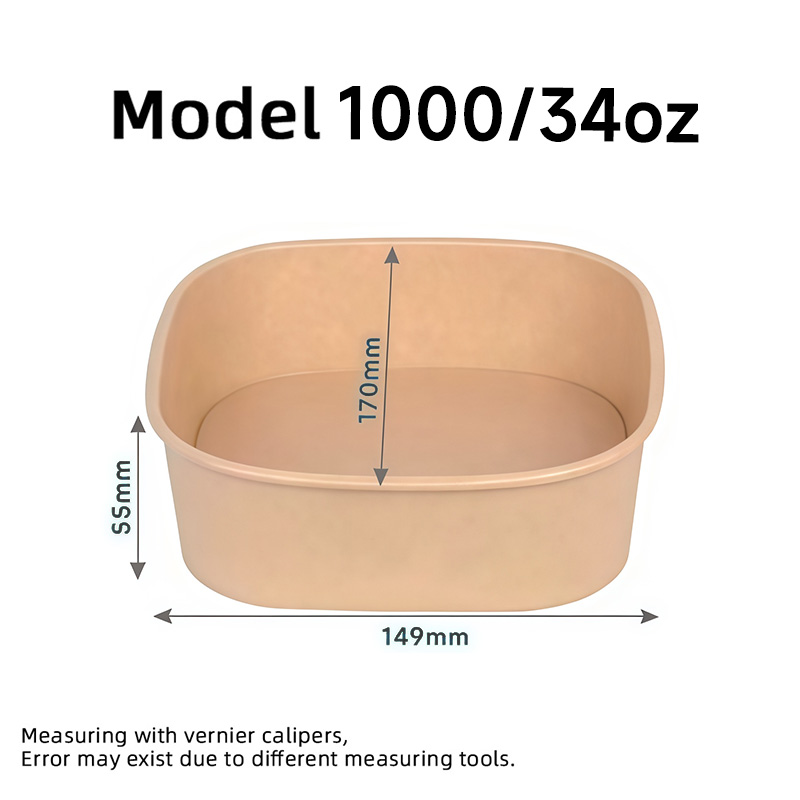
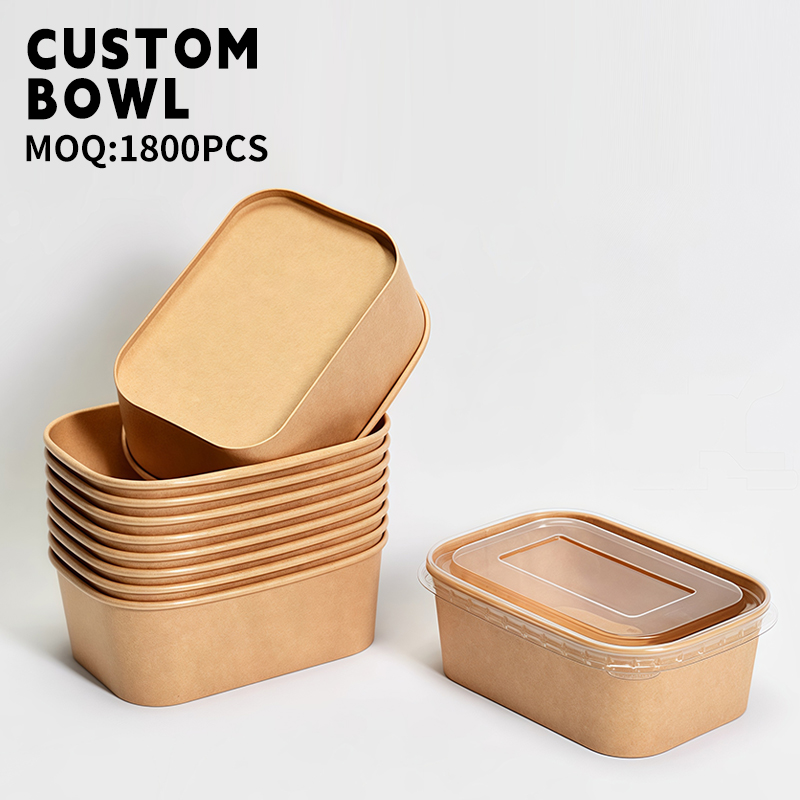
Procurement Intelligence
Engineering Recommendations for Plastic & Composite Soup Bowls
Navigating material thermodynamics, rim stiffness, and polymer barrier formulations across multi-regional foodservice operations.
In commercial foodservice procurement, sourcing from certified China wholesale plastic soup bowls factories demands an analytical approach that goes beyond raw unit cost. High-temperature food applications—specifically ramen, broths, tom yum, and heavy oily stews—place intense mechanical and thermal demands on container walls. Standard virgin or recycled packaging materials that lack certified polymer stabilization soften under scalding temperatures (above 85°C / 185°F), leading to dangerous lid-popping, sidewall collapse during multi-tier stacking, and chemical leaching. Our Luohe manufacturing cluster implements high-clarity, food-contact homopolymer and random copolymer Polypropylene (PP5), augmented by multi-layer barrier composite paper engineered specifically to solve liquid load migration and maintain strict sensory neutrality.
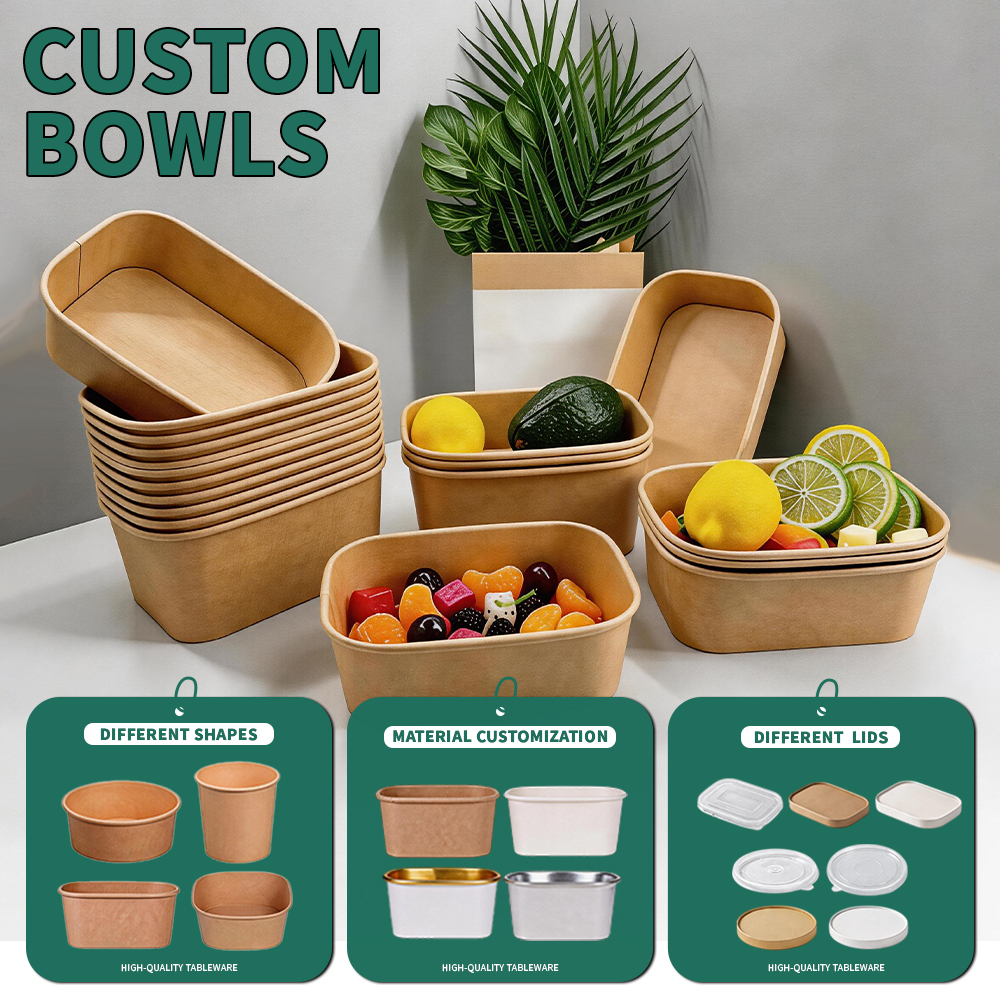
Injection-Molded Micro-Vent PP Bowls
Fabricated for boiling broth distribution, microwave reheating, and industrial dishwasher cycles. Features integrated steam vents to prevent vacuum deformation during transit.
- Thermal deflection rating up to 120°C (248°F)
- Ultra-sonically checked leak-tight snap beads
- BPA-Free FDA 21 CFR 177.1520 compliance
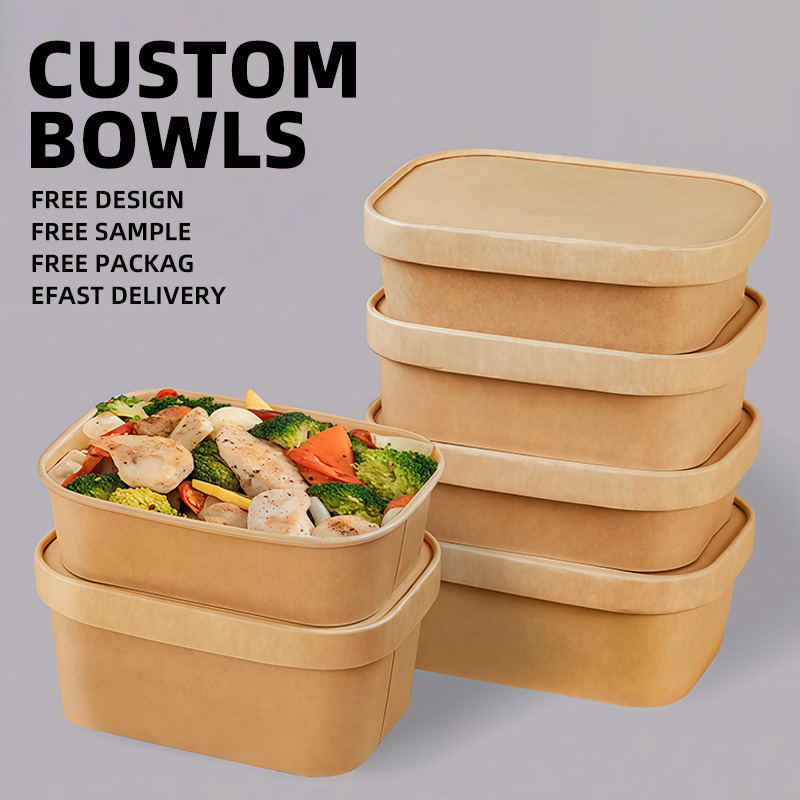
Aqueous-Coated Heavy Kraft Soup Bowls
Zero-plastic barrier architecture utilizing water-based dispersion coating. Enables recyclability in domestic paper pulping streams while resisting 4-hour liquid hold times.
- EU SUPD (Single-Use Plastics Directive) aligned
- Standard 300g + 18g PE/PLA or Aqueous barrier
- High-compression double-rolled rim
Dual-Compartment Noodle & Broth Bowls
Engineered nesting tray separation keeps ramen/pho noodles crisp and garnishes dry until consumed, preserving restaurant-grade mouthfeel in third-party courier dispatch.
- Interlocking inner tray with anti-splash bevel
- Clear anti-fog PP/PET lids for product display
- Volume options: 850ml, 1000ml, 1250ml
| Substrate Material Class | Temperature Endurance | Permeation Resistance | Environmental Lifecycle Route | Target Foodservice Operation |
|---|---|---|---|---|
| Virgin Homopolymer PP (Polypropylene) | -20°C to +120°C (-4°F to 248°F) | Hydrocarbon & Lipid Non-Permeable | 100% Curbside Recyclable (Code 5) | High-heat commercial delivery, microwave-ready soups |
| Mineral-Filled Hybrid PP (30% CaCO3) | -10°C to +110°C (14°F to 230°F) | Greaseproof & Superior Wall Rigidity | Reduced virgin polymer footprint | B2B bulk institutional catering, low-cost takeout |
| PLA-Lined Kraft Foodboard | -10°C to +85°C (14°F to 185°F) | Aqueous & Mild Lipid Barrier (2-3 hrs) | Industrial Composting (EN 13432 certified) | Eco-conscious salad bars, organic fast-casual chains |
| Aqueous Dispersion Kraft | 0°C to +95°C (32°F to 203°F) | Direct aqueous slurry thermal seal | Repulpable & Curbside Paper Recyclable | Zero-plastic municipal compliance zones (EU, US West) |
Market Forecast & Logistics
Future Procurement Trends in China’s Wholesale Plastic & Food Container Sector
How regulatory shifts, resin volatility, and algorithmic inventory replenishment are altering overseas purchasing playbooks.
"Global container procurement has pivoted from transactional cost-per-thousand metrics to comprehensive risk-mitigated supply models. Buyers must evaluate resin origin transparency, container dimensional tolerances for automated denesting, and dynamic port-level carbon compliance."
1. Automated Denesting & Robotic Plating Fit
As commercial kitchens and ghost kitchens adopt automated packaging lines, manual handling of bowls is diminishing. Future bulk contracts require strict dimensional tolerances (within ±0.3mm) and anti-jam rim stacking designs to enable zero-fault drop-down suction feeds.
2. Digital Traceability & Resin Purity Mandates
International customs authorities (such as the US FDA and European EFSA) are ramping up testing for microplastics and cyclic oligomer migration. Forward-looking procurement directors demand single-source virgin polymer certificates and batch-linked QA sheets from Chinese tier-1 plants.
3. Decentralized Regional Freight Consolidation
With shipping lane disruptions and carbon levies (ETS), corporate buyers are abandoning single-item LCL imports. Leading Chinese factories offer mixed-container load (FCL) strategies, bundling custom-printed bowls, cold lids, carrier bags, and snack cartons within single shipments to compress landing tariffs.
R&D & Material Science
Technological Trajectories: The Next Generation of Disposable Bowls
Emerging polymer innovations, thin-wall injection molds, and smart thermal insulation redesigning restaurant operations.
High-Speed Thin-Wall Injection (IML)
Advanced hydraulic-electric hybrid injection molding enables wall thickness reduction down to 0.45mm while preserving top-load compression capacity, trimming raw polymer usage by 22%.
Foamed Micro-Cellular PP (MuCell)
Infusing inert gas into the melt creates a closed-cell structural core. This micro-foam delivers exceptional double-wall tactile thermal insulation, eliminating the need for outer paper sleeves on 100°C broths.
Bio-PP & Post-Consumer Recycled Hybrids
Mass-balance certified second-generation feedstocks (such as used cooking oils converted into food-grade PP) are achieving commercial scale, lowering carbon tax liability across the UK and North American markets.
Tamper-Evident Perimeter Locks
Addressing consumer safety in the food delivery sector, new mold architectures incorporate one-way tear-strip perimeters. Lids cannot be opened without breaking the physical seal, guaranteeing uncompromised food security.
Verified Manufacturing Excellence
Why Source From Luohe Temip Plastic Products Co., Ltd.?
Strategic geographic positioning, SGS-verified facility metrics, and end-to-end quality governance engineered for global food brands.
Hub of China's Food Processing Ecosystem
Situated in the Jingyi Road, Dongcheng Industrial Agglomeration Zone, Luohe City, Henan Province—one of China’s most prominent agro-food manufacturing capitols. We collaborate directly with commercial food processors daily, stress-testing our packaging against real condiments, scalding temperatures, and dynamic cold-chain cycles.
SGS Audited & Fortune 500 Qualified
Our 2,200 m² clean facility has undergone independent on-site operational assessments by SGS Group. Certified reports confirm comprehensive incoming raw material inspection procedures, automated optical sensor checks, and documented contract fulfillment histories for multinational Fortune 500 enterprise procurement programs.
Agile OEM/ODM Engineering Team
Backed by 37 skilled technicians, our tooling and design department delivers rapid prototype development within 5 to 7 business days. Whether modifying snap-fit lid tensions, drafting proprietary base embossed branding, or configuring multi-cavity injection molds, we convert complex specifications into high-speed production reality.
SGS On-Site Audited
Food-Contact Resin Tested
Fortune 500 Supplier Record
100% On-Site Batch Checks
Full OEM/ODM Prototyping
Procurement Directives
Frequently Asked Questions: Sourcing Soup Bowls from China
Essential technical clarifications on mold lead times, lid sealing tolerances, and international import compliance.
Q
How do your factories ensure that plastic soup bowl lids do not leak or pop open during hot liquid delivery?
Our engineering team employs a precision double-groove snap-bead design on both the container rim and lid flange. Tooling molds are machined using high-precision CNC equipment with shrinkage allowances calculated specifically for PP crystallization. Lids undergo positive air-pressure leak tests and 45-degree angle vibration table tests with boiling water at 95°C to ensure they remain liquid-tight even in unpredictable motorcycle courier logistics.
Q
What is the standard minimum order quantity (MOQ) and production turnaround for custom-branded soup containers?
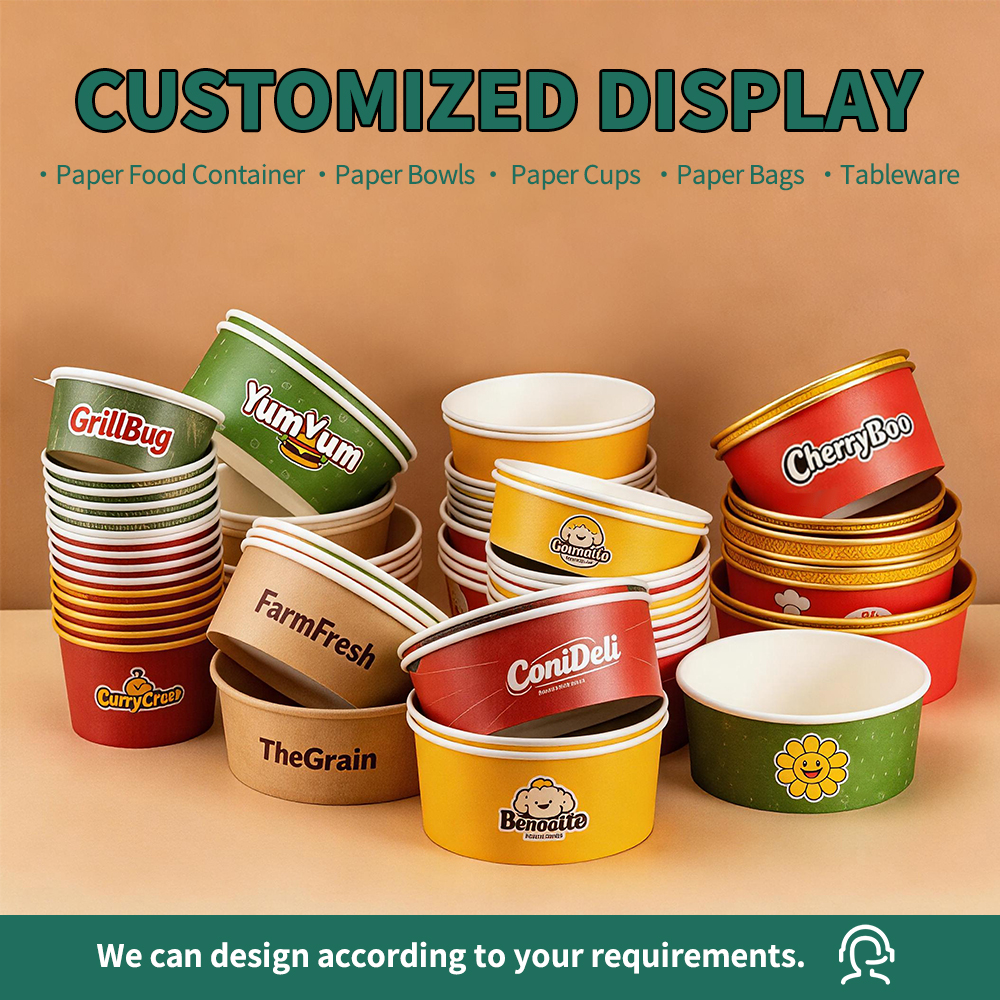
For standard unprinted PP injection or stock kraft soup bowls, MOQs start as low as 10,000 to 30,000 units depending on capacity. For custom offset-printed kraft bowls or custom-tooled plastic molds featuring embossed branding, our standard production runs begin at 50,000 units. Typical production lead time ranges from 15 to 25 business days post-deposit and vector artwork approval.
Q
Can your factory combine plastic bowls and paper lunch containers in a single consolidation container (FCL)?
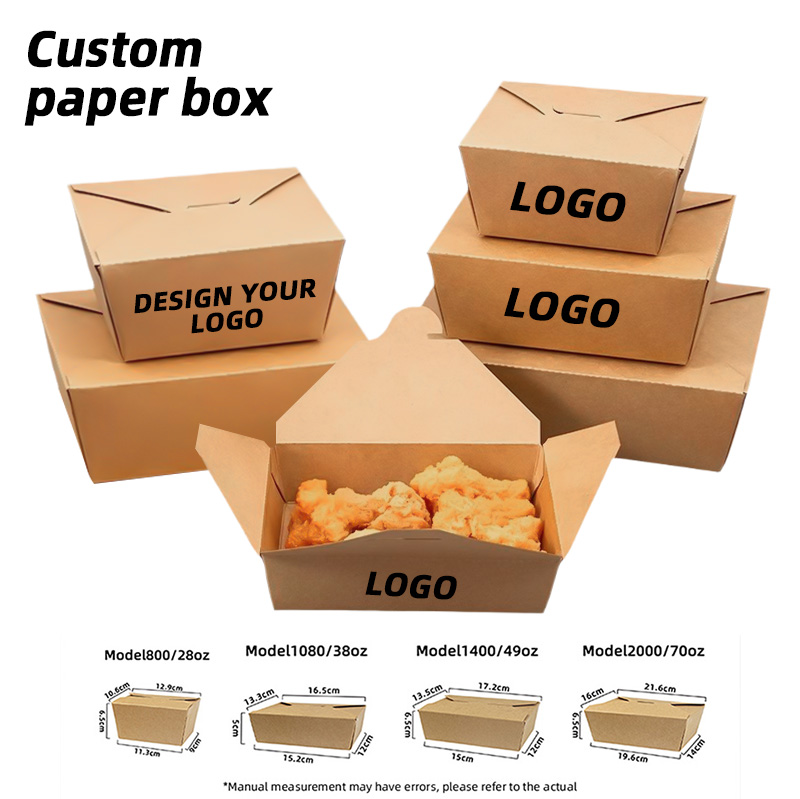
Yes. Luohe Temip maintains dedicated multi-material manufacturing lines covering PP plastic bowls, PE/PLA-coated salad bowls, octagonal cartons, and paper snack boxes. Our operations team specializes in mixed-SKU container loading configurations, nesting lighter carton boxes around rigid plastic shipments to optimize cubic meter (CBM) utilization and drastically lower sea freight expense.
Q
What food-grade migration and compliance certifications accompany your exports to the US and European markets?
Every production batch is traceable to certified raw homopolymer/copolymer resin lots. We provide documentation verifying compliance with US FDA 21 CFR 177.1520 regulations for olefin polymers, EU Regulation No 10/2011 for plastic materials intended to come into contact with food, and REACH heavy-metal screenings. Third-party testing reports via SGS or TÜV are available for customer validation.
Q
What are the pros and cons of Mineral-Filled PP (MFPP) compared to standard 100% Virgin Polypropylene?
Mineral-Filled Polypropylene blends food-safe calcium carbonate (CaCO3) at ratios between 20% to 40% into the virgin polymer matrix. This significantly cuts resin consumption, improves structural rigidity, and lowers unit manufacturing costs while expediting cooling times in mold cycles. However, MFPP is heavier and exhibits slightly more opacity compared to the pristine transparency of clarifier-treated virgin homopolymer PP.