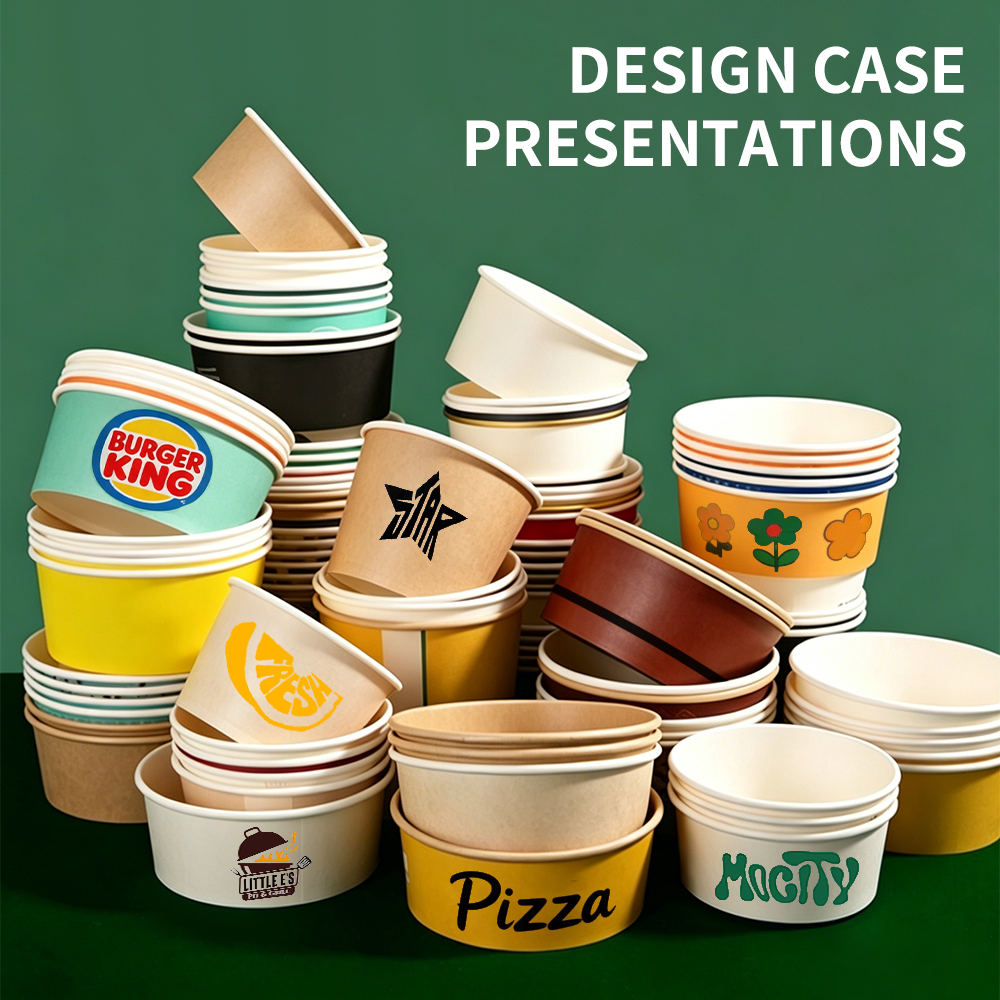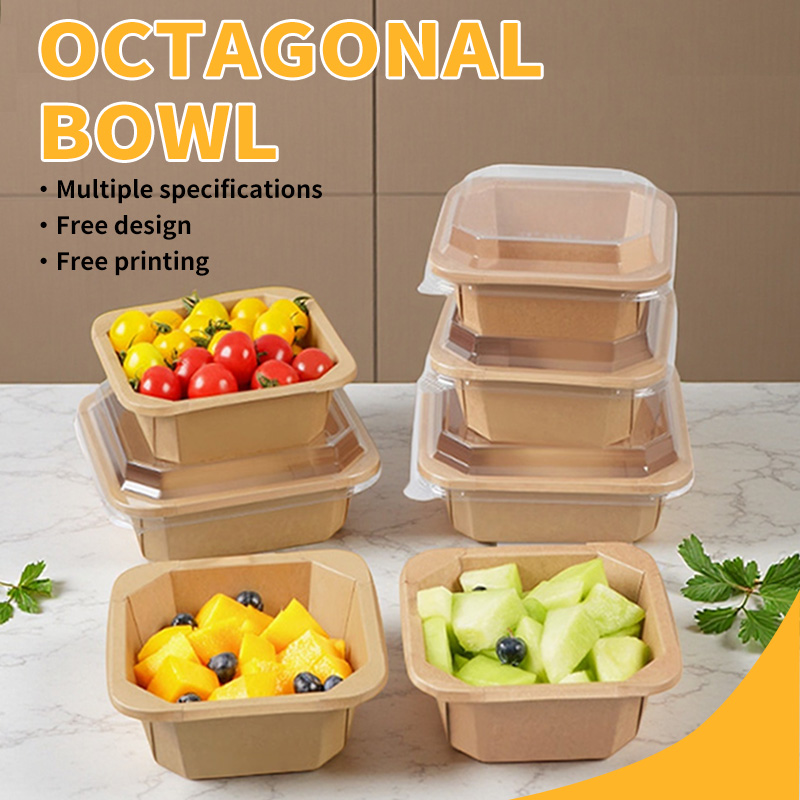
Explore our certified catalog of high-seal disposable containers, engineered with anti-fog technology, virgin resin chemistry, and heavy grease-resistant barriers for commercial catering and retail distribution.
Luohe Temip Plastic Products Co., Ltd. operates an audited production hub in the premier food agglomeration zone of Henan, China, delivering scalable OEM/ODM packaging to global enterprise partners and Fortune 500 supply lines.
Our manufacturing complex underwent exhaustive on-site evaluation by SGS Group. Sourcing teams receive verified traceability reports certifying that raw material compliance, supplier vetting protocols, and cleanroom production environments comply with ISO food hygiene standards.
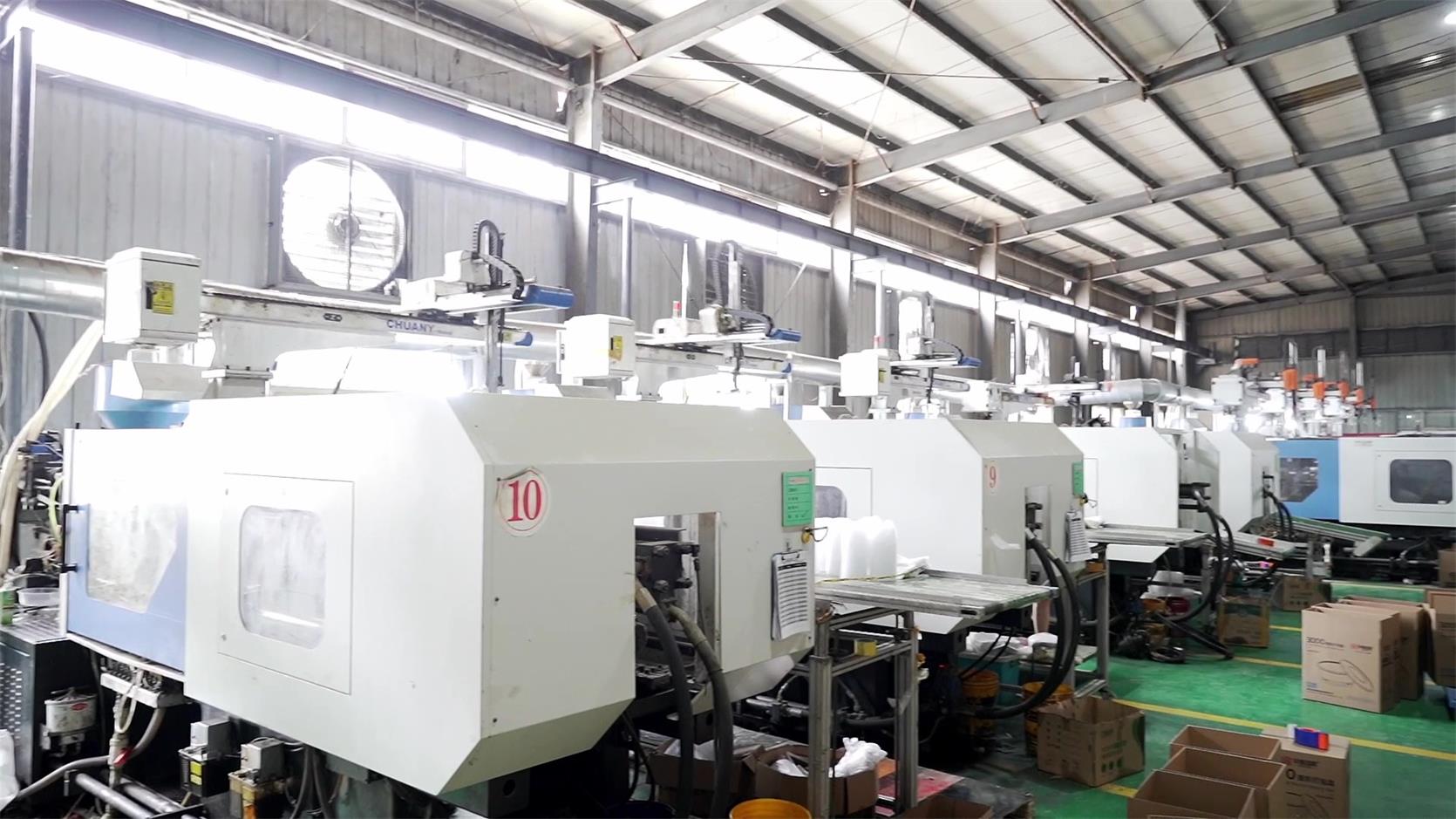
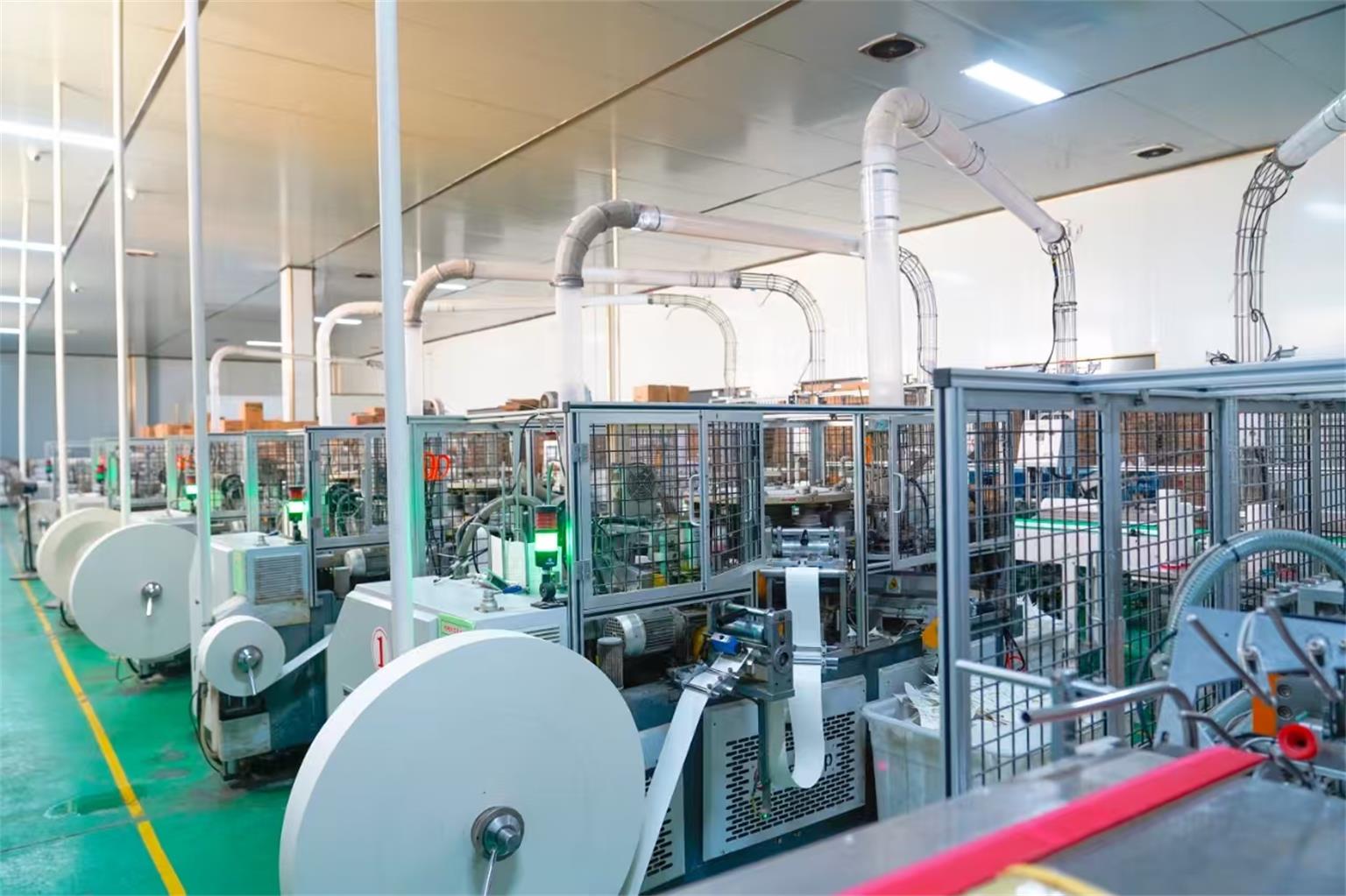
Full Material Traceability • ISO ComplianceWe routinely engineer multi-SKU product runs for large international quick-service restaurant (QSR) chains and hypermarket networks. Our plant integrates precision automated forming machines that guarantee dimensional consistency within ±0.25mm across millions of lid and base pairs.
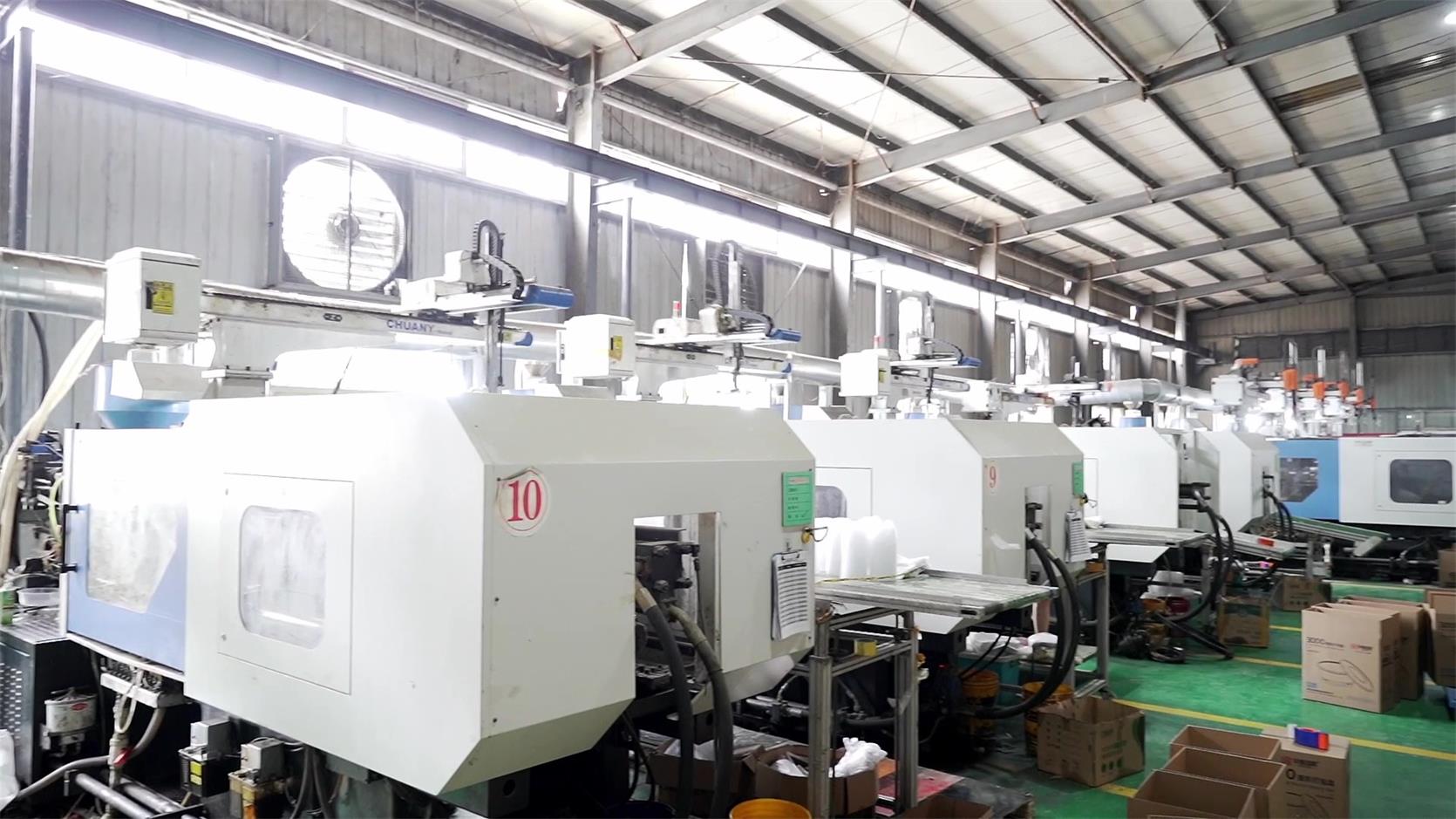
High-Volume Contract Precision • Multi-SKUBeyond standard open tooling, our internal tooling division crafts bespoke molds based on technical 3D CAD files or physical samples within 7–10 days. We optimize wall thickness, rib placements, anti-nesting lugs, and tamper-evident snap closures tailored to automated robotic filling lines.
Custom Tooling • 3D Rapid PrototypingIn the evolving prepared-salad supply chain, packaging is no longer just a passive vessel. Learn how high-barrier chemistry, gas-tight closures, and automated capping dynamics are reshaping the total cost of ownership (TCO) for global distributors.
Condensation fogging degrades retail presentation and accelerates green leaf decay. Modern clear PET salad container lids feature food-grade hydrophilic surfactants chemically blended during extrusion or applied via precision roll coating. By flattening water droplets into a microscopically thin transparent film, light refraction remains unaffected, extending visual freshness by up to 72 hours under refrigerated conditions.
With third-party delivery apps dominating prepared food sales, the risk of container tampering or in-transit lid pop-off is a paramount liability. Contemporary injection and thermoformed salad bowls utilize audible acoustic snap perimeters and integrated tear-strip security tabs. These mechanisms assure the consumer of pristine product hygiene without requiring expensive secondary shrink-banding equipment.
Rising ocean freight rates and strict European Plastic Packaging levies have made material reduction a critical procurement KPI. Through Finite Element Analysis (FEA), our engineers position radial structural ribs and concave base flutes, enabling down-gauging by 12% to 18% in sheet thickness while sustaining vertical top-load compressive strength exceeding 25 kg for high-density pallet stacking.
| Polymer / Substrate | Clarity & Optical Index | Thermal Window | Grease / Acid Resistance | Post-Consumer Recyclability | Best Commercial Application |
|---|---|---|---|---|---|
| Virgin Amorphous PET (APET) | Ultra-High (>92% Light Transmittance) | -40°C to +60°C (Cold chain only) | High barrier to salad dressings & vinegars | RIC 1 (Widely accepted globally) | Grab-and-go retail salads, sushi trays, cut fruit |
| Random Copolymer PP | Semi-Translucent / Frosted Clarity | -20°C to +120°C (Microwave safe) | Extreme chemical inertness to hot oils | RIC 5 (Standard recycling infrastructure) | Warm protein salads, grain bowls, microwaveable meals |
| PLA (Polylactic Acid) | High Clarity (Brittle profile) | -20°C to +45°C (Heat sensitive) | Moderate; prone to oil softening over time | EN 13432 Industrial Composting | Organic markets, zero-waste events, rapid turnover menus |
| Aqueous-Coated Kraft Board | Opaque (Brown / White printable) | -20°C to +100°C | Engineered barrier against emulsions | Repulpable in paper mills without microplastics | Eco-conscious branding, poke bowls, delivery chains |
Navigating the convergence of regulatory bans, EPR mandates, and rising consumer demands requires a resilient supply partner. Here is how forward-looking procurement managers are future-proofing their plastic container imports from China.
With regulations such as the UK Plastic Packaging Tax and the EU PPWR demanding escalating minimum levels of post-consumer recycled (PCR) content (ranging from 25% to 50%), buyers must audit decontamination certifications. Temip collaborates with GRS-verified resin providers, ensuring food-grade chemical decontamination processes comply with EFSA and US FDA standards without yellowing tint or brittle failure.
Composite packaging featuring incompatible multi-layer laminates faces punitive landfill and EPR disposal surcharges across tier-one import markets. The future belongs to single-polymer architectures. By utilizing engineered barrier additives directly inside monomaterial PET or monomaterial PP containers and matching them with identically coded lids, whole assemblies navigate municipal wash plants without sorting friction.
Disruptions in freight lanes demand a factory partner capable of high-throughput production buffers. Located at an inland manufacturing junction in Luohe, Henan, Temip leverages rapid railway access to Qingdao, Tianjin, and Shanghai ports. This provides institutional buyers with agile port routing options that avoid coastal berth congestion while benefiting from stabilized inland manufacturing utilities.
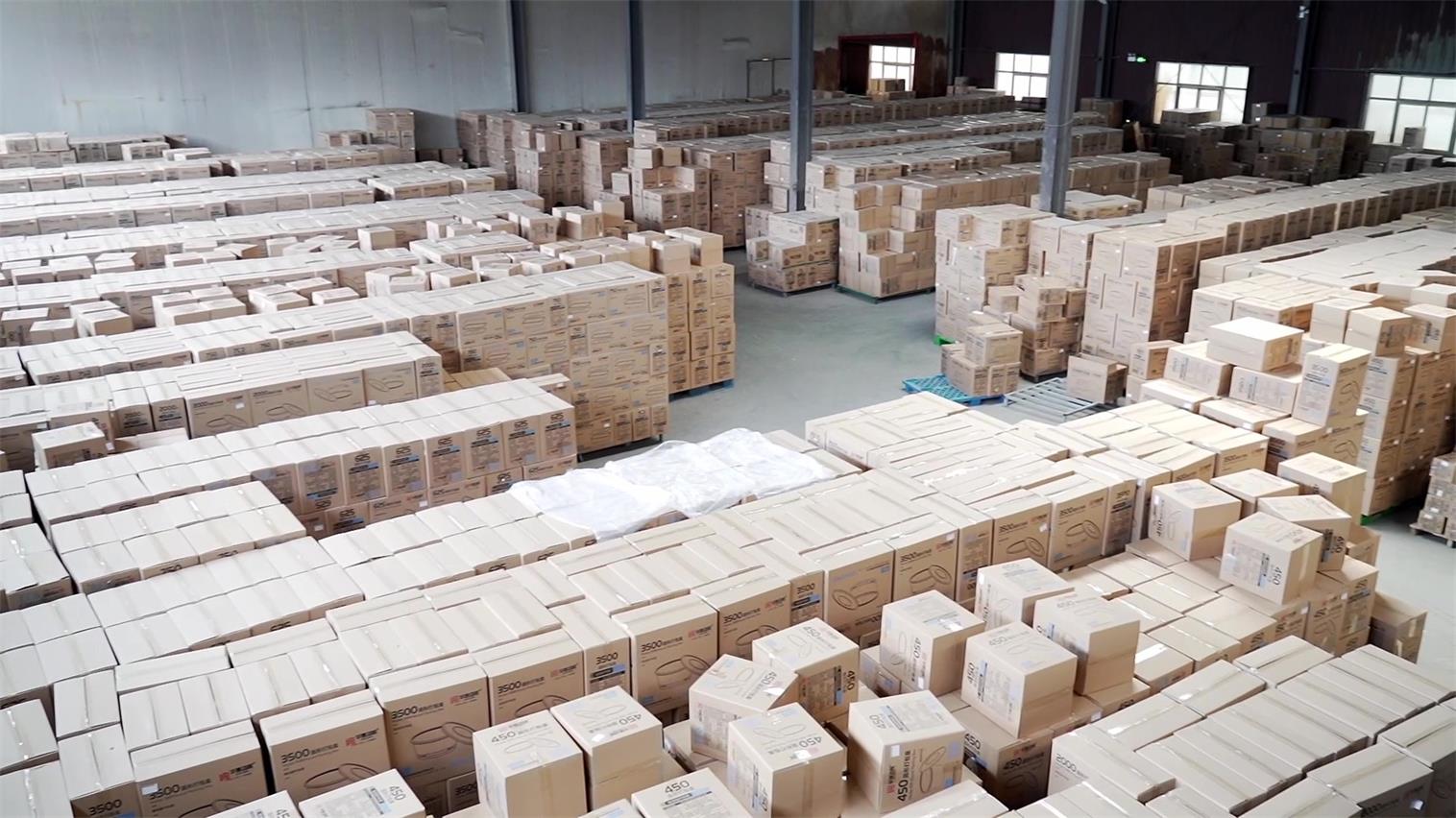
Transparency builds enduring partnerships. Review authentic factory captures highlighting our automated thermoforming machinery, rigid QC checks, and standardized export palletization.
Direct answers addressing polymer certifications, mold tooling timelines, MOQ economics, and food safety validation.
Whether you require stock samples for laboratory compatibility tests, a competitive price schedule for 40HQ container loads, or customized tooling for an upcoming menu launch, our technical engineering desk is available around the clock to support your brand.