Featured Bento Box & Takeaway Container Series
Explore our top-tier export configurations engineered with high-impact resistance, thermal stability (-20°C to 120°C), airtight perimeter snap-locks, and compliance with FDA and EU food contact safety standards.
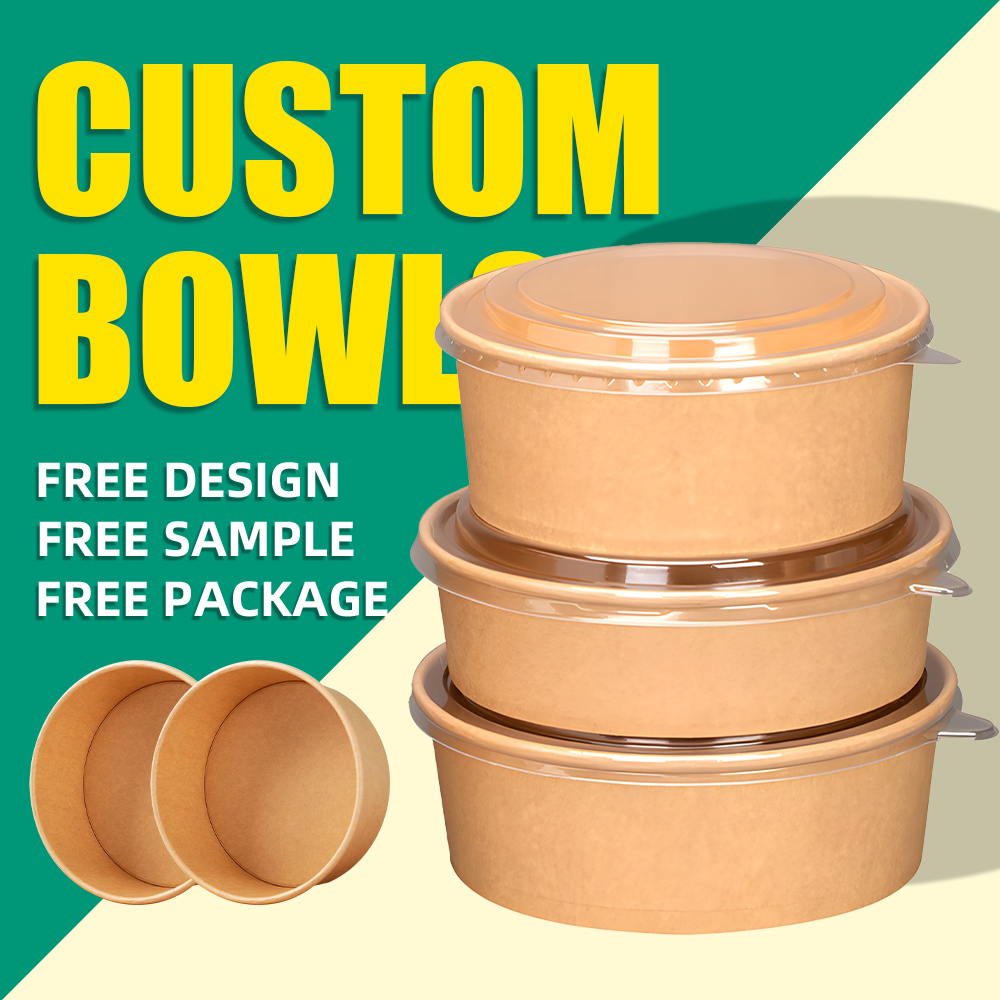
Kraft Paper Disposable Bowls With Lids 8oz to 68oz Biodegradable Microwave Safe Oil Proof Containers for Salad Soup Takeaway
Engineered with high-density unbleached kraft board lined with water-based barrier or PE coating. Ideal for high-temperature broths, poke bowls, and heavy stews.
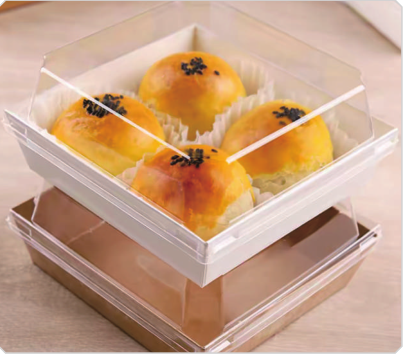
Square Pastry Box with PET Lid Food Grade Disposable Paper Plates for Rice Snack Salad Takeaway Containers Food Packaging
Crystal clear display lids with secure perimeter rib locks. Moisture-barrier base prevents grease soak-through during prolonged deli and pastry merchandising.
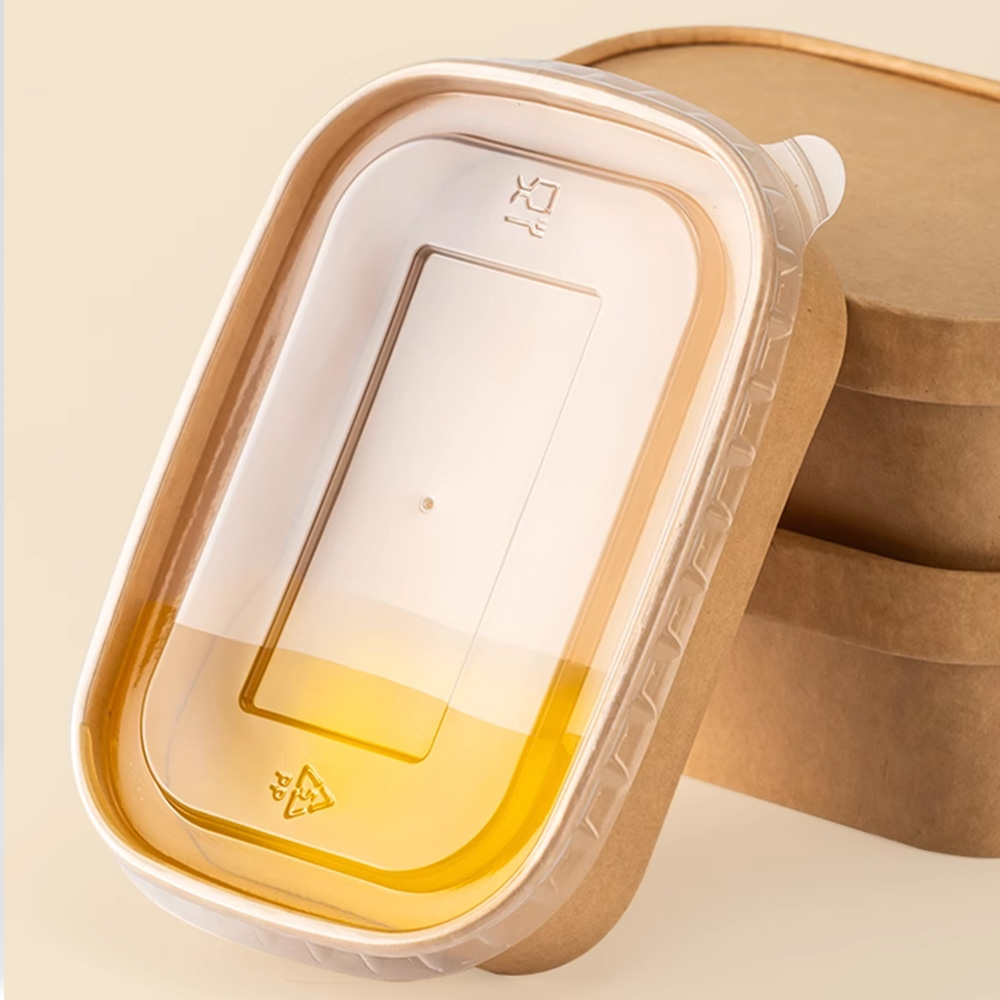
Factory Supply PP Lid 172mm Rectangular for Rectangular Lunch Box Custom Stickers logo Packaging Food Containerswithlids
Precision injection molded PP closure with anti-spill pressure grooves. Steam vent integrated for microwave reheating and long-distance dispatch logistics.
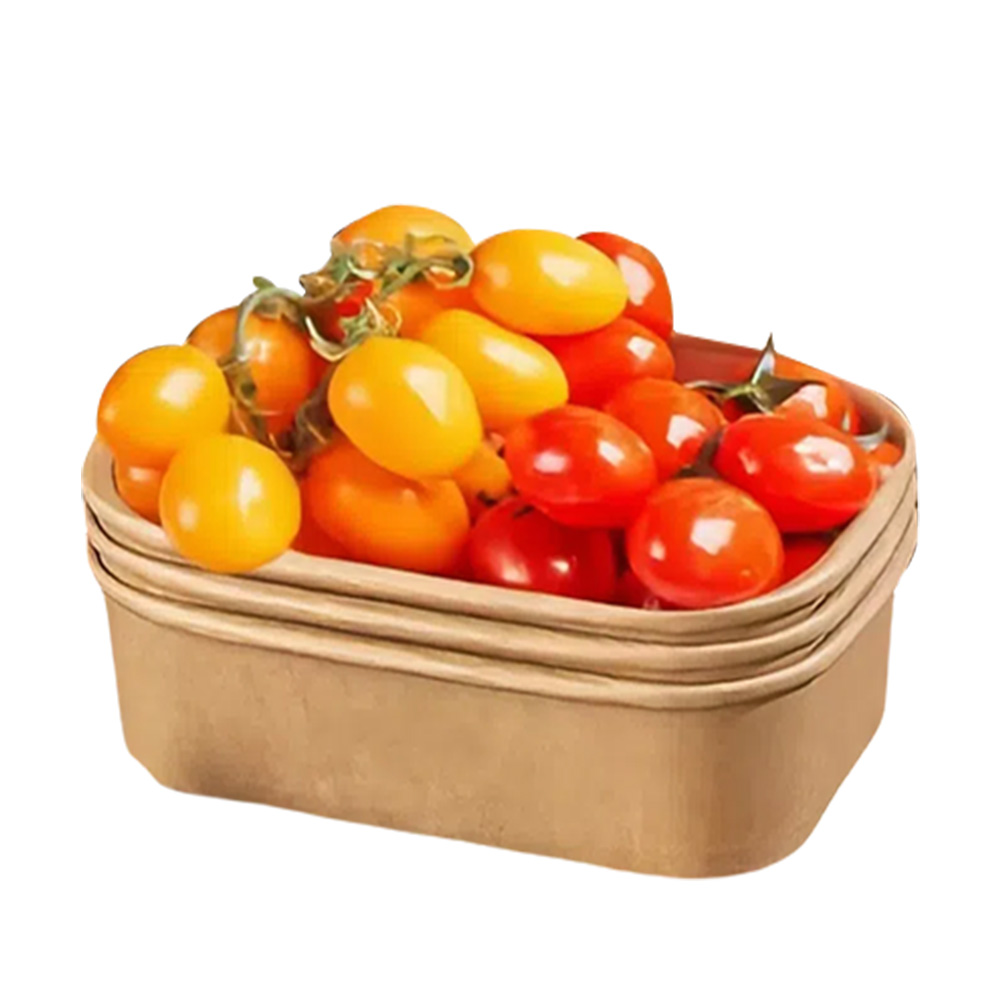
Factory Supply Custom Printed Kraft Paper Bento Box Disposable Food Grade Kraft Paper Lunch Box
Bespoke compartment configurations separating proteins, grains, and wet dressings. High-tensile folding structure with grease-resistant laminated interior.
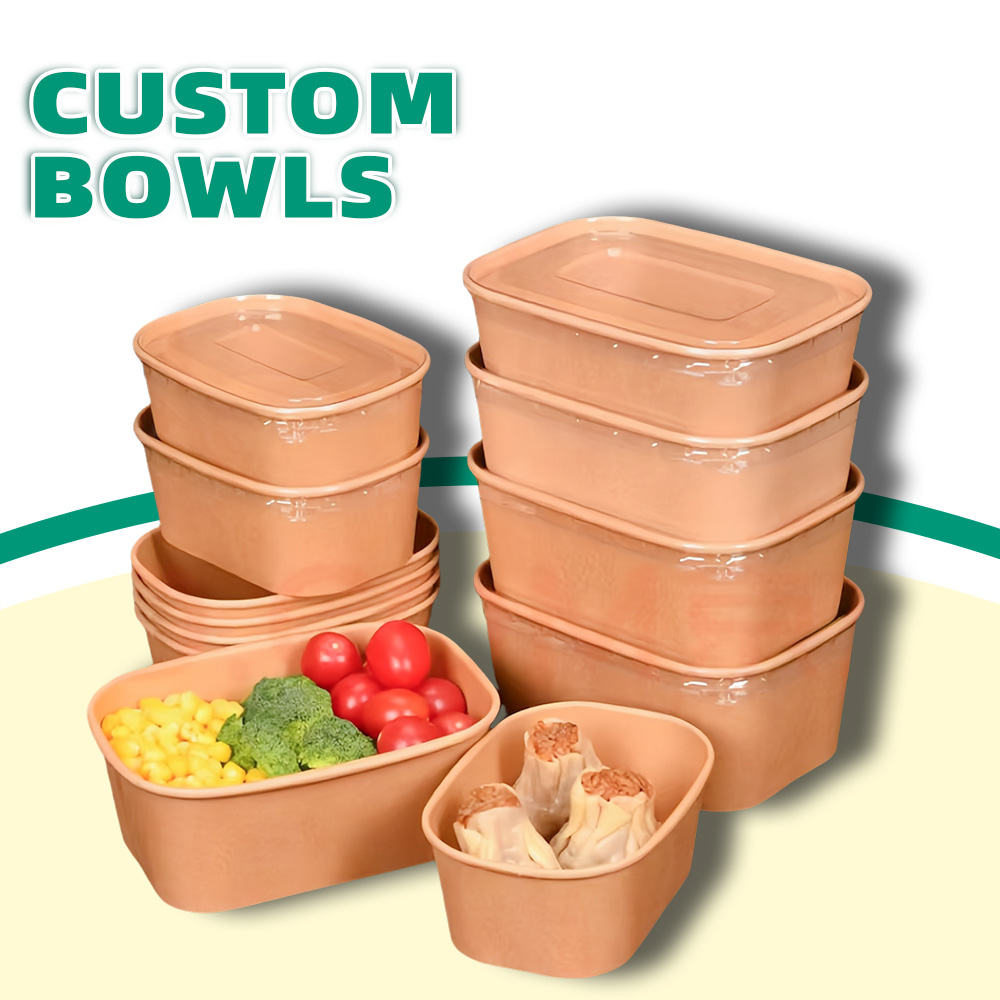
Factory Supply Custom Brown Kraft Paper Disposable Lunch Box Heat-Resistant Salad Bowl with PET Lid Manufacturer Direct
Heavy-gauge sidewalls ensure superior top-load compression resistance. Compatible with automated thermo-sealing lines and custom brand sleeve labeling.
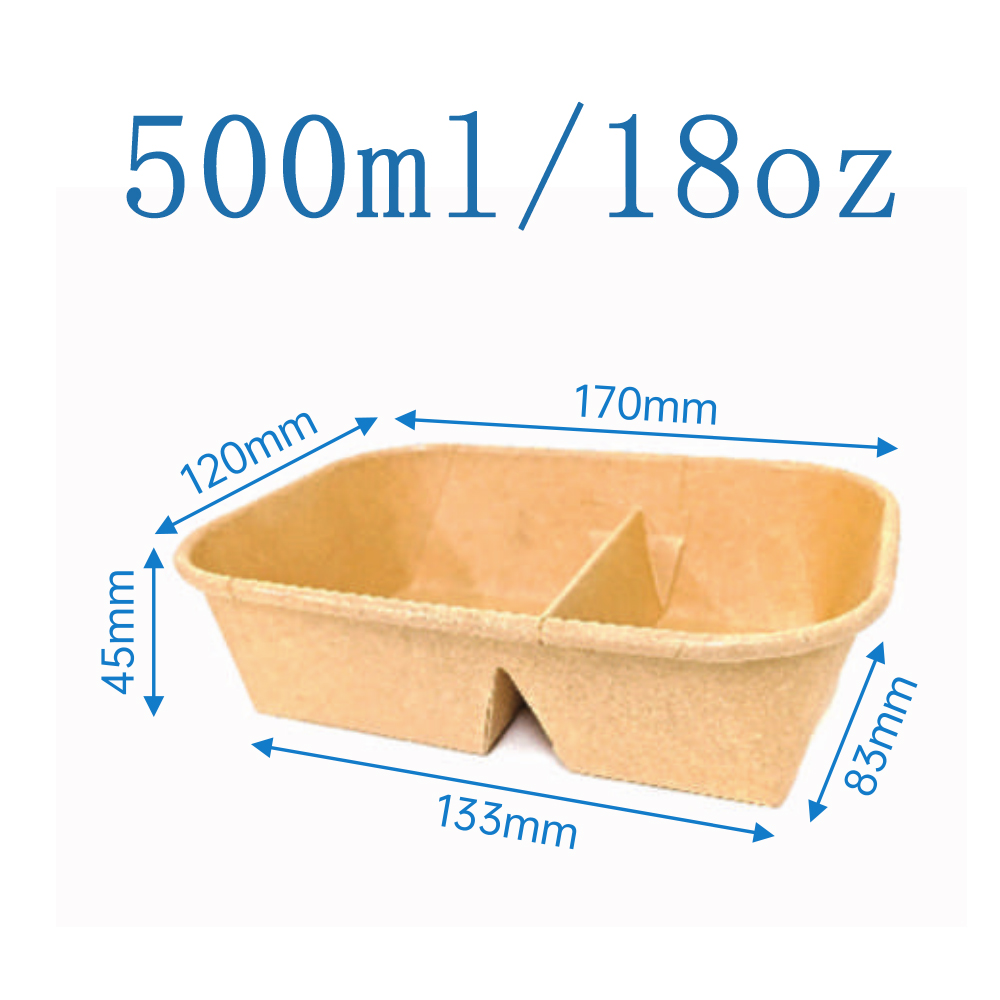
Rectangle 2 Divisions 500ml 18oz Jiehui Factory Wholesales Disposable Kraft Paper Food Cartons & Bowls Custom Prints
Dual-cavity precision partitioned design prevents sauce migration. Optimized stacking footprints allow high nesting ratios during trans-oceanic shipping.

Customizable Logo Kraft Paper Disposable Food Packaging Containers Factory Supply for Fried Chicken Fruit Takeout Other Foods
Designed with calibrated micro-perforation options to prevent internal condensation build-up, maintaining crispy food texture during 45-minute delivery cycles.
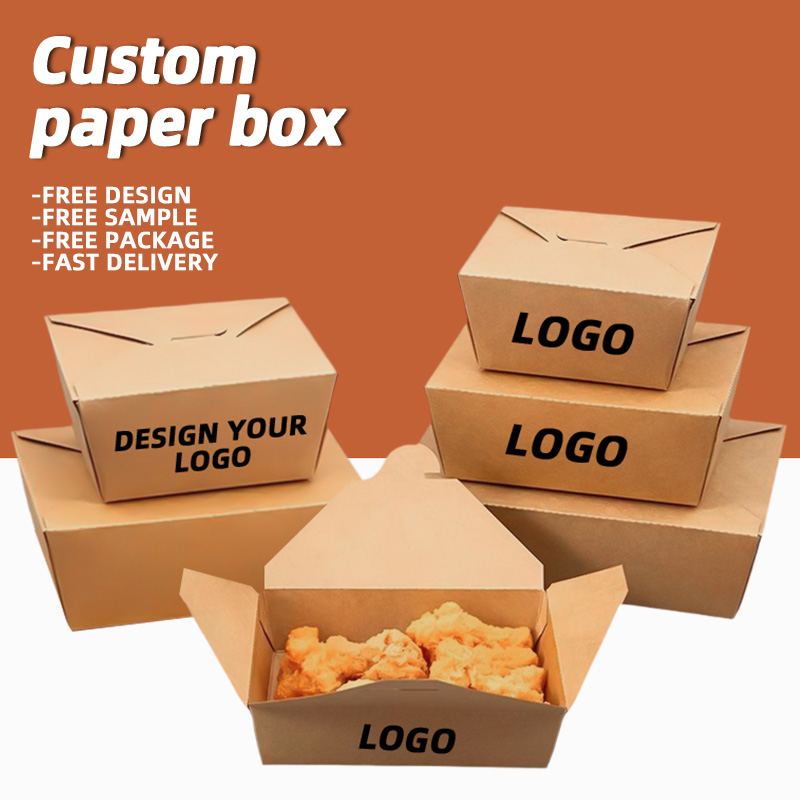
Custom Logo Kraft Paper Food Boxes 800-2455ml Foldable Takeout Containers for French Fries and Chicken Wings
High-volume catering boxes crafted with one-piece leak-proof webbed corners. Fold-and-lock top closure speeds up assembly in fast-casual kitchen environments.
Luohe Temip Plastic Products: Certified Manufacturing Excellence
Direct factory production located in the Dongcheng Industrial Agglomeration Zone, Luohe City, Henan — the core food processing hub of central China.
Industrial Lineage & Certified Quality Governance
Operating out of Luohe City, Henan Province — widely recognized as an epicenter for agricultural processing and fast-moving food packaging — Luohe Temip Plastic Products Co., Ltd. has established an integrated supply platform bridging raw material synthesis, precision thermoforming, high-speed injection molding, and multi-color offset converting. Having completed stringent on-site audits conducted by SGS Group, Temip implements comprehensive quality control workflows extending from inbound virgin polypropylene (PP) pellet spectrometry to final case palletization.
Our experience as a certified supplier to enterprise global procurement divisions and Fortune 500 foodservice entities demands zero tolerance for dimensional variance, pinhole leakage, or volatile organic compound (VOC) outgassing. The manufacturing center houses automated forming equipment, in-line vision inspection sensors, and specialized tool-making bays capable of engineering custom-cavity bento box molds within 14 working days.
Fortune 500 Qualified
Audited quality governance system adhering strictly to supplier code-of-conduct standards, ethical labor parameters, and batch tracking from pellet to pallet.
Material Control at Source
Incoming inspection protocols screen virgin PP resins, natural kraft board, and barrier resins for heavy metals, phthalates, and PFAS compliance.
Comprehensive OEM/ODM
From initial rapid 3D prototyping and mold flow analysis to production-scale multi-cavity tooling and spot-UV customized cardboard branding sleeves.
Material Architecture: PP Homopolymers vs. Hybrid Barrier Systems
Understanding molecular integrity, melt flow index (MFI), and barrier mechanics is essential when sourcing multi-compartment containers for enterprise delivery operations.
Structural Rigidity, Thermal Boundaries, and Seal Integrity
Commercial plastic bento boxes rely predominantly on food-contact grade Polypropylene (PP, Resin Identification Code 5), specifically formulations utilizing clarified random copolymer PP for crystal-clarity lids or high-impact heterophasic PP copolymer for bases subject to cold-chain blast freezing (-20°C) and subsequent microwave reconstitution (>110°C). When engineered correctly, polypropylene presents an exceptional water-vapor transmission barrier (WVTR < 0.5 g/m²/day) and superior resistance to fatty acid degradation from chili oils, dressings, and deep-fried foods.
In contrast, eco-hybrid configurations integrate unbleached kraft virgin fibers laminated with micro-thin aqueous dispersion coatings or bio-based PLA (Polylactic Acid) barriers. Below is a comparative performance analysis utilized by enterprise procurement directors to balance circular economy mandates against operational stress.
| Substrate Metric | Virgin Injection PP | Thermoformed PP Sheet | PE/PLA-Coated Kraft Board | Bagasse / Pulp Composite |
|---|---|---|---|---|
| Working Temp Range | -20°C to +125°C | -10°C to +110°C | -15°C to +100°C | -10°C to +95°C |
| Oil / Fat Resistance | Impervious (No migration) | Impervious | High (>4 hours hot oil) | Moderate (Grease ring risk) |
| Hermetic Seal Locking | Ultra-High (Interlocking lip) | High (Press-fit friction) | Moderate (Requires PP/PET lid) | Low (Loose tab friction) |
| Top-Load Compression (N) | 350 – 520 N (Rigid walls) | 200 – 320 N | 280 – 410 N | 180 – 260 N |
| Microwave Reheating Safe | Certified (No plasticizer release) | Certified | Safe (PE/PLA thresholds apply) | Safe (Moisture absorption risk) |
| End-of-Life Stream | 100% Curbside Recyclable (PP 5) | 100% Curbside Recyclable | Industrial Compost / Repulpable | Home / Commercial Compost |
Quality Assurance Tip for Importers: Always specify random copolymer PP with a Melt Flow Index (MFI) between 12 and 25 g/10 min for thin-wall injection molded lunchboxes. Low-grade recycled regrind reduces tensile impact strength, causing lid fracture under sub-zero transit conditions.
Future Procurement Trends in Global Foodservice Packaging
How legislative frameworks like the EU Packaging and Packaging Waste Regulation (PPWR), EPR taxation, and circularity mandates are reshaping wholesale procurement.
Mono-Material Streamlining
Global regulatory bodies are phasing out unseparable multi-layer laminates. Importers are migrating toward 100% monomaterial PP containers where both base and lid share identical polymer chains, eliminating post-consumer sorting overheads and qualifying for reduced EPR plastic tax tariffs.
Volumetric Nesting Optimization
With volatile maritime container freight rates, packaging engineers prioritize ultra-thin draft angles (≤ 2.5 degrees) and micro-step nesting ribs. Maximizing carton density directly lowers landing unit costs, increasing 40-foot High-Cube container payload efficiency by up to 22%.
PFAS-Free Barrier Alternatives
Stringent bans on per- and polyfluoroalkyl substances (PFAS) in North America and Western Europe necessitate next-generation aqueous barrier dispersions. Temip's dedicated barrier lines deliver grease resistance ratings (Kit 7–9) without fluorinated chemical compounds.
Tamper-Evident Integrated Closures
The explosive rise of third-party delivery services (UberEats, DoorDash, Deliveroo) has driven demand for bento boxes featuring tear-strip perimeter tabs. These audible break-away designs assure the consumer of sanitary integrity without requiring extra adhesive tape or plastic wrap.
Evaluating Total Cost of Ownership (TCO) in Chinese Container Procurement
Key levers to minimize scrap rate, mitigate port demurrage, and enforce international inspection benchmarks.
Navigating AQL Standards, Tooling Amortization, and Freight Densification
Direct sourcing from Chinese manufacturing hubs requires moving beyond simple FOB unit rates to account for Total Cost of Ownership. Experienced supply chain directors structure procurement agreements around three core technical vectors:
1. Tooling Precision & Cavity Balancing: In multi-cavity injection molds (e.g., 4-cavity or 8-cavity lunchbox tools), minor cooling imbalance leads to thermal warping and uneven lid closure tension. Temip utilizes hot-runner gate control systems to preserve balanced cycle times and tight dimensional tolerances (±0.15mm), ensuring identical closure force across every production lot.
2. Quality Inspection Sampling (ISO 2859-1): Our factory quality assurance protocols operate under Acceptable Quality Limit (AQL) 1.5 for critical defects (pinholes, micro-cracks, contamination) and AQL 2.5 for minor visual flaws (faint flash, slight gate blush). Overseas buyers are encouraged to deploy third-party inspection firms (SGS, TUV, QIMA) prior to balance disbursement.
3. Palletization & Corrugated Fluting Optimization: Disposable lunchboxes are lightweight yet bulky. Using five-layer BC-flute double-wall corrugated export master cartons with edge crush test (ECT) values ≥ 44 lb/in prevents bottom-tier collapse inside humid ocean containers during 30-day transit routes.
Frequently Asked Questions for Global B2B Buyers
Direct, technically validated answers addressing customization, regulatory documentation, mold tooling, and container shipping.
What food packaging products does Temip manufacture and export?
Are your plastic bento boxes certified safe for microwave reheating and freezing?
What are the typical Minimum Order Quantities (MOQ) and lead times?
Can Temip support custom tooling development for proprietary container designs?
How does Temip ensure leak prevention during delivery platform transport?
How can overseas buyers verify factory authenticity and audit production?
Accelerate Your Food Packaging Sourcing with Direct Factory Pricing
Submit your technical specifications, compartment blueprints, or target order volumes today. Our packaging engineering team delivers comprehensive DFM analysis, material options, and competitive FOB/CIF quotations within 24 hours.