Enterprise-Grade Takeout Packaging Solutions
Engineered for structural rigidity, hydrostatic load bearing, and thermal performance. Below is our high-velocity product line-up direct from our Henan factory floor, serving enterprise quick-service restaurants, retail meal delivery, and food wholesale brokers worldwide.
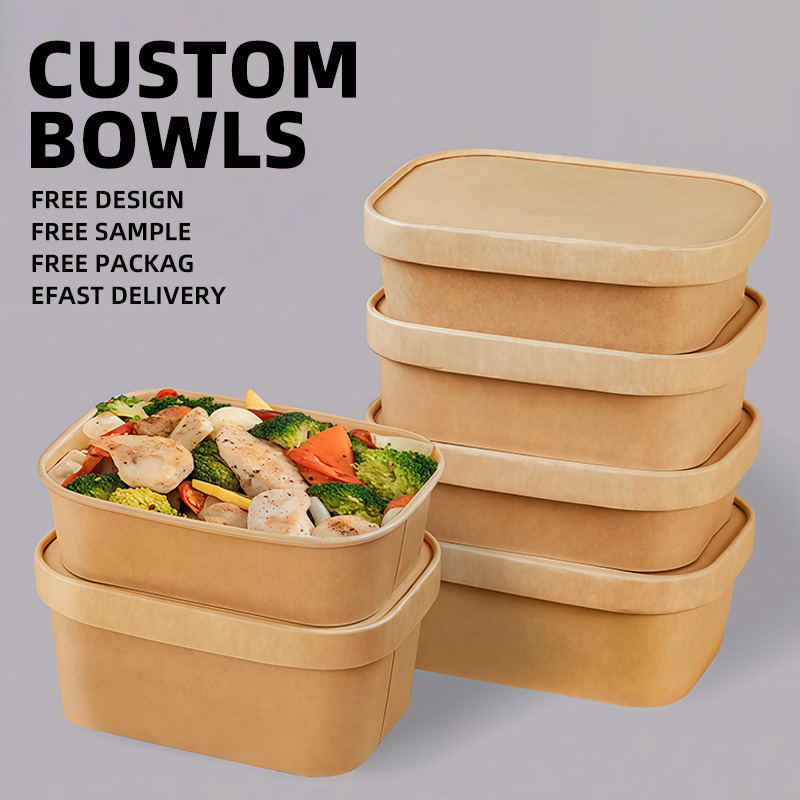
Jiehui Factory Wholesales Customizable Biodegradable Disposable Kraft Cartons
Applications: Hot Gravy, Fried Entrees, Rice Bowls
Feature: Fold-flat, Leak-proof Interlock
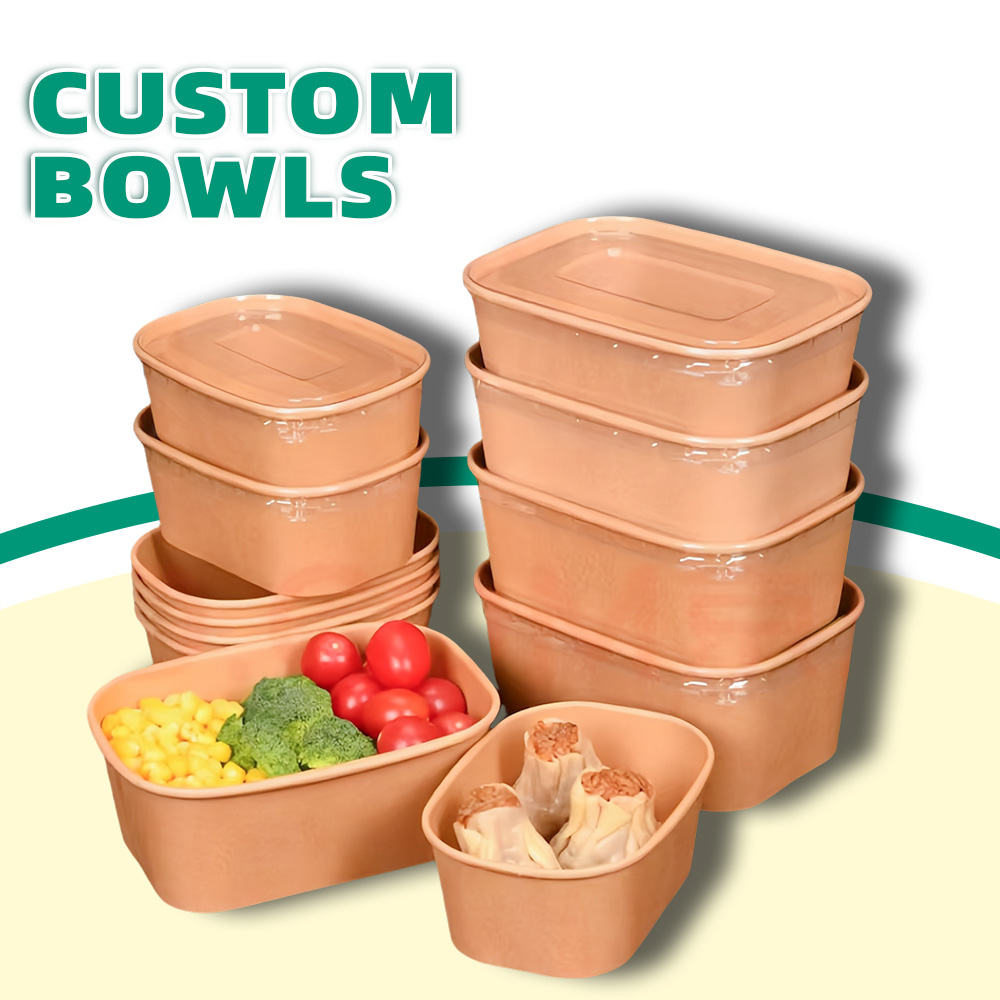
Custom Brown Kraft Disposable Lunch Box & Salad Bowl with PET Lid
Thermal Range: -20°C to 120°C (Base)
Locking: Precision Perimeter Click-Seal
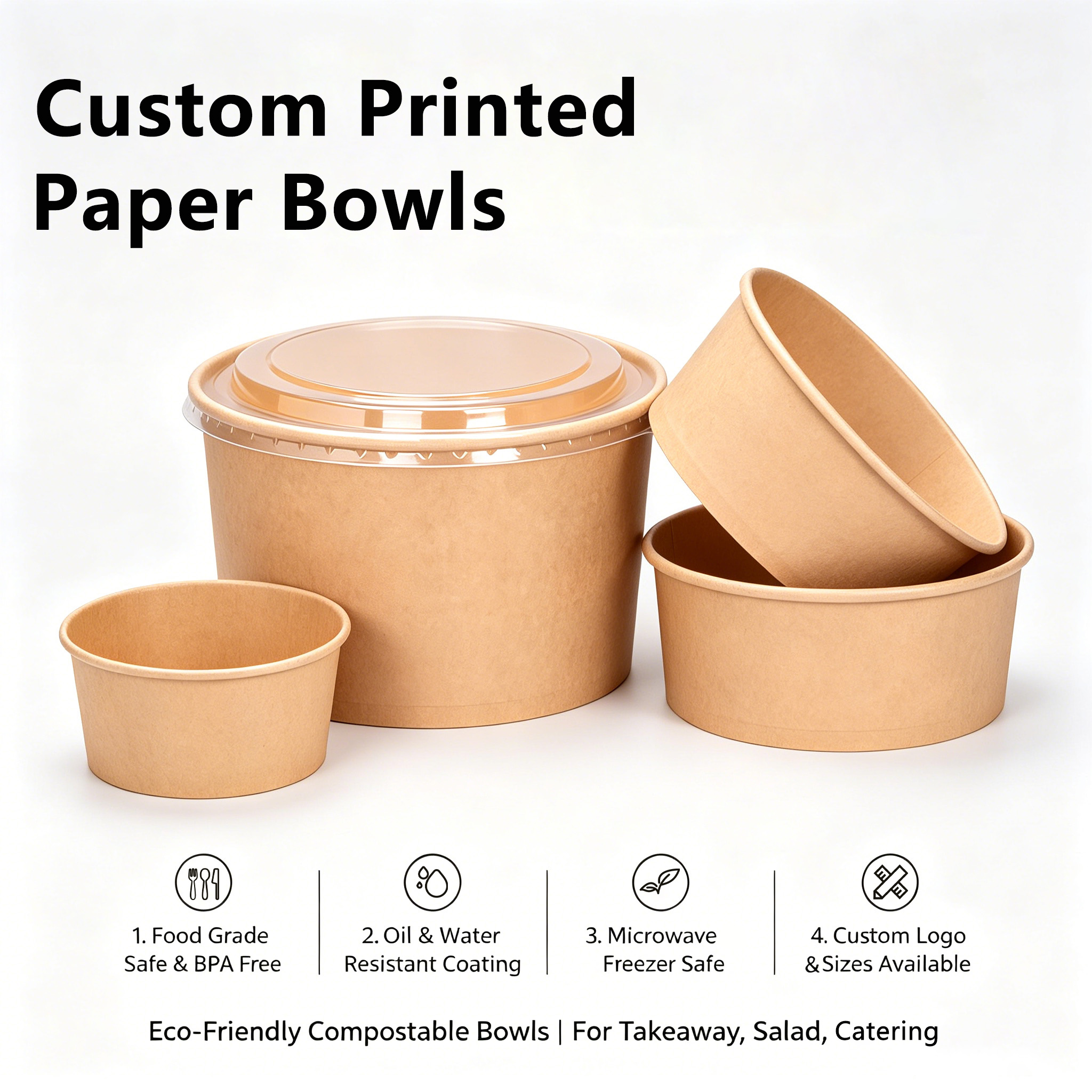
Biodegradable Microwave-Safe Take-Out Food Containers 500ml-1450ml
Microwave: Safe Up to 1000W Reheating
Branding: CMYK Flexographic Printing
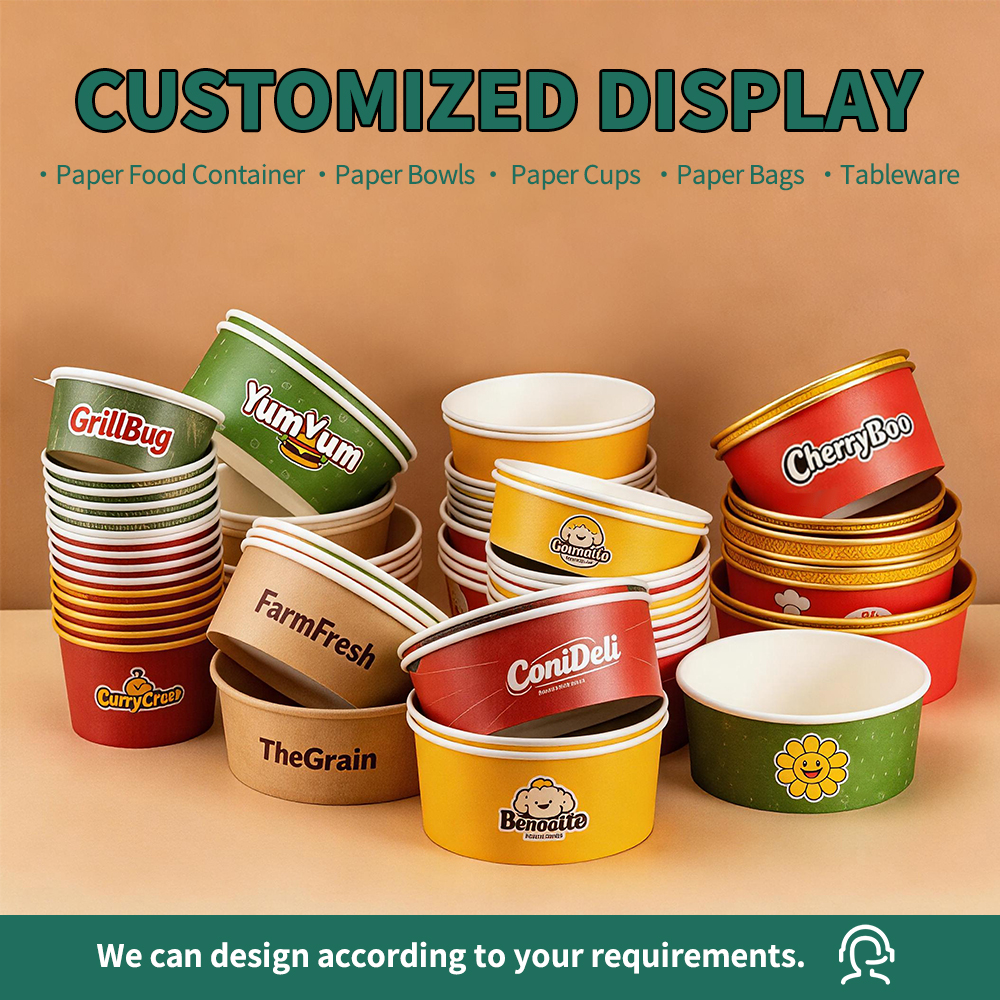
Custom Logo Heavy-Duty Kraft Salad Bowls Leakproof with Lids
Lid Options: Recessed PP / Domed Clear PET
Stackability: Vertical Locking Ridges
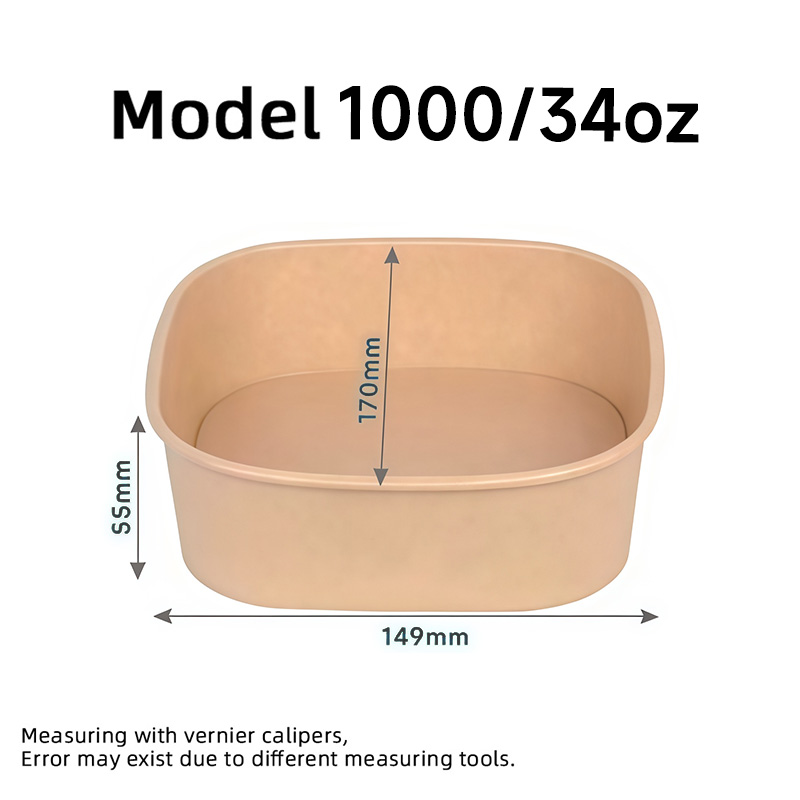
Square 1000ml (34oz) Biodegradable Food Cartons & Serving Bowls
Board Spec: 337gsm Heavyweight Kraft
Customization: Soybean Non-Toxic Ink
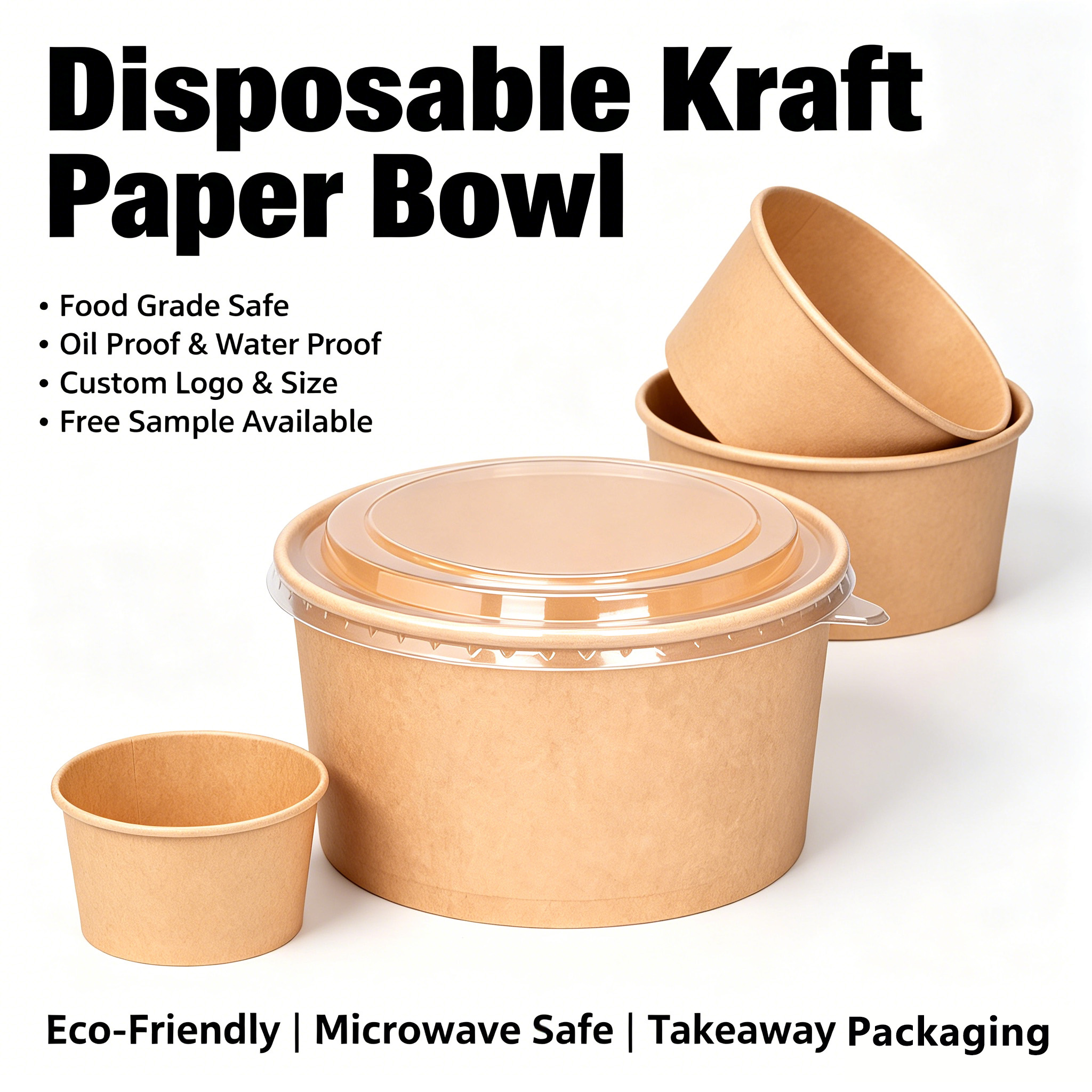
Micro-Safe Oil-Resistant Disposable Soup & Salad Bowls 500-1450ml
Bottom Seal: Ultrasonic Welded Hem
Liquids: 100°C Boiling Broth Tested
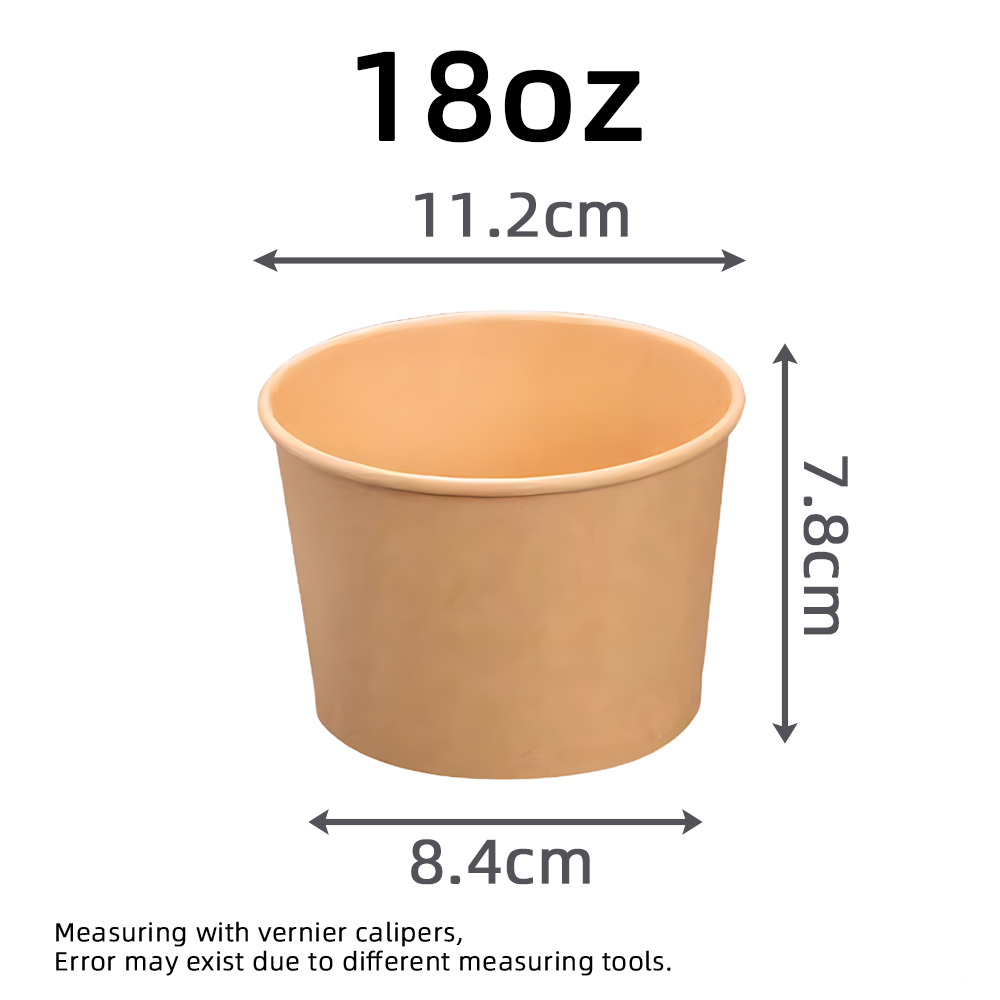
520ml (18oz) Food-Grade Disposable Shallow Bowls & Food Trays
Coating: Dual-Sided Water Barrier
Rigidity: Crush-Proof Perimeter Flange
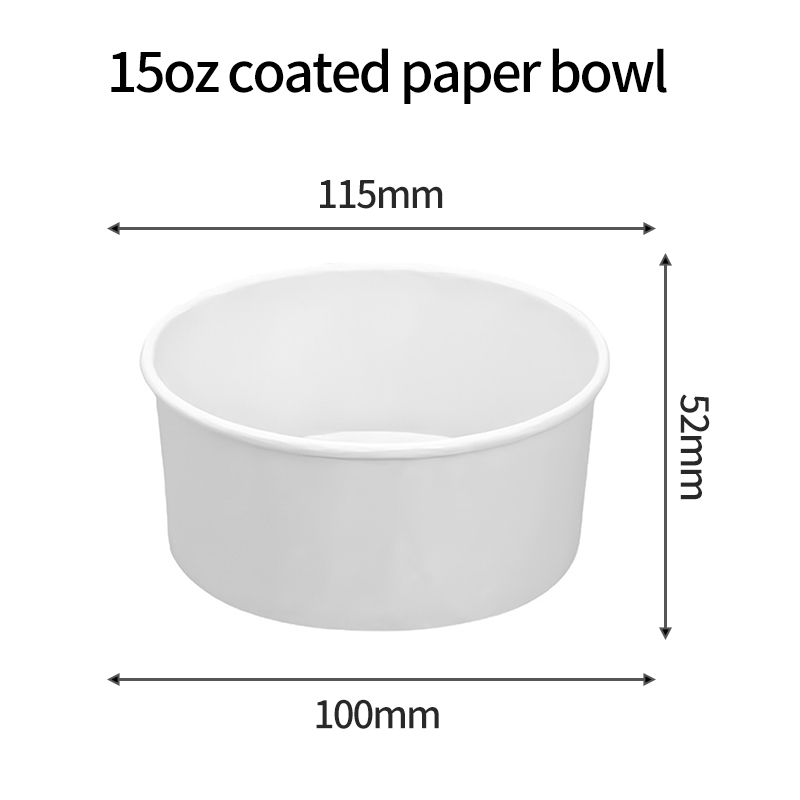
Premium Brown/White Cardboard Sushi & Chilled Entree Containers
Window: Optically Pure Anti-Condensation
Moisture Control: Breathable Corner Geometry
The Evolution of Plastic & Hybrid Takeout Containers: 2025–2030 Mandates
Procuring single-use and reusable takeout containers from Chinese manufacturers has moved far beyond simple per-unit pricing metrics. Importers, international restaurant chains, and packaging distributors face stricter legislative constraints, such as the EU Packaging and Packaging Waste Regulation (PPWR), US state-level PFAS bans, and extended producer responsibility (EPR) requirements.
PFAS-Free Fluorine Elimination
Global food contact legislation now strictly restricts per- and polyfluoroalkyl substances (PFAS). Modern injection PP containers and aqueous barrier lined paperboards rely on physical dense-fiber mechanical calendering and food-grade bio-emulsions to achieve grease barriers (KIT Level 12) without chemical fluorine leeching risks.
Thin-Wall Precision Injection
High-speed German-machined injection molds enable polymer down-gauging by up to 22% while reinforcing wall rigidity through radial striae and reinforced rim ribs. This achieves a lower raw resin footprint, shrinking shipping weight by volume and slashing cross-border freight costs significantly.
Monolithic Circular Polymers
Multi-material packages (such as paper laminated with non-separable PE) are rapidly being banned in municipal recycling streams. Modern sourcing focuses on mono-material systems, such as 100% homopolymer Polypropylene (PP5) containers paired with matched PP lids, ensuring closed-loop mechanical recycling without sorting failures.
Engineering Selection Guide: Foodservice Resin & Substrate Specs
Choosing the correct polymer and structural configuration requires matching the physical and thermal profile of hot food against thermal deflections, gas transmission, and cold impact resilience.
| Substrate Material | Operating Thermal Range | Oil & Grease Barrier Integrity | Microwave / Dishwasher Viability | Regulatory Compliance Alignment |
|---|---|---|---|---|
| Virgin Homopolymer PP (Polypropylene #5) | -20°C to +125°C | Absolute impermeable hydrophobic barrier | Excellent; zero softening at standard reheat cycles | FDA 21 CFR 177.1520, EU 10/2011, BPA Free |
| Virgin Kraft Paper + Aqueous Dispersal Barrier | -10°C to +100°C | Resistant up to KIT Level 10-12 (No PFAS) | Safe for controlled rapid reheating (Under 3 min) | EN 13432 Compostable, Home Repulpable |
| Bio-PBS / PLA Lined Foodboard | -15°C to +85°C (PBS) / +45°C (PLA) | Superior pinhole-free barrier | Moderate (PBS heat-tolerant; standard PLA cold-only) | BPI Certified, ASTM D6400 Industrial Compost |
| Ultra-Clear APET / RPET (Recycled PET #1) | -35°C to +65°C | High oil resistance, high optical clarity | Not microwave safe (Deforms above 65°C) | High consumer post-consumer resin acceptance |
Enterprise Strengths: Luohe Temip Plastic Products Co., Ltd.
Situated in the Jingyi Road Dongcheng Industrial Agglomeration Zone of Luohe, Henan, Temip operates at the focal point of China's primary food processing capital. We do not simply fabricate takeout containers; we stress-test our configurations against real sauces, steaming broths, and transport vibrations.
SGS Audited Operations
Our complete manufacturing footprint has passed comprehensive on-site facility assessments by SGS Group, providing verifiable supply-chain reliability for major brand risk managers.
Fortune 500 Qualified
Demonstrated capability executing Tier-1 OEM/ODM export contracts. Our systems fulfill supplier audit requirements, social compliance standards, and multi-tier QA metrics.
Raw Material Traceability
Every batch of virgin PP granules and virgin FSC paperboard undergoes melt flow index (MFI), ash, and tensile testing prior to thermoforming or high-speed cup assembly.
Complete OEM / ODM Flexibility
From custom embossed lids, snap-fit tamper-evident rim geometry, and bespoke multi-compartment dividers to 8-color flexographic or high-definition offset printing.
B2B Buyer FAQ: Plastic & Hybrid Takeout Containers
Real-world insights directly addressing QA, import tariffs, customs compliance, and container performance.