Featured Plastic Storage Containers & High-Barrier Food Cartons
Engineered for thermal performance, high-speed automated packaging, airtight freshness retention, and compliant international logistics.
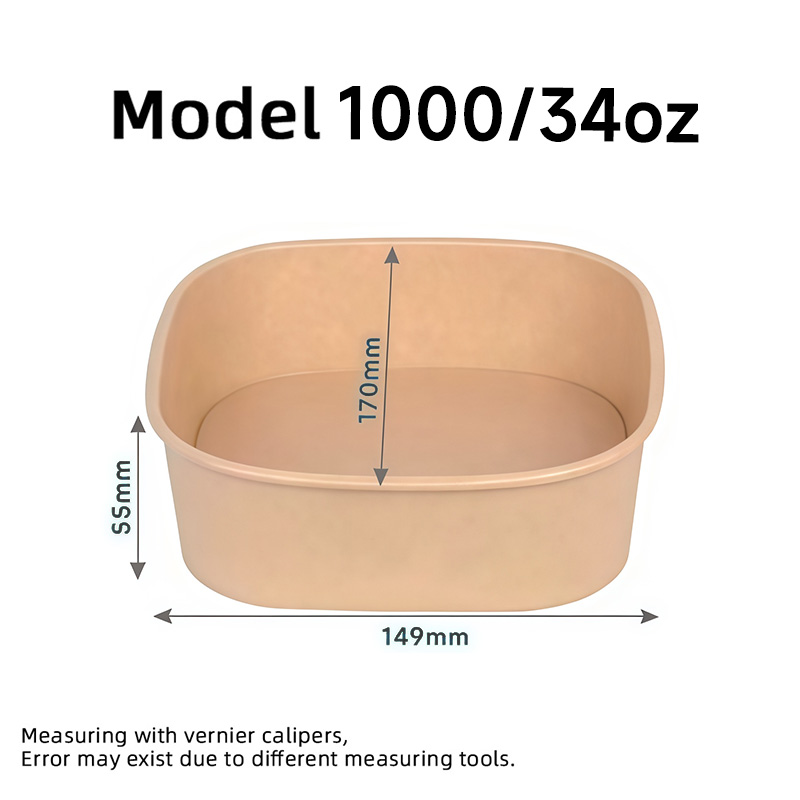
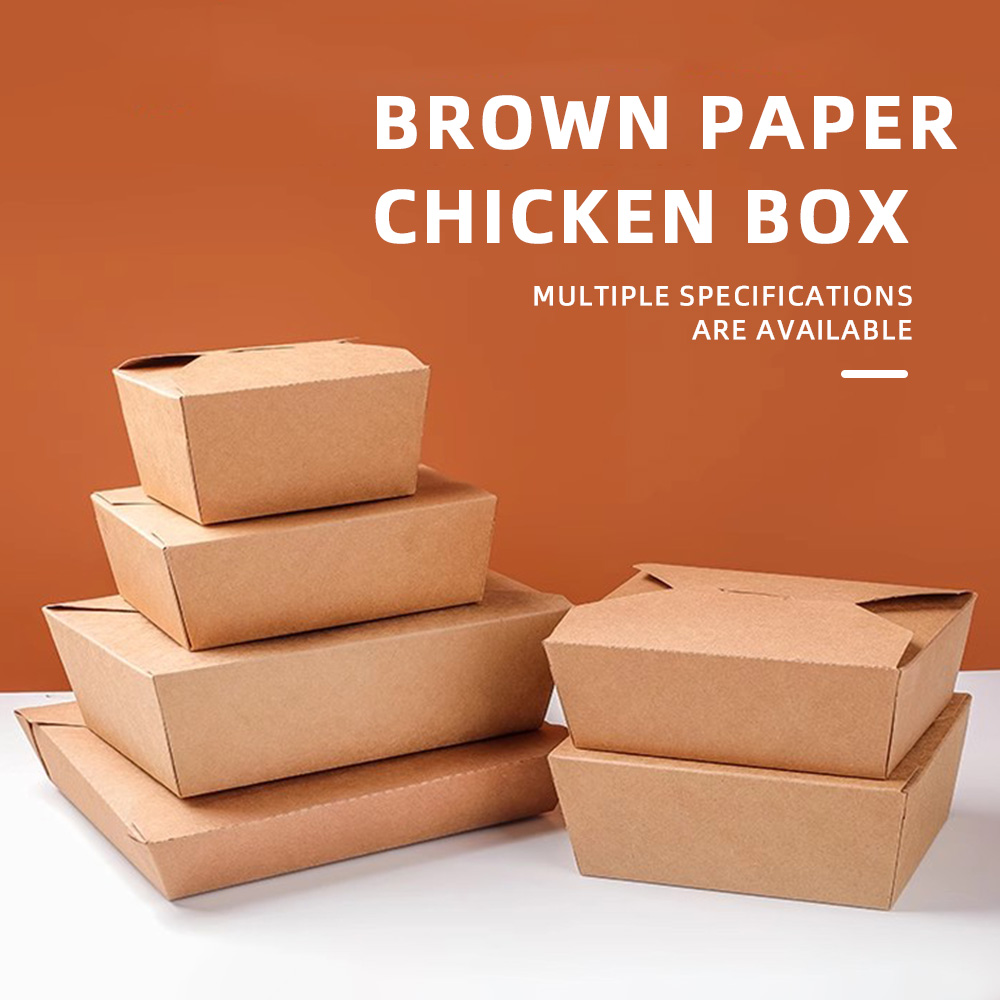
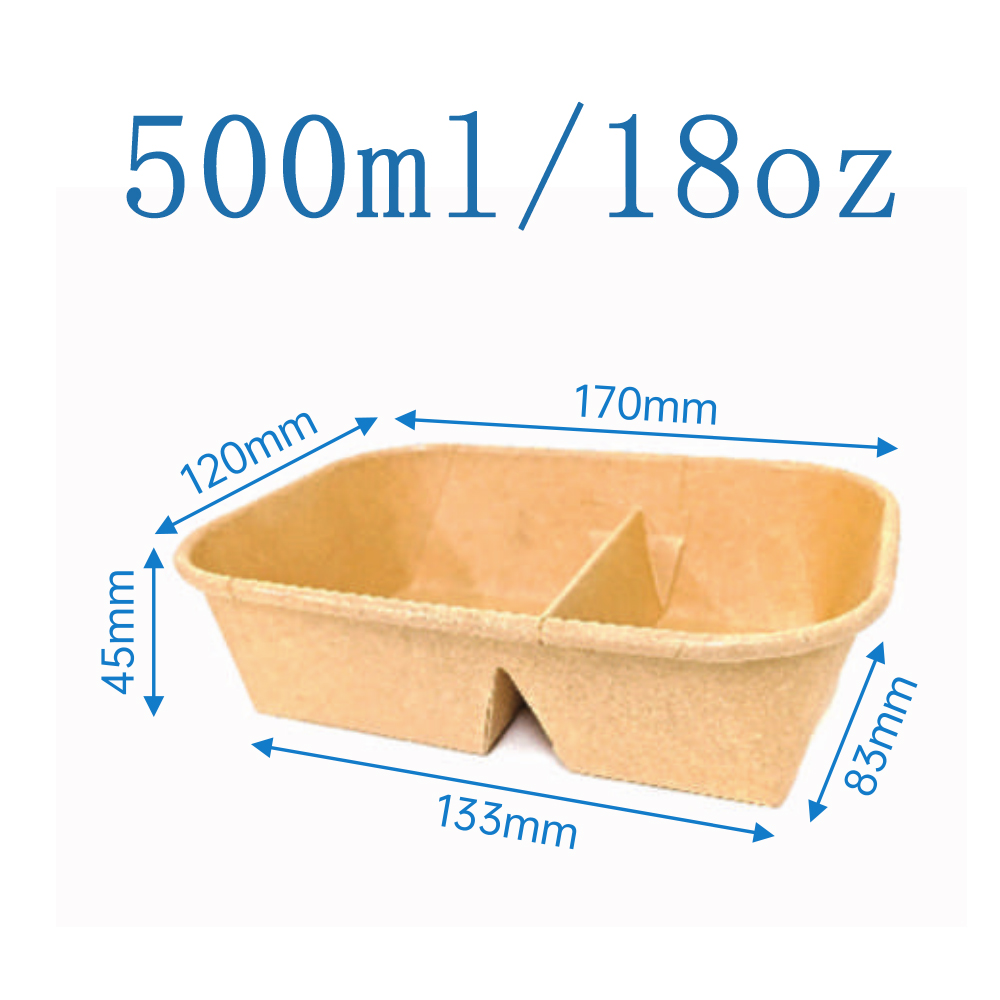
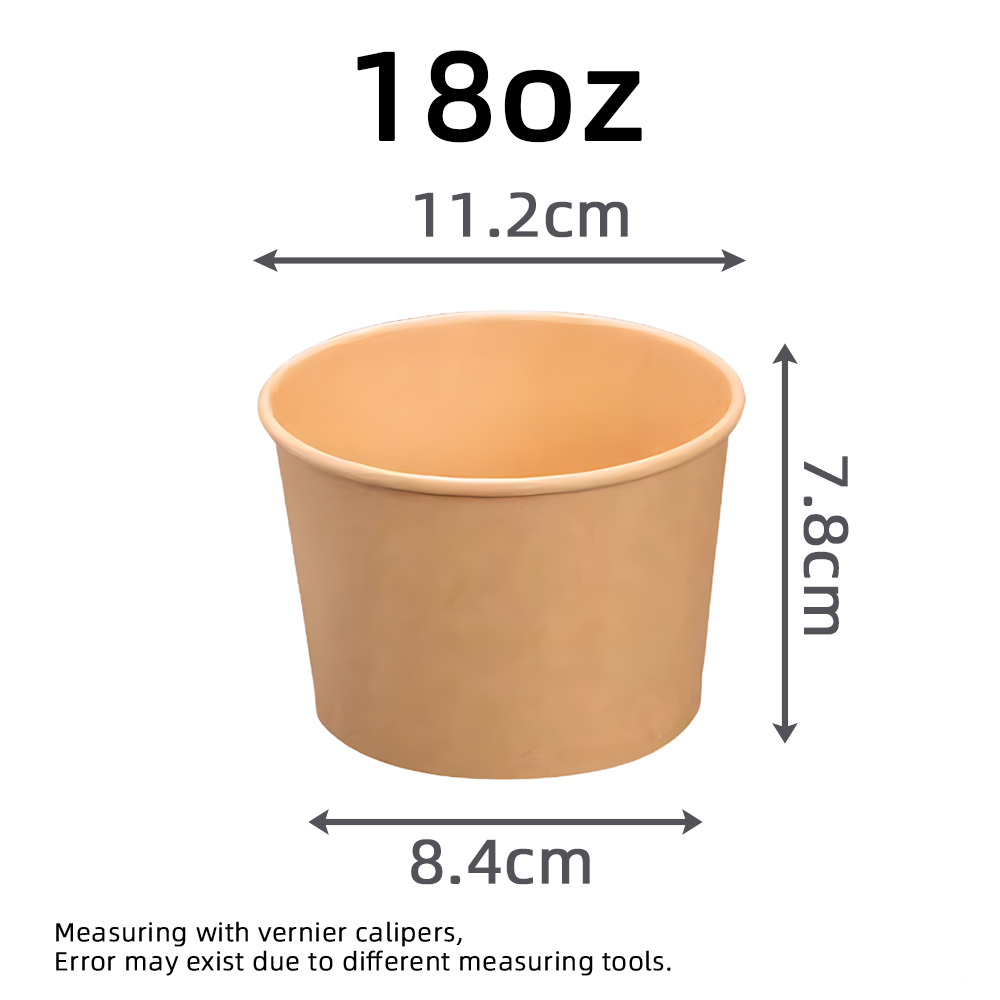
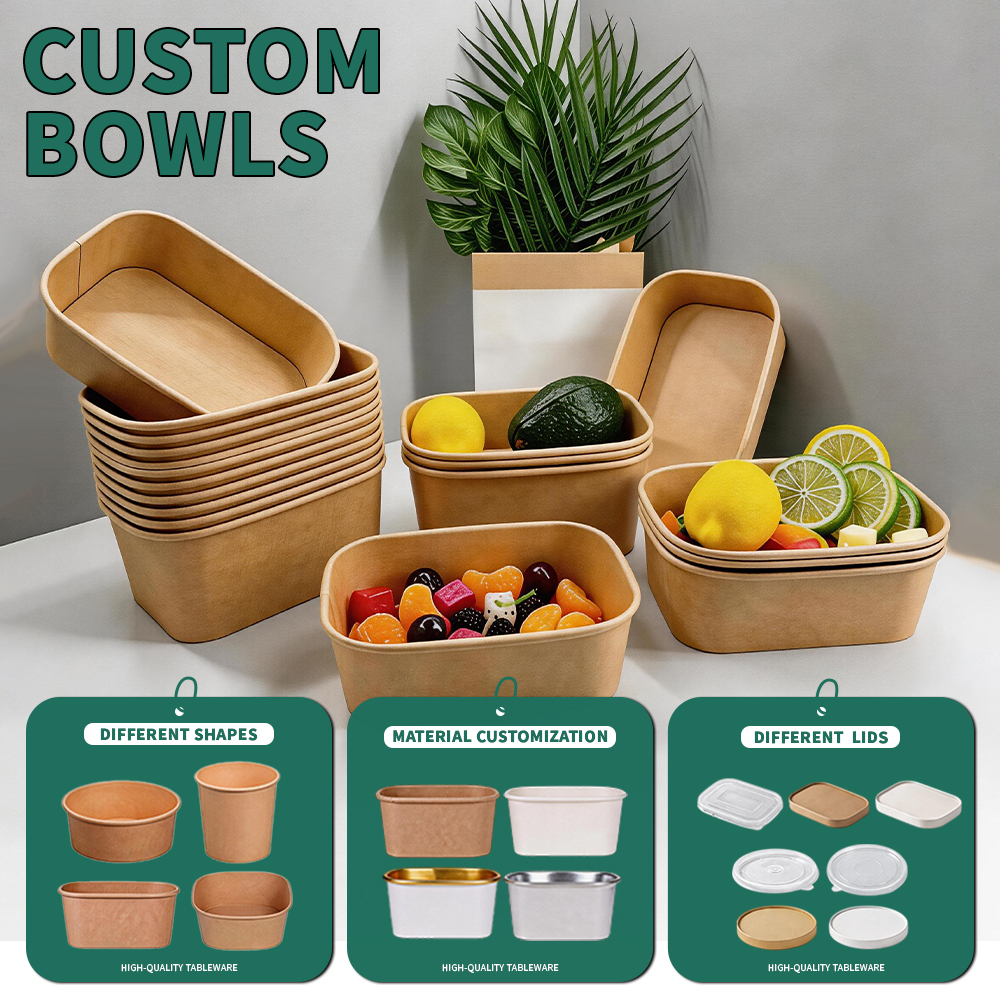
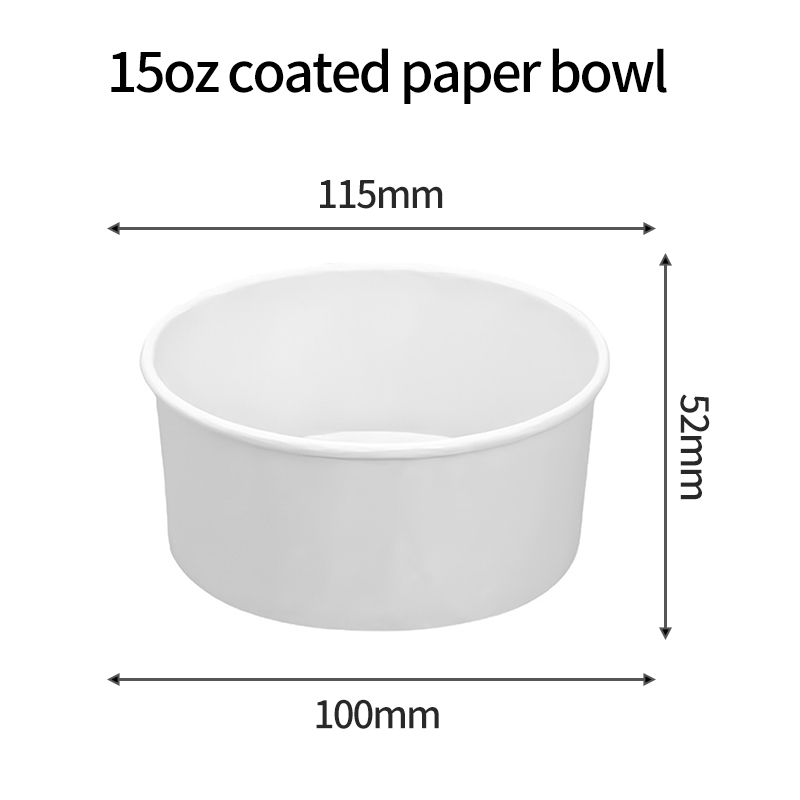
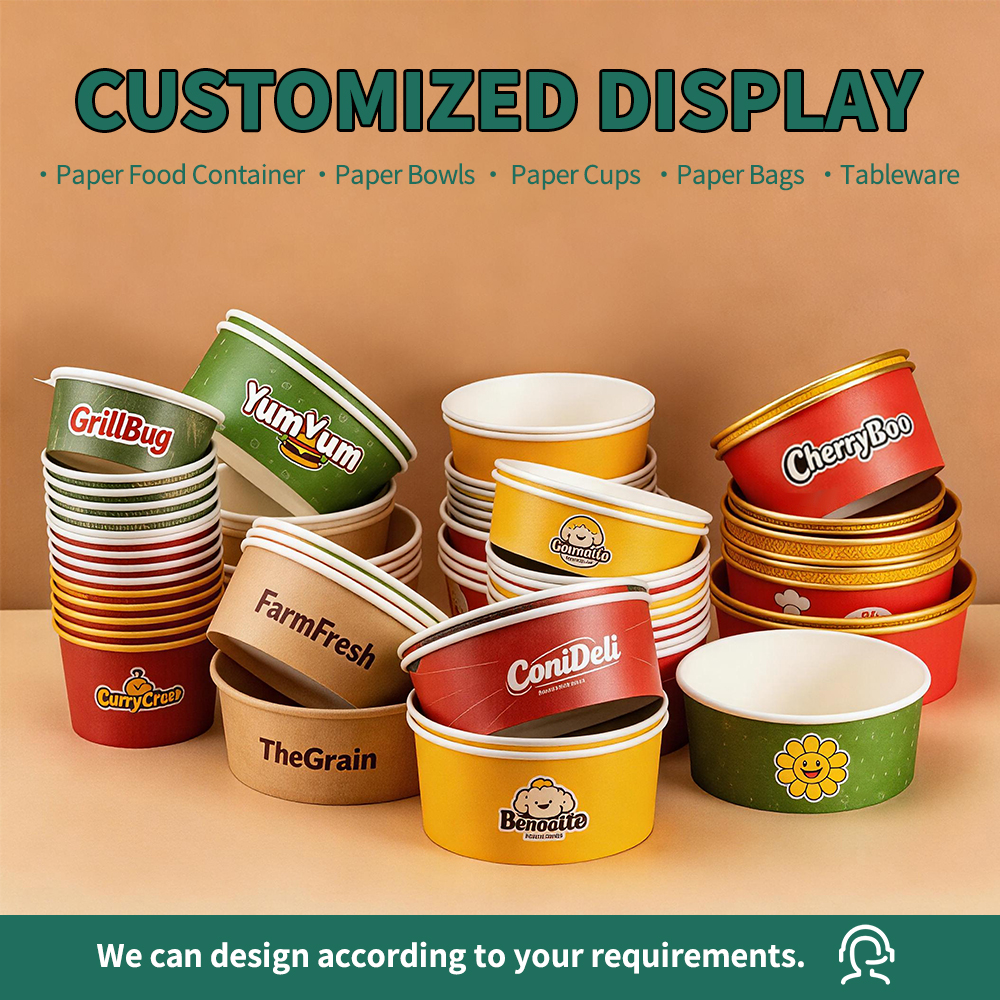
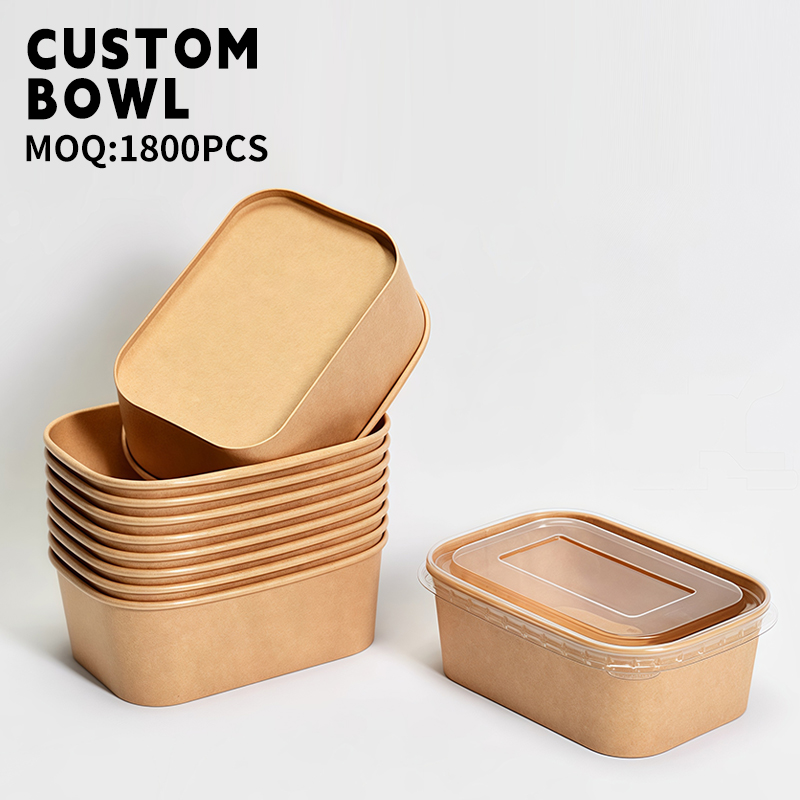
Navigating Polymer Chemistry, Barrier Technologies & Global Compliance with China Top Plastic Storage Containers Factories
Modern B2B procurement across the food distribution, meal-prep packaging, and fast-casual restaurant chains is witnessing a paradigm shift. Enterprise purchasers are navigating an intricate balance between rigid polymer utility, dynamic supply chains, cost stabilization, and increasingly stringent global environmental legislation. The quest to identify a verified China top plastic storage containers factory extends beyond base pricing; it demands a granular evaluation of polymer grades, injection-molding dimensional accuracy, virgin board barrier matrices, cleanroom manufacturing conditions, and documented chemical compliance spanning the FDA, EU Regulation No 10/2011, and German LFGB statutes.
When enterprise clients specify materials for food preservation containers, food boxes, and bento meal systems, virgin Random Copolymer Polypropylene (PP-R) and Homopolymer Polypropylene (PP-H) remain the global standards. Unlike amorphous polymers such as Polystyrene (PS) or standard Polyethylene Terephthalate (PET)—which suffer heat deflection and risk monomer leaching under high thermal loads—PP delivers superior dimensional stability across extreme temperatures ranging from -20°C (blast-freezing) up to 120°C (microwave re-heating and commercial steam table operation).
At Luohe Temip Plastic Products Co., Ltd., our engineering methodology evaluates the Melt Flow Index (MFI) of polymer resins at raw material receipt. Using advanced injection molding equipment and precision CNC-machined hot-runner toolsets, our containers achieve ultra-consistent wall thickness distributions. This removes structural weak points, prevents lid deflection under stacking loads, and guarantees an airtight perimeter seal that preserves the volatile aroma and moisture profile of oily, acidic, or high-humidity food preparations.
| Material Engineering Grade | Thermal Range | Barrier Efficiency (O2 & H2O) | Microwave & Dishwasher Safety | Recommended Sourcing Scenario |
|---|---|---|---|---|
| Virgin Copolymer PP | -20°C to +120°C | Excellent moisture barrier, medium gas barrier | Fully Microwave & Dishwasher Safe | Commercial meal-prep, hot soup bowls, multi-compartment bentos |
| Virgin PET (A-PET / C-PET) | -40°C to +70°C (A-PET) | Superior gas barrier, ultra-high optical clarity | Unsuitable for microwave heating | Cold salads, deli display tubs, fresh cut produce, sushi packs |
| Aqueous/PLA Lined Kraft | -10°C to +100°C | High oil resistance, moisture managed | Microwave safe under controlled moisture | Eco-takeaway, organic salads, sustainable delivery branding |
| PE Lined Heavy-Gauge Board | -18°C to +95°C | Complete liquid seal, high puncture strength | Short-burst microwave warming safe | Ramen bowls, catering delivery, heavy-sauced entrees |
Procurement teams across Europe, North America, and Australia are realigning their vendor qualification matrix around three transformative market dynamics:
By utilizing advanced injection machines with rapid clamp cycling, modern factories reduce polymer weight by 12% to 18% without compromising compression rigidity, lowering freight volume tariffs and plastics packaging taxes.
To bypass traditional single-use plastic restrictions, high-barrier aqueous water-based dispersion barriers and plant-derived PLA coatings are rapidly replacing petrochemical films on paperboard substrates.
Driven by third-party delivery apps, single-step tamper-evident locking tracks and audible friction-fit perimeter beads eliminate secondary shrink bands while ensuring food safety throughout transport.
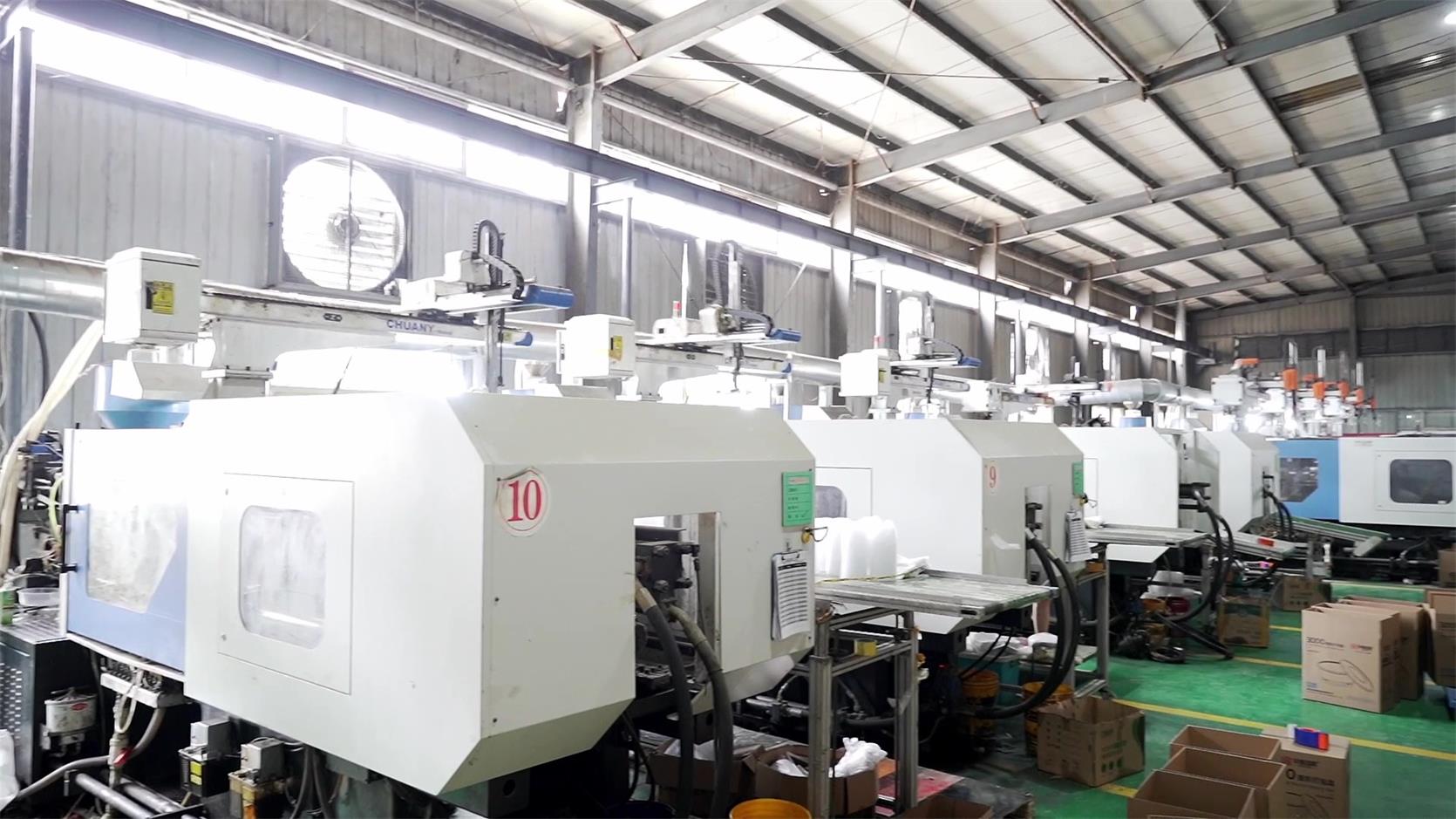
The transformation of China's container manufacturing clusters is characterized by automated, digitally controlled infrastructure. Traditional single-stage manual casting has been superseded by closed-loop multi-cavity injection lines equipped with in-mold labeling (IML) capabilities, robotic demolding arms, and automated optical sorting systems.
IML technology fuses high-resolution polypropylene labels directly into the container sidewall during the injection cycle. This yields scratch-resistant, water-proof, and freezer-resilient branding that does not peel or blister under humidity variations. Furthermore, because both the container body and the decorative film share the same polymer matrix, the final unit constitutes a mono-material structure that can enter standard recycling streams without secondary chemical separation.
Why Top Global Brands Partner with Luohe Temip Plastic Products
Rooted in Luohe, Henan—China’s primary food-processing epicenter—our manufacturing facility merges institutional engineering with certified international export protocols.
Our 2,200 m² clean workshop and testing protocols have successfully passed comprehensive on-site inspections conducted by SGS Group.
Documented history delivering high-volume custom packaging programs for multinational enterprises under rigorous vendor SLAs.
Every incoming batch of food-grade virgin paperboard and polymer resin undergoes moisture, tensile, and chemical migration checks before tooling entry.
From 3D mold tooling prototyping and structural load optimization to custom pantone flexographic and offset print reproduction.
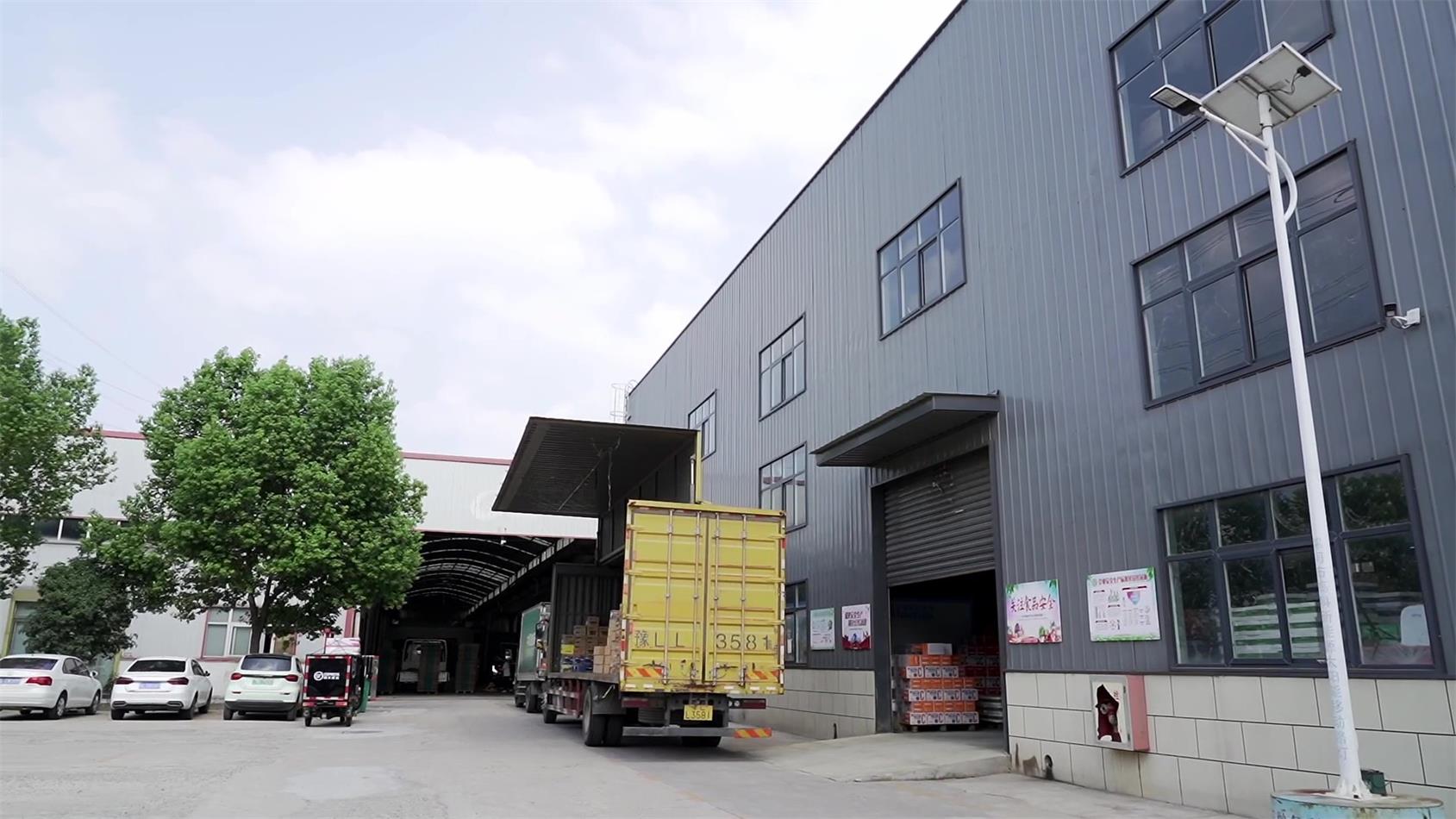
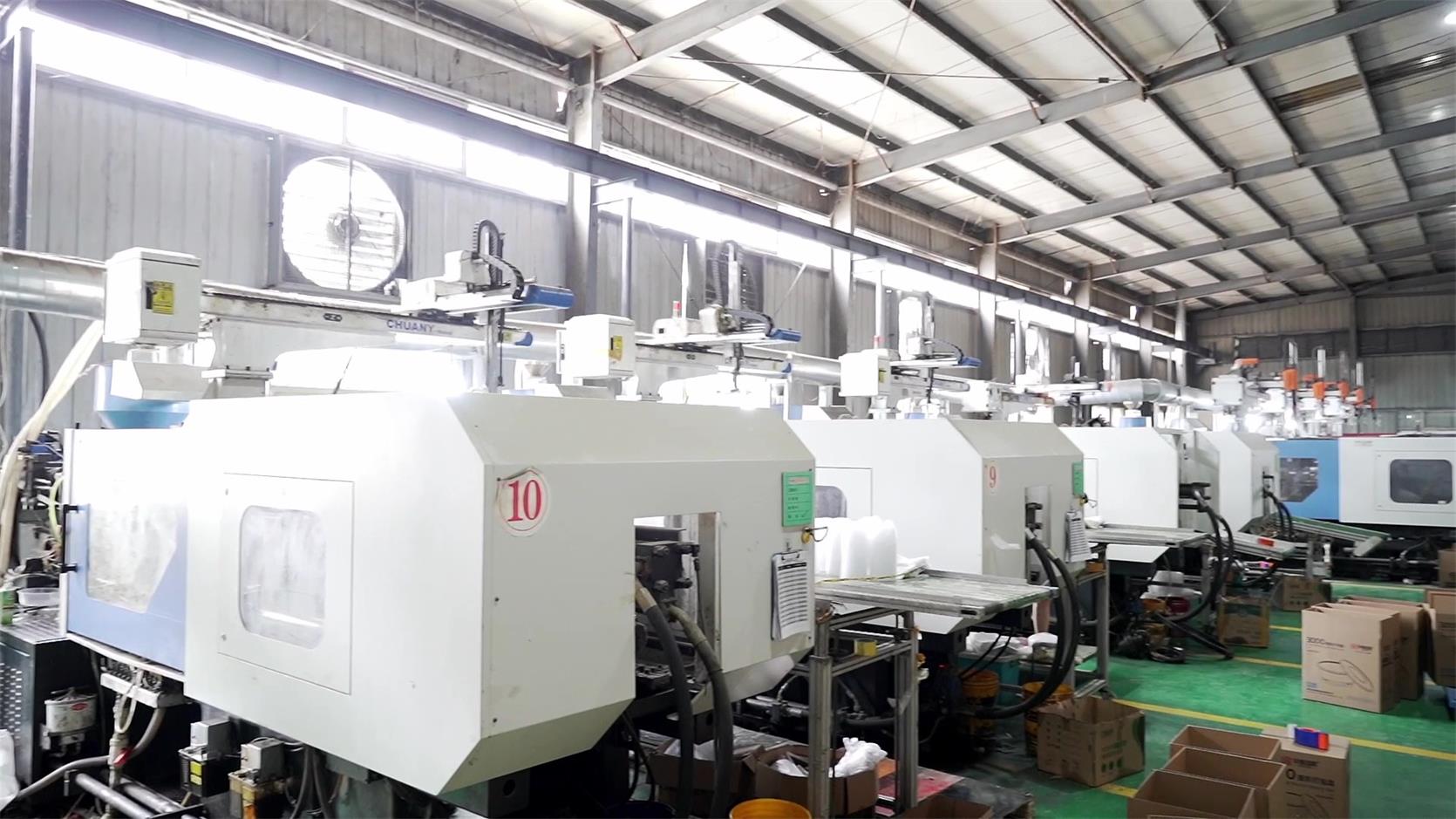
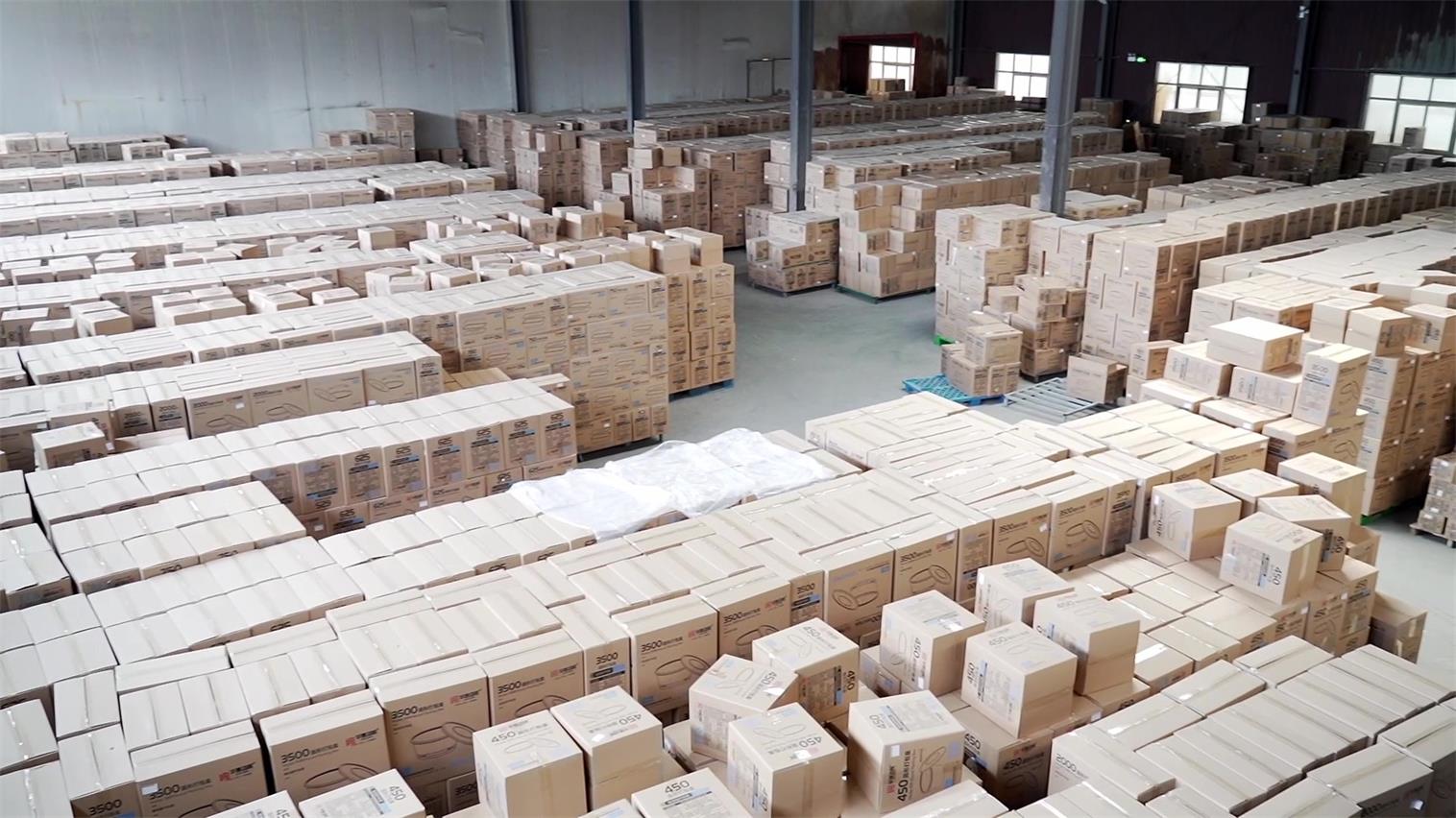
Inside Our Verified Production & Inspection Facilities
Direct visual audit of our high-speed container forming machinery, clean packing facilities, and warehouse logistics operations.
Frequently Asked Questions for B2B Plastic Storage Containers Importers
Resolving technical, minimum order, certification, and logistic queries commonly raised by commercial buyers.
We implement a double-beaded interference fit rim design. When our injection-molded PP or thermoformed PET lid engages the container lip, it creates dual concentric contact points that counteract hydrostatic pressure during sudden courier deceleration.
All materials are accompanied by manufacturer Declarations of Compliance (DoC) referencing FDA 21 CFR § 177.1520 for olefin polymers and EU Regulation 10/2011 overall migration limit (OML) test reports certified by SGS.
Our rapid prototyping engineering process provides 3D resin SLA models in 72 hours. Hardened steel multi-cavity injection mold tooling is completed within 21 to 28 days, including T1 pilot run sampling for physical testing.
Yes. Because our Luohe factory operates both precision thermoforming/injection plastic lines and heavy-duty paper converting equipment, buyers can consolidate multiple SKUs into a single FCL container, maximizing shipping volume and lowering clearance overhead.
Initiate Your Custom Packaging Project with Temip
Connect directly with our senior packaging engineering department to request technical drawings, material sample sets, or tailored FOB/CIF bulk production quotations.