High-Performance Food Packaging Solutions
Combining injection-molded food-grade polypropylene and sustainable coated kraft substrate engineering. Built for thermal endurance, leak integrity, and automated assembly line operations.
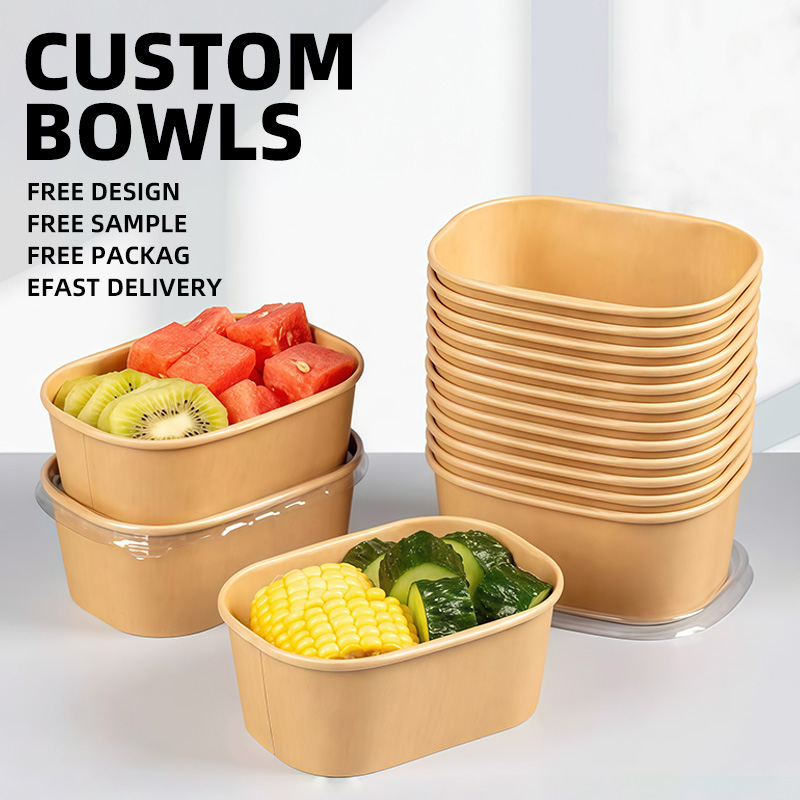
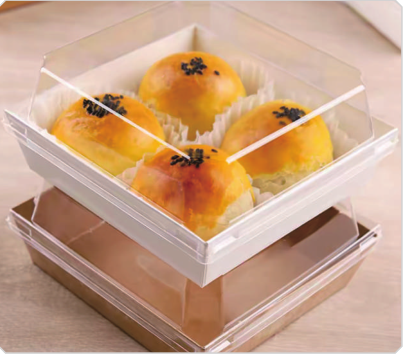
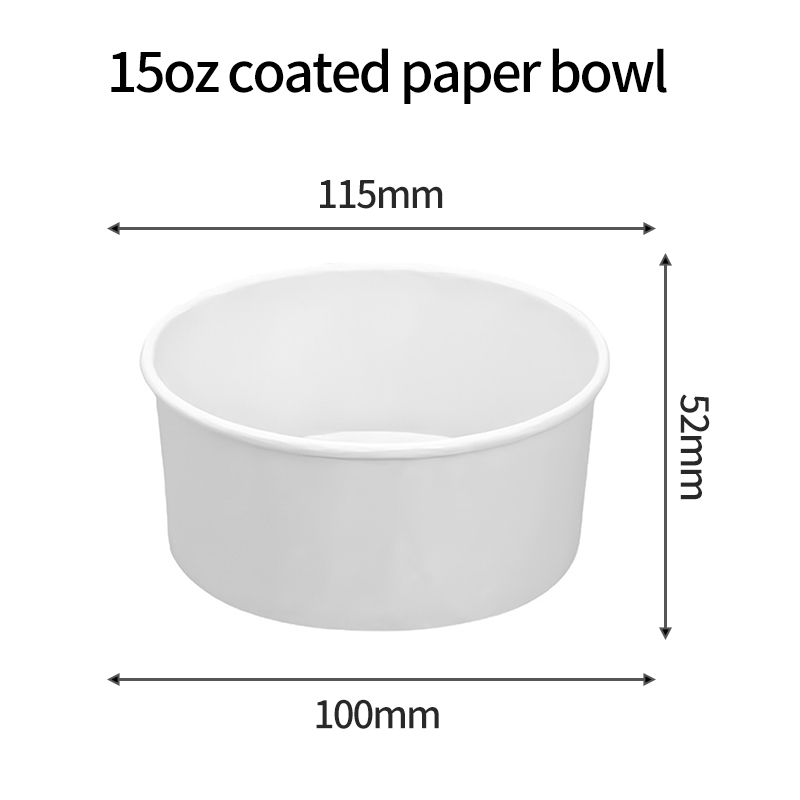
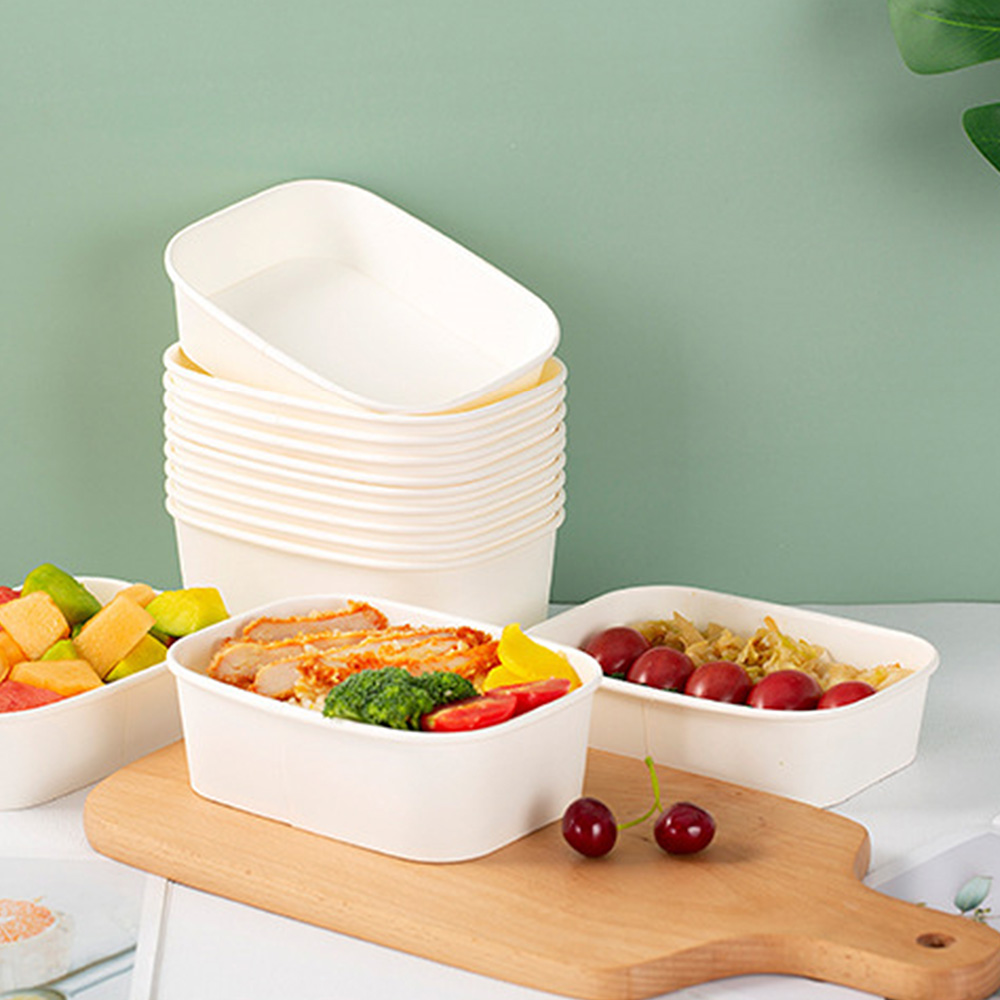
Future Purchasing Trends: The Next-Gen Takeaway Container Specification
Global regulatory compliance, carbon border adjustments, and ghost-kitchen logistics are rewriting commercial packaging requirements. Analyze the shifting benchmarks below.
Mono-Material Homogeneity (Recyclability)
International single-use plastic restrictions (such as EU PPWR and North American Extended Producer Responsibility frameworks) penalize unseparable multi-layer laminates. Commercial buyers are migrating en masse toward pure food-contact PP (Polypropylene) resin #5 and recyclable mono-layer substrates that integrate seamlessly into existing municipal recycling infrastructure.
- Elimination of carbon-black pigments to enable automated optical sorting (NIR)
- Zero chemical foaming additives to preserve polymer viscosity during mechanical recycling
- Complete compliance with FDA 21 CFR 177.1520 and EU Regulation 10/2011
High-Rigidity Thin-Wall Injection (IML Ready)
Freight and resin price fluctuations require minimizing raw gram weights without collapsing stacking tolerance. Advanced high-speed injection molds allow 0.45mm–0.60mm wall thicknesses while engineering vertical structural ribs that support a static top-load exceeding 25 kg. This ensures zero container collapse during stacked 45-minute motorbike delivery transit.
- In-Mold Labeling (IML) for scratch-proof, full-coverage photographic branding
- Snap-fit precision sealing preventing sauce seepage during high-vibration logistics
- Microwave-safe resilience handling hot oil spikes up to 120°C (248°F)
Barrier Coated Bio-Polymers & Hybrid Formats
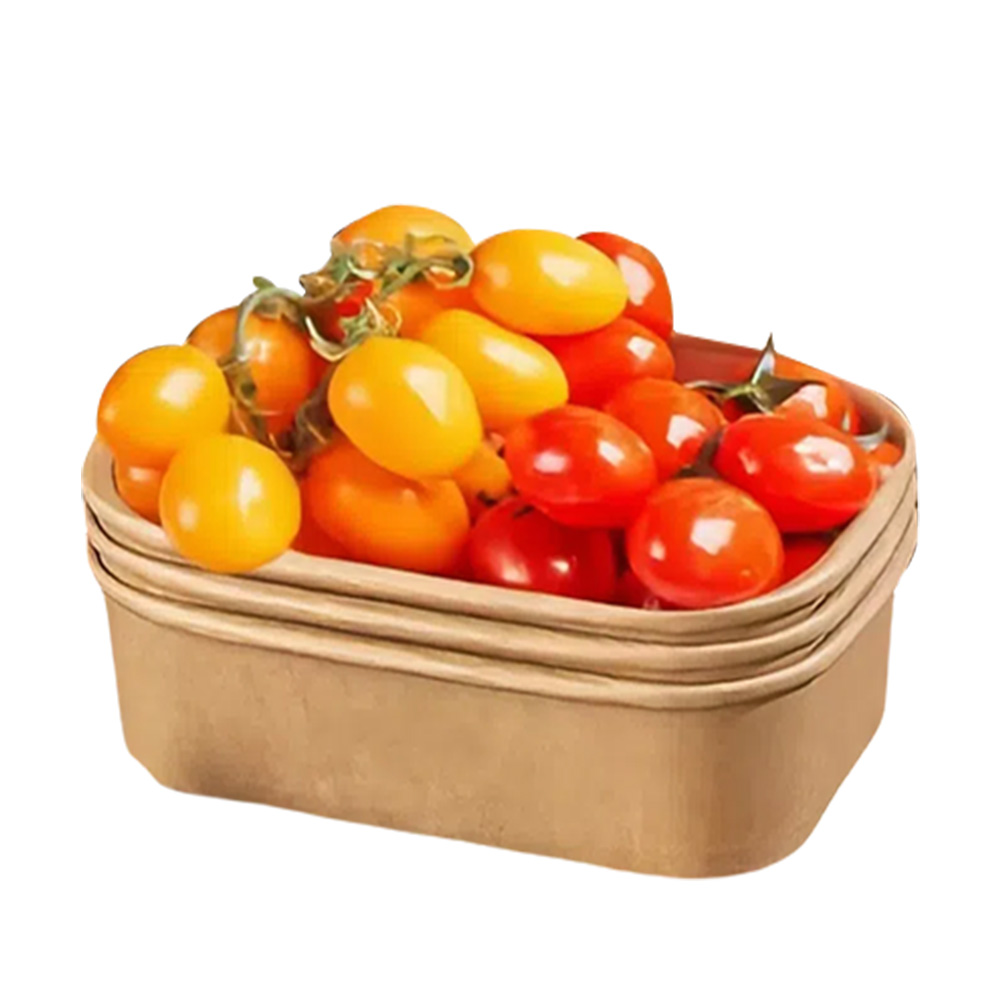
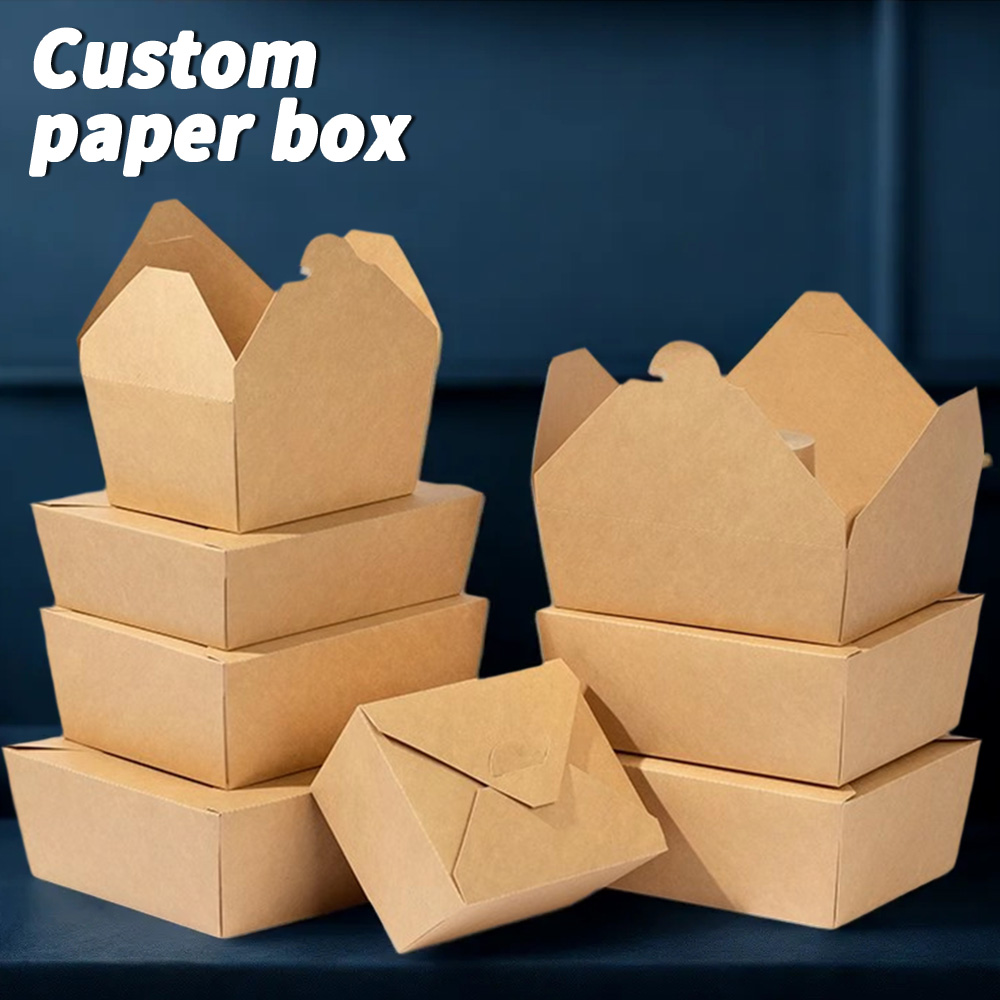
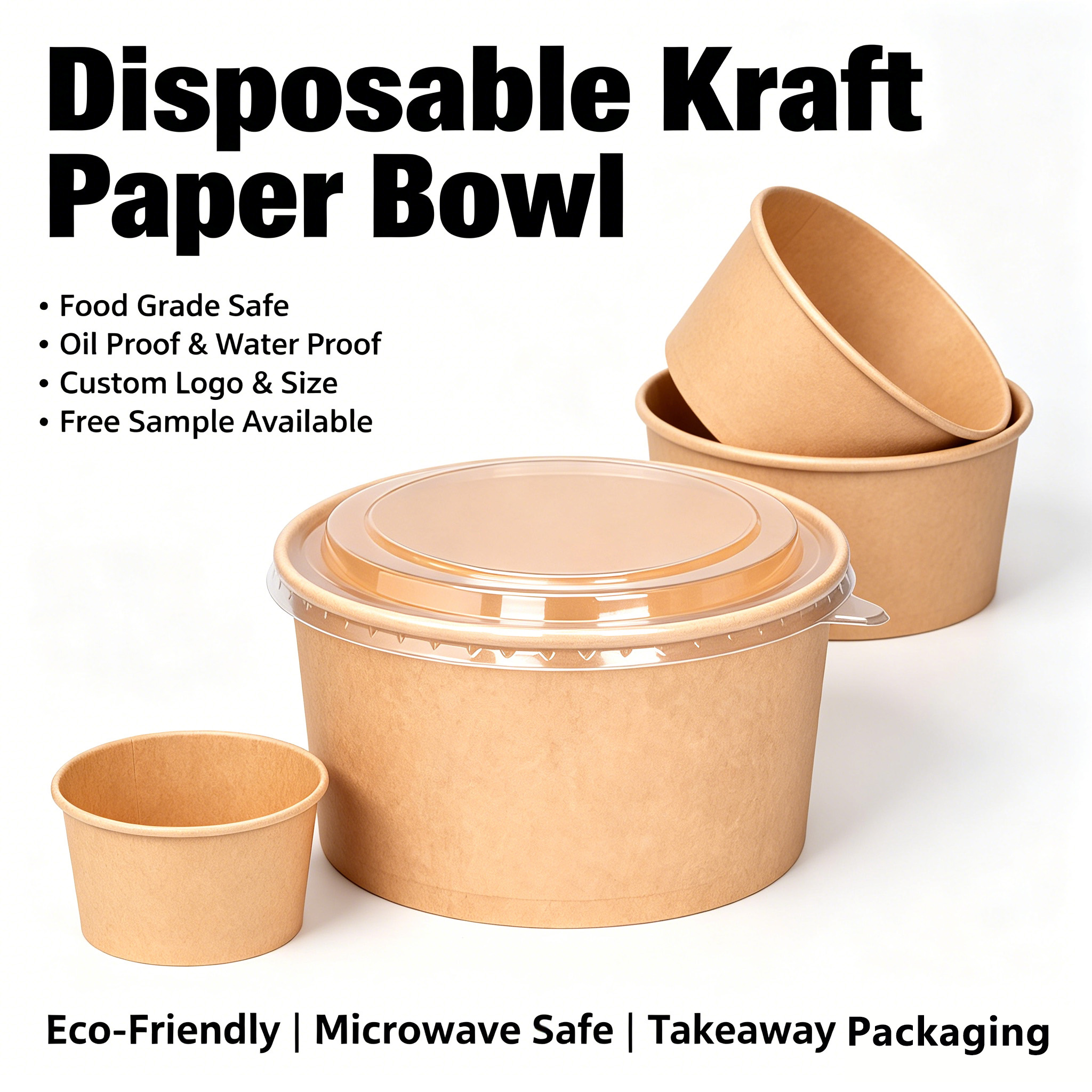
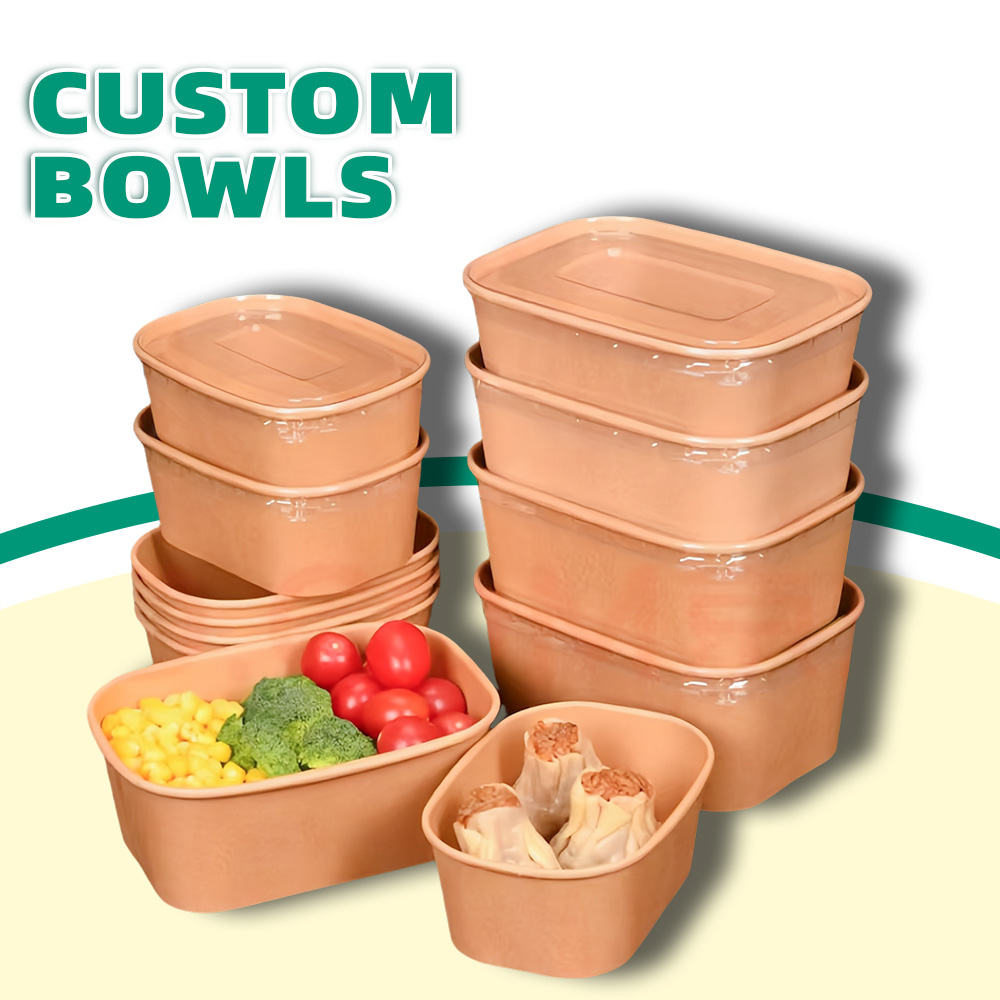
For brands bridging consumer demand for paper aesthetics with leak-proof plastic performance, hybrid designs have become dominant. By uniting virgin kraft paperboard bases with crystal-clear anti-fog PET/PP thermoformed lids, menus display high optical transparency for chilled retail presentation while utilizing internal aqueous or PLA dispersion barriers.
- PFAS-free / fluorine-free oil and grease resistance (KIT level 9+)
- Anti-fog vented lids preserving structural crispness of fried foods
- Industrial composting and high repulpability yields
Comparative Performance: Takeaway Packaging Polymers & Substrates
Selecting the optimal container grade requires aligning menu thermodynamics, fat/acid composition, transit durations, and regional recycling frameworks. Evaluate core industrial options below.
| Polymer / Substrate Grade | Thermal Window | Grease & Moisture Barrier | Optical Clarity | Supply Chain Advantage |
|---|---|---|---|---|
| Food-Grade PP (Polypropylene) | -20°C to +120°C (Microwave Safe) | Excellent (Impervious to hot oils & boiling broths) | Translucent to Solid Opaque | Lowest total cost per unit; high impact strength; curbside recyclable (#5). |
| Thermoformed PET (APET) | -40°C to +65°C (Cold Chain Only) | High barrier against oxygen and vapors | Ultra-Clear (Glass-like 92% transmission) | Premium visual impact for sushi, cold salads, and bakery retail cases. |
| Aqueous-Coated Kraft Board | -10°C to +100°C (Short heating) | High (Water-based dispersion barrier) | Natural Rustic Kraft Finish | 100% repulpable in standard paper recycling mills; plastic-tax exempt. |
| PLA-Lined Virgin Paperboard | -10°C to +85°C | High grease resistance; moderate moisture barrier | Natural Kraft or Bleached White | Bio-based plant starch lining; certified for EN 13432 industrial composting. |
Why Tier-1 Importers Partner With Luohe Temip Plastic Products
Operating from China's central food-processing capital in Luohe, Henan, Temip combines verifiable manufacturing compliance, advanced mechanical toolshops, and structured export logistics.
SGS On-Site Audited
Our complete 2,200 m² production facility has passed full on-site evaluation by SGS Group, certifying operational transparency, worker safety protocols, and calibrated industrial instrumentation.
Fortune 500 Qualified
Temip is an audited vendor supplying leading multinational QSR chains and Fortune 500 foodservice entities, proving our capability to maintain strict dimensional repeatability over multi-million-piece contracts.
Strict In-House Lab Testing
Raw polypropylene pellets and coated boards undergo incoming resin density verification, drop impact analysis, rim seal torque tests, and automated continuous hot-oil leakage screenings.
Full OEM/ODM Engineering
From initial rapid 3D CAD modeling and CNC prototype sampling to multi-cavity injection molds and custom high-speed flexographic/offset printing lines, your custom SKU reaches production in record time.
Frequently Asked Questions: B2B Takeaway Container Sourcing
Real-world insights directly addressing shipping economics, customs certification, custom tooling cycles, and food-contact compliance.