Precision-Engineered Food Containers & Salad Packaging Lines
Engineered to eliminate perimeter leakage, maintain crystalline visual merchandising, and sustain rigorous commercial delivery conditions.

Precision Polymer Architecture in Fresh Salad Packaging
In commercial food service, ready-to-eat (RTE) salads present an intricate preservation challenge. Unlike simple dry or deep-fried foods, fresh produce continually respires, emitting moisture, organic volatile compounds, and minute levels of ethylene gas. Simultaneously, cold salad dressings combine acidic vinegars, emulsified citrus components, and vegetable oils that trigger environmental stress cracking (ESC) in inferior polymers. Sourcing managers working with an elite China plastic salad bowls manufacturer must move past basic price benchmarks to evaluate resin purity, polymer density, thermal processing stability, and lid-to-rim dimensional retention under refrigeration.
At Luohe Temip Plastic Products Co., Ltd., our thermoforming lines operate with ultra-tight tolerance standards (±0.12mm) to ensure perimeter locking remains hermetic during multi-drop cold chain distribution. Standard commodity bowls frequently fail because uneven wall caliper creates localized flex under the weight of salad dressings. By maintaining automated computerized inline wall-thickness measurement across the container base, corner radius, and top rim, our facilities produce commercial food bowls that withstand top-load compression during stacking while delivering crystal-clear retail presentation.
| Polymer Variant | Clarity Level | Thermal Range | Lipid / Acid Barrier | Circular Economy Profile |
|---|---|---|---|---|
| Virgin Polypropylene (PP) | Translucent to High-Clarified | -20°C to +120°C (Microwaveable) | Exceptional (Resists Oils/Vinegars) | Class 5 Polypropylene Recyclable Stream |
| Polyethylene Terephthalate (PET) | Ultra-Clear (Glass-like) | -40°C to +60°C (Cold-Chain Only) | Excellent Gas & Moisture Barrier | Class 1 Widely Recycled Globally |
| Recycled rPET (Up to 100%) | Near-Virgin Optical Grade | -40°C to +60°C (Cold-Chain Only) | High Chemical Stability | Post-Consumer Circular Loop |
| Poly-Lactic Acid (PLA) / Hybrid | High Transparency | -10°C to +45°C | Moderate (Oily dressing threshold) | Industrial Composting Compliant |
Critical Sourcing Trends Defining the 2025–2030 Horizon
How international corporate buyers and quick-service restaurant (QSR) enterprises are restructuring vendor matrices.
Caliper Optimization & Light-Weighting
High-speed production tooling now focuses on structural ribbed geometries that reduce virgin plastic usage by 12% to 18% without sacrificing structural top-load durability during palletized transit.
Anti-Fog Surfactant Compounding
Retail display integrity demands specialized food-safe masterbatch additives that break surface tension, preventing condensation micro-droplets from clouding the consumer view of pre-packaged salads.
Global Regulatory Compliance Traceability
Procurement guidelines enforce strict chemical migration compliance. Importers prioritize facilities maintaining batch-level documentation for European Regulation (EU) No 10/2011 and US FDA 21 CFR 177.1520.
In response to extended producer responsibility (EPR) legislation across North America and Europe, buyers are shifting away from uncertified broker networks. The emphasis is on direct engagement with primary manufacturers capable of executing customized mono-material programs. When both the bowl structure and the thermoformed lid utilize identical resin families (PP-on-PP or PET-on-PET), curbside processing is simplified, eliminating multi-stream sorting friction for end-users while meeting environmental sustainability targets.
Technical Development Vectors in Modern Salad Container Fabrication
The disposable salad container market is undergoing an engineering transition driven by automated assembly, omnichannel delivery platforms, and specialized meal-kit prep requirements. Modern containers can no longer function merely as passive vessels; they must act as active components of food safety and shelf-life extension.
Integrated Dressing Inserts
Multi-tier modular packaging separates high-moisture greens from liquid condiments, preventing wilting and extending sell-by timelines by 36 to 48 hours in refrigerated grab-and-go displays.
Tamper-Evident Perimeter Locks
Built-in tear-strip latches provide unambiguous proof of freshness and eliminate secondary heat-shrink sleeves or manual tamper-evident paper labels, accelerating line packaging speeds.
Hybrid Paper-Plastic Synergy
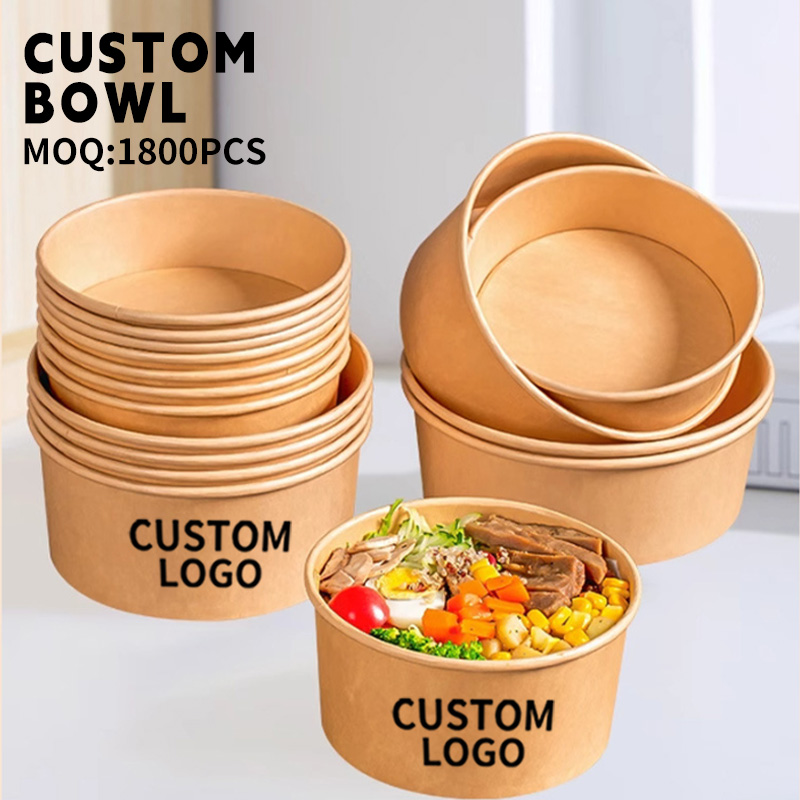
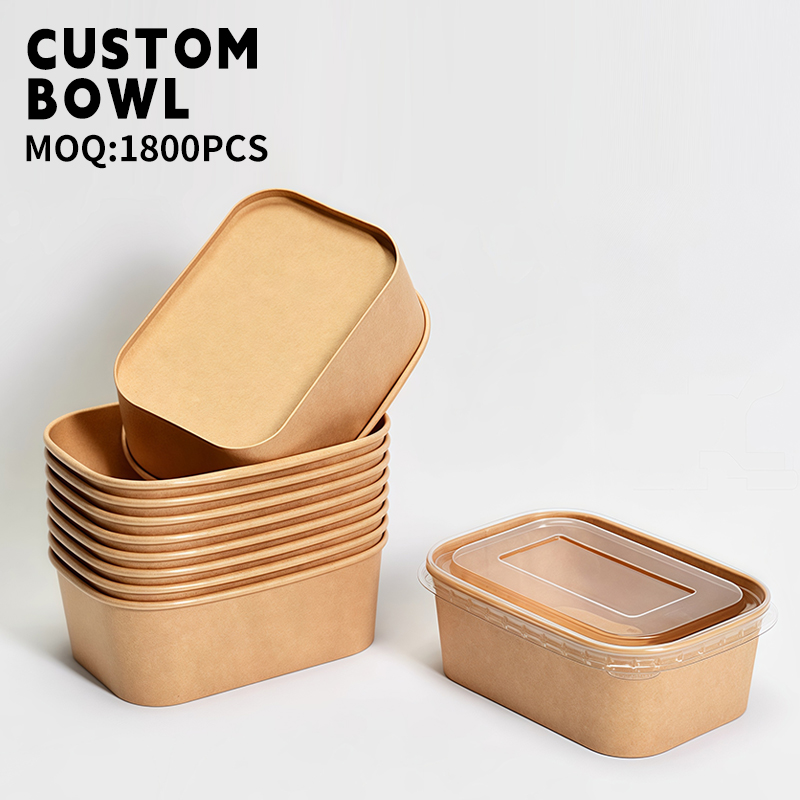
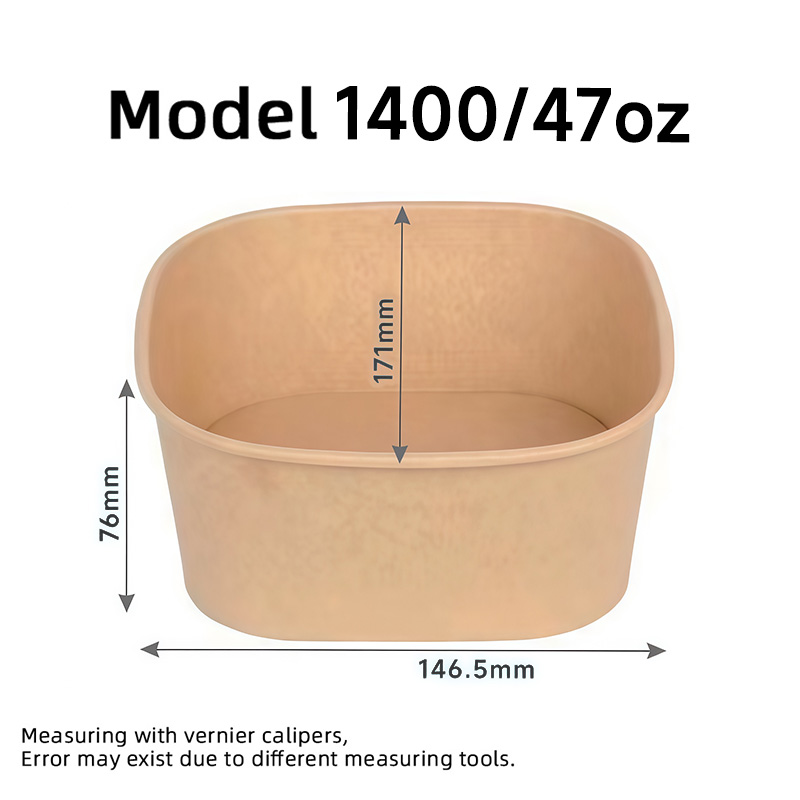
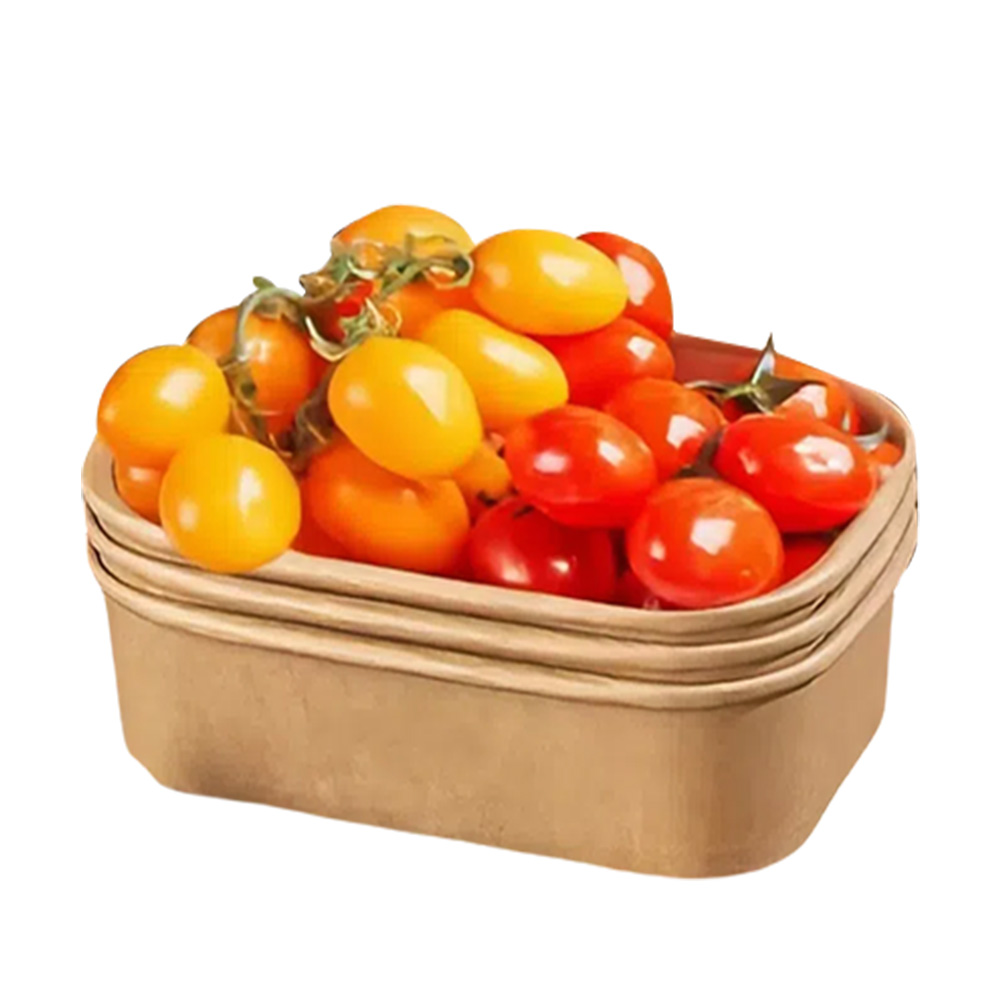
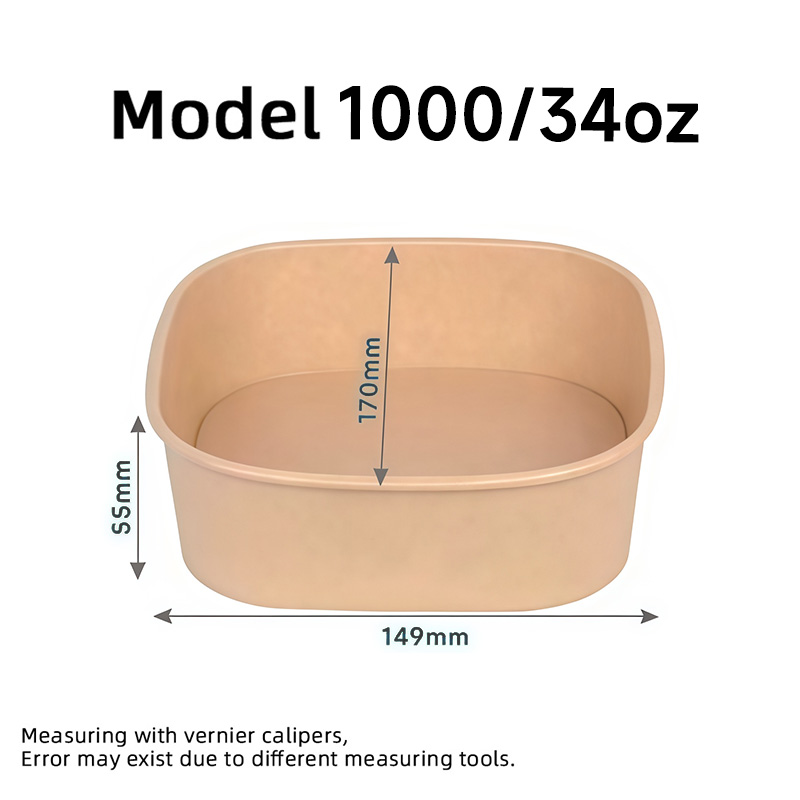
Marrying high-caliper biodegradable unbleached kraft bases with crystal-clear recycled PET lids delivers natural eco-appeal while providing full visual confirmation of ingredient freshness.
Verified Operational Strengths of Luohe Temip Plastic Products Co., Ltd.
Strategically located within China's primary food processing corridor in Henan province, engineering packaging tested under real food industry conditions.
SGS On-Site Audited
Full manufacturing compliance verified by SGS Group, confirming standardized raw material inspection, advanced traceability controls, and international production management protocols.
Fortune 500 Supply Experience
Demonstrated manufacturing and supply capabilities serving Fortune 500 enterprise networks with multi-SKU fulfillment, consistent batch uniformity, and punctual export schedules.
Full-Spectrum OEM / ODM
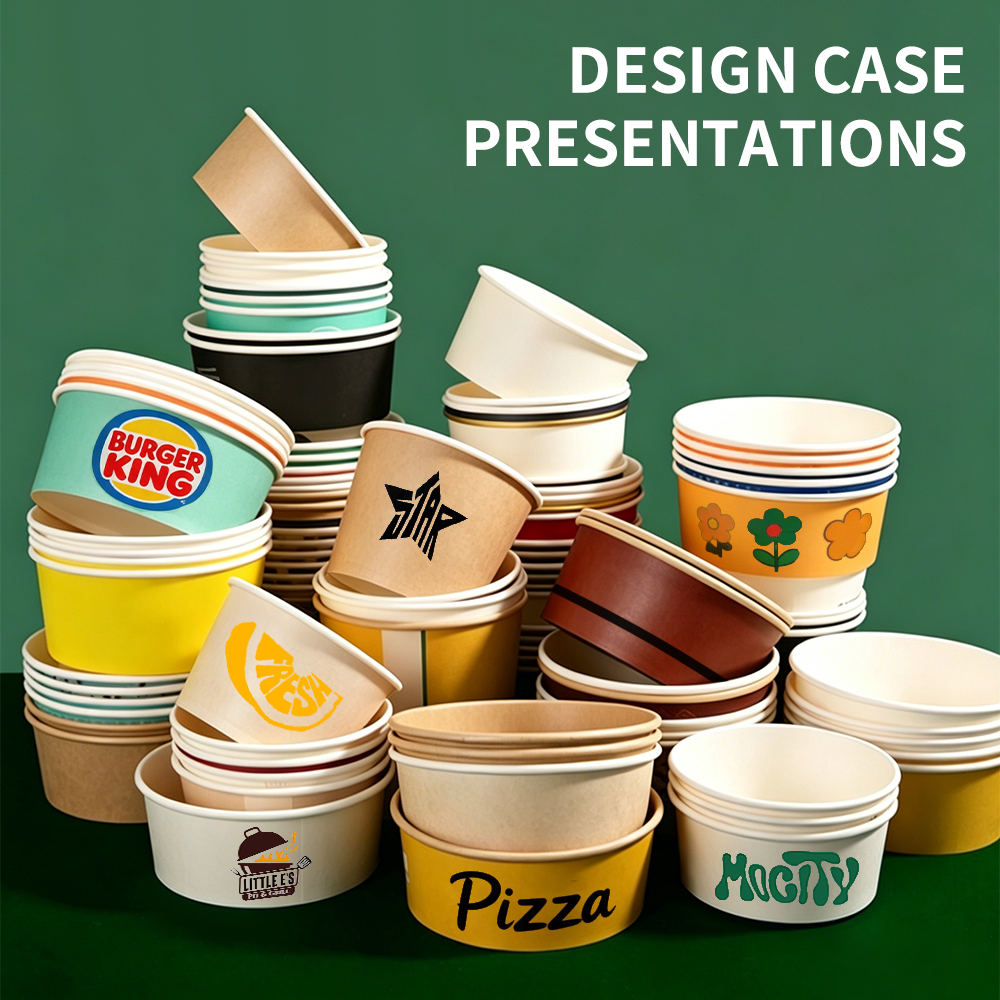
Sample-based, blueprint-based, and complete greenfield tooling design capabilities supported by our dedicated R&D engineering department and prototyping laboratories.
Rigorous In-House QC Protocols
Every batch undergoes drop testing, stack compression evaluation, liquid leakage testing, and thermal deflection checks before export packing approval.