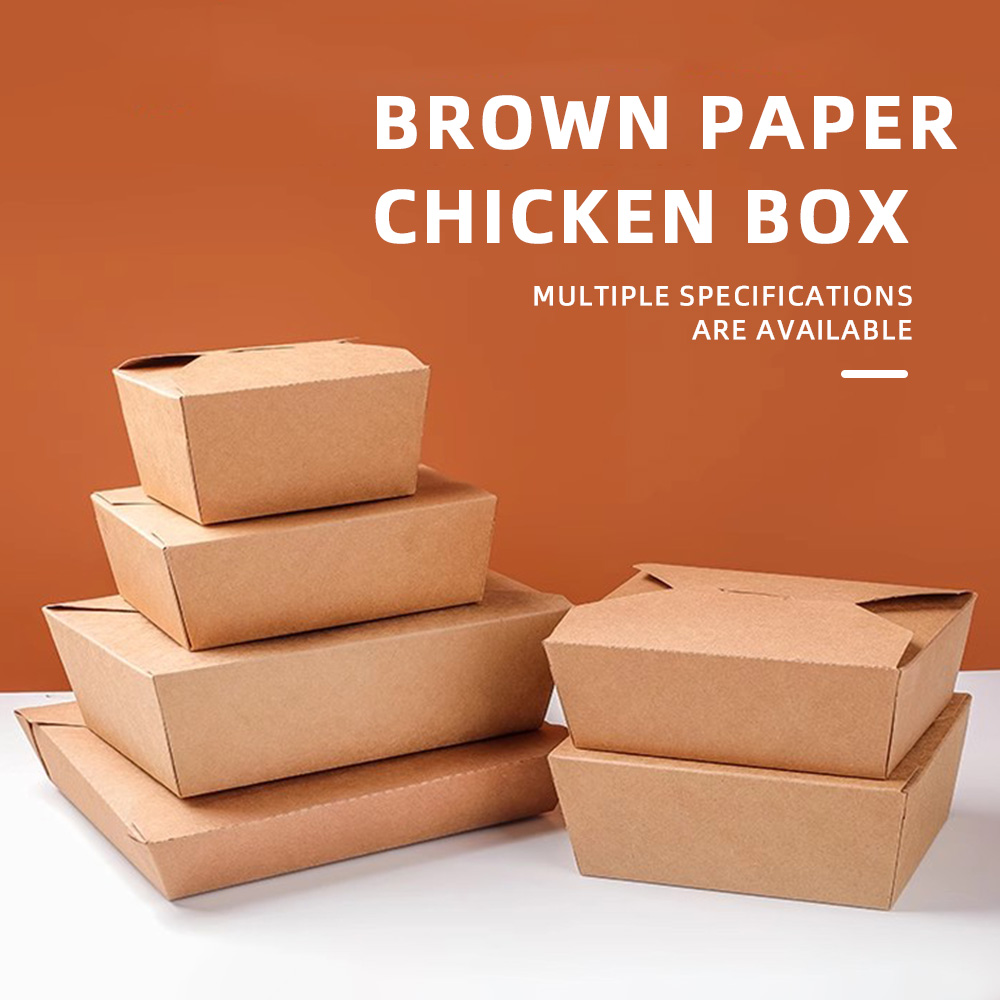
Custom Logo Foldable Takeout Food Boxes
- Food-grade virgin fiber unbleached board
- Anti-oil leakage PE/PLA interior barrier
- High-speed interlocking locking flaps
Precision-molded food packaging solutions designed for mechanical strength, stacking integrity, leak resistance, and maximum brand visual appeal across global fast-casual dining and meal subscription networks.
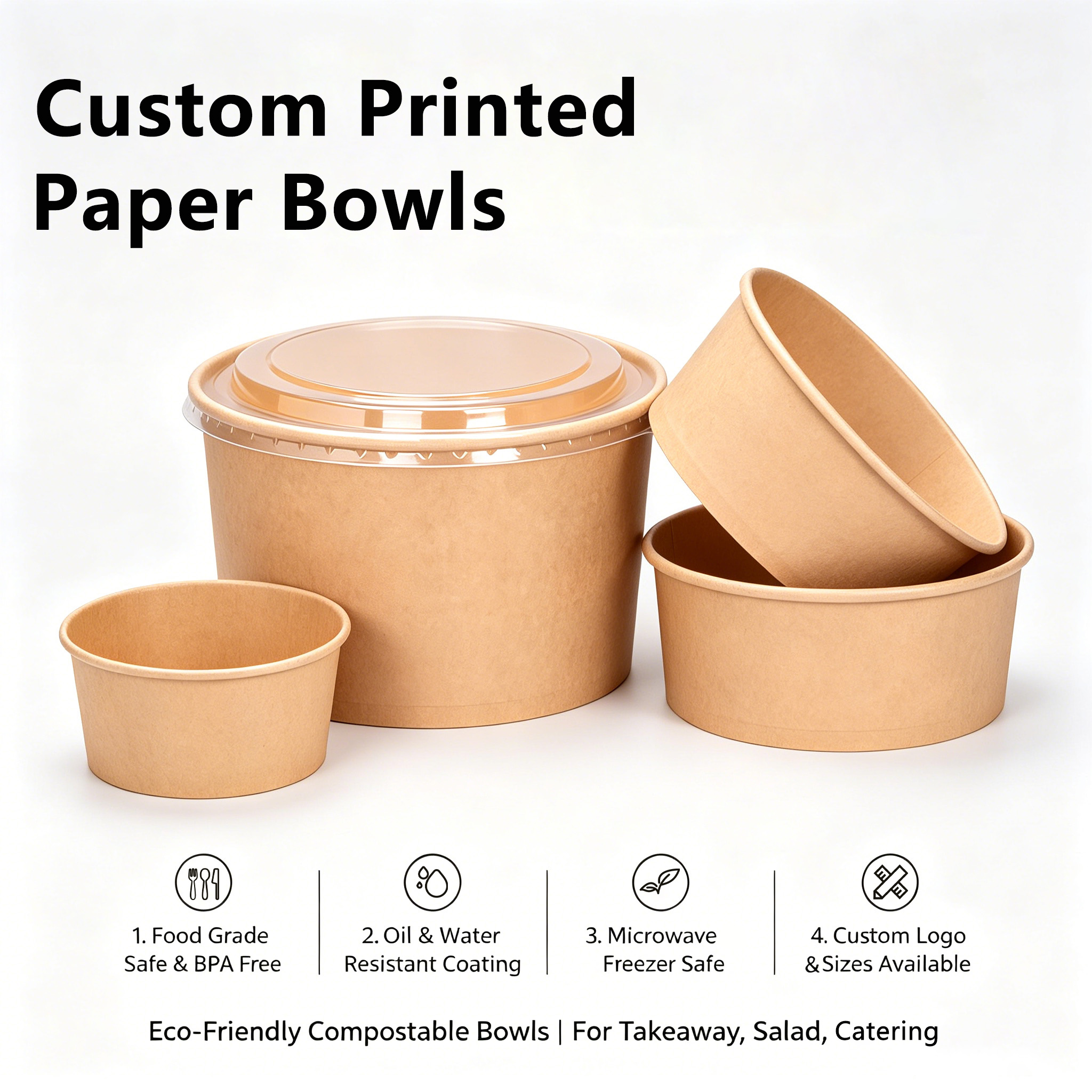
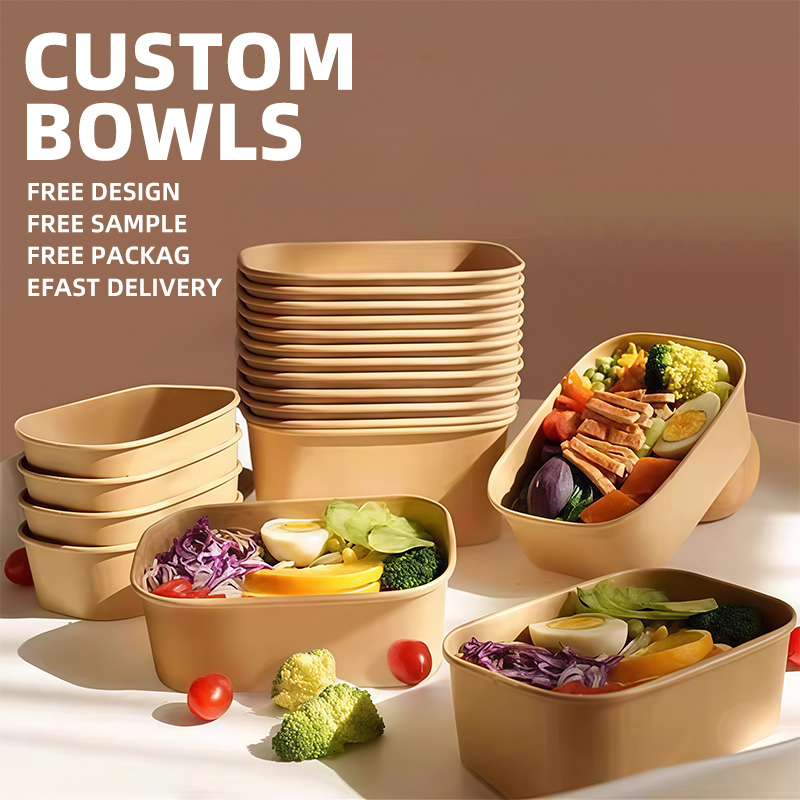
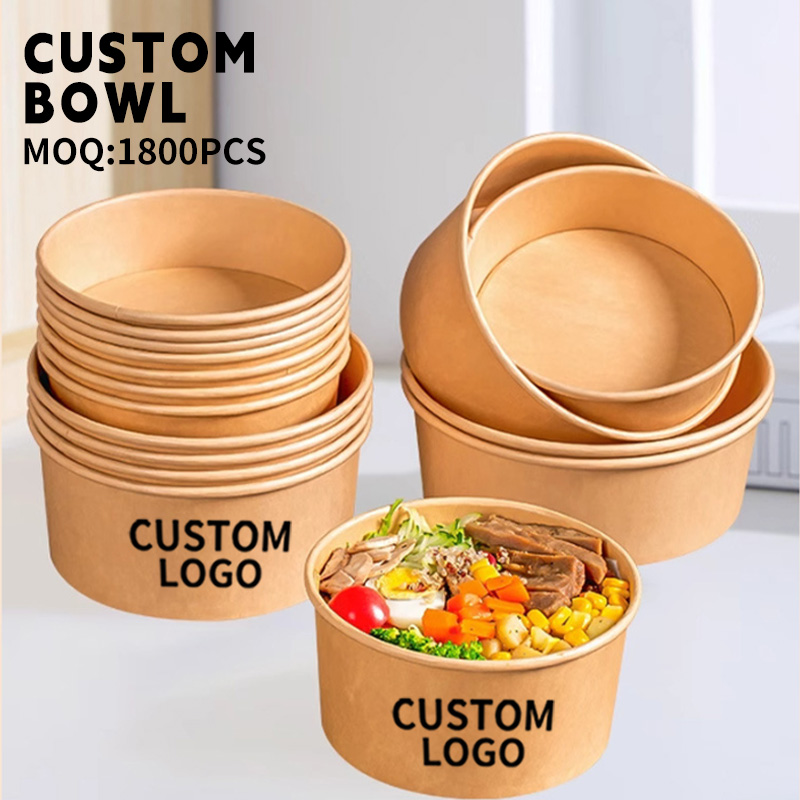
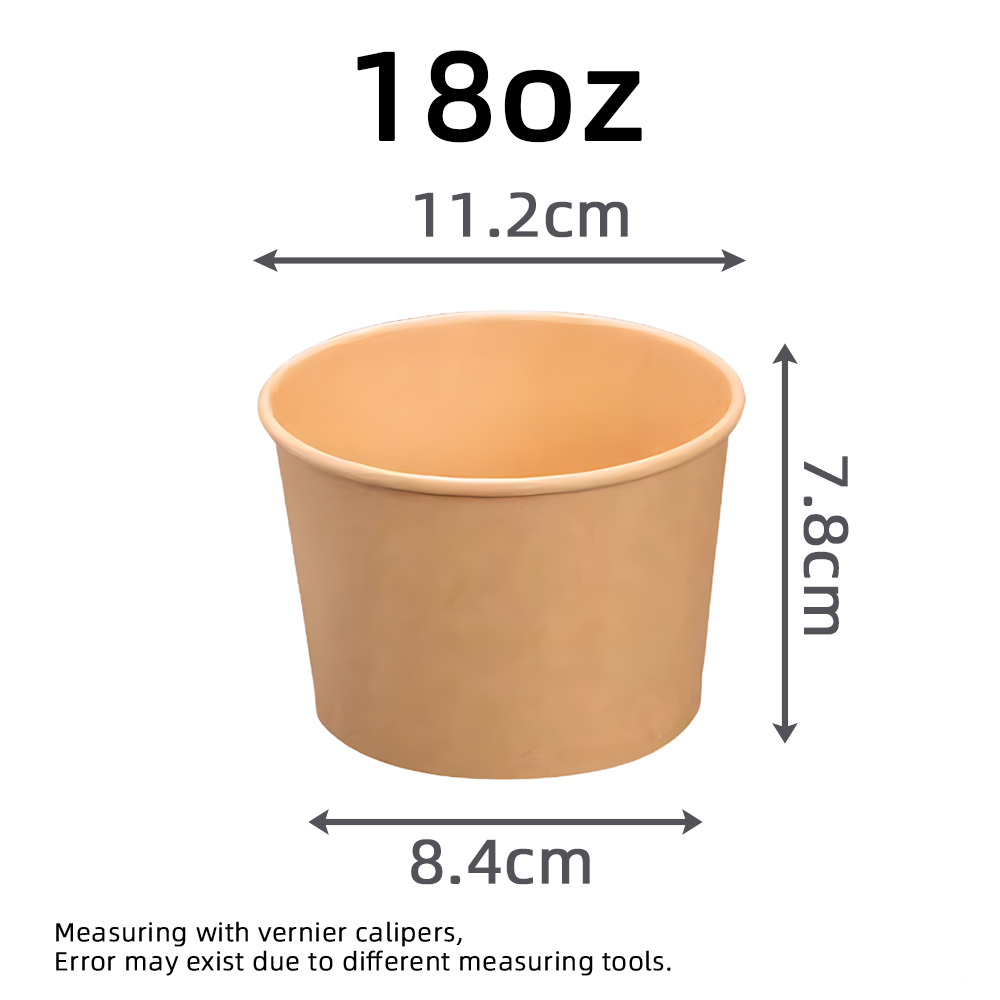
In modern commercial meal packaging, product failure at the consumer stage is overwhelmingly caused by a divergence between thermal-chemical exposure and polymer grade selection, rather than superficial mold defects.
When sourcing China best plastic meal prep containers manufacturers & suppliers, B2B procurement leaders must analyze structural specifications beyond basic unit cost. Contemporary meal prep logistics—spanning blast freezing at -20°C, direct microwave heating up to 120°C, aggressive acidic dressings, and prolonged multi-tier motorcycle delivery stacking—demand calibrated polymer formulations. Polypropylene (PP, Resin Identification Code 5) remains the undisputed gold standard for hot and reusable prep applications due to its high crystalline melting point (~160°C), absence of Bisphenol-A (BPA), and superior flexural modulus.
| Polymer Substrate / Structure | Thermal Range | Oxygen / Moisture Barrier | Oil & Acid Resistance | Target Foodservice Application |
|---|---|---|---|---|
| Clarified Copolymer Polypropylene (PP) | -20°C to +120°C | Moderate O2 / High H2O | Exceptional (Aliphatic & Esters) | Multi-compartment meal prep, hot gravy, soup, sous-vide reheating. |
| High-Clarity Amorphous PET (A-PET) | -40°C to +65°C | High O2 / Moderate H2O | Good (Cold oils only) | Cold salads, sushi, poké bowls, cut fruit, ambient grab-and-go. |
| Barrier-Lined Virgin Kraft Board | -10°C to +100°C | Moderate (Depends on lining) | Superior with PLA/PE Barrier | Artisanal dry/semi-moist catering, street food, fried chicken boxes. |
| Post-Consumer Recycled PP (rPP Blends) | -10°C to +110°C | Moderate O2 / High H2O | High | Closed-loop corporate catering, circular economy municipal mandates. |
Combining the heavy raw-material agglomeration advantages of Henan's central food-processing valley with strict export-driven quality control frameworks.
Years Specialized Precision Manufacturing
SGS-Inspected Production Workshop
Skilled Toolmakers & Production Specialists
Verified Multi-Year Global Buyer Rating
Situated on Jingyi Road inside the Dongcheng Industrial Agglomeration Zone (Zhaoling District, Luohe City, Henan Province), Luohe Temip Plastic Products Co., Ltd. thrives at the geographic core of China's most concentrated agricultural and food processing belt. Working side-by-side with global high-volume food processors has allowed our engineering staff to test container mechanics not merely on computerized stress models, but against harsh industrial filling lines, blast chilling chambers, and aggressive transportation conditions.
Our complete production footprint, worker welfare standards, and supplier QA pipelines have passed strict on-site inspection by SGS Group.
Documented OEM/ODM manufacturing records fulfilling large-scale recurring packaging contracts for Fortune 500 consumer brands.
Every incoming batch of virgin PP granules and food-grade barrier-coated paperboard undergoes melt flow index (MFI) and chemical migration screening.
Support for custom compartment arrangements (1, 2, 3, 4 cells), customized debossed lid branding, stackable denesting profiles, and automated robotic packaging.
Dedicated international export team coordinating full container load (FCL) optimization, anti-crush palletizing, pallet stretch-wrapping, and rapid customs clearance through Qingdao and Shanghai ports.
Regulatory mandates, supply chain decarbonization, and changing consumer habits are fundamentally altering how multinational brands purchase food prep inventories.
Global extended producer responsibility (EPR) regulations and plastic tax schemes in the European Union and North America are forcing brand owners to abandon complex multi-layer laminates. The market is shifting decisively toward mono-material PP ecosystems—where container, compartmentalized divider, and snap-on lid share the exact same polymer chemistry, eliminating sorting steps during mechanical post-consumer recycling.
As commercial kitchens and ready-to-eat (RTE) meal distributors adopt automated robotic dispensing lines, container tolerances must tighten significantly. Traditional hand-pack flanged designs are giving way to micro-engineered denesting step rims that ensure containers separate smoothly without suction locking or jamming automated filling equipment, speeding up production by over 30%.
With stringent global bans being enacted against polyfluoroalkyl substances (PFAS) in food-contact surfaces, paper-based meal packaging now demands modern barrier alternatives. Temip has engineered water-based dispersion barrier coatings and bio-derived PLA formulations that achieve complete resistance to boiling oil and acidic vinaigrettes without chemical fluorine or endocrine disruptors.
How precision injection molding, clarified nucleation additives, and boundary sealing solve historical real-world packaging vulnerabilities.
The historical problem with budget polypropylene meal containers was structural fragility under cold conditions and warped sealing channels under microwave radiation. Standard polypropylene homopolymers exhibit an amorphous glass transition phase around 0°C, causing corners to shatter when dropped from freezer heights during retail stocking. Furthermore, traditional flat snap-on lids frequently warped during microwave venting, releasing hot liquid during consumer carryout.
Modern precision engineering from certified Chinese manufacturers resolves these failure modes through three primary mechanical developments:
By blending random copolymer polypropylene with specialized organic nucleating agents, our injection molds achieve optical clarity nearing 85% haze reduction while maintaining impact ductility down to -25°C. Meals can be blast frozen, shipped across international cold chains, and defrosted without cracking.
Rather than relying on single-plane friction, high-grade prep containers feature an engineered double-grooved tongue-and-groove closure. The inner bead resists fluid hydrostatic pressure during shaking, while the outer latch locks around the curled container rim, creating a vapor-tight seal without needing secondary elastic gaskets.
Our lid designs integrate calibrated pressure-release vents that automatically open under internal steam accumulation during microwave cycles, preventing dangerous container explosions while stopping external airborne contamination when the meal returns to ambient temperature.
Essential guidance on mold development, compliance certifications, lead times, and quality assurance protocols for high-volume import programs.
All food containers manufactured at our Luohe facility comply with US FDA 21 CFR 177.1520 regulations for olephinic polymers and European Commission Regulation (EU) No 10/2011 on plastic materials intended to come into contact with food. Full overall and specific migration test reports (covering heavy metals, primary aromatic amines, and phthalates) conducted by SGS and Intertek are supplied with all export batches.
For off-the-shelf standard molds with custom brand sleeve packaging or single-color pad/flexo printing, our baseline MOQ is typically 10,000 to 20,000 units. For completely custom injection-molded geometries (custom compartments, proprietary dimensions, debossed logos), standard tooling amortization runs on production volumes of 50,000 to 100,000 units, with custom steel mold creation taking roughly 25 to 30 days.
Yes. Our heavy-wall clarified copolymer PP meal prep containers are designed for 50+ commercial dishwasher wash cycles without exhibiting stress clouding, thermal deflection, or seal degradation. The structural ribbing along the base and corners resists high-temperature residential and industrial rinse cycles up to 85°C.
We avoid brittle low-grade homopolymers for freeze-grade product lines. By using premium impact-copolymer resins engineered with an ethylene monomer elastomer phase, the container retains exceptional shock-absorption and ductility down to -20°C, passing standard 1.2-meter drop tests while holding dense frozen foods.
Standard mass production lead time for full 40-foot high-cube (40'HQ) containers is between 15 and 22 business days following final digital artwork sign-off and deposit receipt. With direct rail and highway links from our Luohe factory to Qingdao, Tianjin, and Shanghai ports, port staging is completed within 48 to 72 hours of production packing.
Shipping costs are heavily influenced by volumetric weight. Our packaging design team calibrates sidewall draft angles (typically 3° to 5°) and recessed rim heights to maximize stack nesting density. A standard 40'HQ container can accommodate up to 35% more units compared to generic bulk packaging, significantly reducing international shipping costs per piece.
Partner with an SGS-verified custom manufacturer in Luohe, Henan. Whether you require standard multi-compartment meal prep containers, high-clarity takeout bowls, or custom tooling with low MOQ thresholds, our engineering team is ready to deliver precise quotations and rapid prototype samples.