Featured Commercial Disposable Deli & Takeout Food Containers
Engineered from premium virgin kraft, certified bleached food-grade board, and heat-resistant polypropylene. Rigorously tested for oil-proofing, moisture lock, structural rigidity, and automated de-nesting.
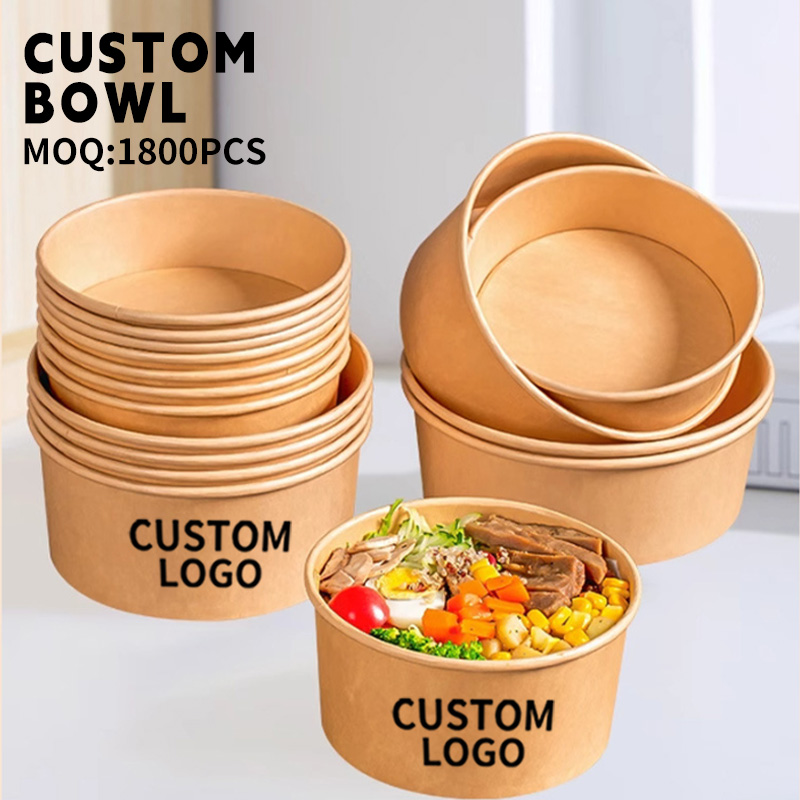
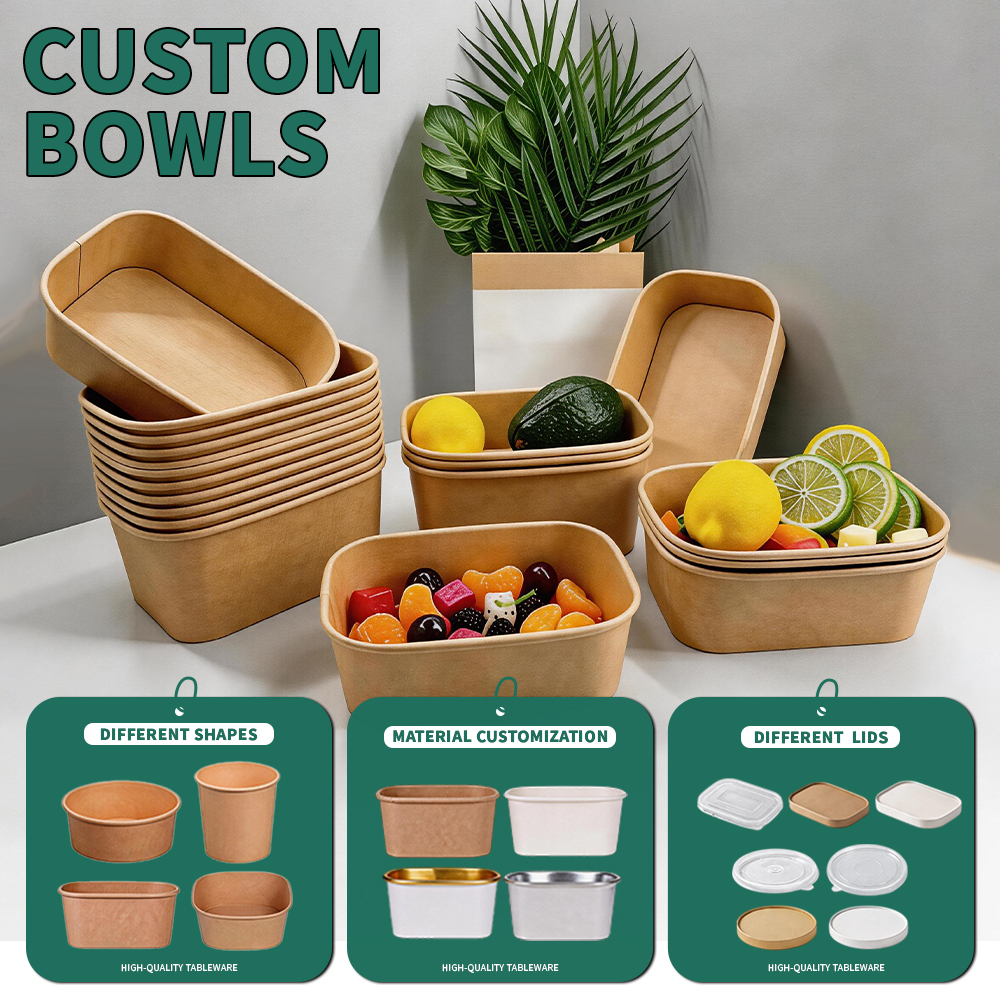
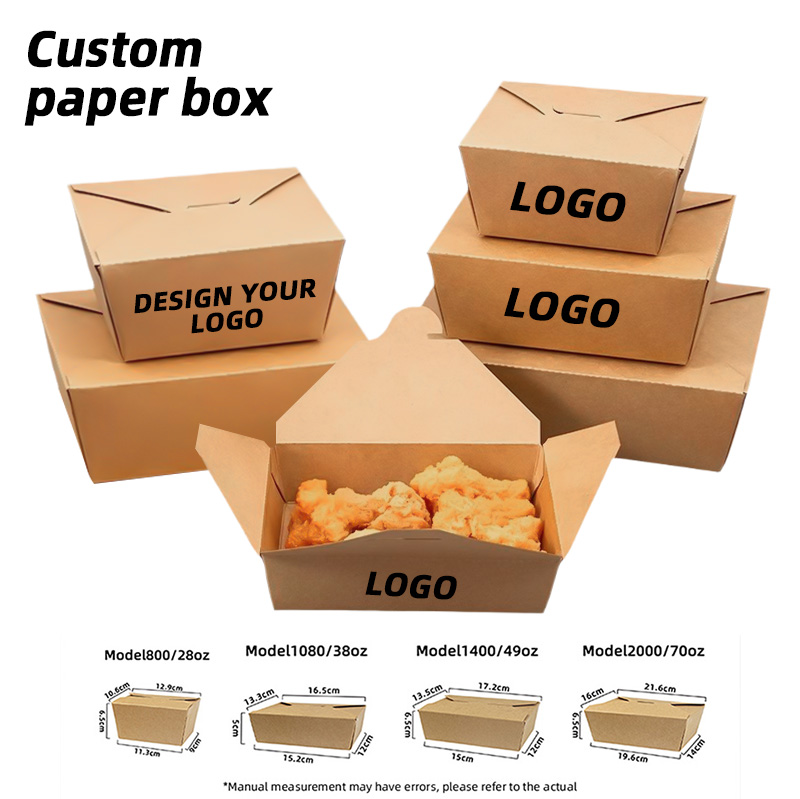
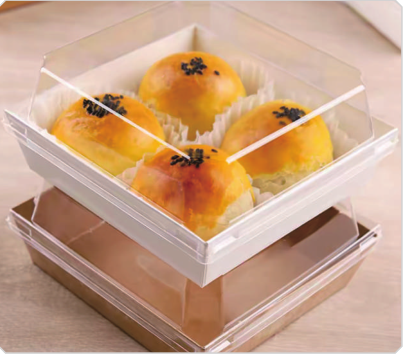
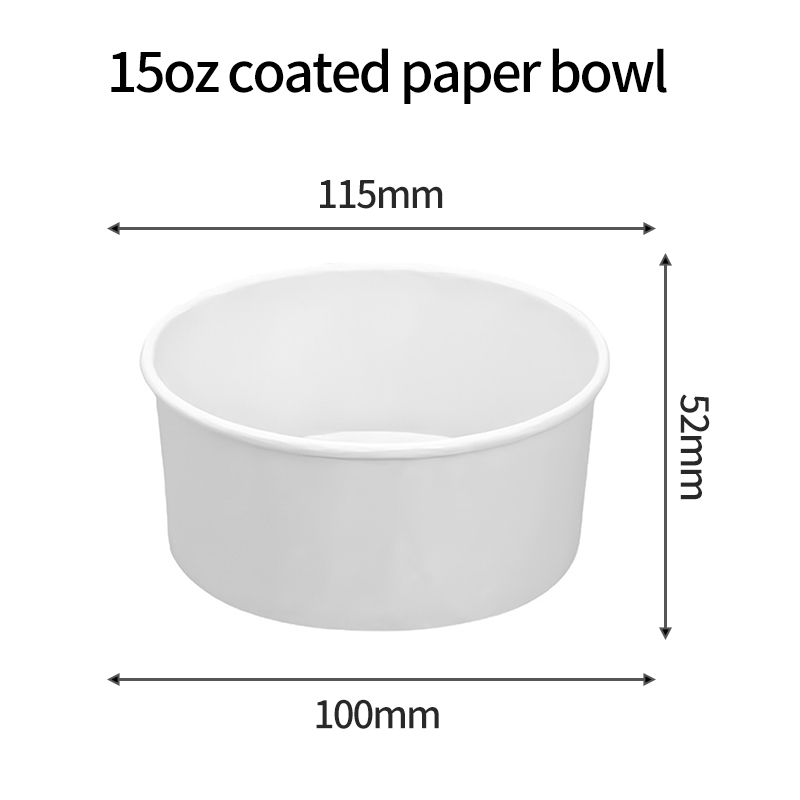
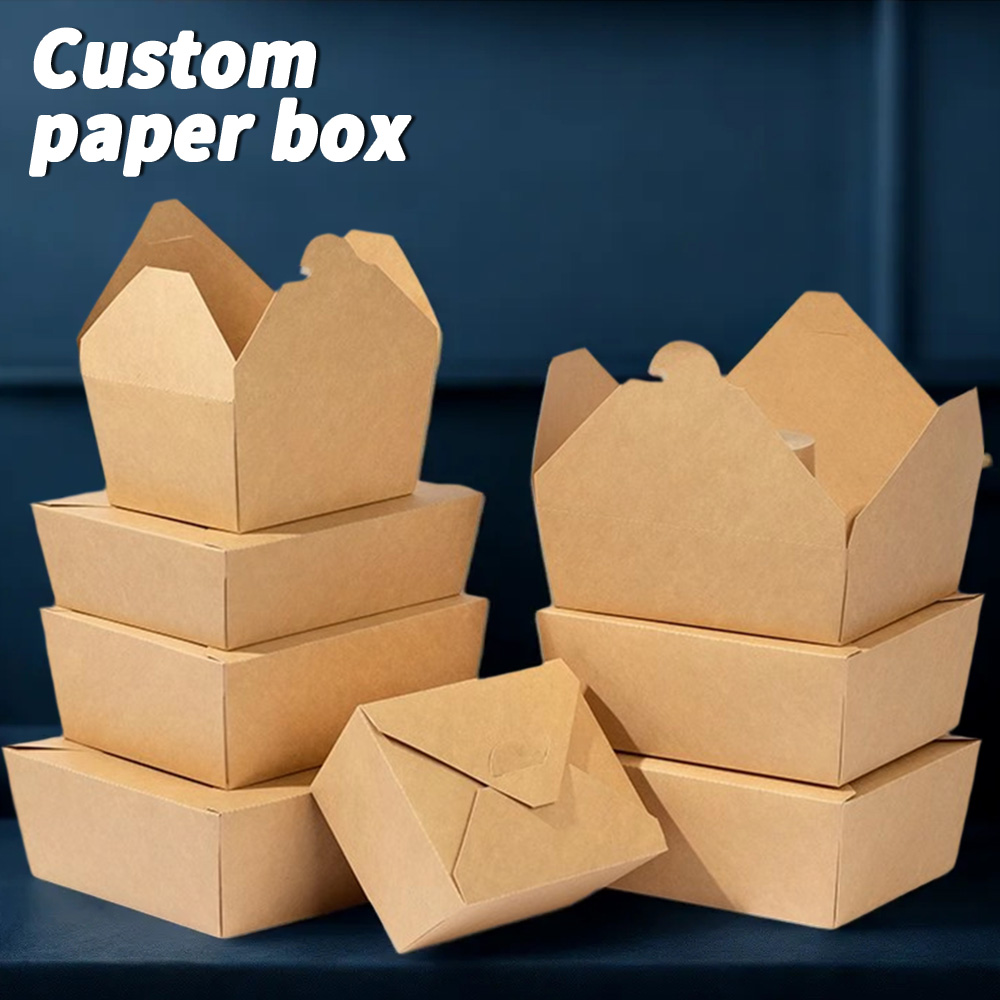
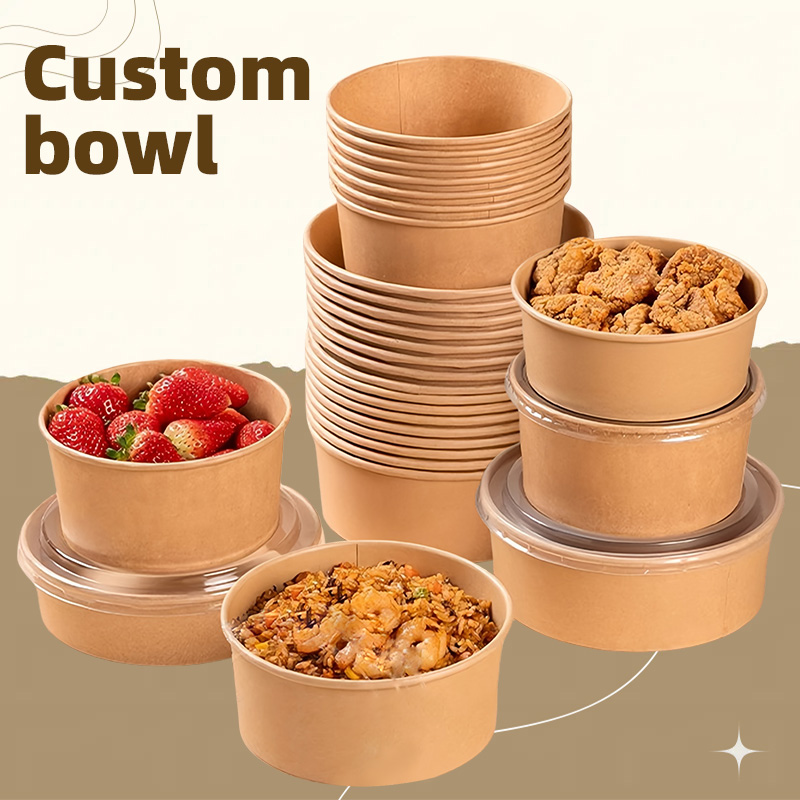
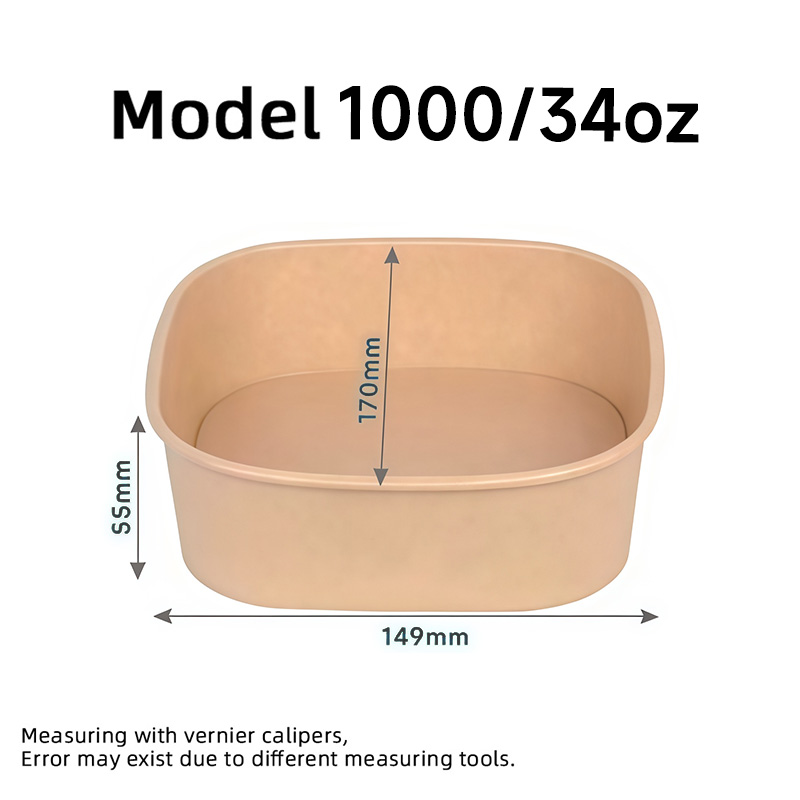
Engineering Principles of Modern Commercial Deli Packaging
As municipal single-use plastic bans expand across North America, the EU (Directive 2019/904 SUPD), and Australasia, deli container procurement is experiencing an unprecedented structural pivot. Below is our engineering analysis of substrate migration, hydrostatic barrier thresholds, and structural load performance.
Aqueous Dispersion vs. Traditional Polyethylene (PE)
Standard deli bowls historically relied on 15–20 gsm extruded LDPE film for liquid containment. While cost-efficient, polyethylene requires complex mechanical separation during repulping. Our modern facility integrates water-based polymer dispersion coatings (WBC). These micron-thin barrier layers diffuse directly into the cellulose fibers during formation, delivering oil resistance (Kit value > 8) and liquid holdup up to 95°C, while retaining certified re-pulpability under PTS and standard mill hydrapulper protocols without toxic microplastic shedding.
Calendering & Edge-Wick Prevention Architecture
In cold deli counters housing vinegar dressings, cold-pressed olive oils, and sodium marinades, packaging failure predominantly begins at raw cut edges. Our proprietary edge-skiving and ultrasonic perimeter welding technology folds cut edges inward or seals them with heated hem presses. This stops capillary oil migration ("edge-wicking"), ensuring structural hoop stiffness even after 72 hours of refrigerated holding at 4°C.
De-Nesting Automation & Lid Hermeticity
For high-throughput central commissaries and automated packaging lines, container jamming results in expensive downtime. We engineer precision nesting ribs and draft angles into container side-walls. Matched with cold-crack resistant thermoformed PET and micro-vented PP snap lids, our deli containers deliver a hermetic audible lock that resists vertical drop impacts of 1.2 meters without perimeter seal rupture.
Technical Benchmark Matrix: Substrate Comparison
Match packaging materials to temperature profiles, mechanical demands, and regulatory targets.
| Material Category | Thermal Tolerance | Grease / Oil Barrier | Vapor Transmission (WVTR) | Primary Disposal Stream | Procurement Recommendation |
|---|---|---|---|---|---|
| Virgin Kraft + PE Extrusion | -20°C to +100°C | High (Kit 10) | Low (< 25 g/m²/day) | Standard Landfill / Incin. | Budget takeout, hot gravies, high moisture stews |
| Kraft + Aqueous Water-Based (PFAS-Free) | -10°C to +90°C | Medium-High (Kit 8) | Moderate (< 45 g/m²/day) | Standard Paper Recyclable | EU/US compliant retail delis, salads, dry bakery |
| Bio-PLA Lined Paperboard | -15°C to +50°C (Cold only) | High (Kit 11) | Very Low (< 15 g/m²/day) | Industrial Compost (EN13432) | Fresh salads, cold poke bowls, organic supermarket brands |
| Polypropylene (PP) Homopolymer | -20°C to +120°C (Microwaveable) | Exceptional (Kit 12) | Near Zero (< 5 g/m²/day) | Curbside Plastic #5 | Re-heatable meal prep, hot barbecue meats, curry delis |
| Recycled PET (rPET) Clear Resin | -40°C to +65°C | High (Kit 12) | Very Low (< 12 g/m²/day) | Curbside Plastic #1 | Chilled cut fruits, gourmet delicatessen, sushi platters |
Future Procurement Trends for Disposable Deli Packaging
Global supply chain leaders face stricter regulatory standards and carbon accountability. Here are four procurement shifts shaping contracts through 2030.
1. Total Elimination of Intentionally Added PFAS
Regulatory crackdowns across 12+ US states (including California AB 1200 and New York Environmental Conservation Law) and the upcoming ECHA restriction in Europe ban per- and polyfluoroalkyl substances (PFAS) in food packaging. Sourcing directors must obtain valid Total Fluorine laboratory testing (< 100 ppm) from accredited laboratories. As an SGS-verified manufacturer, our facility guarantees 100% fluorine-free formulas for all paperboard products.
2. Light-Weighting via Advanced Calendering
Freight costs and Extended Producer Responsibility (EPR) taxes depend heavily on grammage. Through high-density virgin softwood and hardwood matrix blending, we provide containers with up to 15% lower grammage (e.g., from 330gsm down to 280gsm + barrier) while retaining higher top-load compressive strength. This cuts carton shipping volumes and lowers port duties for overseas importers.
3. Tamper-Evident Integrated Locking
Third-party delivery drivers handling meals has made seal integrity critical for restaurant chains. Secondary security stickers add operational cost and slow kitchen line packing. The next generation of deli packaging incorporates mechanical tear-strip lids, reverse-hook snap tabs, and audible perimeter locks. This offers visual tamper evidence directly on the container without secondary labels.
4. Supply Consolidation in Food Clusters
Fragmented sourcing across separate paper converters, injection molders, and lid thermoformers introduces supply chain bottlenecks and color variances. Buyers are shifting toward consolidated manufacturers located within China's central agro-processing hubs (such as Luohe, Henan). This combines raw paperboard forming, clear thermoforming, and multi-color flexographic printing under one audited quality roof.
Why Direct Importers Partner with Our Luohe Manufacturing Hub
Headquartered in the Dongcheng Industrial Agglomeration Zone, Luohe City, Henan Province—one of China’s most prominent designated national food-processing clusters—our plant designs packaging for demanding commercial environments.
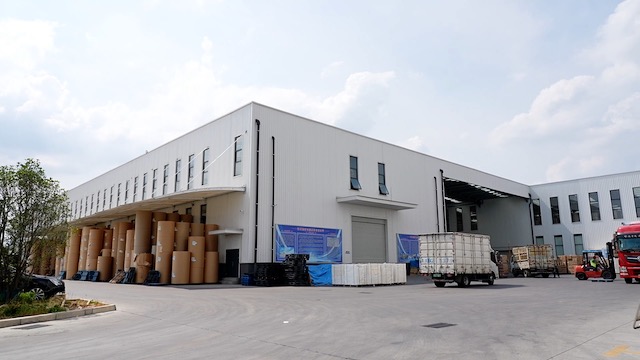
Enterprise Manufacturing Capabilities & Strict QA Control
Operating across 2,200 m² of specialized production floorspace with 37 skilled technical specialists, Luohe Temip Plastic Products Co., Ltd. (operating the Jiehui export brand lines) bridges high-speed forming technology with rigorous inspection regimes.
- SGS On-Site Assessed & Verified
- Tier-1 Supplier to Fortune 500
- Automated In-Line Vision Inspection
- OEM/ODM Rapid Tooling (7-Day Turn)
- Raw Paperboard Cobb Testing Lab
- Full Migration Compliance Reports
Unlike trading agents, our internal quality lab subjects every production batch to rigorous testing: a 4-hour boiling oil immersion test (100°C peanut oil), 24-hour vertical hydrostatic leak column tests, drop-shock testing at -18°C, and top-load compression profiling via calibrated digital strain gauges.
Get a QuoteFrequently Asked Questions by B2B Procurement Teams
Direct answers addressing compliance, MOQs, custom tooling, barrier testing, and export container freight logistics.
All food containers manufactured at our facility adhere strictly to US FDA 21 CFR 176.170 (components of paper and paperboard in contact with aqueous and fatty foods) and EU Regulation (EU) No 10/2011 alongside Framework Regulation (EC) No 1935/2004. We provide full third-party test reports from SGS/TÜV confirming Overall Migration Limits (OML) and Specific Migration Limits (SML) for heavy metals, primary aromatic amines (PAA), and formaldehyde, paired with zero detectable PFAS (< 50 ppm total fluorine limit).
For standard stock inventory (plain brown kraft bowls or clear deli tubs with matching lids), our MOQ is 10,000 to 20,000 units (typically 20–50 master cartons). For custom branded flexographic or offset printing up to 6 colors using food-grade soy and water-based inks, the typical MOQ starts at 30,000 to 50,000 units per SKU, depending on cup/bowl circumference and grammage. Consolidated mixed-container loads (FCL) across multiple SKUs are fully supported to maximize container cubic space.
Structural softening is caused by steam condensing within board micro-pores or oil degrading the seam welding. We counter this by pairing high-density virgin wood pulp board (Cobb 30-min value < 20 g/m²) with high-pressure ultrasonic sidewall fusing and precision roll-rim curling. For heavy oil, chili broth, or curries, we specify double-coated liners or our proprietary aqueous oil-resistant dispersion that resists liquid penetration up to 100°C for over 4 continuous hours.
For custom shapes (e.g., specialized octagonal boxes, multi-compartment divided trays, or custom-embossed lids), precision CNC tooling is completed within 10 to 14 working days. Pre-production physical samples are delivered via air express in 3 to 5 days. Upon sample sign-off, standard 40ft High Cube container production cycles run between 20 and 25 calendar days. Expedited production lanes are available for contracted recurring programs.
Overseas transit subjects cartons to severe temperature shifts, high humidity, and multi-tier pallet compression. We pack all products in double-wall, five-ply corrugated export cartons (ECT-44 / 200# burst strength) lined with heavy polyethylene moisture barrier liners. Cartons are palletized using robotic stretch-wrapping and corner edge-protectors, ensuring zero box deformation and perfect container roundness upon arrival at destination distribution centers.
Yes. We regularly host scheduled buyer audits and third-party inspection firms (including SGS, BV, Intertek, and QIMA) at our plant on Jingyi Road, Dongcheng Industrial Agglomeration Zone, Luohe City, Henan. Inspections commonly review factory conditions, AQL II standard random carton pulls, dimension verification, drop tests, and barcode scannability.
Ready to Optimize Your Deli Container Supply Chain?
Connect with our technical packaging engineers for free sample kits, custom 3D die-line templates, and factory-direct volume pricing within 24 hours.