High-Performance Food Packaging Lines
Manufactured under strict ISO9001 and food-contact hygiene protocols. Every container features reinforced anti-leak structural rims, precision oil-grease barrier integrity, and high-clarity or compostable lid engineering.
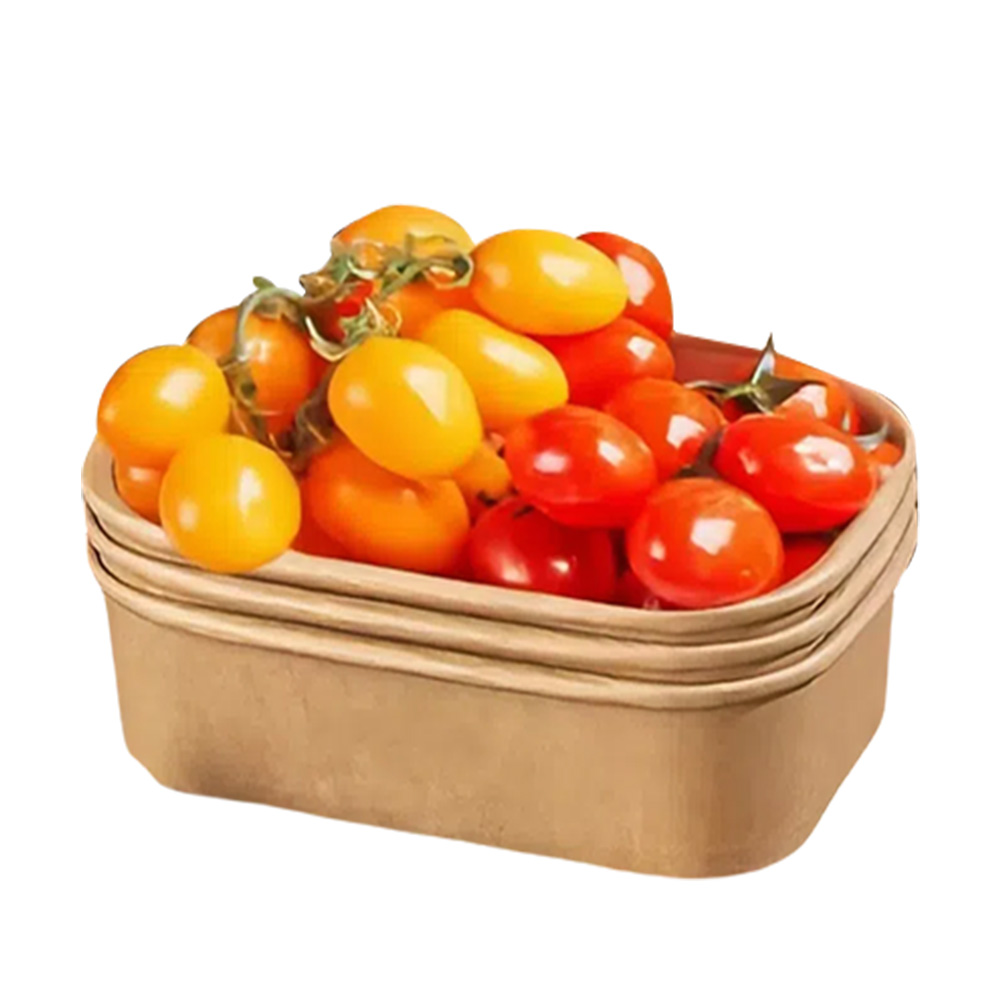
Factory Supply Custom Printed Kraft Paper Bento Box Disposable Food Grade Lunch Box
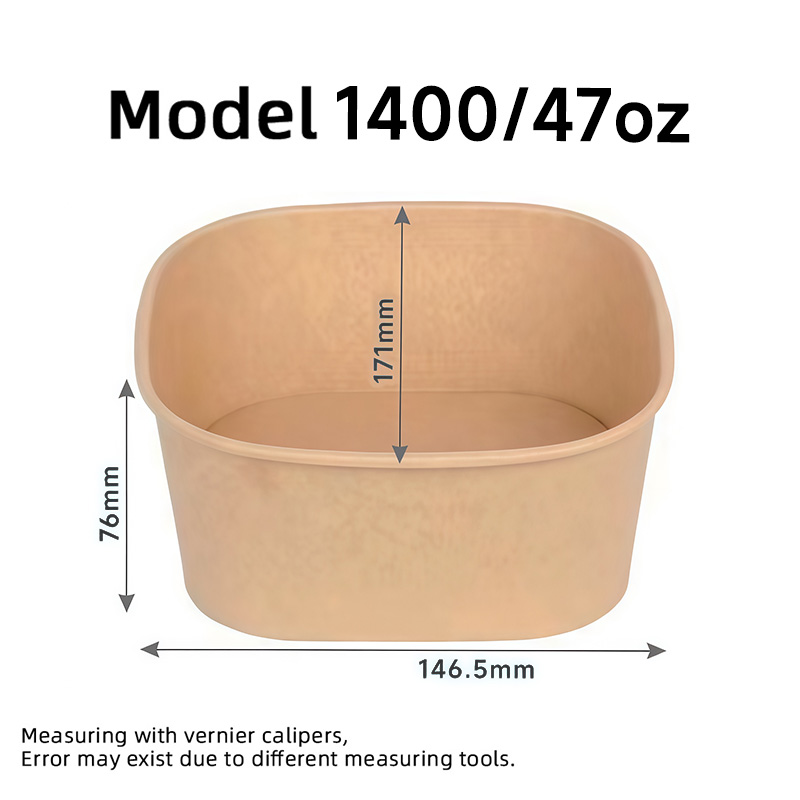
Square 1400ml/47oz Factory Wholesales Biodegradable Kraft Paper Food Cartons & Bowls
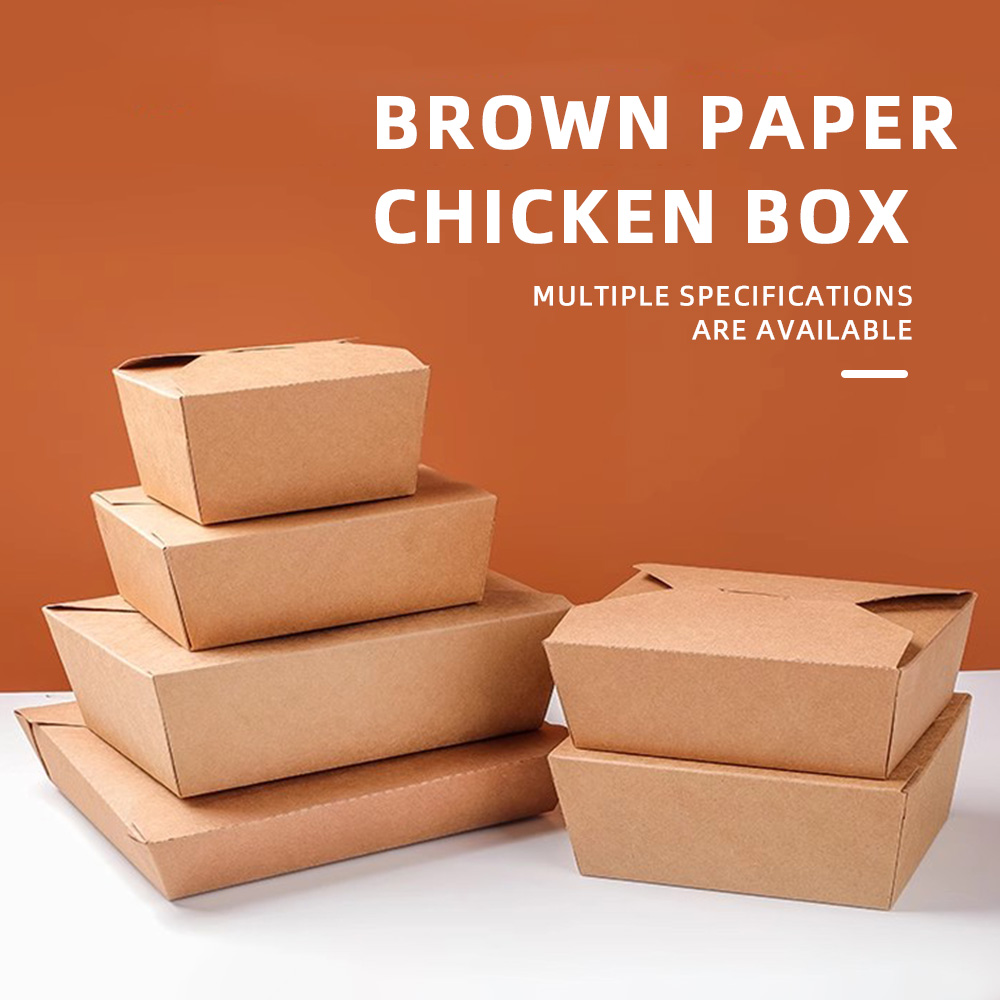
Custom Logo Kraft Paper Food Boxes Foldable Disposable Packaging for Catering
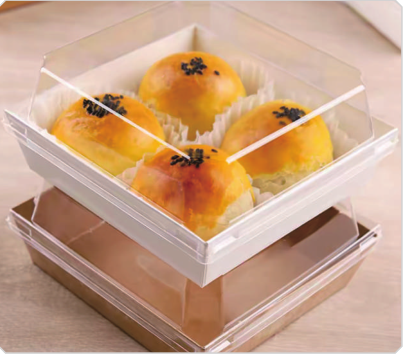
Square Pastry Box with PET Lid Food Grade Disposable Plates for Salad & Snacks
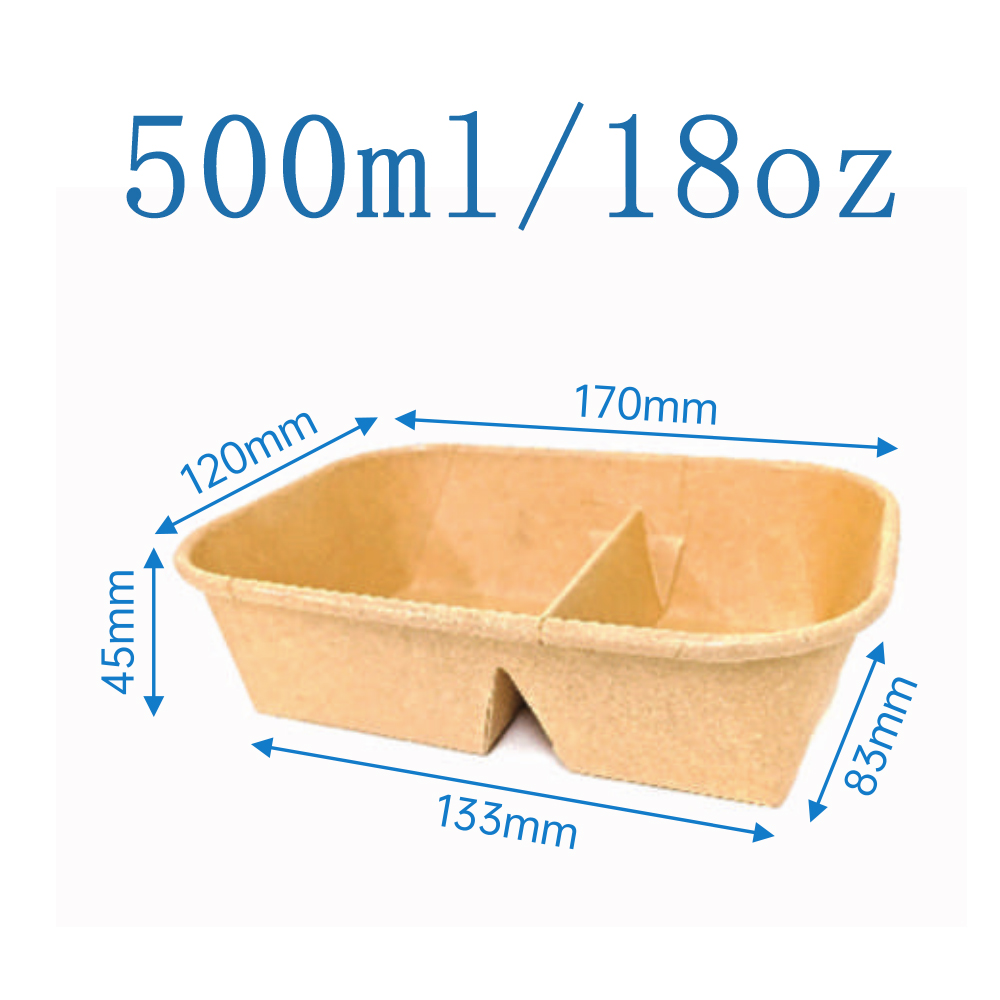
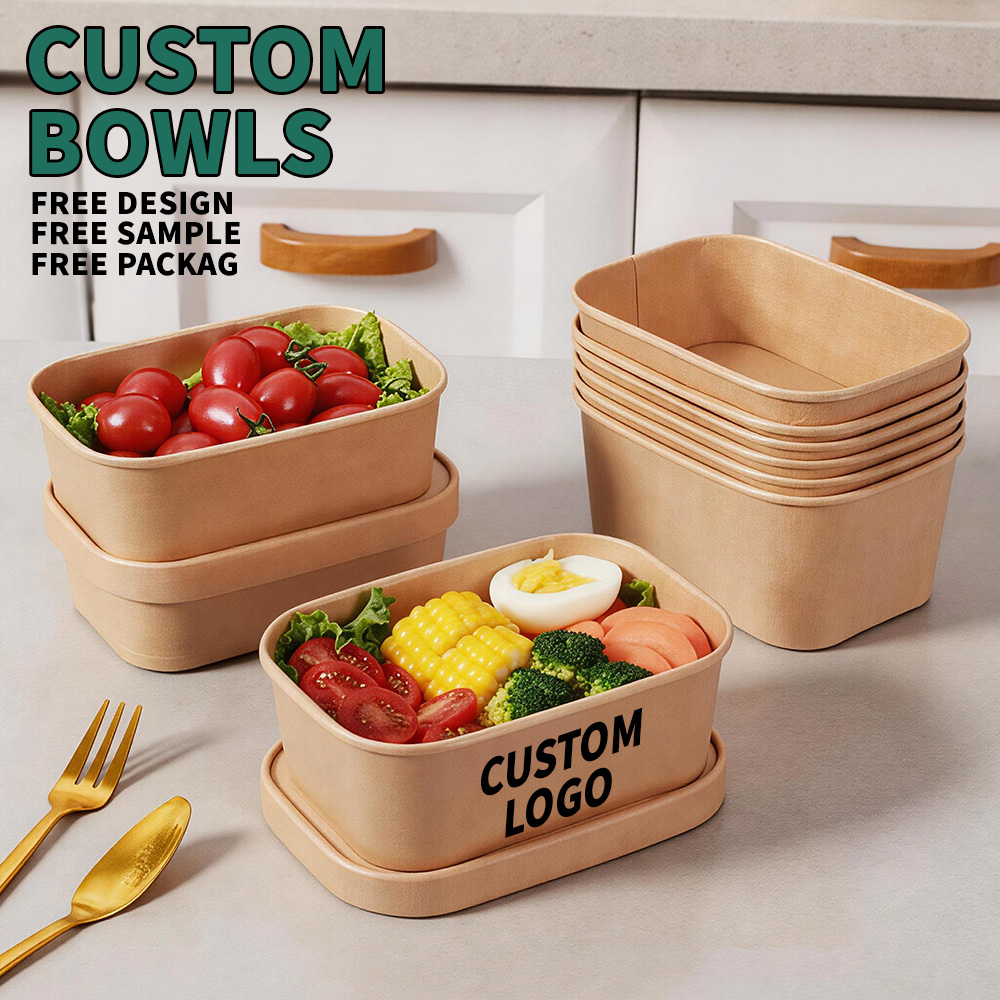
Food Grade Coated Paper Takeaway Containers With Lid Greaseproof Custom Printing
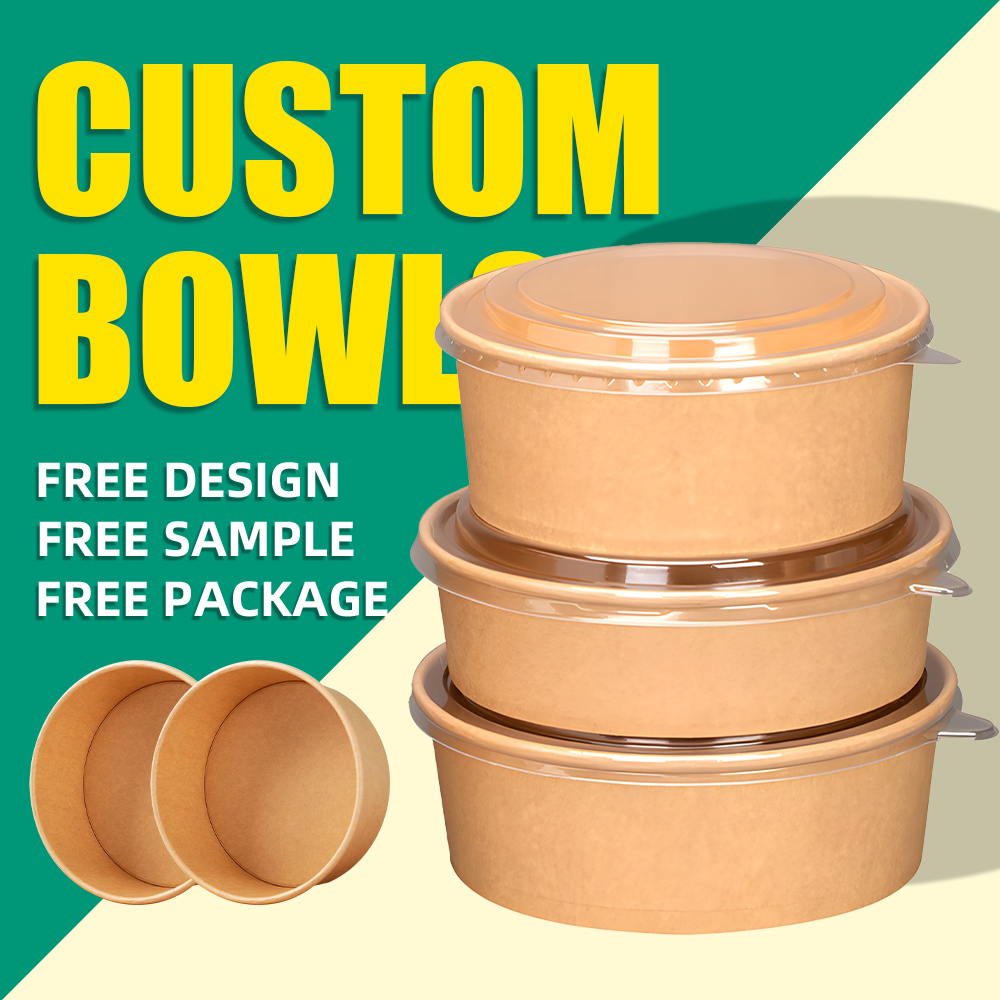
Kraft Paper Disposable Bowls With Lids 8oz to 68oz Oil Proof Containers for Salad Soup
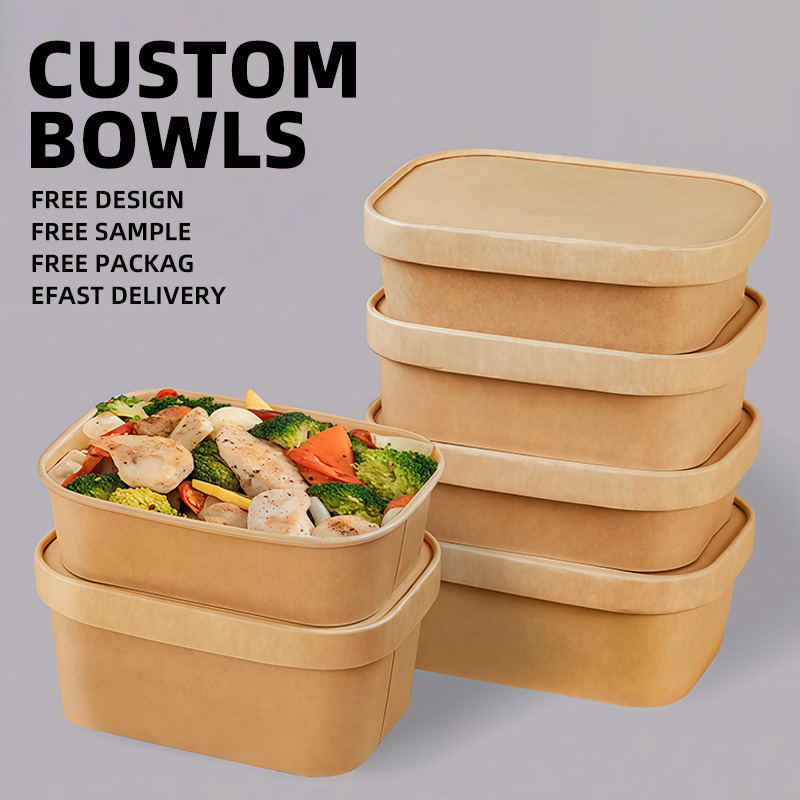
Factory Wholesales Customizable Biodegradable Kraft Paper Food Cartons Containers
CE Marking & EU Food Contact Materials (FCM) Standards
A rigorous regulatory breakdown for procurement directors and compliance engineers. Demystifying food-contact safety declarations, overall migration limits (OML), and barrier chemistry across the European Single Market.
The "CE" Clarification: FCM vs. Machinery
In B2B sourcing, buyers frequently request "CE Certified Food Containers". Under European Union trade law, passive food containers are regulated fundamentally through Framework Regulation (EC) No 1935/2004 and Good Manufacturing Practice (EC) No 2023/2006, rather than the CE machinery directive. When factories issue CE compliance for takeout packaging, it represents a formal Declaration of Compliance (DoC) affirming that the packaging meets unified European safety, non-toxicity, and migration thresholds without organoleptic degradation.
- Traceability through production batch barcoding
- Inert transfer testing to ensure taste neutrality
- Full compliance with (EU) 10/2011 for polymer linings
Migration Testing & Chemical Thresholds
Real-world delivery exposes containers to aggressive food matrices: hot tallow, boiling broths, acidic tomato purées, and alcohol-based vinegars. Our manufacturing process verifies stability through specialized chemical simulant exposures.
- OML (Overall Migration Limit): ≤ 10 mg/dm² or 60 mg/kg under Simulant A (10% Ethanol), Simulant B (3% Acetic Acid), and Simulant D2 (Vegetable Oil).
- SML (Specific Migration Limits): Heavy metals (Lead, Cadmium, Hexavalent Chromium, Mercury) strictly below 100 ppm per 94/62/EC.
- Primary Aromatic Amines (PAA): Non-detectable threshold (<0.01 mg/kg) in custom flexographic printed surfaces.
PFAS Elimination & Barrier Chemistry
With global bans enacted across the EU and US states on Per- and Polyfluoroalkyl Substances (PFAS, PFOS, PFOA), takeout food packaging factories must demonstrate fluorine-free oleophobic performance. We use engineered physical barrier barriers rather than long-chain fluorochemical surfacers.
- Total Fluorine content guaranteed below 50 ppm (DIN EN 14582)
- Water-based dispersion polymer coatings with dense cross-linking
- Certified repulpability in standard cardboard mill circuits
| Regulatory Framework | Geographic Scope | Testing Parameter / Target Metric | Factory Implementation Protocol |
|---|---|---|---|
| Framework Regulation (EC) 1935/2004 | European Union / EEA | Overall inertness; zero toxic transfer; sensory testing (DIN 10955) | Certified virgin unbleached kraft stock; water-based low-VOC inks. |
| Regulation (EC) 2023/2006 (GMP) | European Union / Export | Cleanliness hygiene, foreign body inspection, chain of custody | Automated vision sorting systems, positive-pressure workshops. |
| EU 10/2011 Plastic Regulation | European Union | OML < 10 mg/dm² for PE/PLA functional liquid barrier laminations | Batch-tested certified resins; thermal extrusion thickness control. |
| EN 13432 / ASTM D6400 | EU / International | Industrial compostability: 90% disintegration within 84 days | Biodegradable PLA linings and certified starch-modified paper bases. |
| US FDA 21 CFR 176.170 / 176.180 | North America | Chloroform-soluble extractives for aqueous and fatty food contacts | Dual-verified compliance for transatlantic supply chain flexibility. |
Procurement Evolution in Disposable Food Packaging
Enterprise procurement decisions are shifting from simple per-unit pricing to lifecycle carbon footprint metrics, closed-loop recyclability, and legislative resilience under upcoming international mandates.
1. Impact of the EU PPWR Mandate
The Packaging and Packaging Waste Regulation (PPWR) is fundamentally reshaping the disposable foodservice landscape. Starting mid-decade, minimum recycled content targets, bans on single-use packaging for dine-in consumption, and mandatory design-for-recycling (DfR) requirements take effect. Forward-looking buyers are shifting orders toward aqueous-coated kraft and monomaterial paperboard that integrate seamlessly with existing carton pulping infrastructure, averting heavy landfill and EPR penalty surcharges.
2. Rise of Water-Based Barrier Coatings
Traditional poly-coated (PE) board presents recycling challenges because hydro-pulpers must mechanically shear the polymer film away from cellulose fibers. The major technological transition involves Water-Based Barrier Coatings (WBBC) and acrylic/aliphatic dispersion barriers. These barriers offer equivalent pinhole-free fat-resistance (Kit Level 10-12) while being 100% repulpable and biodegradable, transforming waste from a liability into high-value recycled kraft furnish.
3. Total Cost of Ownership (TCO) Sourcing
Tier-1 restaurant chains and multinational foodservice distributors now evaluate procurement through an integrated Total Cost of Ownership formula. Factors like nesting ratio (case cube utilization), side-wall collapse resistance during automated sealing, lid retention under vertical stack pressure during third-party delivery transit, and warehouse pallet efficiency outweigh nominal 2% unit cost differentials at the dock.
Verified OEM/ODM Manufacturing Excellence
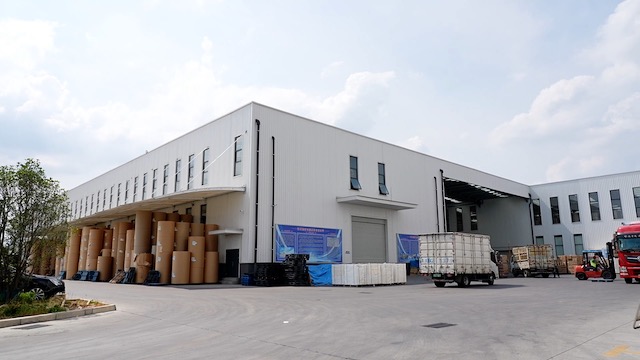
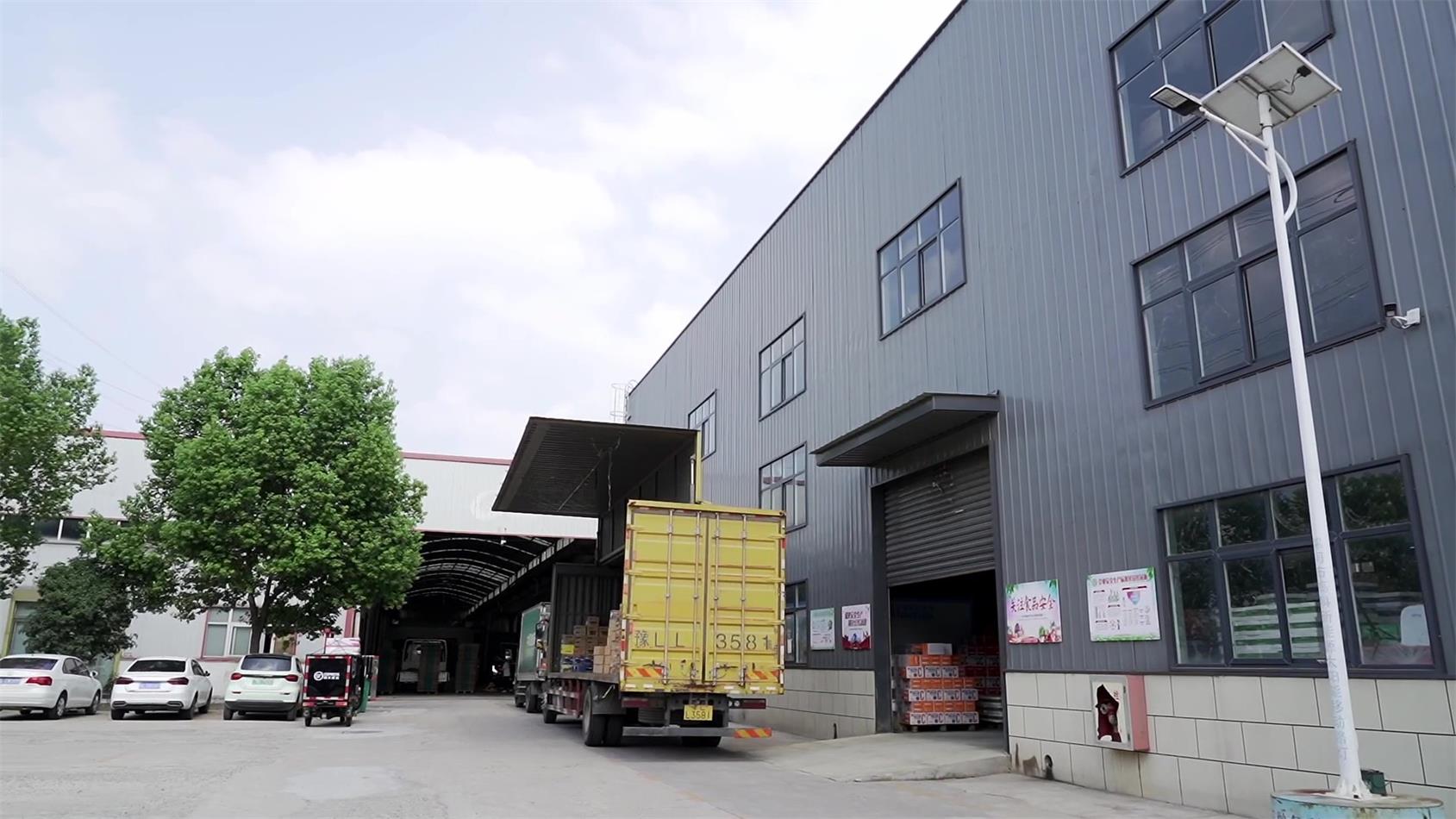
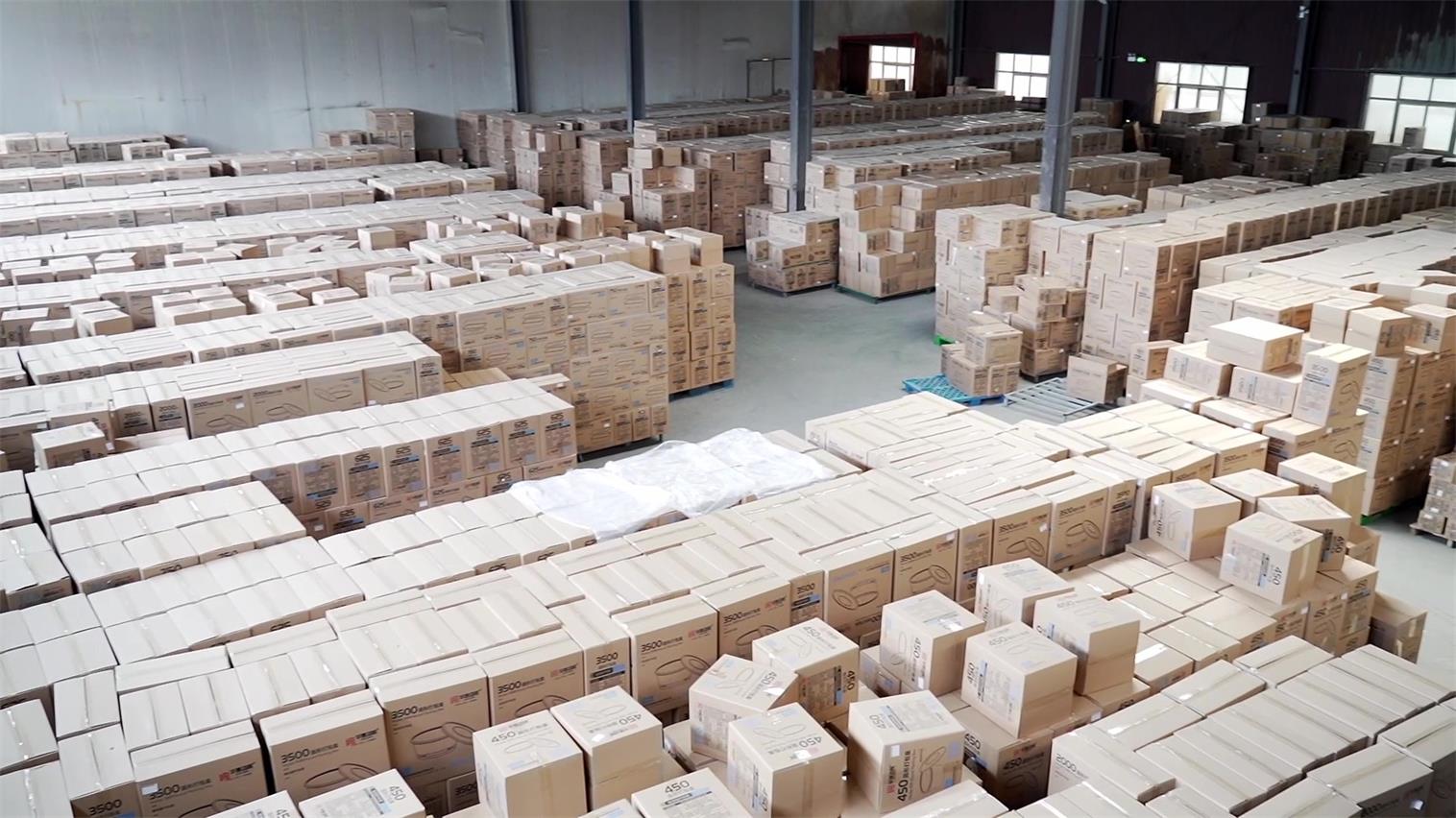
Luohe Temip Plastic Products Co., Ltd. operates a high-speed, automated production hub in Henan's Dongcheng Industrial Agglomeration Zone. Verified on-site by SGS Group, we manufacture robust packaging solutions for demanding global supply lines.
SGS On-Site Audited
Facility layout, raw material batch tracing, environmental compliance, and worker hygiene procedures independently validated by SGS inspection teams.
Fortune 500 Proven
Qualified vendor track record supplying large-scale hospitality contracts and multi-national delivery brands requiring zero-defect tolerances.
Raw Material In-House QC
Incoming paperboard lots undergo GSM weight verification, Cobb water absorption testing, edge-crush tests, and coating continuity microscopic inspection.
Complete OEM/ODM Scope
From rapid 3D prototyping and custom structural tooling to multi-color flexographic printing and automated high-speed carton forming lines.
Precision Automated Forming Lines
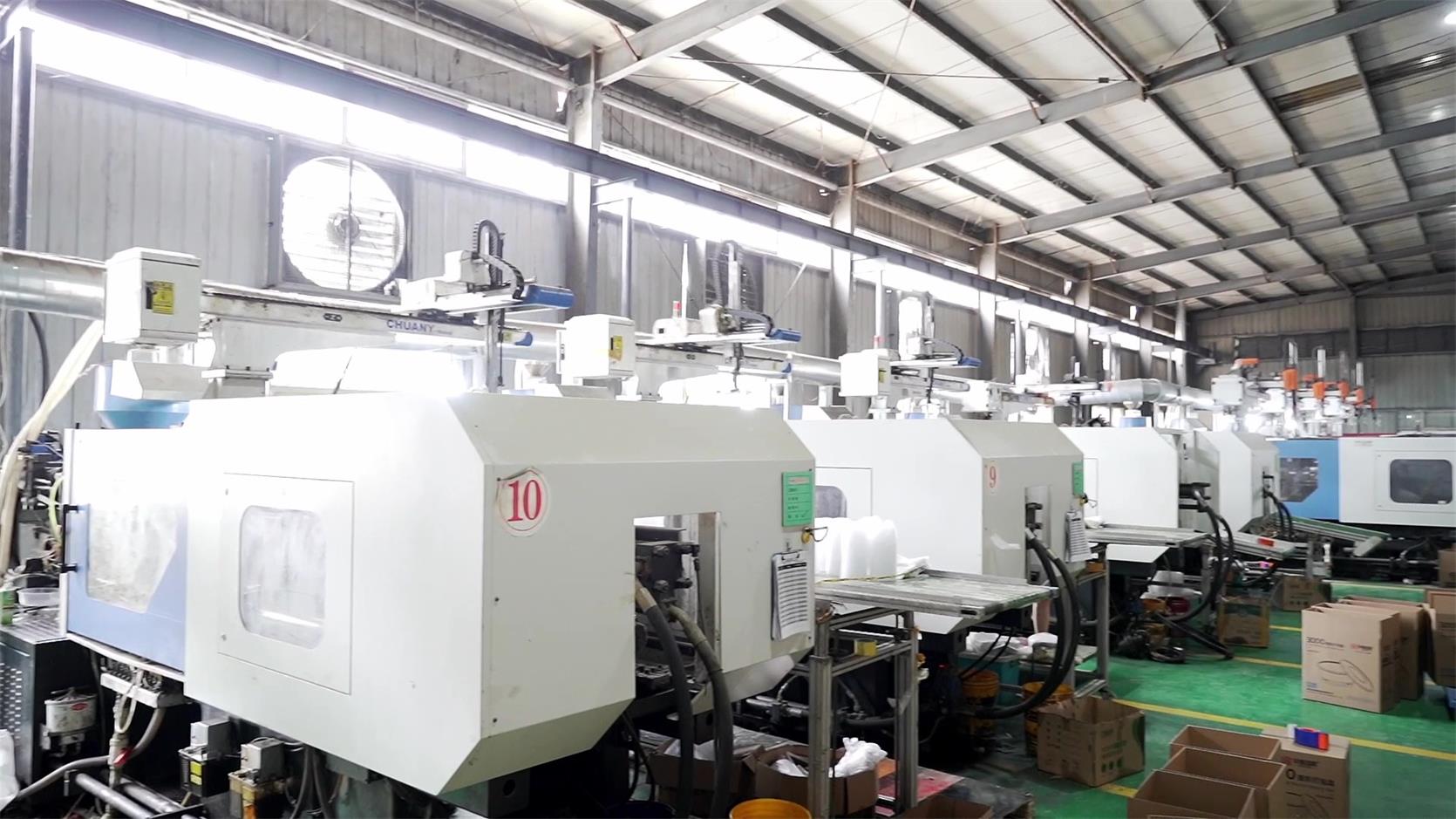
Located in Luohe, Henan—the heart of China's food processing sector—our facility runs advanced ultrasonic sealing machinery and multi-stage cup and box forming stations. By pairing high-speed automation with strict optical defect scanners, we maintain dimension consistency across runs of hundreds of thousands of units, ensuring problem-free sealing on your high-speed automated packaging lines.
Frequently Asked Questions for Sourcing Directors
In-depth answers addressing compliance documentation, thermal tolerances, barrier selection, tooling costs, and quality control protocols for custom import programs.
Q1: How does CE compliance apply to takeout food containers?
Passive food containers are governed under EU Framework Regulation (EC) 1935/2004 and GMP Regulation (EC) 2023/2006 rather than the Machinery CE marking. When international importers request CE documentation for food packaging, our factory supplies a formal Declaration of Compliance (DoC) alongside migration test reports from accredited third parties (SGS/TÜV), validating that raw materials, adhesives, and inks do not migrate harmful compounds into food.
Q2: What is the difference between PE, PLA, and Aqueous coatings?
Polyethylene (PE) offers reliable, cost-effective moisture and grease barriers for temperatures up to 90°C, but requires specialized recycling lines. Polylactic Acid (PLA) is derived from renewable cornstarch, handles cold to warm foods, and breaks down in commercial composting facilities (EN 13432). Aqueous/Water-Based Barrier Coatings (WBBC) disperse water-based polymers directly into paper fibers, delivering grease and liquid resistance while allowing standard paper mill recycling without extra separation steps.
Q3: Can these containers withstand microwave and hot-food temperatures?
Yes. Our heavy-weight kraft paperboard bowls and containers lined with high-density PE or specific heat-tolerant polypropylene (PP) resist temperatures up to 120°C (248°F), making them microwave-safe for reheating soups, gravies, and stews. For standard PLA-coated containers, maximum continuous service temperature is typically 45°C to 50°C, while crystallised PLA (CPLA) lids and modified paper lines withstand boiling liquids up to 85°C–90°C.
Q4: How do you prevent rim distortion and lid leakage during delivery?
Lid seal integrity depends on rim rolling precision and dimensional tolerances. We use automated rotary curling machines that create consistent, rigid 360-degree rolled rims. This structural lip locks securely into matching grooved lids (PP, PET, or Paper), passing 45-degree tilt and vibration tests for 30 minutes with hot oily broths without popping open or leaking.
Q5: What are the standard Minimum Order Quantities (MOQ) and lead times?
For standard in-stock catalog dimensions in plain unprinted kraft or white board, MOQs start from 10,000 to 20,000 units. For custom-branded offset or flexographic printing (up to 6 colors), MOQs typically start at 30,000 to 50,000 units per SKU depending on container volume. Standard manufacturing lead time runs 15 to 22 business days following digital proof and sample sign-off.
Q6: How is food safety monitored on the production floor?
Our Luohe facility maintains strict cleanliness controls. Incoming food-grade kraft rolls undergo raw material verification and lot tracking before release. Operators wear sanitary protective gear in positive-pressure, climate-controlled clean workshops. High-resolution optical sensors inspect finished cups and bowls on the line, rejecting units with structural imperfections, pinholes, or misprints before automated carton packing.
Q7: Do you offer ventilation solutions for crisp fried foods?
Yes. Delivering fried chicken, tempura, or fries presents condensation challenges that can turn crisp coatings soggy. We engineer custom die-cut top vents, perimeter breather tabs, and moisture-absorbing micro-flute corrugation. These features release trapped steam while preserving thermal insulation and grease resistance.
Q8: Can we audit the factory before placing commercial orders?
Yes. We welcome formal buyer audits and third-party inspection firms (e.g., SGS, Bureau Veritas, Intertek) by appointment at our manufacturing facility in the Dongcheng Industrial Agglomeration Zone, Luohe City, Henan. We can also provide high-definition video walkthroughs and complete compliance dossiers for remote procurement approvals.
Request Full Technical Specs, Custom Dies & Pricing
Partner with an SGS-verified custom manufacturer. Our engineering and export teams help you develop compliant, structurally sound food containers tailored to your brand identity and distribution requirements.