Featured Microwavable & Eco-Friendly Food Packaging Range
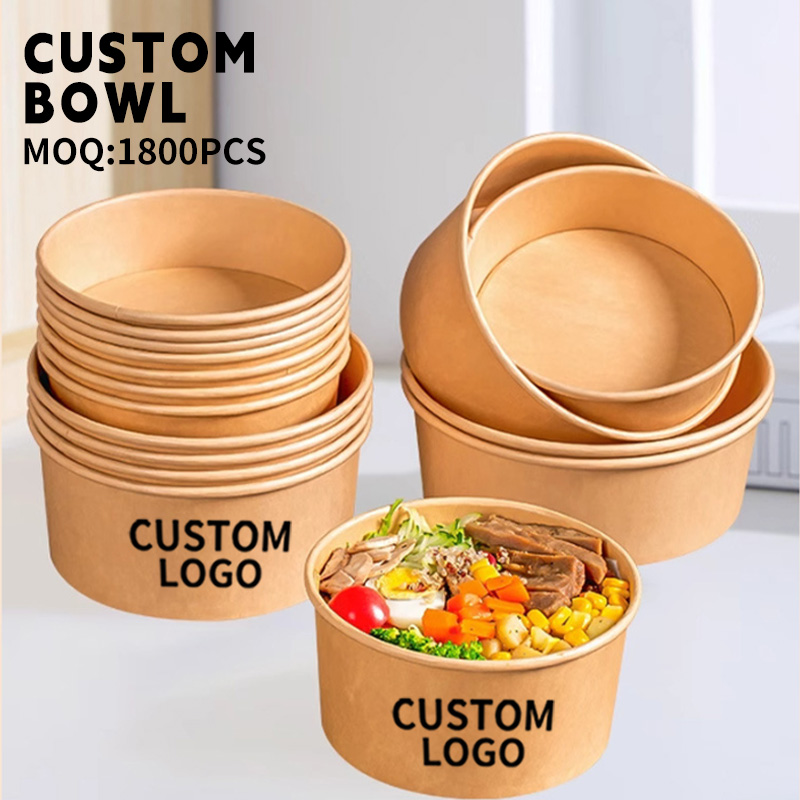
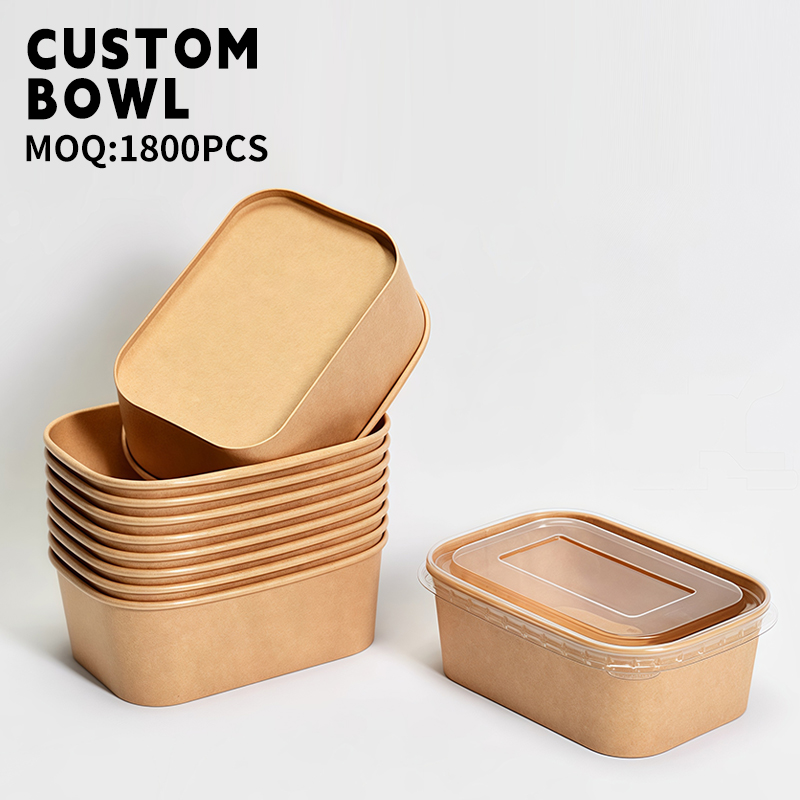
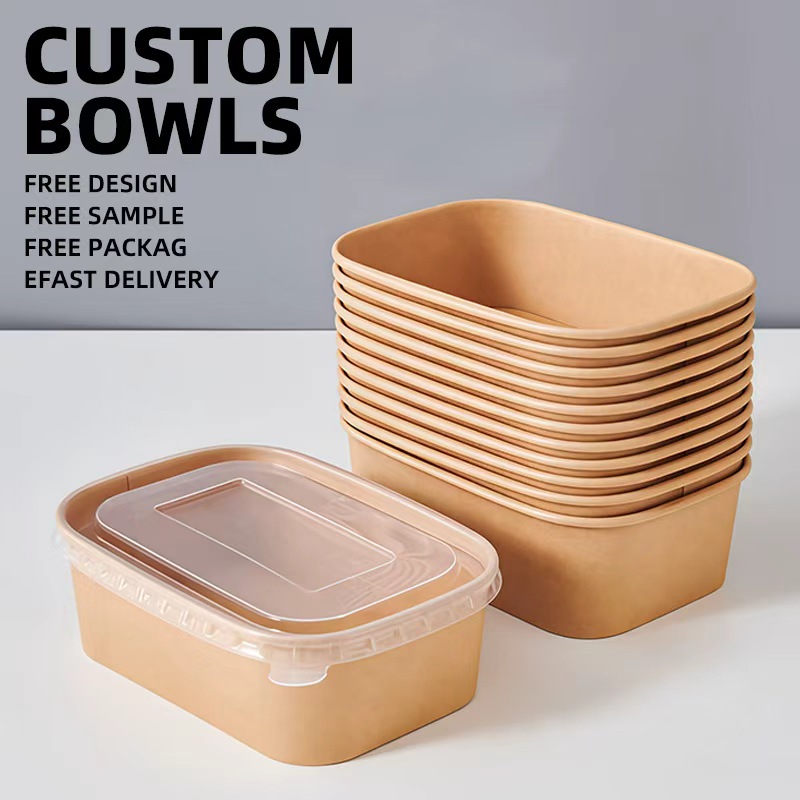
Precision-machined kraft cardboard and certified polypropylene (PP) food containers engineered specifically for off-premises dining, high-heat delivery, and commercial microwaving.

Audited Quality Systems & Direct OEM/ODM Capabilities
Luohe Temip Plastic Products Co., Ltd. integrates raw substrate verification, high-speed thermal molding, and leak-proof testing to serve Fortune 500 chains, major distributors, and QSR conglomerates globally.
SGS On-Site Audited Manufacturing
Our 2,200 m² clean facility in Luohe, Henan operates under rigid ISO standards and SGS third-party assessments. Real-time factory evaluations confirm automated hygiene lines, raw material batch tracking, and full worker safety certifications.
Enterprise Proven Vendor Credentials
Having supplied multinational contracts including Fortune 500 procurement operations, we accommodate strict corporate supplier guidelines: standardized AQL 1.5 defect control, complete batch traceability, and full export compliance documentation.
Source Material Chemical Screening
Every incoming roll of virgin wood pulp kraft paper and food-contact resin lot undergoes spectrographic and barrier inspections. We verify complete absence of fluorinated surfactants (PFAS-free) and validate thermal stability before production line feeding.
Technical Dynamics of Microwavable Foodservice Packaging
Navigating thermal resilience, polymer cross-migration, and international safety compliance in commercial food delivery containers.
The exponential growth of off-premises dining, meal kit delivery, and pre-packaged meal distribution has fundamentally elevated the functional expectations placed on food packaging. Standard takeaway boxes frequently experience thermal softening, hydrostatic buckling, or volatile compound migration when subjected to microwave radiation. For international B2B buyers, institutional kitchen managers, and commercial packaging distributors, sourcing products bearing CE, FDA, and EU Regulation No 10/2011 certifications is imperative to ensure operational safety and brand reliability.
1. Thermal Stability & Polymer Engineering
Microwave reheating operates via dielectric heating, whereby high-frequency electromagnetic fields excite polarized water, fat, and sugar molecules within food. Standard paperboard containers laminated with low-density polyethylene (LDPE) or amorphous polyethylene terephthalate (APET) feature melting points below 105°C (221°F). When greasy foods like fried chicken, curry sauces, or gravies reach temperatures up to 120°C (248°F) during microwaving, inferior coatings delaminate, releasing microplastics and organic compounds directly into meals.
To overcome this, our CE-compliant microwavable packaging incorporates high-purity Polypropylene (PP5) barrier lamination or injection-molded homopolymer PP frameworks rated reliably from -20°C (-4°F) up to 120°C (248°F). This guarantees that whether food transitions directly from quick-freeze cold chains or blast chillers to commercial 1200W commercial microwaves, structural wall rigidity remains unbroken, preventing lid blowout and grease permeation.
| Substrate Configuration | Operational Temp Window | Dielectric Stability | Oil/Grease Barrier Index | Microwave Suitability |
|---|---|---|---|---|
| Virgin Kraft + PP Lamination | -20°C to +120°C | Excellent (Zero Delamination) | Kit Level 12 (High Resistance) | Recommended (High-Heat Entrees) |
| Virgin Kraft + Water-Based Barrier | -10°C to +100°C | Good (Controlled Exposure) | Kit Level 9-11 (Medium-High) | Approved (Soups & Noodles) |
| Direct-Extruded Homo-PP (Clear/Black) | -20°C to +125°C | Optimal (Zero Loss Factor) | Hydrocarbon Impervious | Commercial Heavy Duty Reheating |
| Standard LDPE Laminated Board | 0°C to +85°C | Poor (Softens above 90°C) | Kit Level 6-8 (Prone to seeping) | Not Recommended for Microwaving |
2. Global Regulatory Compliance: EU, CE & PFAS Restrictions
Procuring containers for the European Single Market requires alignment with stringent Framework Regulation (EC) No 1935/2004, Commission Regulation (EU) No 10/2011 on plastic materials intended to come into contact with food, and the German LFGB. Our packaging lines undergo continuous overall migration limits (OML) and specific migration limits (SML) validations using standard food simulants (3% acetic acid, 10% ethanol, and vegetable oil). Furthermore, complying with the phase-out of fluorinated organic chemicals, our barrier formulations guarantee 100% PFAS-free compliance, ensuring zero risk of chemical bioaccumulation or non-tariff trade barriers at customs clearance.
Future Procurement Trends in Commercial Food Packaging (2025–2030)
Key structural shifts redefining supply chain security, consumer trust, and institutional tenders worldwide.
Monomaterial & Recyclable Circularity
Global waste mandates (such as the EU Packaging and Packaging Waste Regulation - PPWR) are demanding mono-material architectures. Buyers are rapidly shifting away from complex multi-layer composites toward pure unbleached kraft paperboard combined with easily separable PP lids or repulpable dispersion coatings that re-enter municipal paper streams without chemical stripping.
Acoustic Smart Venting & Tamper Evidency
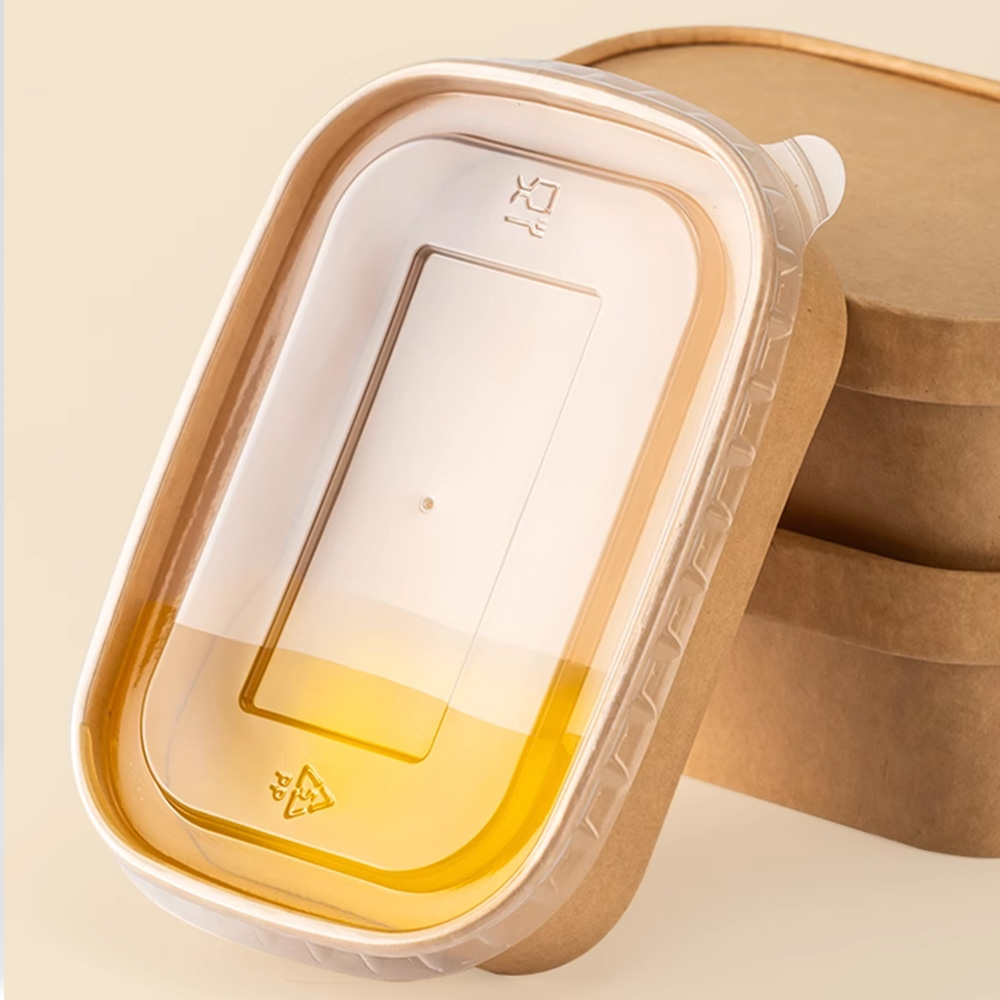
Third-party delivery platforms are accelerating demand for functional closure mechanics. Modern procurement tenders mandate self-venting steam channels that prevent condensation buildup (which makes fried foods soggy) while preserving liquid containment during transit, coupled with built-in perimeter tamper-evident tear strips.
Decoupled Raw Material Hedging
Geopolitical shipping rate volatility and pulp pricing fluctuations have forced large-scale brand procurement officers to partner directly with source tier-1 converters rather than intermediaries. Contract structures increasingly favor factories with localized pulp storage and vertically integrated converting capabilities to lock in unit prices across quarterly runs.
Frequently Asked Questions by B2B Packaging Buyers
Detailed answers regarding test protocols, food safety compliance, minimum orders, and customization workflows.
How do you verify your containers remain food-safe and chemically inert under microwave heat?
Can our team customize both the structural shape and high-definition surface branding?
What quality assurance inspections are performed before export dispatch?
Are your kraft paper containers biodegradable or suitable for composting programs?
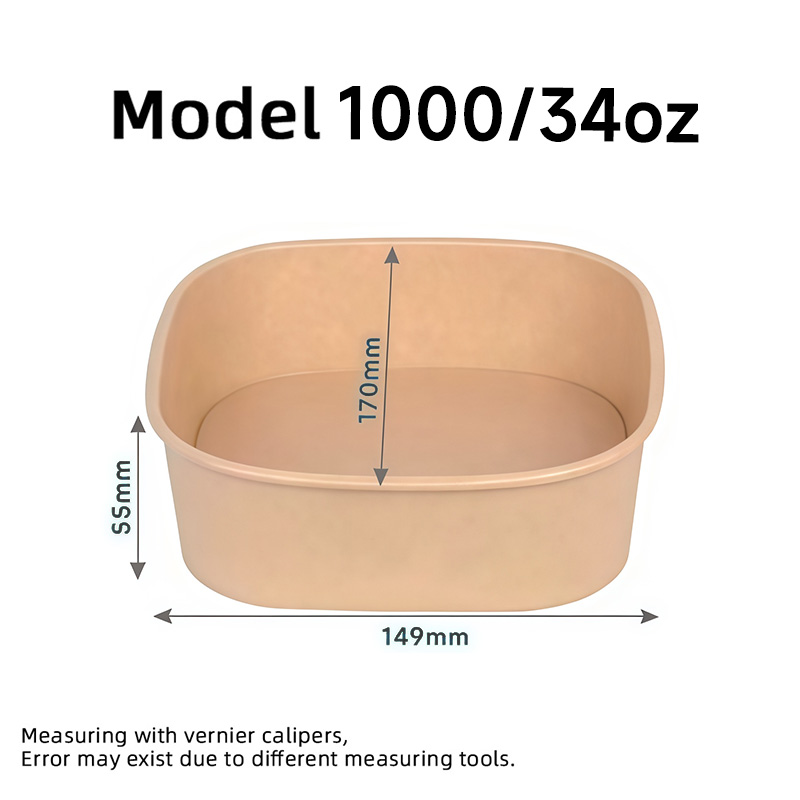
What are standard container volume specifications and packaging configurations?
Engineer Your Custom Foodservice Packaging Line
Consult with our Luohe manufacturing plant engineers to establish exact barrier coatings, verify CE/EU food contact certifications, and receive prototype samples directly at your office.
Get a Quote