Product Architecture
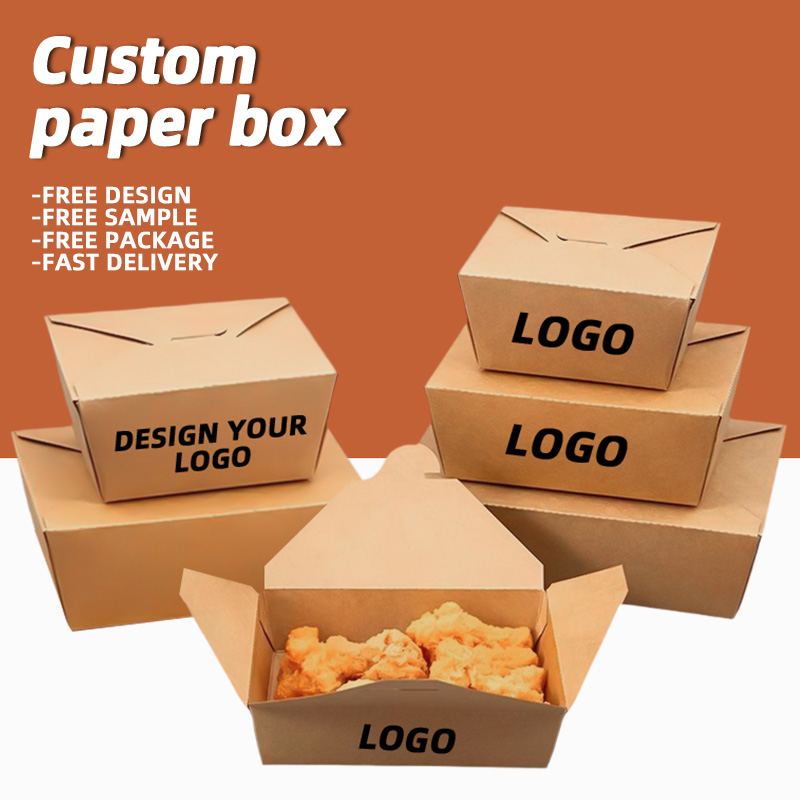
High-Performance Food Packaging Solutions
Engineered for high-volume commercial foodservice, international retail chains, and off-premise restaurant delivery systems demanding strict barrier integrity and compliance.
Procurement Intelligence
Strategic Sourcing Whitepaper: Disposable Meal Box Manufacturing
A technical guide to chemical barriers, European regulatory compliances, thermo-mechanical endurance, and total cost of ownership (TCO) optimization.
Commercial foodservice packaging has shifted from a commoditized purchasing category into a tightly regulated interface between chemical compliance, brand perception, and logistical performance. With the implementation of the European Union Single-Use Plastics Directive (SUPD EU 2019/904), EN 13432 compostability standards, and stringent CE food contact declarations under (EC) No 1935/2004, international procurement managers face serious legal and logistical liabilities when sourcing from unverified facilities. Luohe Temip Plastic Products Co., Ltd. bridges this critical compliance gap with advanced raw material isolation, precise structural thermoforming, and multi-layer aqueous barrier applications across all paper and polymer lines.
Modern disposable packaging must withstand hydrostatic oil pressures, thermal vapor condensation, dynamic drop impacts, and protracted transit vibrations without collapsing or transferring volatile organic compounds (VOCs) to edible contents. As global supply networks de-risk their single-source packaging pipelines, integrating audited Chinese manufacturing clusters capable of delivering consistent fiber caliper tolerances, automated glue bonding integrity, and strict heavy-metal isolation protocols has become an imperative competitive lever.
Aqueous Dispersion vs. Traditional Plastic Lining
Enterprise buyers are transitioning away from standard low-density polyethylene (LDPE) linings toward water-based polymeric dispersion coatings. This enables complete repulpability in conventional recycling infrastructure while retaining full hydrostatic grease, moisture, and alcohol resistance required for complex food arrays.
- Elimination of microplastic residues during hot aqueous exposure.
- Full alignment with EU circular packaging mandate thresholds.
- Zero impact on existing container high-speed folding machinery.
PFAS-Free Hydrophobic & Lipophilic Engineering
With aggressive global bans on per- and polyfluoroalkyl substances (PFAS) due to bioaccumulation concerns, modern high-caliper meal boxes must derive grease barriers from mechanical fiber refining and plant-derived biopolymers rather than persistent synthetic fluorinated surfactants.
- Non-toxic oil resistance up to 95°C for high-fat fried items.
- Compliance with California AB 1200 and European REACH annexes.
- Preserved breathability to prevent premature food sogginess.
Optimized Nesting Ratios & Freight Optimization
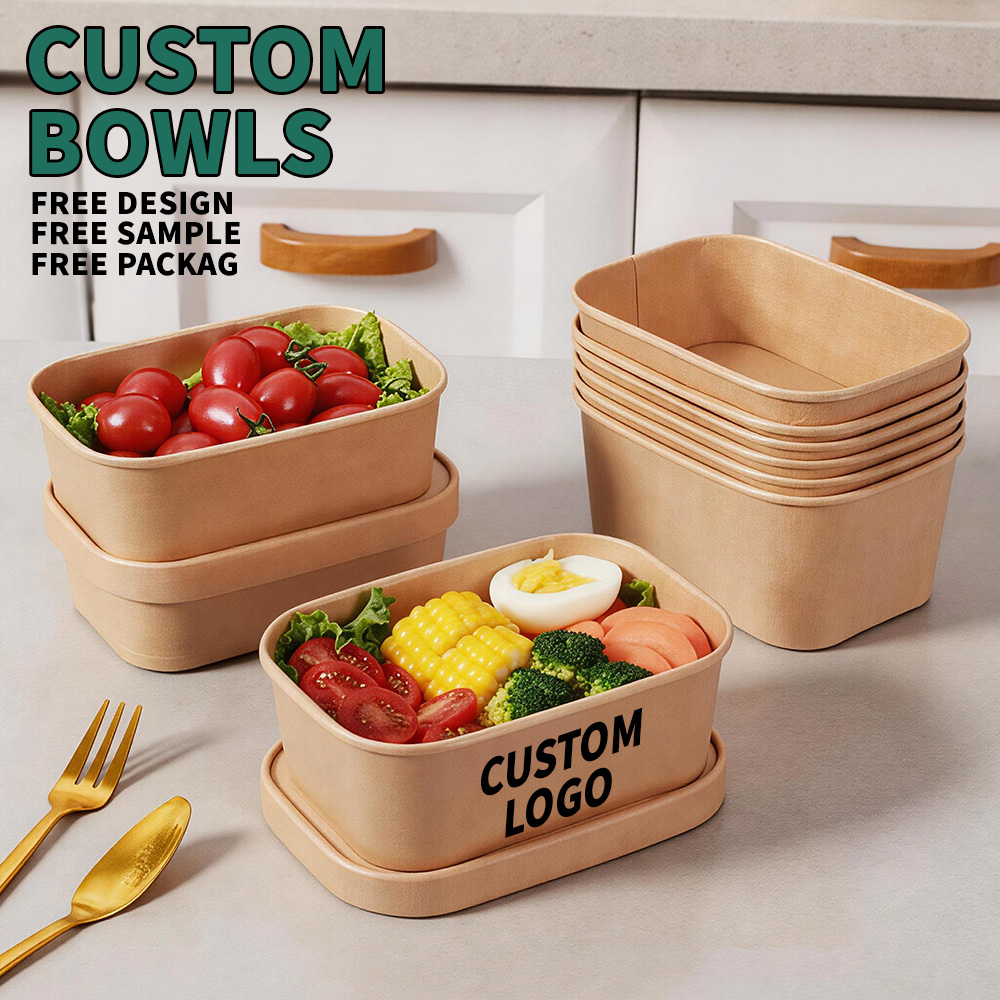
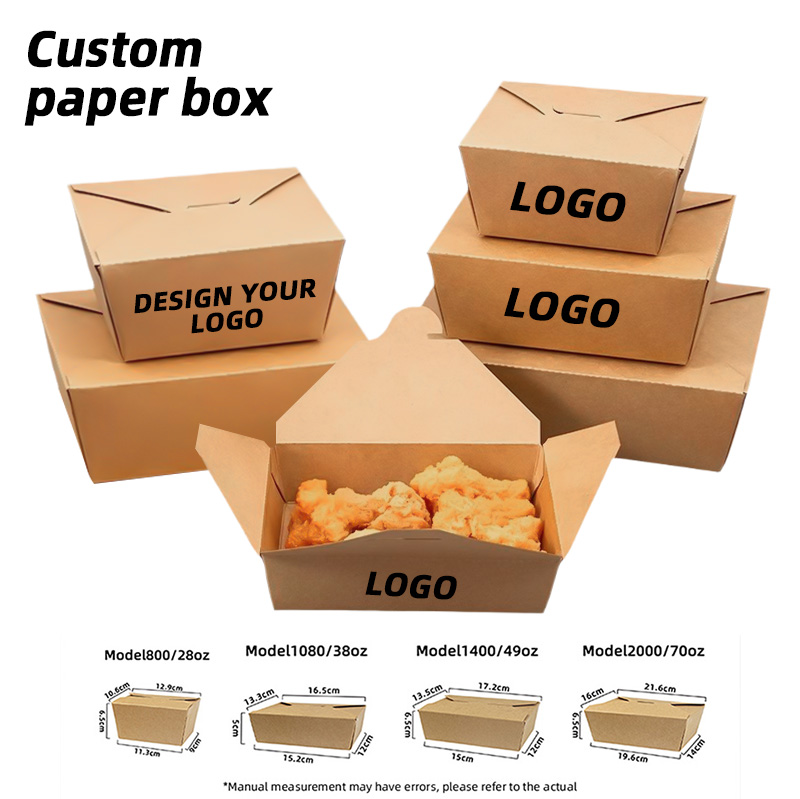
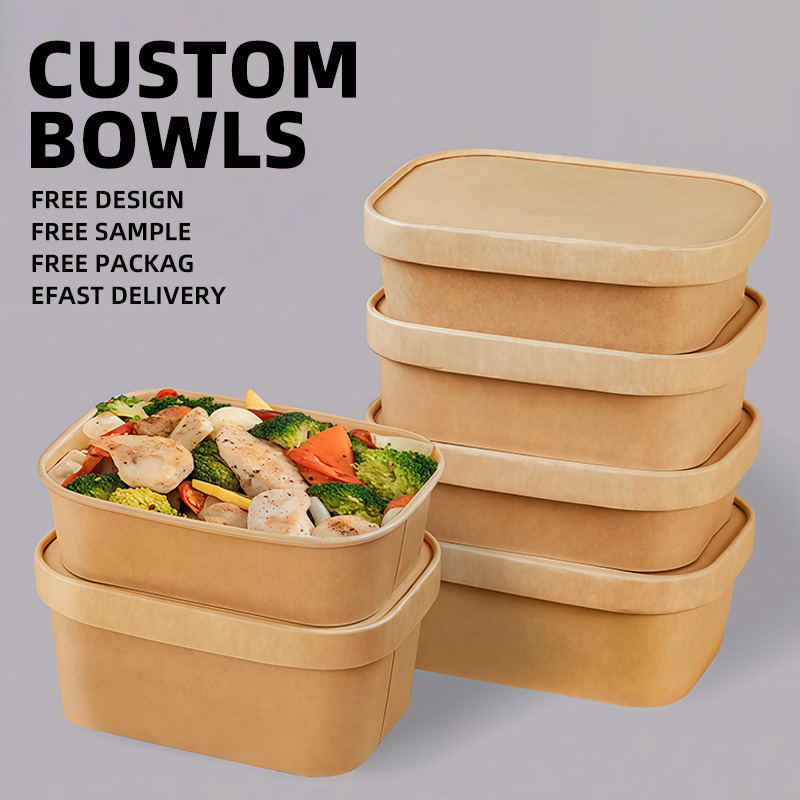
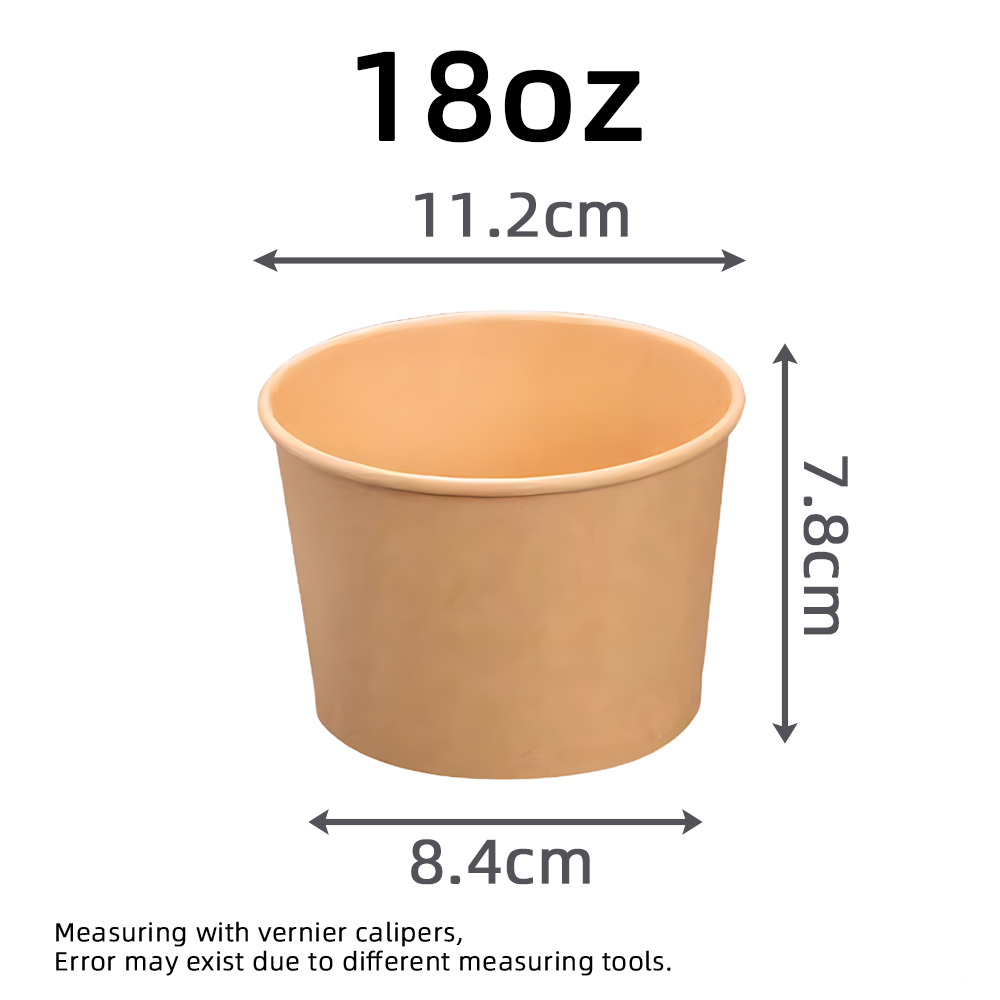
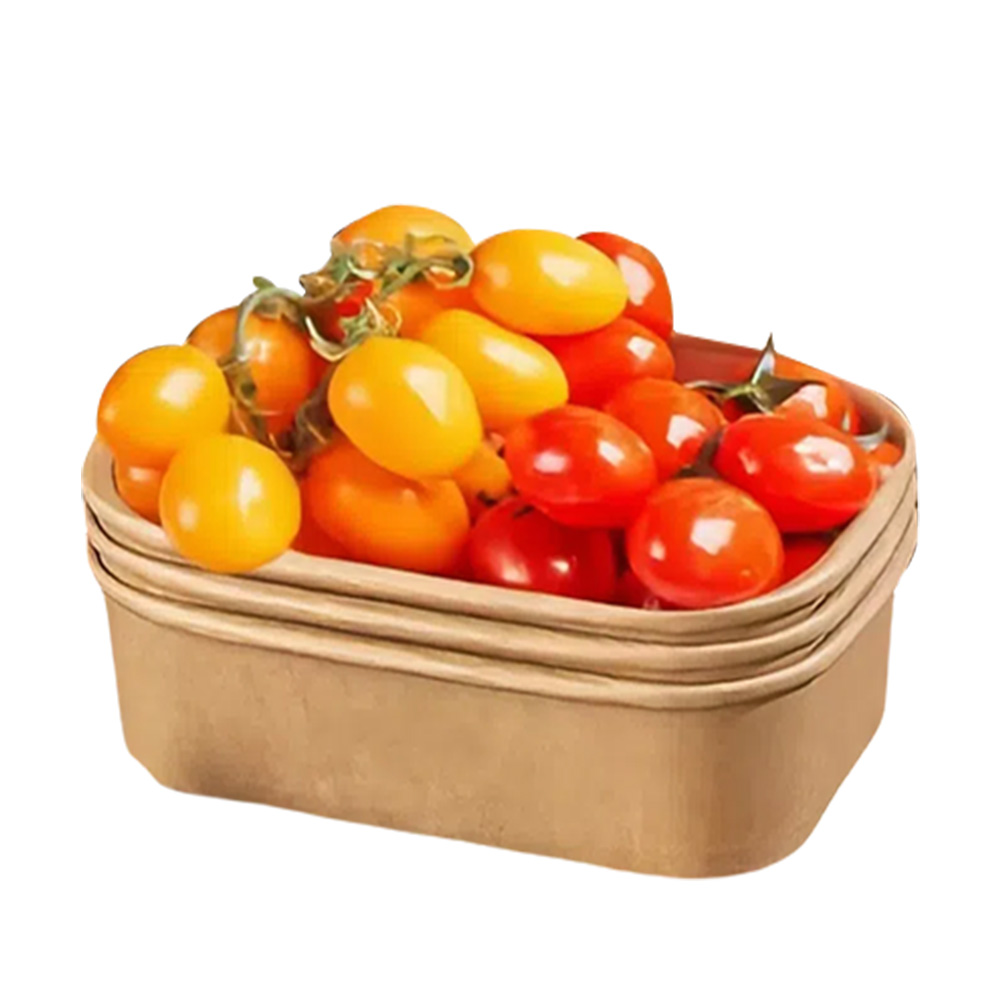
Post-pandemic ocean freight volatility places extreme financial focus on dimensional shipping efficiency. Modern bento boxes, octagonal meal containers, and tapered paper bowls are precision-die-cut to maximize stacking density, reducing container usage by up to 28% across intercontinental routes.
- Anti-jam denesting steps engineered for automated kitchen robots.
- Increased carton packing densities lowering unit landed costs.
- Rigid perimeter locks preventing catastrophic in-transit pops.
Engineering Matrix
Substrate Specifications & Operational Thresholds
Benchmark mechanical tolerances and environmental parameters across standard and custom meal box materials.
| Substrate Category | Primary Application Profile | Thermal Resistance | Barrier Chemistry | End-of-Life Stream |
|---|---|---|---|---|
| Virgin Kraft Paperboard (280–350 gsm) | Heavy takeout meals, burger boxes, fried chicken cartons | -20°C to +120°C | Aqueous Dispersion / PLA / PE | Industrial Compostable / Recyclable |
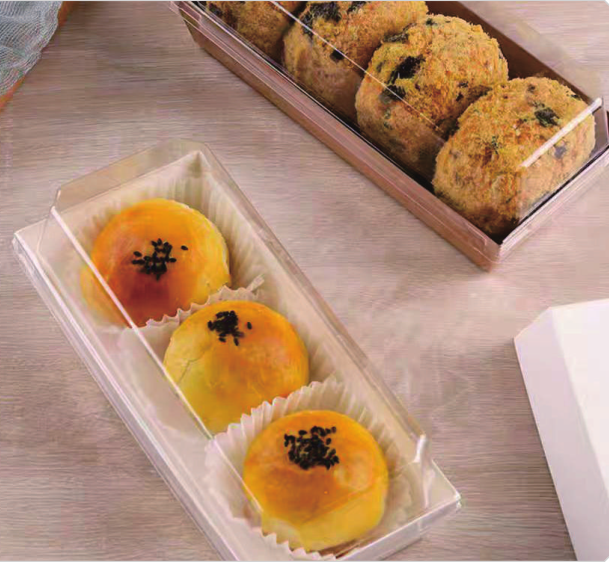
| Solid Bleached Sulfate (SBS) Board | High-graphic retail pastry boxes, premium bento packs | -18°C to +100°C | Food-grade Clay Coated + Barrier Film | Standard Curbside Repulpable |
| Food-Grade Polypropylene (PP Copolymer) | Microwavable saucy soups, noodles, hot curry tubs | -20°C to +125°C | Inherent polymer barrier (Zero Additives) | PP Stream (Code 5) Mechanical Recycling |
| High-Clarity Amorphous PET (APET) | Cold display lids, salad trays, sushi containers | -40°C to +65°C | Multi-layer Anti-fog Surface Treated | PET Stream (Code 1) High-Value Recycling |
Manufacturing Authority
Enterprise Production Advantages: Luohe Temip Plastic Products
Direct industrial supply from China’s leading central food-processing agglomeration, audited for Fortune 500 compliance.
SGS Verified Facility
Our complete manufacturing operation on Jingyi Road, Dongcheng Industrial Agglomeration Zone, has undergone comprehensive on-site inspections by SGS Group. Raw material tracking, machine maintenance logs, and hygienic cleanroom protocols are audited to global standards.
Fortune 500 Supply Provenance
We consistently execute stringent multi-SKU procurement contracts for world-tier foodservice networks. Our strict operational discipline ensures tight color consistency across print runs, absolute caliper uniformity, and uncompromised structural stability.
Rigorous Material Verification
Every paperboard reel and food-grade resin pellet undergoes rigorous on-site verification before feeding our automated cutting and forming machinery. Tests monitor tensile bursting strength, moisture equilibrium, and heavy-metal absence under strict safety protocols.
End-to-End Custom OEM/ODM
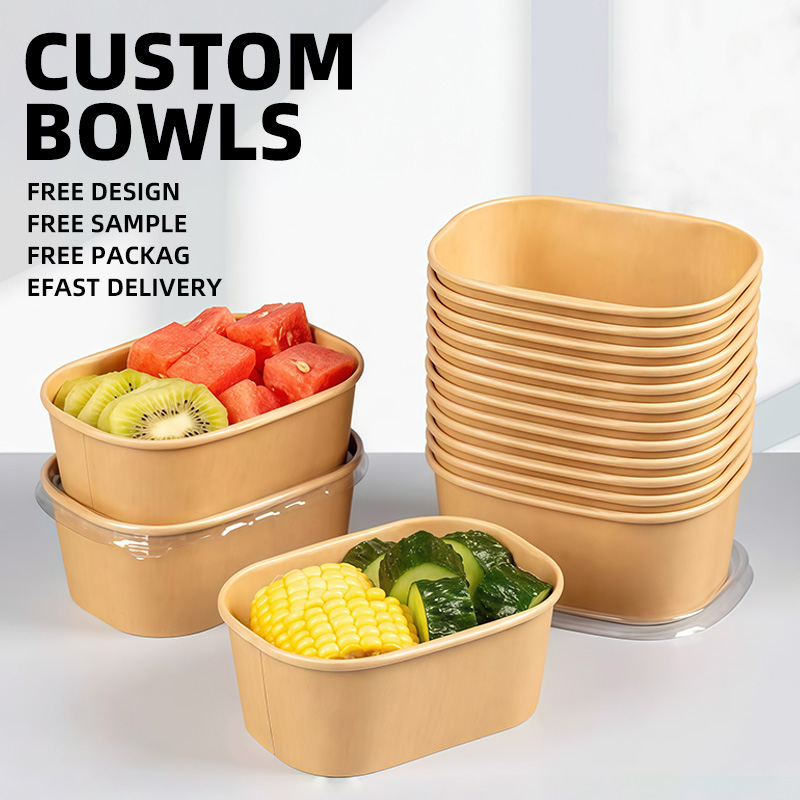
From minor custom graphic imprints (high-speed CMYK soy-based flexo printing) to fully proprietary container geometry developments (bespoke compartment walls, tamper-evident locking rims), our in-house engineering team converts design briefs into mass production quickly.
Operational FAQs
Critical Procurement & Compliance Queries
Direct answers to essential B2B queries regarding factory audits, compliance testing, minimum order thresholds, and lead times.
How does Temip ensure compliance with EU and US food-contact directives?
All virgin kraft and white boards utilized in our manufacturing pipelines possess formal CE Declarations of Compliance under Framework Regulation (EC) No 1935/2004, (EC) No 2024/2006 (GMP), and US FDA 21 CFR 176.170/176.180. We provide full chemical migration testing data upon request.
What are the standard Minimum Order Quantities (MOQs) for custom printing?
For stock containers with minor logo flexographic additions, MOQs start as low as 10,000 units. For full-coverage bespoke CMYK graphics, specialized water-based dispersion barriers, or proprietary structural tooling, standard production minimums are 30,000 to 50,000 units per SKU.
Can we request independent third-party loading inspections prior to dispatch?
Absolutely. We routinely host on-site factory audits and pre-shipment container-loading inspections from agencies such as SGS, BV, and Intertek. Our technical facility in Luohe provides full testing rig access for dimensional validation, lid snapping, and load-bearing stress tests.
What is the typical production timeline from physical sample sign-off?
Physical pre-production prototypes are dispatched within 5 to 7 working days. Following sign-off and color-match verification, full 40-foot high-cube container runs (typically 300,000–500,000 units depending on nesting dimensions) are manufactured and packaged within 18 to 25 days.
Ready to Engineer Your Next-Generation Packaging Line?
Initiate direct communication with our senior packaging engineering department. Receive custom structural die-lines, rapid barrier-coating samples, and verified direct-from-factory volume pricing.