Engineered Food Service Packaging & Delivery Containers
Tested rigorously for oil barrier retention, stacking stiffness, moisture mitigation, and leak protection across extreme delivery cycles.
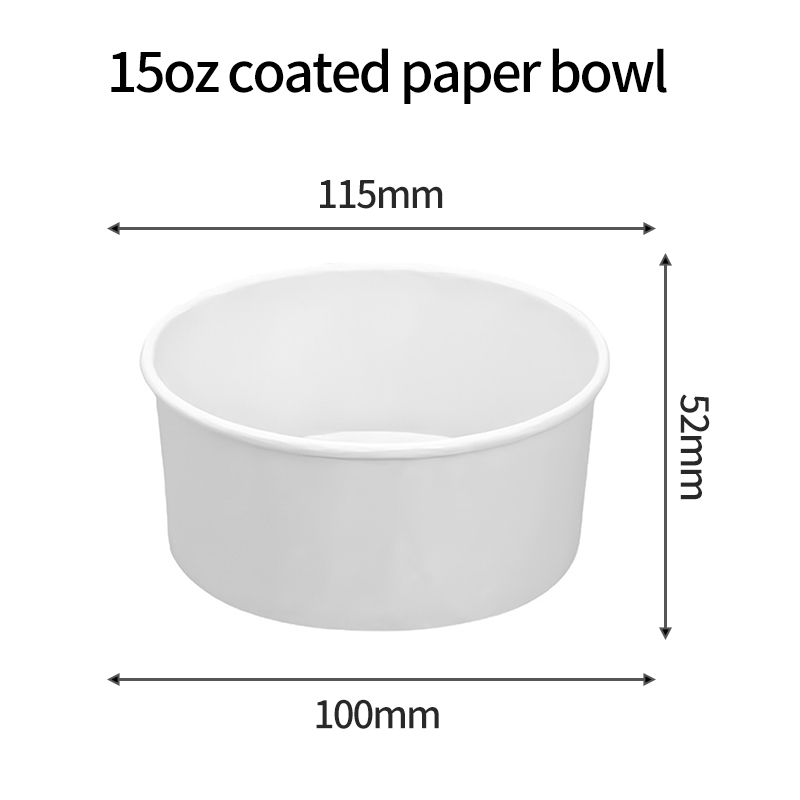
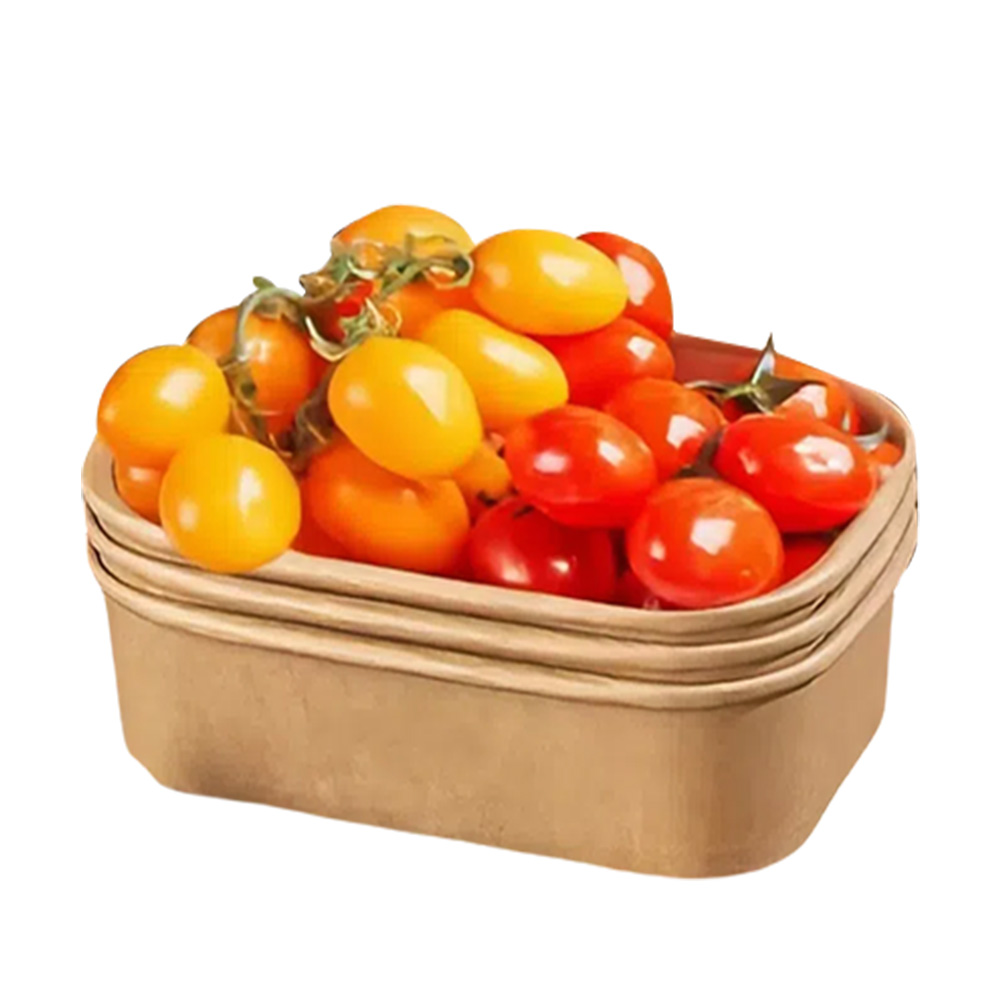
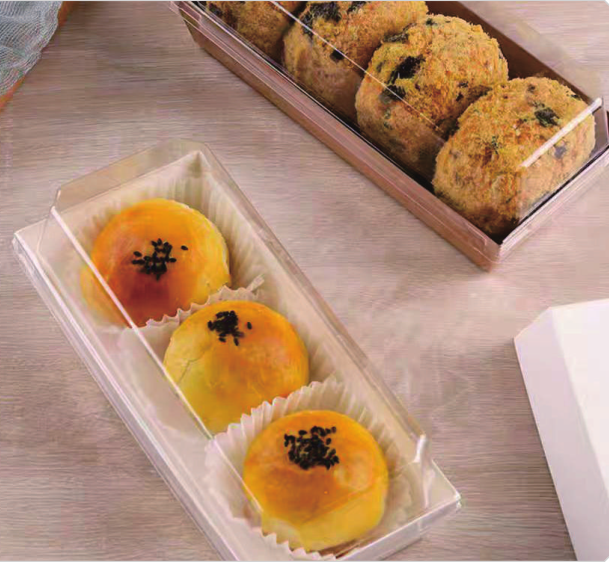
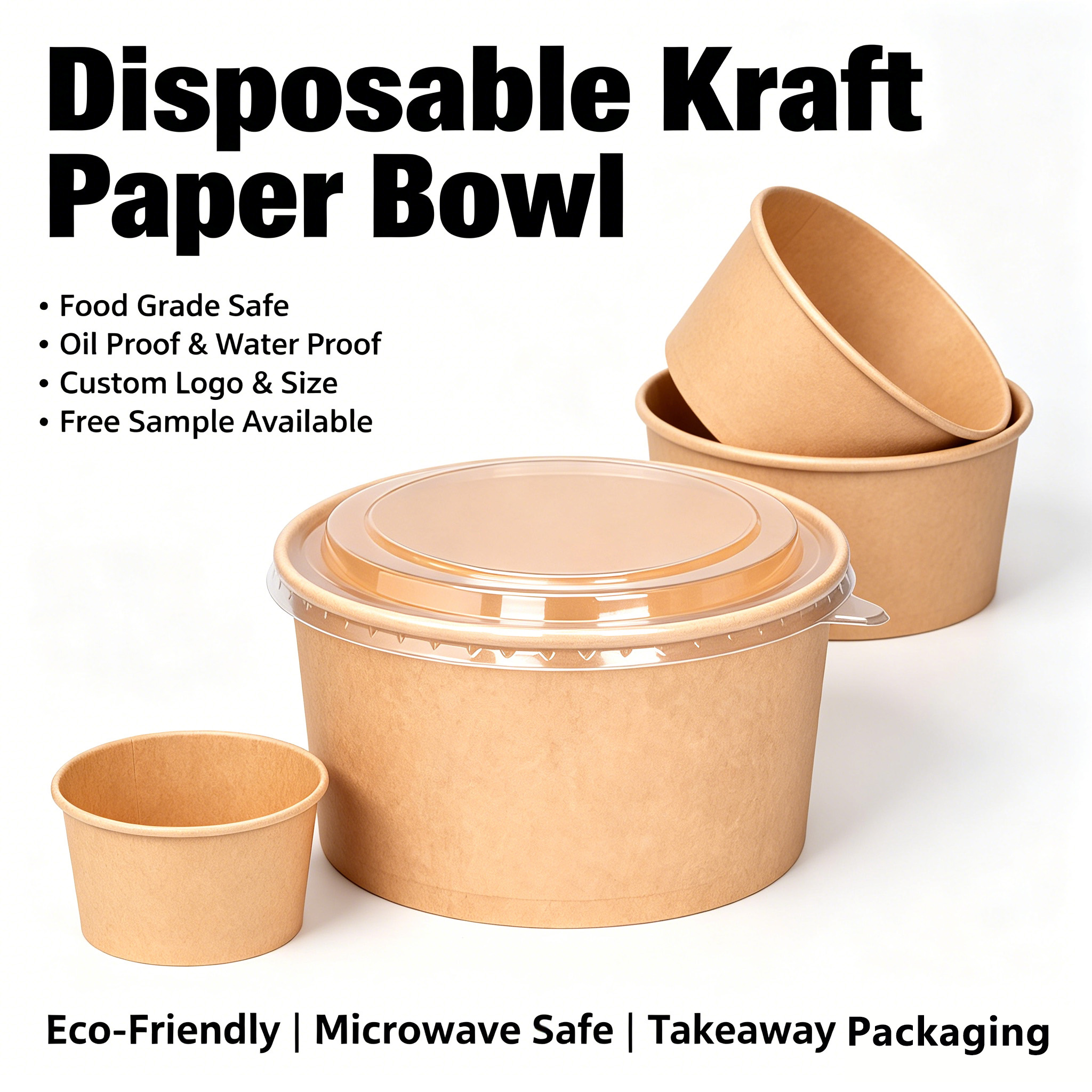
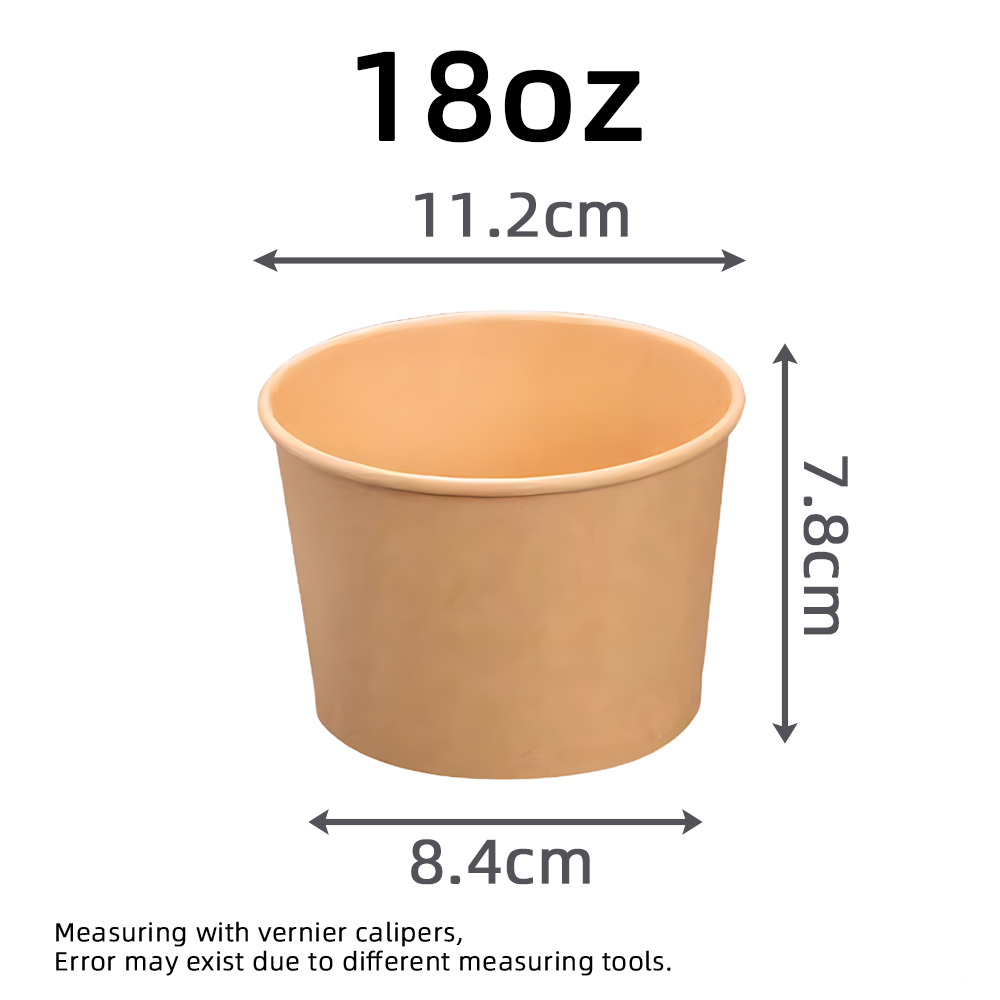
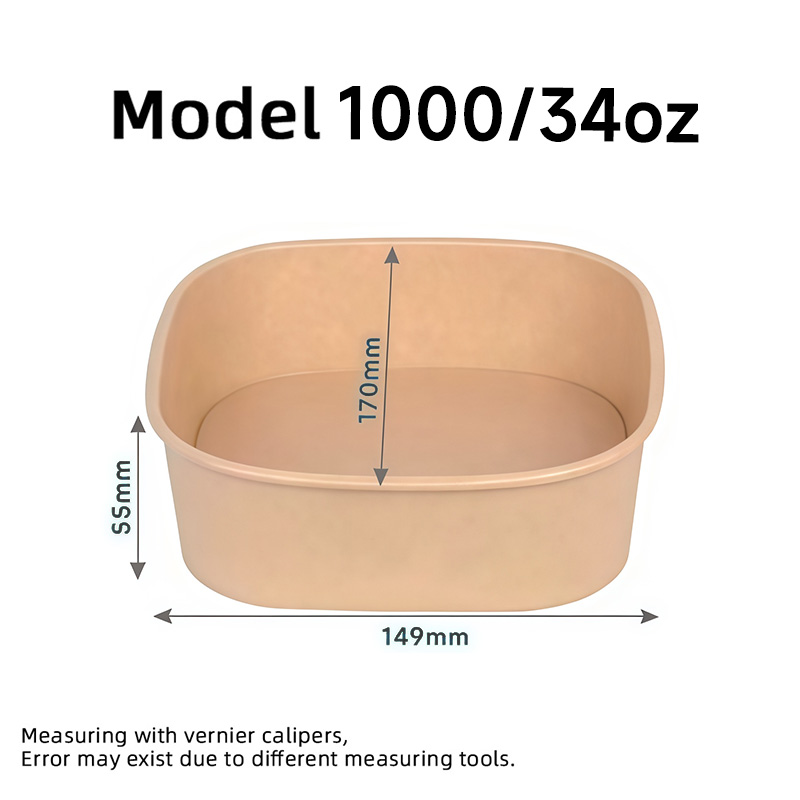
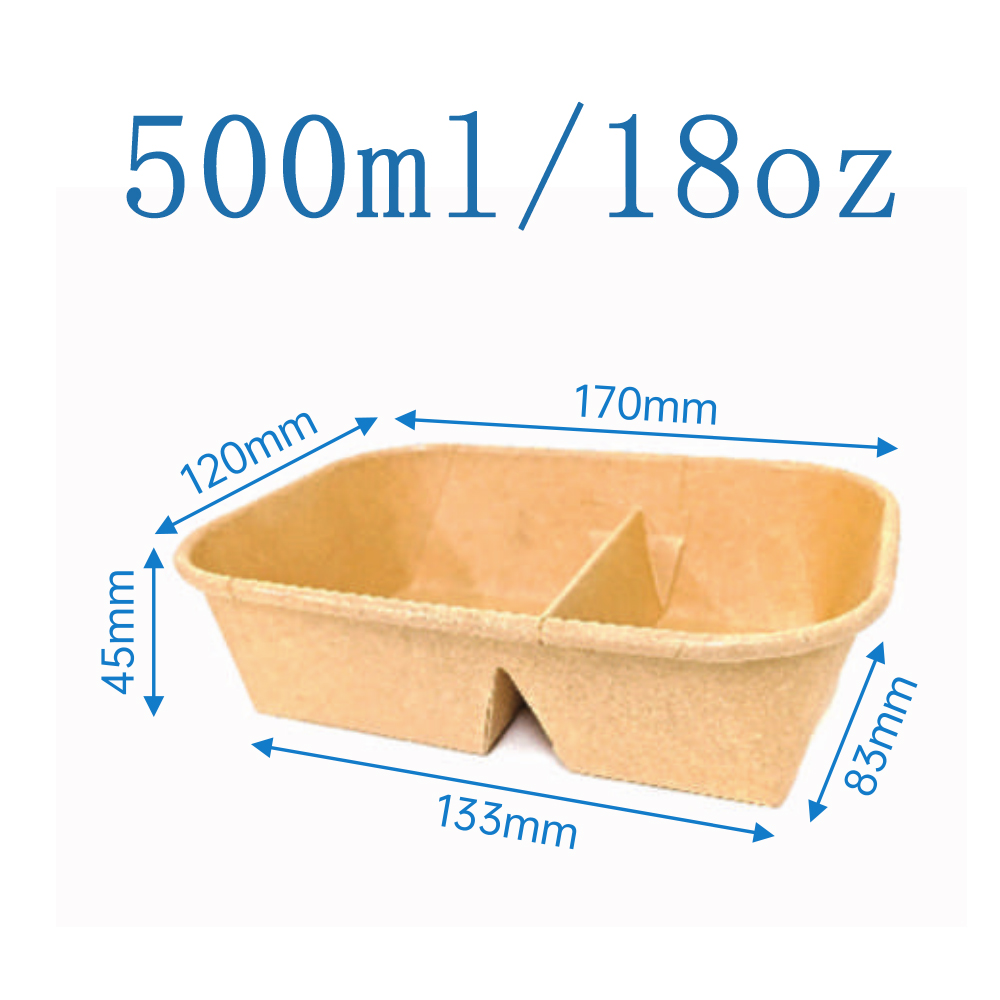
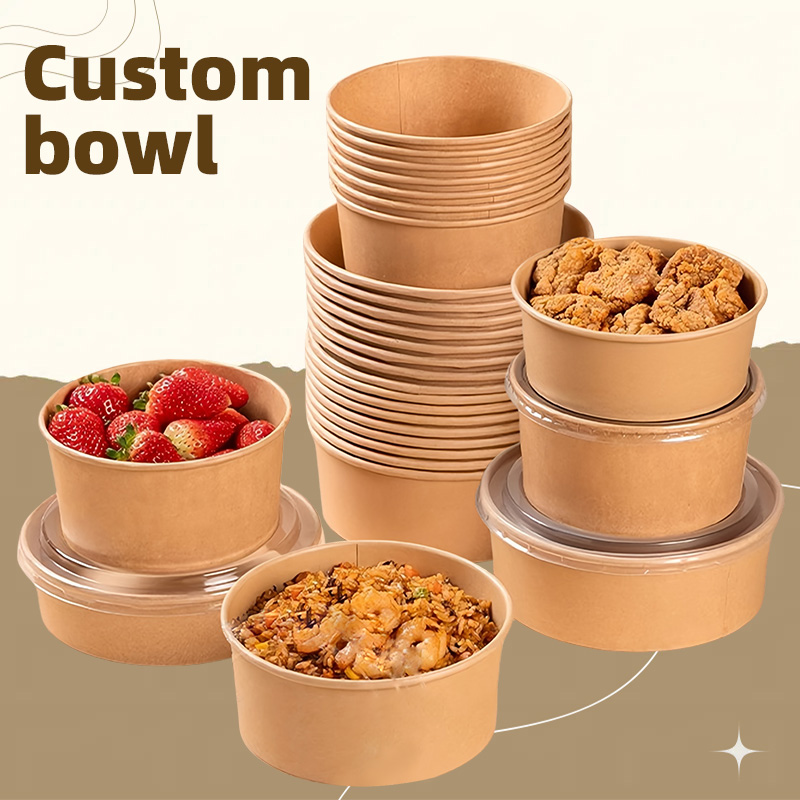
Technical White Paper: The Structural Dynamics of Food-Grade Takeaway Packaging
In modern industrial food distribution, a disposable food box is not a passive container; it is an engineered micro-environment. The technical convergence of food contact safety (CE regulation EC 1935/2004, EU 10/2011, and German LFGB) with high-efficiency thermal insulation defines the boundary between brand equity protection and commercial failure. When hot meals (>80°C) containing both lipid fractions and water vapor are enclosed, typical single-layer containers experience severe mechanical degradation known as hydro-thermal board softening.
Our manufacturing protocols utilize structural virgin long-fiber wood pulp board calibrated from 280 gsm up to 340 gsm. Virgin soft-wood pulp delivers superior ring crush test (RCT) values, providing the container wall with high axial crush resistance. This structural rigidity prevents corner buckling during high-density stacking in logistics dispatching bags, eliminating lid separation and messy fluid dispersion.
Furthermore, barrier engineering has transitioned from legacy polyethylene (PE) extrusion toward sustainable high-performance solutions. For markets enforcing strict single-use plastics bans (EU Directive 2019/904), we deploy specialized water-based dispersion coatings (Aqueous Coating) and certified biodegradable Poly-Lactic Acid (PLA) barriers. These coatings resist free grease penetration (tested up to KIT Level 12) without impeding downstream enzymatic breakdown in commercial composting or repulping streams.
Future Sourcing Trends in Commercial Food Service (2025–2030)
How supply chain executives, institutional distributors, and restaurant chains are mitigating regulatory exposure while optimizing unit costs.
PFAS-Free Regulatory Compliance
With aggressive phase-outs of per- and polyfluoroalkyl substances (PFAS) by the US FDA and European ECHA, global procurement is pivoting swiftly to fluorine-free physical grease barriers. Forward-thinking buyers are auditing supply chains to eliminate organic fluorinated additives, prioritizing certified mechanical density and biodegradable dispersion coatings to prevent legal liability at customs.
Modular & Nested Geometry
Ocean freight volatility requires ultra-dense volumetric packaging design. Recent structural advancements focus on high-taper, precision-engineered nesting bases that allow 30% more units per standard 40HQ container. Concurrently, universal snap-lock rim dimensions enable a single lid format to securely fit across three differing bowl volumes, cutting buyer SKU management costs drastically.
Bio-Lining Paradigm Shift
The global shift from PE to circular substrates—such as home-compostable barrier technologies and water-dispersed resins—is no longer a brand niche, but a procurement imperative. European buyers are actively migrating forward to satisfy the EU Packaging and Packaging Waste Regulation (PPWR) mandates, securing supply chain contracts with factories featuring verified on-site coating application capabilities.
Technical Substrate Selection Matrix for Procurement Officers
Evaluate core packaging substrates based on thermal boundaries, moisture barrier performance, environmental lifecycle, and supply economics.
| Substrate Category | Thermal Threshold | Barrier Mechanism | Primary Application Profile | Environmental Path |
|---|---|---|---|---|
| Virgin Kraft Paperboard + PE | -20°C to +100°C | 18–22 gsm Polyethylene film | General delivery, high-grease, budget-sensitive fast food | Standard repulping (specialized recovery facilities) |
| Food-Grade Kraft + Bio-PLA | -10°C to +85°C | Bio-derived Poly-Lactic Acid layer | Cold foods, salads, medium-heat soups, organic fast-casual | EN 13432 certified industrial composting |
| Aqueous Dispersion Coated Board | -20°C to +120°C | Polymer-water water-based barrier | Microwavable entrees, bakery, zero-plastic compliance lines | Standard kerbside paper recycling recyclable |
| High-Purity Thermoformed PP | -20°C to +120°C | Homopolymer Polypropylene matrix | Boiling broths, heavy gravies, industrial meal prep programs | Rigid plastic circular recycling (Code 5) |
Why Global Sourcing Teams Rely On Luohe Temip Plastic Products
Located in Luohe, Henan—one of China's core food science and manufacturing epicenters—our production infrastructure is calibrated to meet strict international supply-chain audits.
Proven Tier-1 & Fortune 500 Experience
Our operational capabilities are validated through past performance supplying multinational brand networks and high-volume distribution systems. We understand supplier scorecard systems, lot-tracking imperatives, standardized carton drop-test parameters, and multi-tier quality assurance protocols required by global enterprises.
Stringent Raw Material Controls
Packaging integrity begins at the pulp mill. Our manufacturing facility maintains on-site optical testing and grammage verification for every raw paper roll and resin shipment. We reject raw inputs showing variable tensile strength, ensuring consistent cup-rim curl, smooth lid closure snap, and stable wall construction.
End-to-End OEM/ODM Agility
Whether you require CMYK high-precision flexographic printing using zero-VOC water-based inks, structural compartmentalization adjustments, or completely bespoke anti-counterfeit embossing, our engineering department provides rapid CAD prototypes, 3D printed samples, and rapid die mold production.
Frequently Asked Questions: Global Food Packaging Procurement
What specific CE and food contact documentation do you supply with shipments?
As a verified manufacturer, we provide comprehensive Declarations of Compliance (DoC) referencing Regulation (EC) No 1935/2004 and Regulation (EU) No 10/2011. Our products undergo full migration testing (overall migration and specific heavy metal/phthalate migration) under accredited laboratory testing scenarios (SGS, TÜV) simulating acidic, aqueous, alcoholic, and fatty food contact matrices.
How do you ensure zero leak incidents on high-temperature oily soups and sauces?
Leak prevention depends on two variables: ultrasonic bottom welding precision and perimeter rim curl consistency. Our automatic forming machines utilize multi-point optical monitoring to verify heating cohesion across all sealed junctions. Furthermore, each production run undergoes statistical vacuum chamber immersion leak testing and 4-hour hot oil (95°C) hold tests before packing approval.
What are your standard OEM/ODM production lead times and Minimum Order Quantities (MOQ)?
For standard unprinted raw kraft containers, baseline MOQ starts at 10,000–30,000 units with dispatch within 10–14 days. For customized multi-color flexo/offset printed packaging, initial run MOQs are generally 30,000–50,000 units per size SKU to optimize rotary die setups. Tooling for custom sizes and geometric structures takes approximately 15–20 days, followed by physical pre-production sample approval.
Can our international quality team conduct factory audits during production?
Yes. We welcome on-site third-party quality control audits (such as SGS, Bureau Veritas, or Intertek) as well as scheduled in-person audits by client supply chain executives. Our facility is situated in the Dongcheng Industrial Agglomeration Zone, Zhaoling District, Luohe, Henan, China, easily accessible from Zhengzhou Xinzheng International Airport (CGO).
How do your packaging products handle freezing and subsequent microwave heating?
Our engineered kraft containers and high-performance PP containers are designed for freezer-to-microwave transitions (-20°C to +120°C). The long wood-pulp fiber matrices prevent brittle fracturing under blast freezing, while our heat-tolerant barrier coatings resist blistering and delamination when reheated in standard commercial microwaves.
Upgrade Your Food Packaging Supply Chain Infrastructure
Request our complete export product catalog, certified physical material swatch packs, and verified factory inspection documentation. Our multilingual technical sales team responds within 12 business hours.